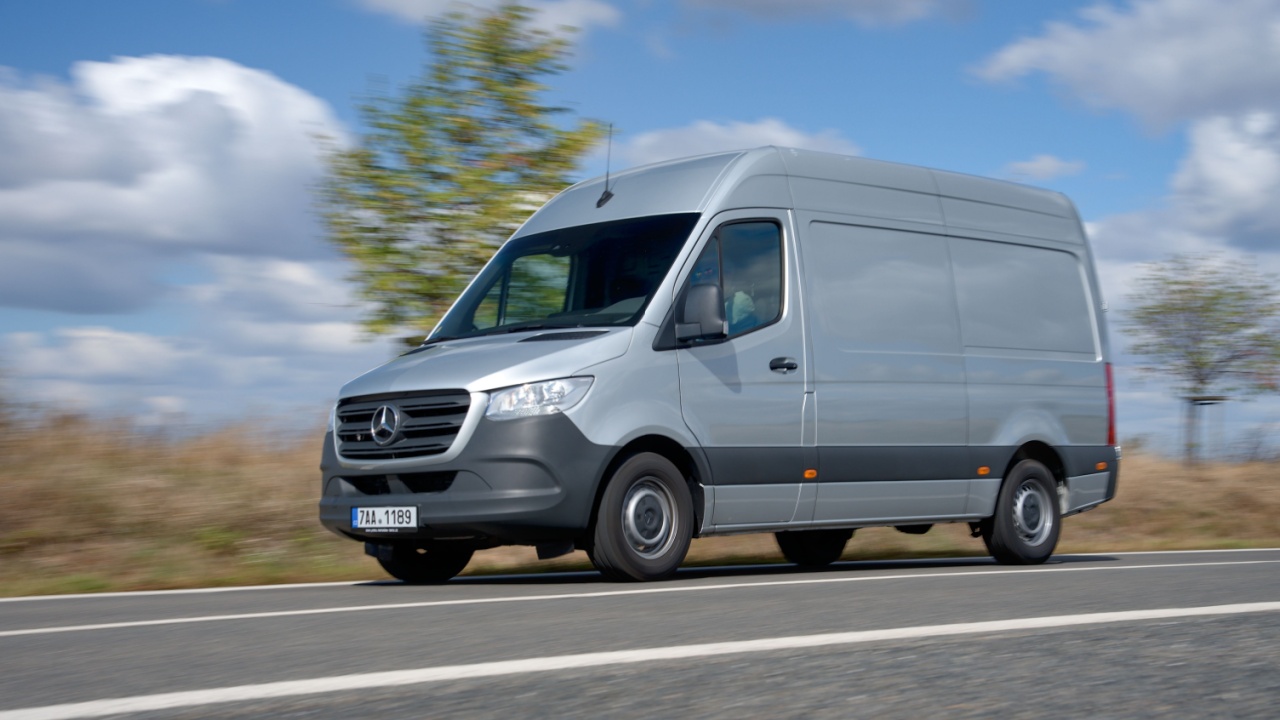
Celebrating a remarkable milestone, Mercedes-Benz Vans marks the 30th anniversary of the Sprinter—a vehicle that has become synonymous with the large van segment. Since its debut in 1995, the Sprinter has been a trusted partner across various industries, from trade and services to leisure activities as a camper van base. Its versatility has also made it indispensable in public services, functioning as ambulances, police vehicles, and municipal service units.
A Legacy of Innovation
The Sprinter’s journey began in 1995, succeeding the legendary T1/TN series. It was the first Mercedes-Benz van to bear a distinct name, setting new standards in the light commercial vehicle segment. The initial model featured a self-supporting body, rear-wheel drive, a modern chassis with independent front suspension, and powerful engines—elements that were revolutionary at the time. Standard features included four-wheel disc brakes, anti-lock braking system (ABS), and height-adjustable three-point seat belts, with a driver’s airbag available as an option.
The Sprinter has undergone significant transformations over three decades. The second generation, introduced in 2006, expanded options with multiple wheelbases, lengths, and roof heights, and incorporated the Electronic Stability Program (ESP) as a standard feature in certain models. By 2018, the third generation embraced connectivity advancements, integrating the Mercedes-Benz User Experience (MBUX) multimedia system, which offered voice-activated controls and enhanced fleet management capabilities. Safety features also evolved, with the addition of systems like Active Distance Assist DISTRONIC.
Global Impact and Production
Today, approximately one in every two Mercedes-Benz Vans sold worldwide is a Sprinter. Manufactured across four global locations — Düsseldorf and Ludwigsfelde in Germany, Buenos Aires in Argentina, and Charleston in the USA — the Sprinter is available in over 130 markets.
In Europe, it leads the large van segment with a permissible gross vehicle weight of up to 5.5 tons. The brand is also on the cusp of delivering the five millionth Sprinter to a customer, underscoring its enduring popularity.
Electrification and Sustainability
In line with global sustainability efforts, Mercedes-Benz introduced the eSprinter approximately five years ago, providing a locally CO₂-emission-free alternative for businesses and services. The eSprinter has been updated to enhance efficiency, range, and load capacity, making it a versatile option for various applications.
Anniversary Celebrations
To commemorate this 30-year journey, Mercedes-Benz Vans is hosting “Sprinter City,” a model city exhibition in Berlin from March 19 to 21, 2025. This event showcases the Sprinter’s versatility across different industries, featuring over 15 variants, including food trucks, mobile workshops, ambulances, and camper vans. Throughout the year, similar celebrations are planned in various markets worldwide, highlighting the Sprinter’s global significance.
Looking Ahead
The Sprinter’s 30-year legacy is a testament to its adaptability and enduring appeal. As industries evolve and new challenges emerge, the Sprinter continues to innovate, offering solutions that meet the diverse needs of businesses and communities worldwide.