
Shopping for a used car isn’t what it used to be. Prices are still elevated compared with pre-pandemic norms, inventory and turnover vary by segment, some cars still move quickly, but others are sitting longer than they used to, and the difference between a great buy and a costly regret can come down to a few overlooked details. But that doesn’t mean you can’t still find good deals; you just need to know what to look for.
Whether you’re a seasoned car shopper or buying your first set of wheels in a decade, these tips are designed to cut through the noise and steer you toward vehicles that offer genuine value. We pulled together a mix of firsthand experience, expert advice, and timeless wisdom from longtime drivers who’ve been around the block, literally.
The Method Behind the Motor
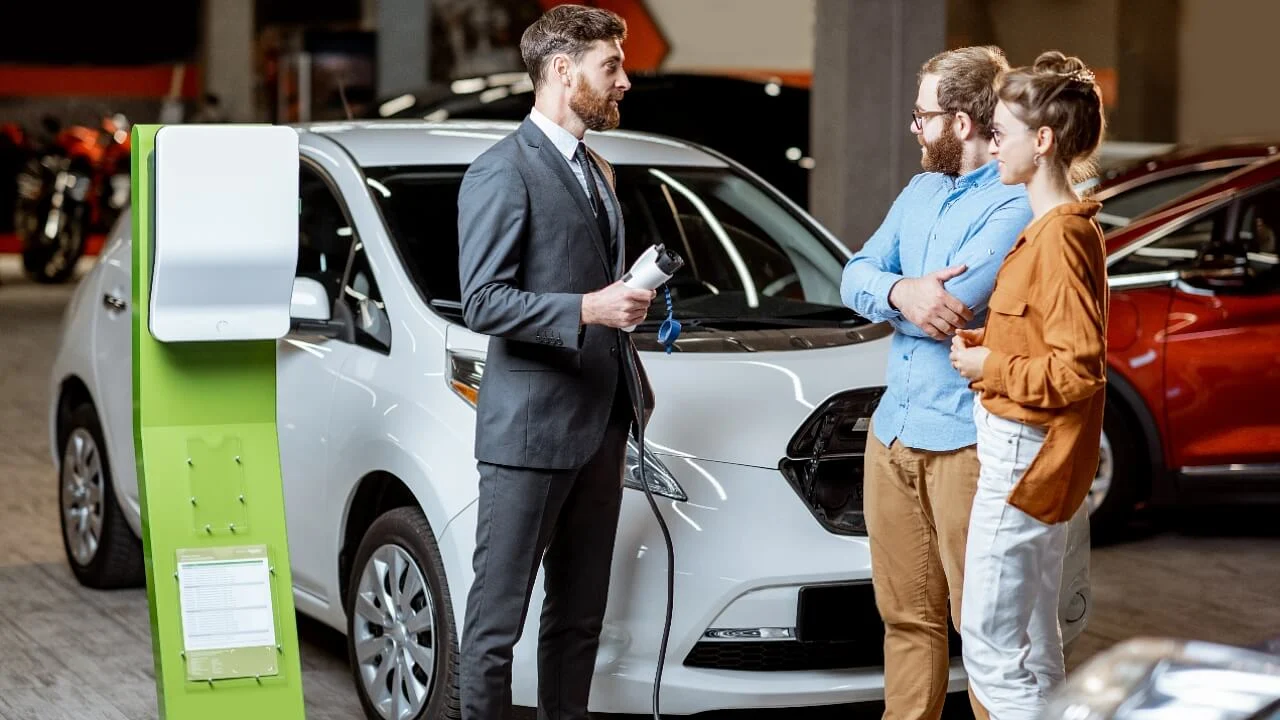
We built this list from a mix of hands-on experience, expert advice, and practical wisdom shared by mechanics, seasoned car buyers, and auto writers. We focused on what really matters for everyday drivers: how to spot value, avoid lemons, and feel good about the deal long after the keys are in your hand.
Whether you’re buying your first car, replacing a longtime daily driver, or helping a family member pick something reliable, these tips will help you navigate today’s used car market with confidence. Here’s how to spot a solid used car deal before someone else drives off with it.
Check the Vehicle History Report

A clean history report doesn’t guarantee a perfect car, but it’s a crucial first filter. Not all accidents or repairs get reported to history-report databases, so treat the report as a clue, not proof. Services like Carfax or AutoCheck can show past accidents, title issues, maintenance records, and whether the car has been used as a rental or fleet vehicle.
Watch for red flags like salvage or rebuilt titles, odometer discrepancies, or a long list of past owners in a short time. A good deal should come with a transparent past.
Compare the Price to Market Value

Use pricing tools like Kelley Blue Book (KBB), Edmunds, or iSeeCars to determine what similar cars are selling for in your area. This helps you avoid overpaying or getting lured in by a price that seems too good to be true.
If the price is far below market value, ask why. It could be a hidden issue, or it could be a motivated seller. Either way, knowing the fair value puts you in a stronger position to negotiate.
Look for Private Sellers with Maintenance Records

While dealerships often recondition used vehicles, private sellers can sometimes offer better prices. Edmunds pricing analysts estimate a used vehicle sold at a dealership costs about 12% more than a private-party sale. Look for listings where the owner has service records, especially for things like oil changes, brakes, and timing belts.
A car that’s been cared for and comes with receipts usually has fewer surprises down the road. Plus, talking directly to the previous owner can give you a sense of how the vehicle was treated.
Have a Mechanic Inspect It
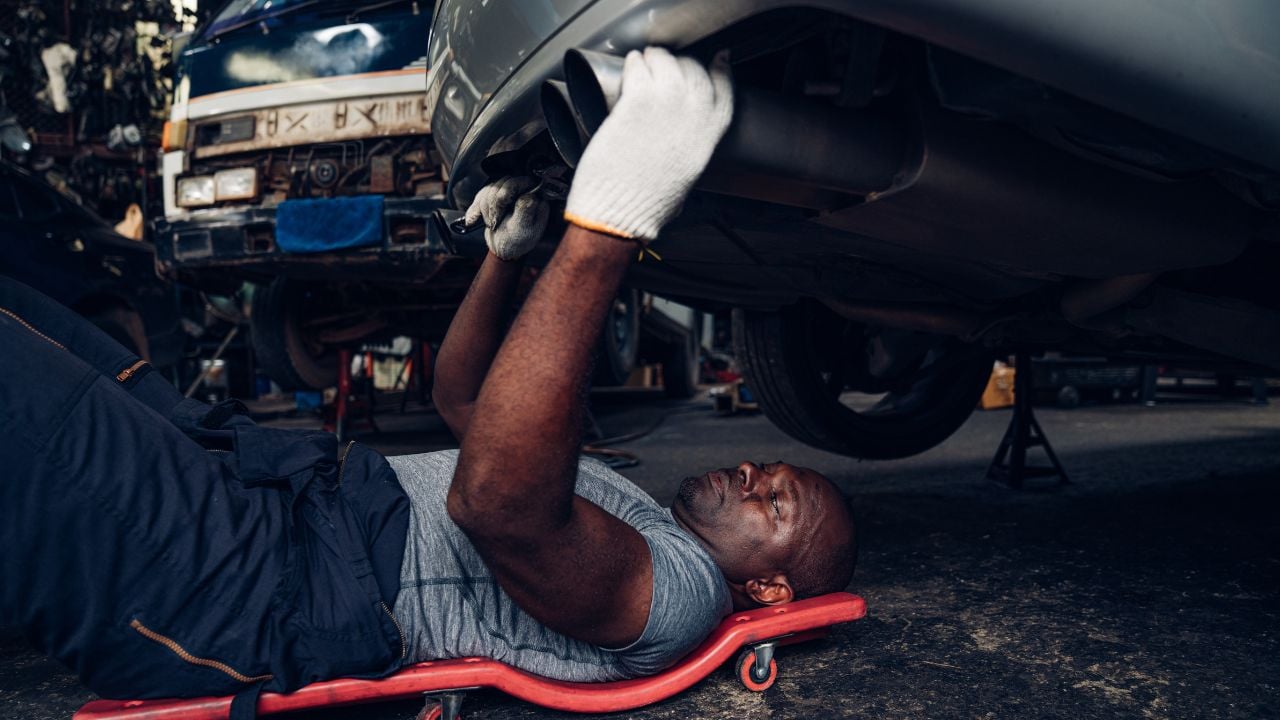
No matter how good a car looks or how friendly the seller is, always get a pre-purchase inspection. A qualified mechanic can spot things that aren’t obvious during a test drive, like leaks, worn suspension components, or lurking engine problems.
It typically costs about $100–$300, but it could save you thousands. If the seller refuses to allow an inspection, that’s a red flag in itself.
Trust (But Verify) the Mileage
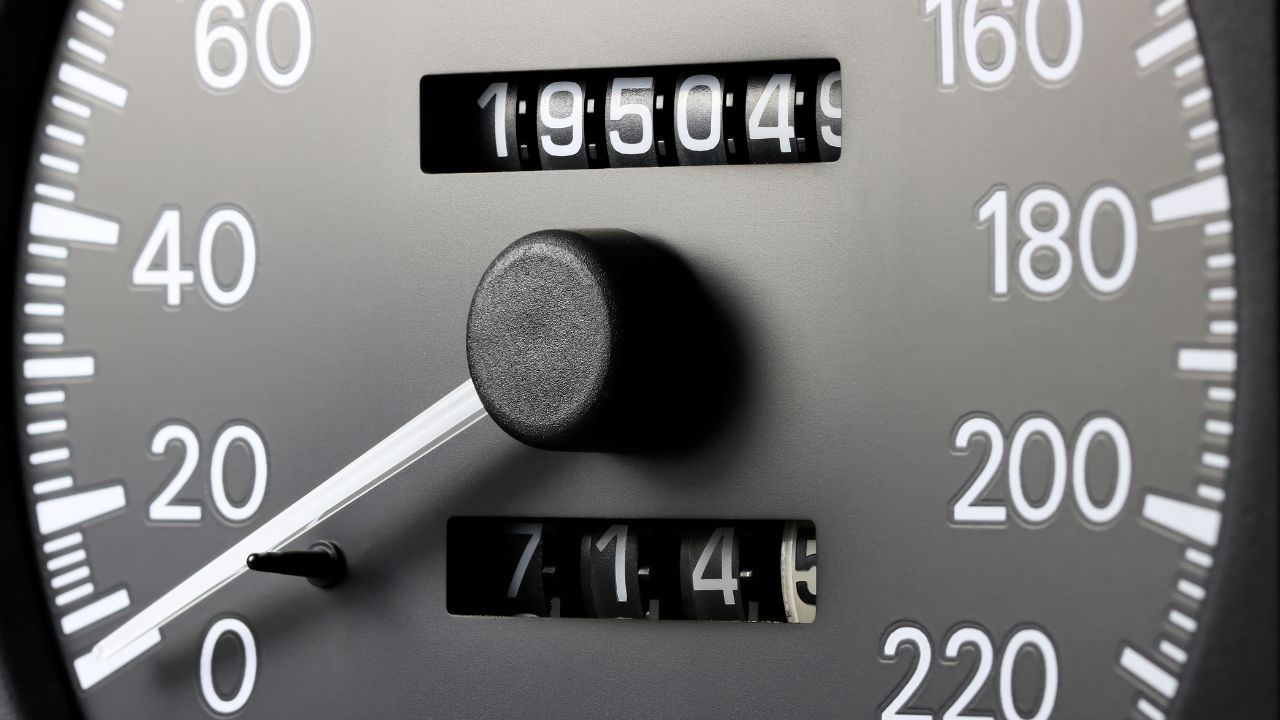
Mileage matters, but it’s not the only thing to consider. A well-maintained car with 100,000 miles might be in better shape than a neglected one with 60,000.
That said, verify that the mileage on the odometer matches the vehicle history report. If something feels off, like a lot of wear on a low-mileage car, ask questions.
Watch for Signs of Flood or Frame Damage
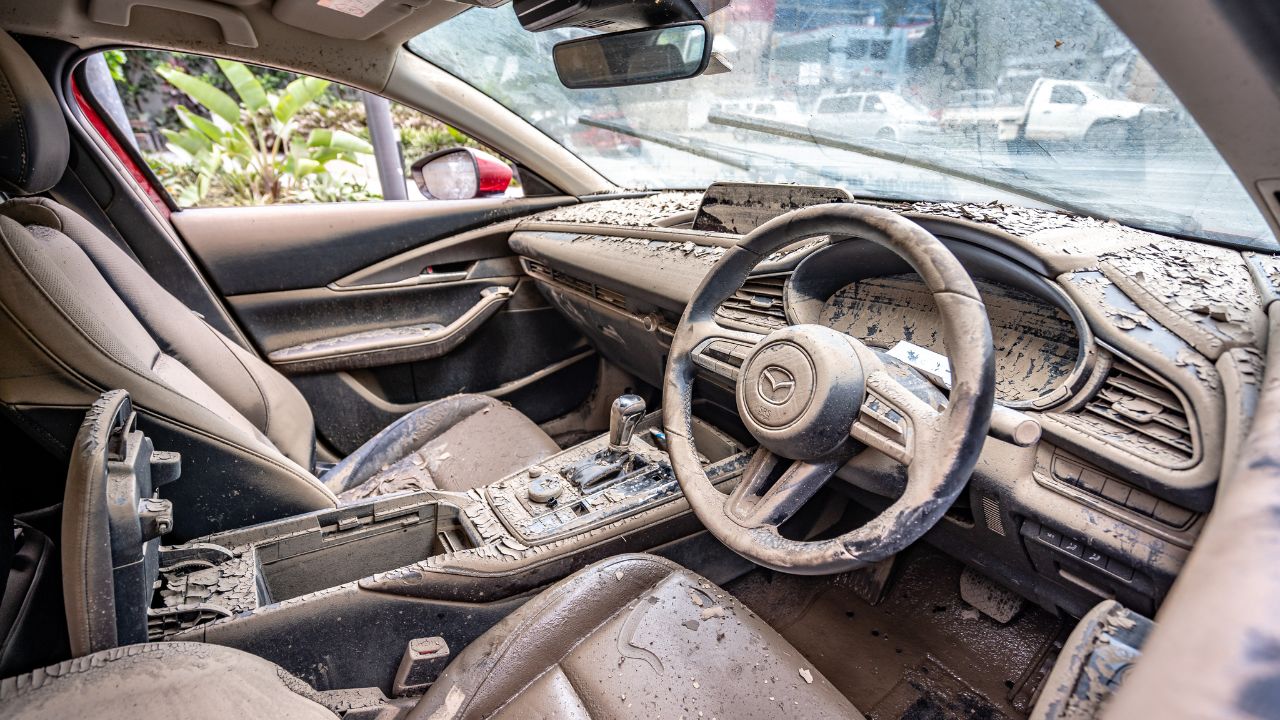
Cars that have been through floods or serious accidents can be made to look good on the surface, but they often come with long-term issues. Look for signs like rust in odd places, water lines in the engine bay, or mismatched paint.
Frame damage can affect safety and resale value. If anything looks repaired or replaced under the car, ask for documentation.
Don’t Skip the Test Drive

A thorough test drive isn’t just about seeing how the car accelerates. Pay attention to how it starts, idles, brakes, steers, and shifts. Try it on surface streets and the highway.
Listen for unusual noises and take note of how it feels. If something doesn’t seem right, trust your instincts and walk away.
Use a VIN Decoder

The VIN (Vehicle Identification Number) can tell you a lot. Use a free decoder online to check details like original specs, where it was built, and factory equipment.
Sometimes sellers list features that don’t match the VIN, especially with trim levels. This quick step helps verify you’re getting what you pay for.
Look for Cars with Recent Maintenance

Cars that have recently had major service, like new tires, brakes, batteries, or timing belts, can be better buys, even if they cost a bit more upfront. You’re less likely to be hit with those expenses right after purchase.
Ask the seller when the last oil change was, whether the transmission fluid has been flushed, and if any recalls are outstanding.
Be Ready to Act Fast

The best used car deals don’t sit around. If you see something that checks all the boxes, don’t wait too long to make an offer.
That said, don’t skip the inspection or paperwork just to beat someone else to it. A rushed decision can cost more than it saves.
Watch for Scams and Pressure Tactics

Unfortunately, today’s fast-moving car market also attracts scammers. Also watch for last-minute add-ons and ‘surprise fees’—always ask for an out-the-door price in writing before you commit. Be cautious of listings that insist on wire transfers, prepaid gift cards, or shipping a car sight unseen. Always meet in person when possible, and make sure the title is present and clear.
High-pressure tactics, vague answers, or a refusal to provide documentation are all reasons to walk away. A good deal will hold up under scrutiny, and a trustworthy seller won’t mind a few questions.
The Road to a Great Deal

Finding a good used car takes more than luck. In today’s market, it takes preparation, quick thinking, and a willingness to ask the right questions. But when you spot a well-maintained car at a fair price, it’s worth the effort.
Whether you’re shopping online or scanning driveways on a weekend, keep these tips in mind. A little extra homework can lead to a much better ride and a lot fewer regrets.