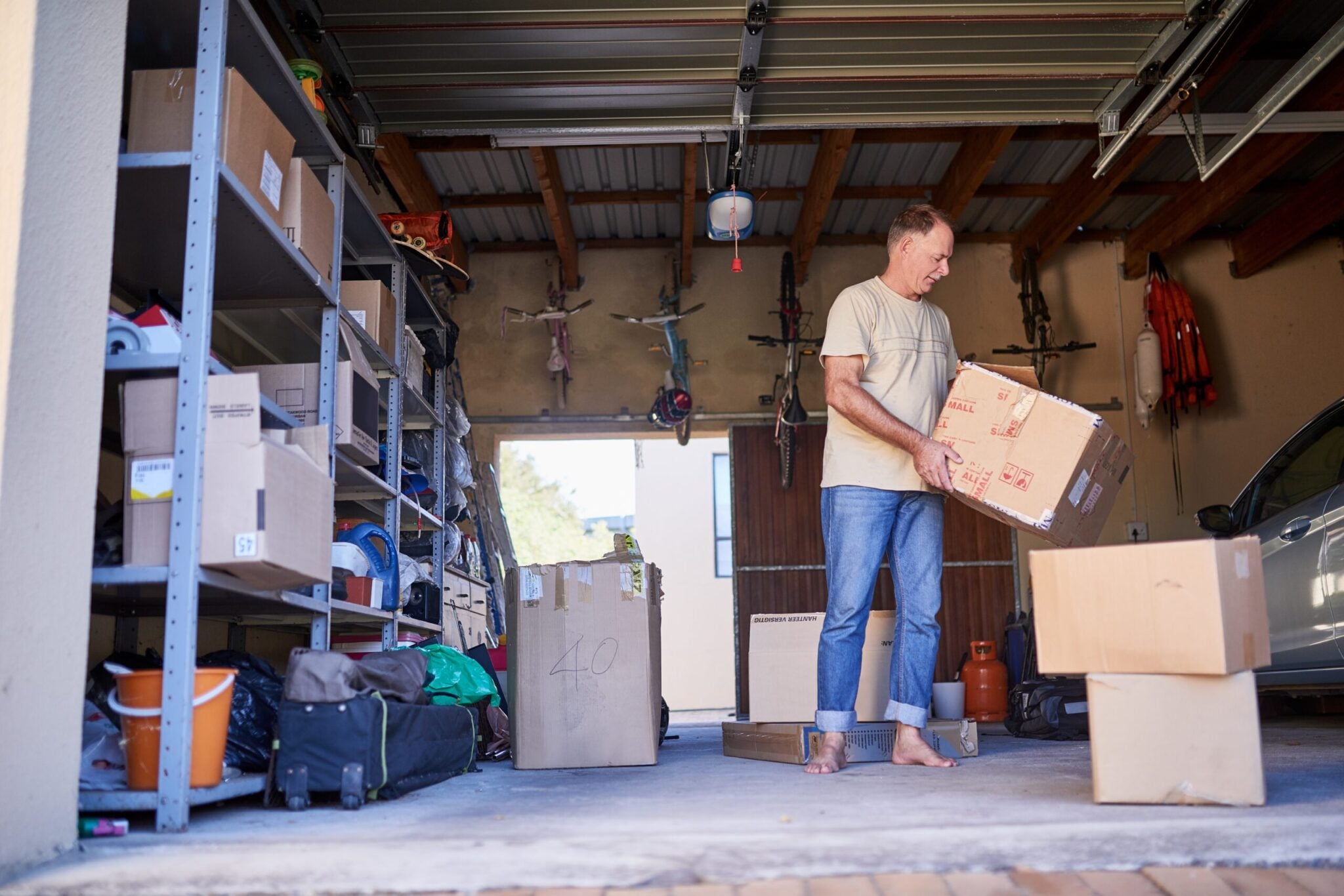
Let’s be honest. Your garage might be doing more hoarding than housing. It’s where half-finished projects go to hide, where boxes multiply like rabbits, and where tools that haven’t worked in years quietly rust away. But clearing it out isn’t just about aesthetics. A clean, safe, and organized garage can make everyday life feel a lot smoother. It might even help you avoid a few safety hazards along the way.
If you’ve ever opened the garage door and immediately felt overwhelmed, this list is for you. We’re tackling the forgotten, the broken, the expired, and the just plain useless. You — and your garage — deserve better.
How We Picked These Items
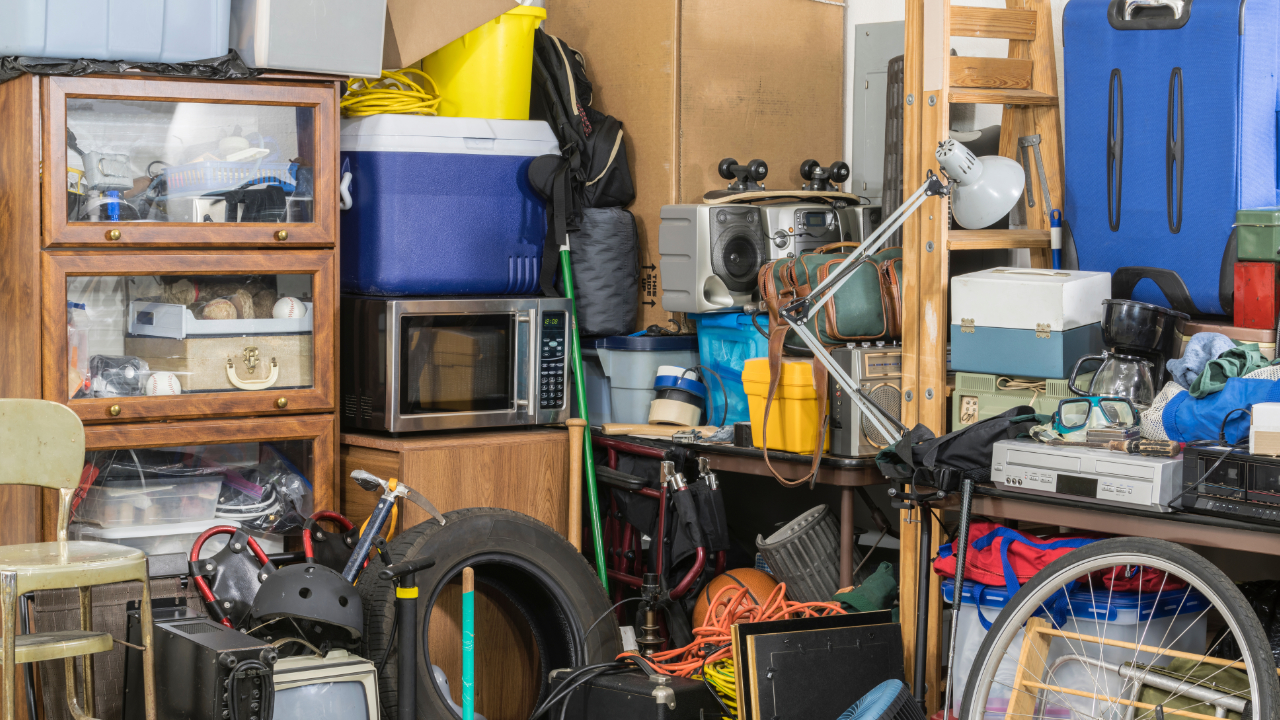
We’re talking about the stuff that tends to pile up in garages: things that go bad over time, could be unsafe, or just sit there taking up space for no good reason. We’ve looked at what everyday folks like you are dealing with, not just pros or mechanics. The goal? Help you make your garage feel a little more useful without turning it into an all-weekend project.
So let’s take a look around and see what might be ready to head out the door for good
Expired Paint Cans
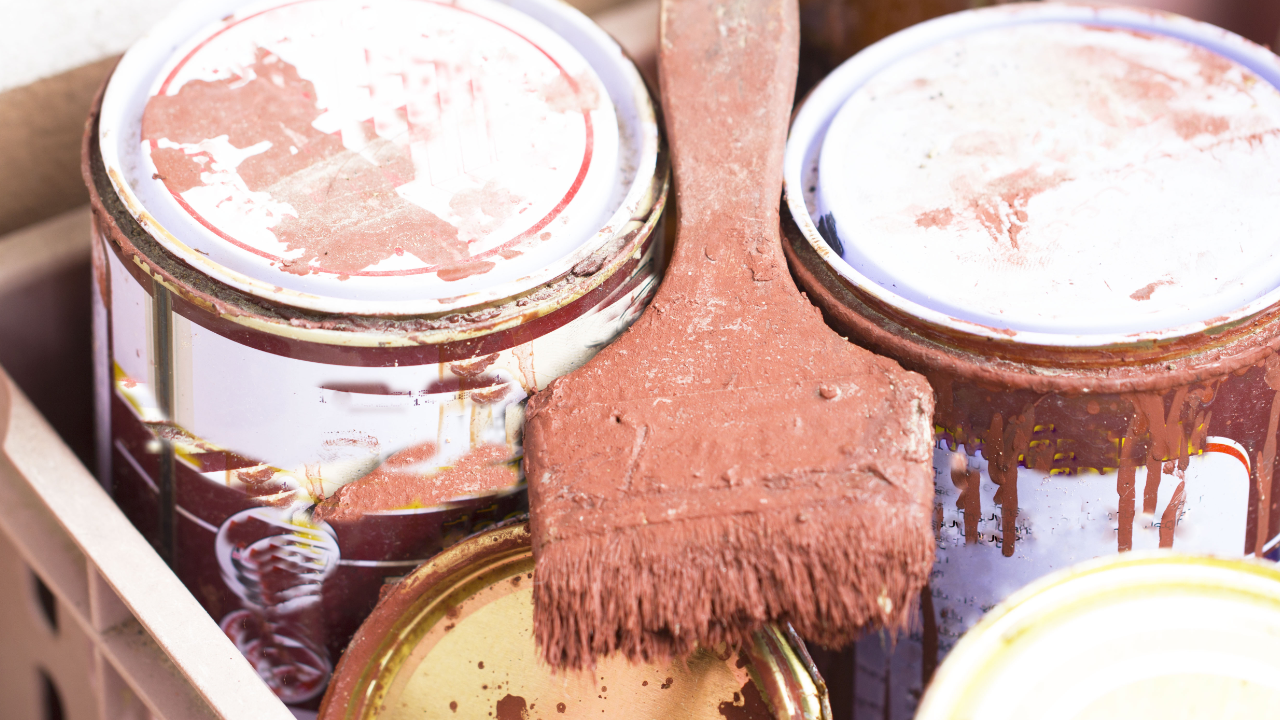
If that half-used can of wall paint has been sitting for years, chances are it’s no longer usable. Paint can separate or spoil, especially if it’s been exposed to extreme temperatures. If it smells sour, has gone chunky, or has rust around the lid, it’s time to dispose of it properly. Don’t just toss it in the trash, though: check with your local hazardous waste facility for the right way to get rid of it.
Dried-Out Garden Hoses
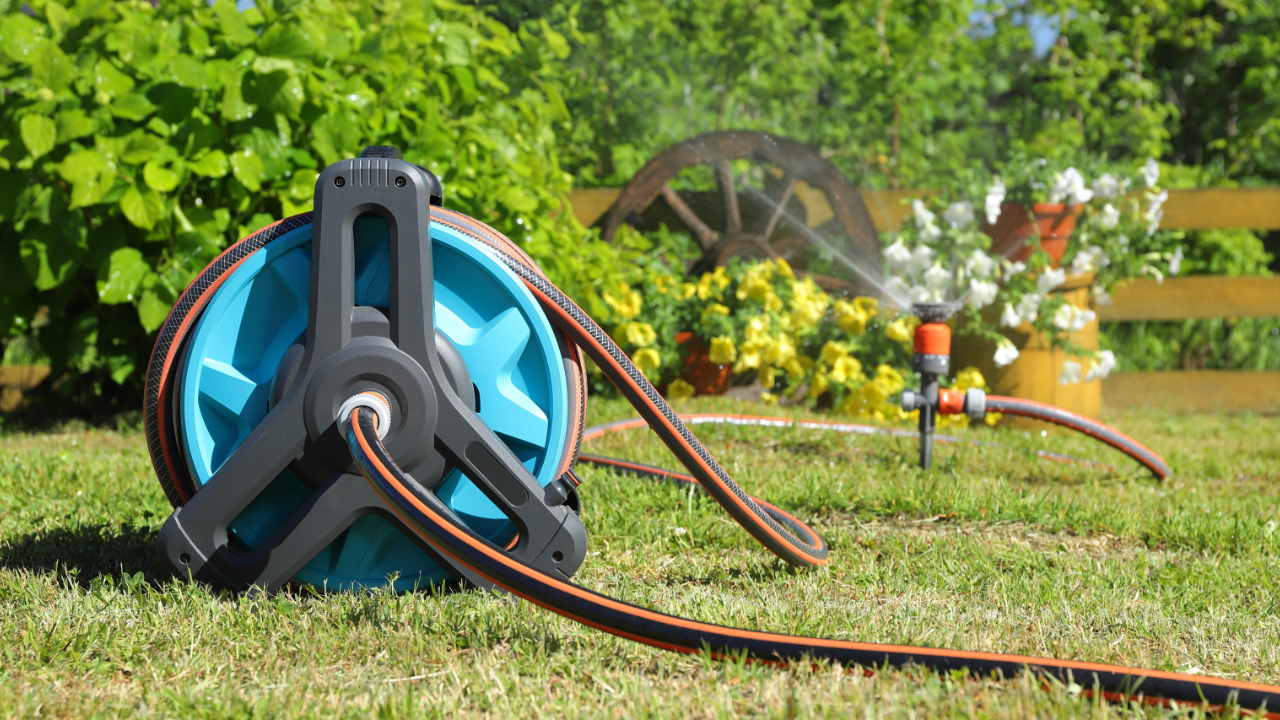
Once a garden hose becomes stiff, cracked, or full of leaks, it’s not worth wrestling with anymore. Old hoses tend to kink constantly, wasting your time and water. Replacing them with something more flexible and reliable can save you plenty of frustration down the road.
Broken Tools You Swear You’ll Fix
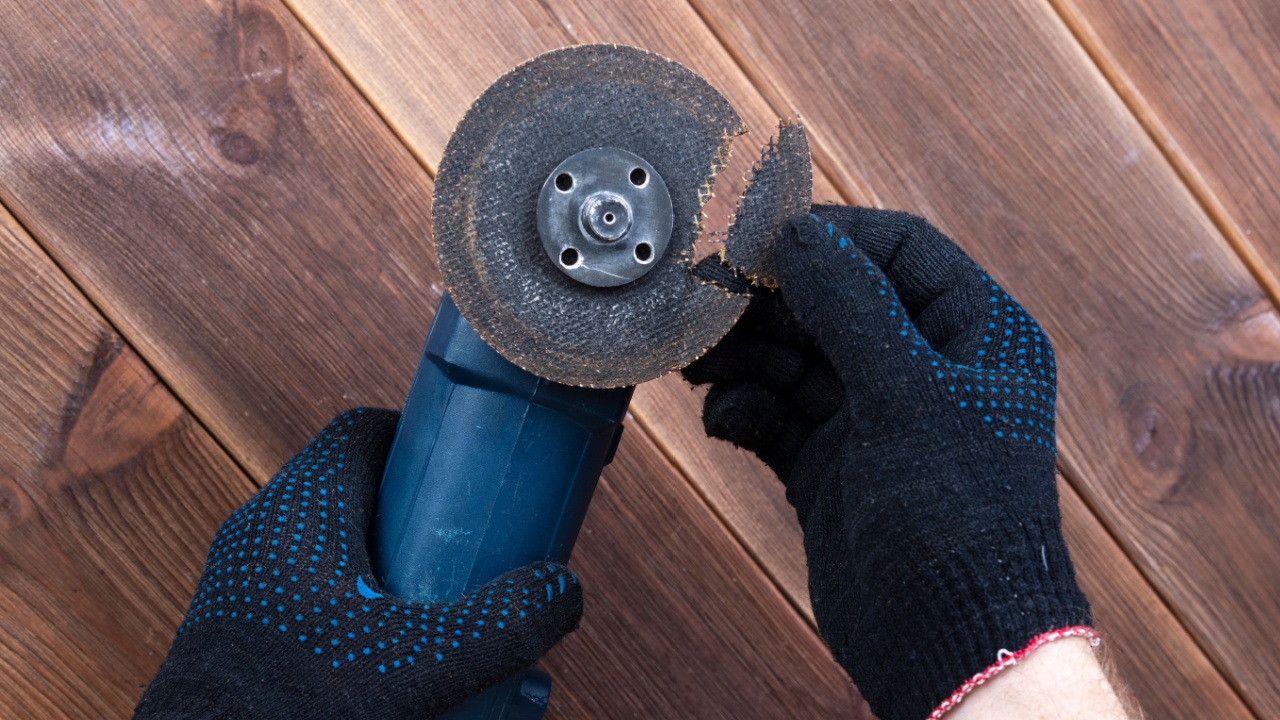
We’ve all kept a power drill or a weed trimmer around, convinced we’ll get it working again someday. But if it’s been collecting dust for a year or more and you haven’t made a move to repair it, it’s probably just taking up valuable space. Unless it’s a tool with serious sentimental value or one that’s hard to replace, it’s time to let it go.
Unlabeled or Mystery Containers
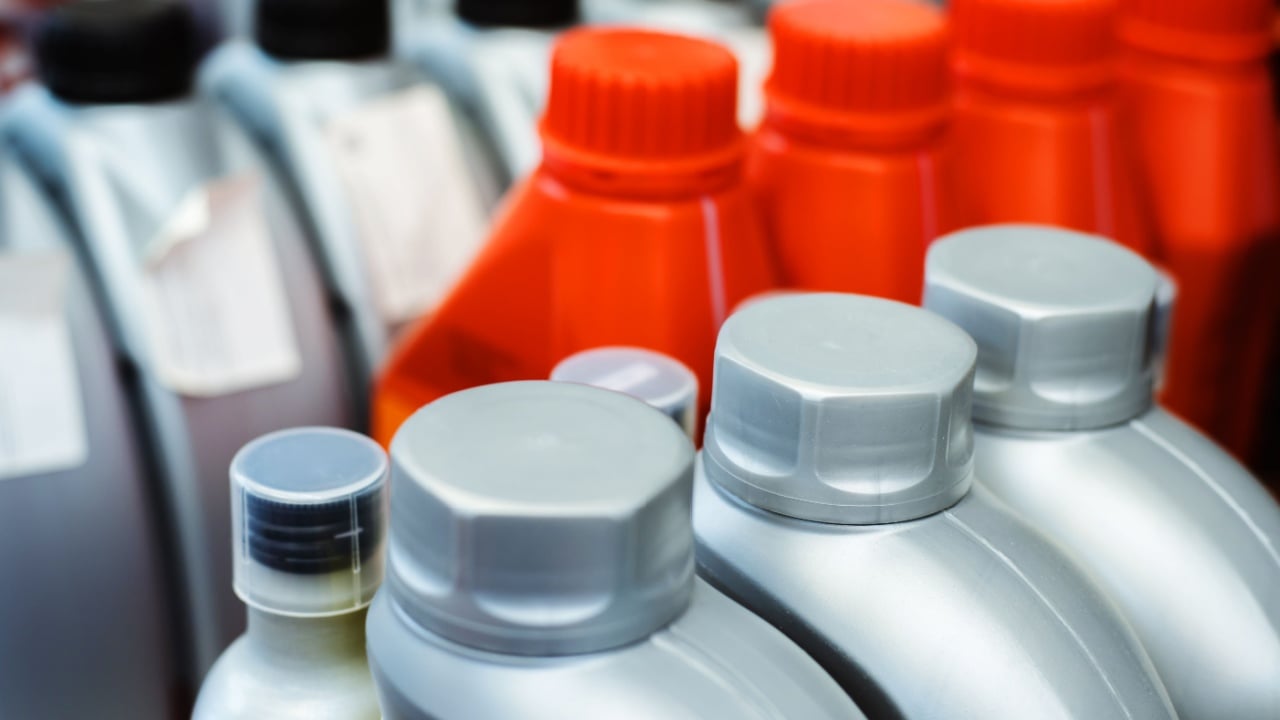
Garages are notorious for collecting half-used bottles of… something. If you’ve got cans or containers with peeling labels or no labels at all, and you can’t say for certain what’s inside, it’s safer to dispose of them. Old automotive fluids, pesticides, and cleaning agents can leak or become hazardous over time.
Rusty Jars of Screws, Nails, and Bolts
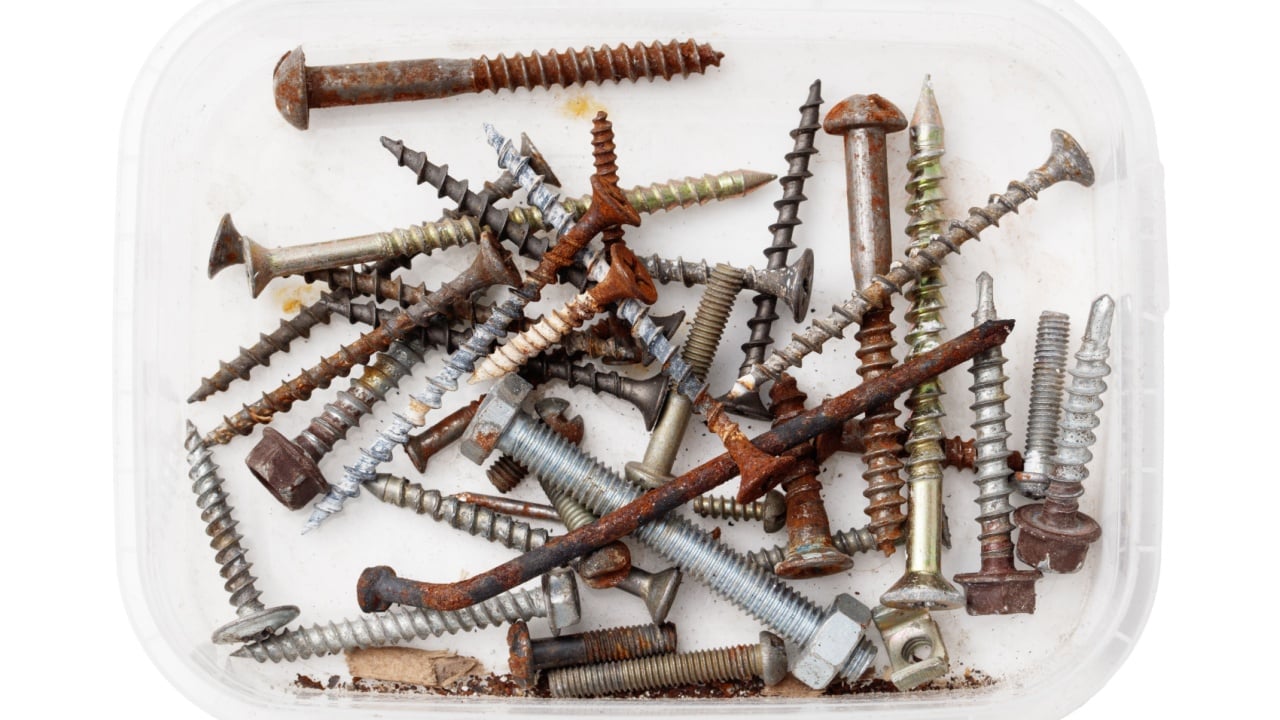
That old coffee tin of fasteners might seem handy, but if most of what’s inside is rusty or mismatched, it’s not doing you any favors. Corroded metal isn’t safe to use in repairs, and rooting through a mess of parts every time you need a screw adds more chaos than convenience. Keep only what’s clean and useful, and recycle the rest.
Outdated Car Seats and Helmets
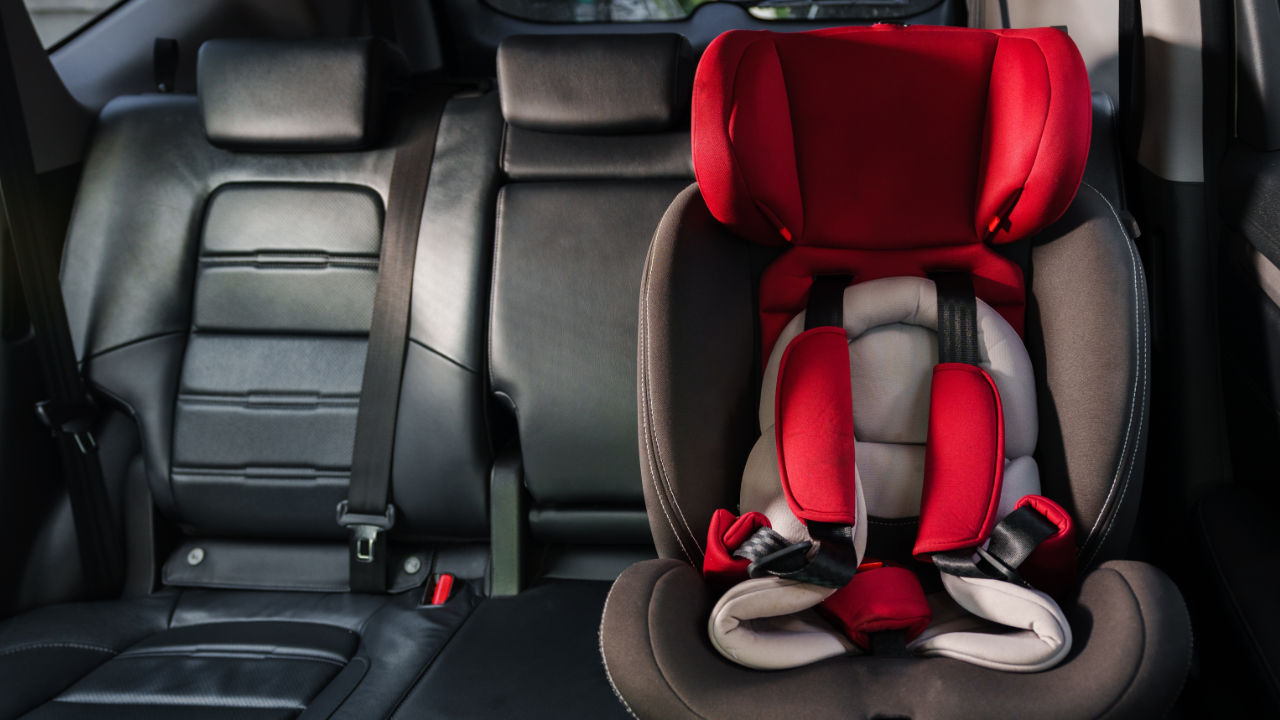
Car seats and bike helmets have expiration dates for good reason: the materials inside them degrade over time, and safety standards evolve. Good Buy Gear shares that expiration dates for car seats are generally between six and 10 years after the seat was manufactured. Take a look at the sticker on the side of the car seat to check your date.
If you or your child had any type of impact with a bike helmet or the padding inside is compressed, it’s time for a new one.
If you’ve got old gear hanging around from your kids’ younger years or your last cycling phase, it’s probably not safe to use anymore. Letting go of outdated safety equipment helps protect you and others from harm.
Leftover Lawn Chemicals
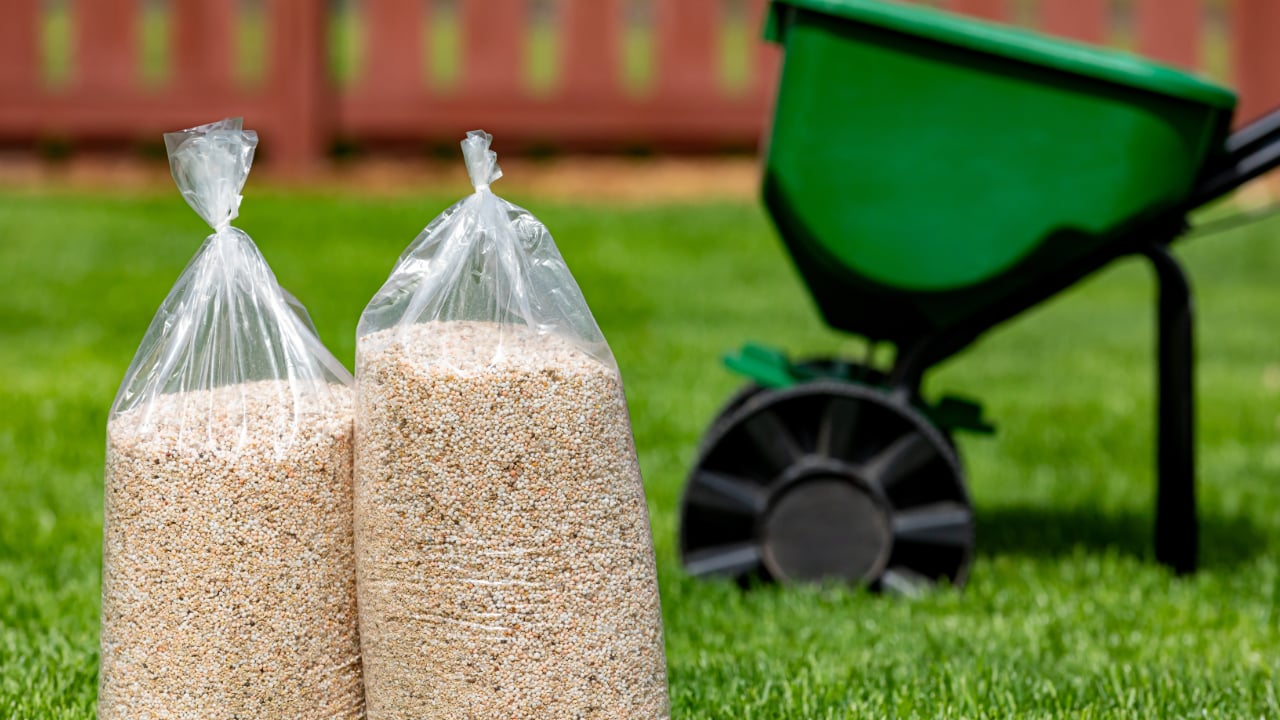
Fertilizer, weed killer, and other lawn products don’t last forever. If the bag is crusty, the label is unreadable, or you can’t remember the last time you used it, it’s probably time to discard it. Old chemicals can clump, spill, or degrade into something ineffective — or worse, unsafe. Check with your local waste management facility for how to safely dispose of them.
Stacks of Empty Boxes
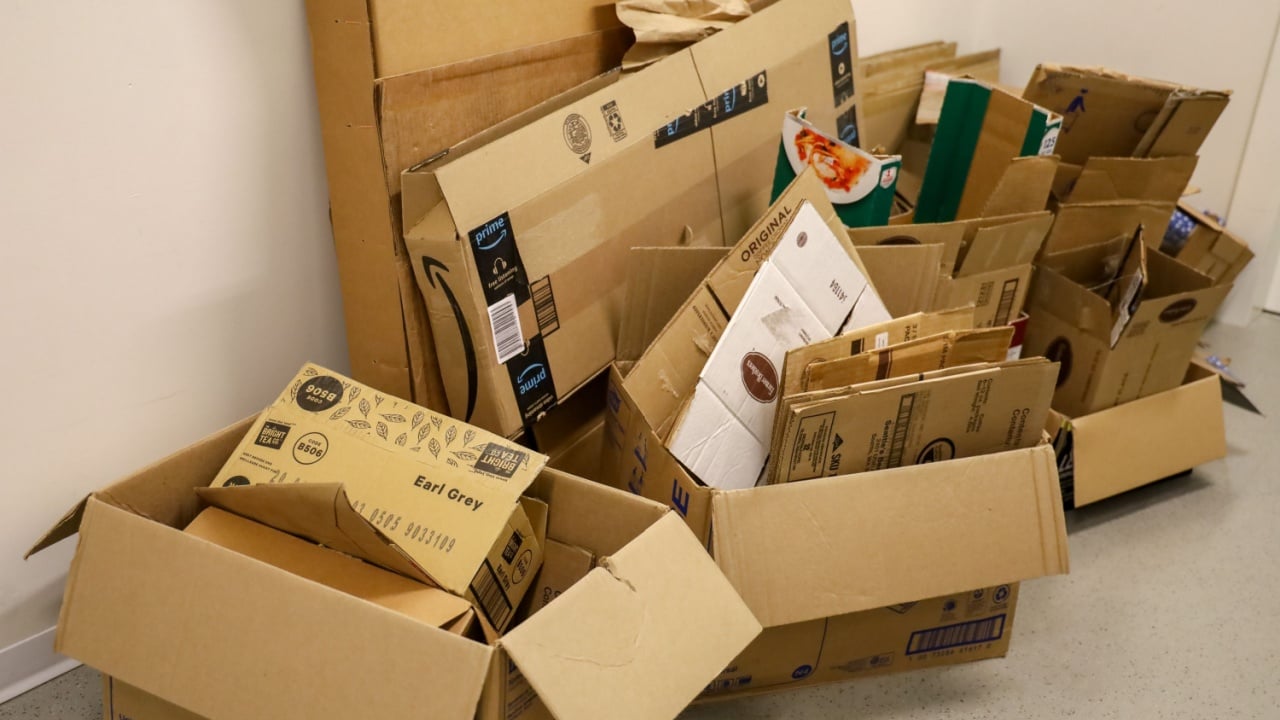
It’s easy to justify holding onto boxes “just in case,” but garages full of old cardboard are a magnet for pests and moisture. Mice love to nest in them, and damp cardboard can lead to mold or damage to anything stored nearby. Breaking them down and recycling them clears space instantly and helps protect the rest of your belongings.
Tires You’ll Never Use Again
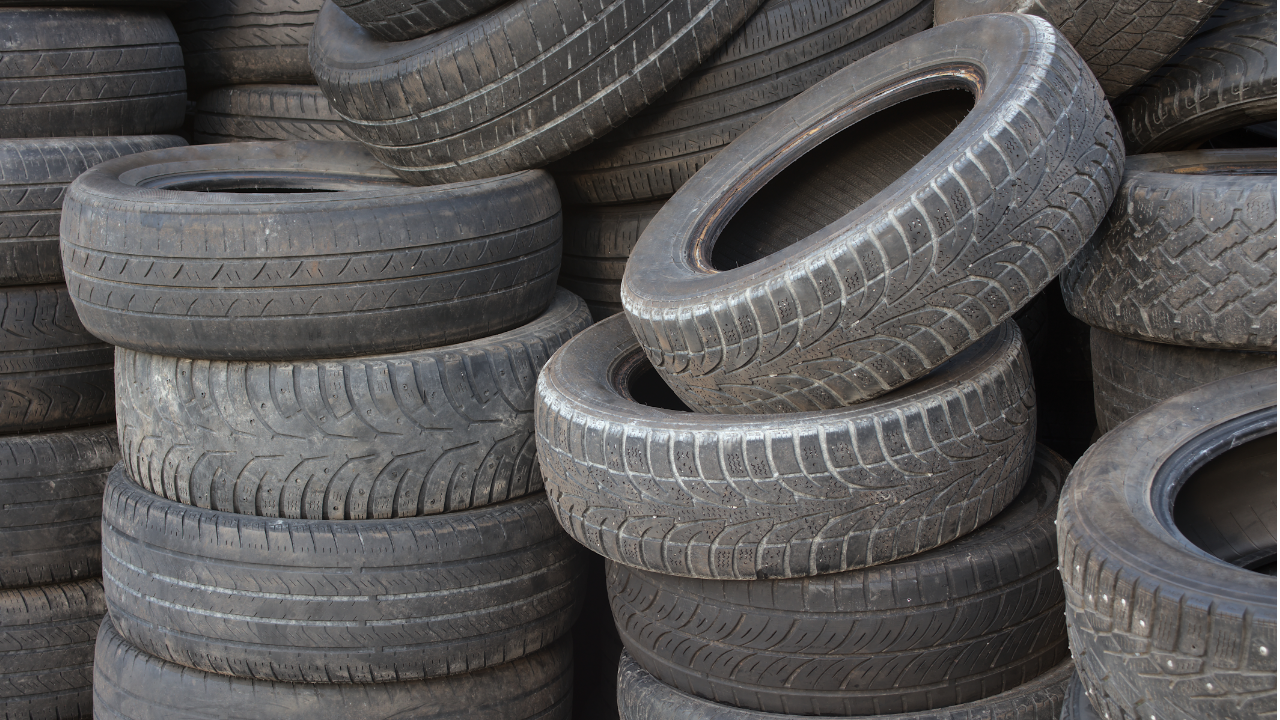
Spare tires from long-gone vehicles, or old sets you’ve been meaning to sell, often sit for years before anyone notices them. But tires degrade with age, even if they’ve never been used. If they’re over six years old or show signs of cracking, they’re no longer safe to drive on. Many tire shops will recycle them for a small fee.
Broken Holiday Decorations
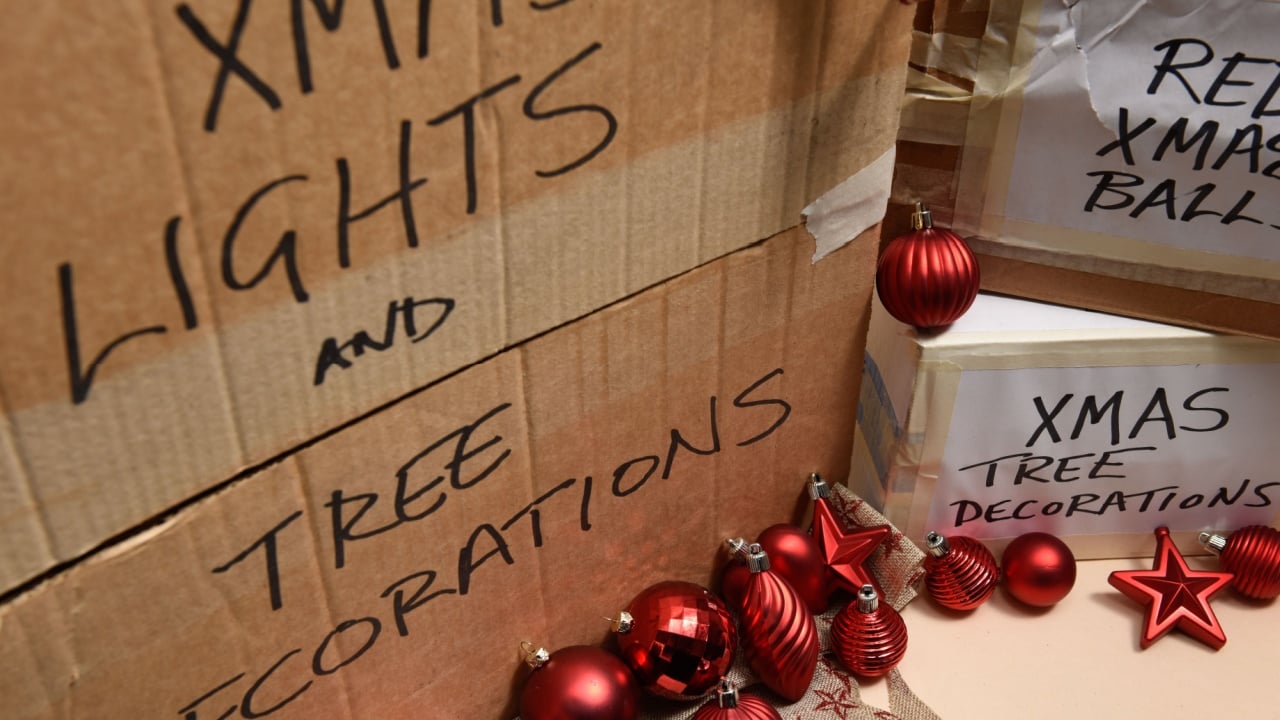
A tangled mess of lights, cracked plastic lawn figures, or pieces of a nativity set with missing parts might be better off retired. If you find yourself skipping over certain items every year during setup, take that as a sign. Clearing them out makes room for new decorations—or just makes things easier to find next season.
Old Car Batteries That Are Just Sitting There
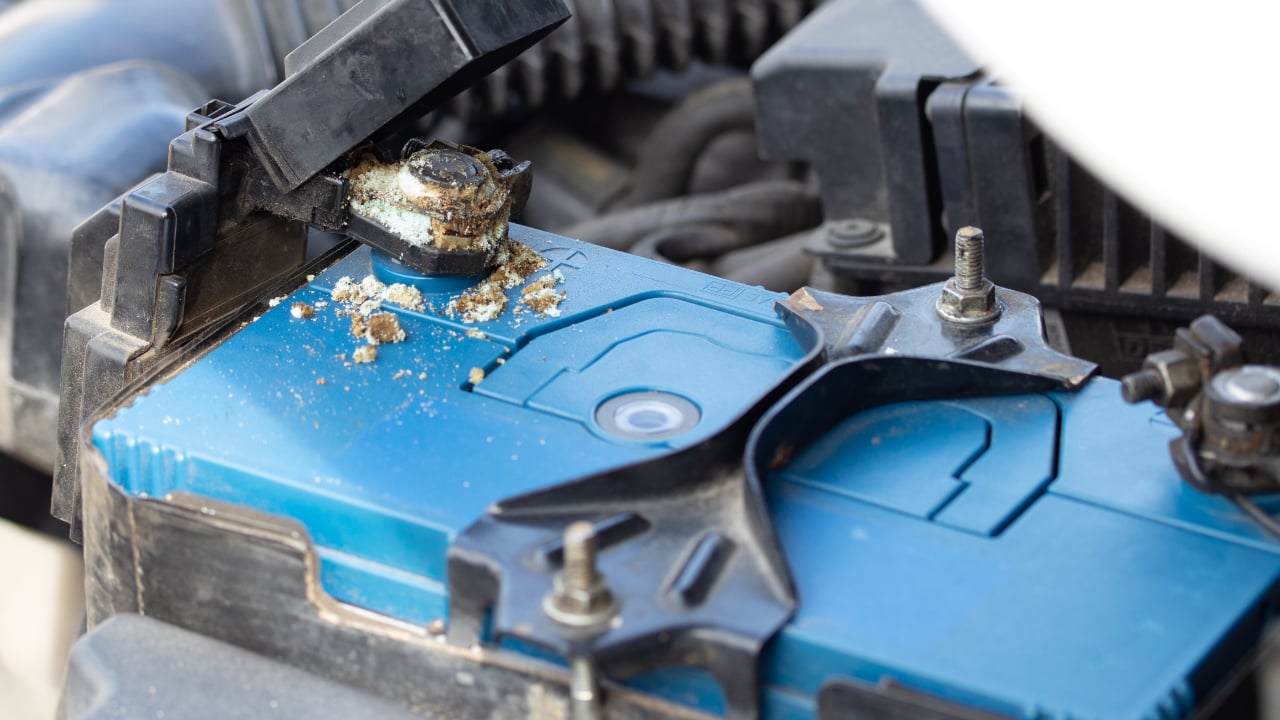
If there’s a dead car battery hiding under a shelf or shoved in a corner, it’s time to let it go. Over time, old batteries can leak acid, corrode nearby surfaces, or even become a safety hazard. Tossing them in the trash isn’t an option, but getting rid of them the right way is easy. Most auto parts stores will take them off your hands for free, and some even offer a credit when you bring one in. If it’s not holding a charge, it’s not worth the space.
Dusty, Outdated Sports Equipment
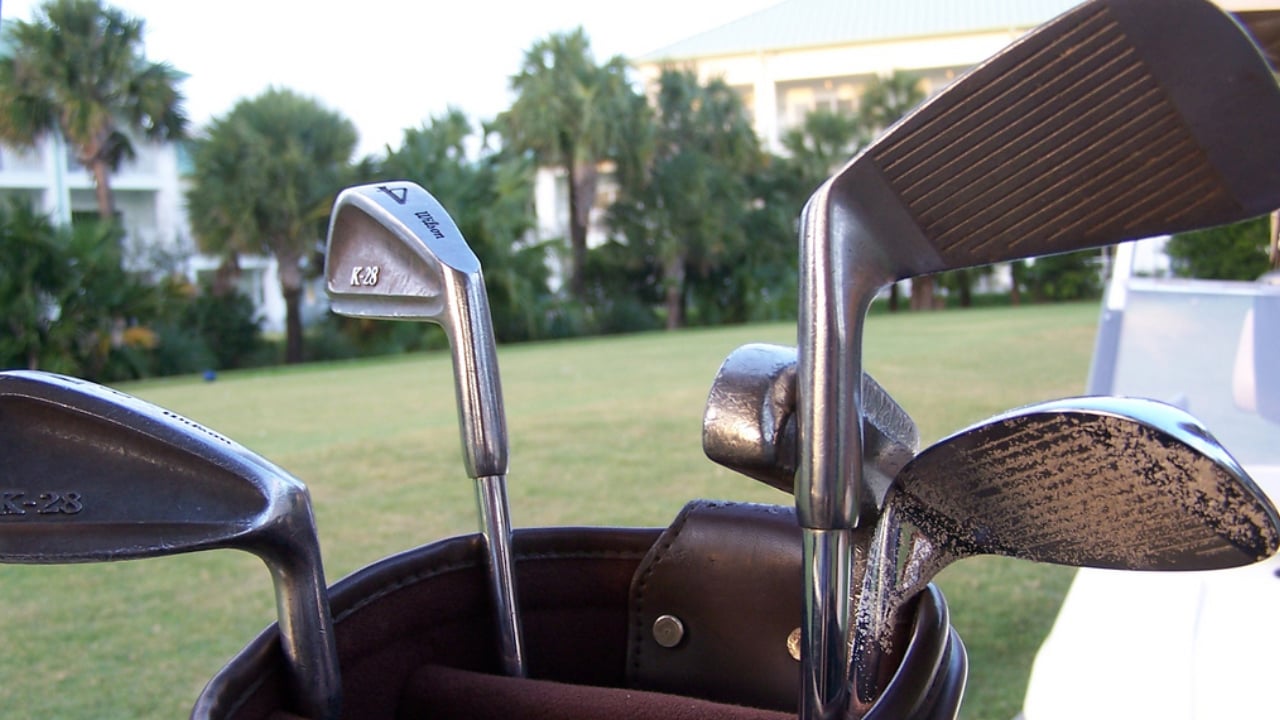
Garages tend to become storage units for old hobbies. If your rollerblades, lacrosse gear, or golf clubs haven’t been touched in years and aren’t in good condition, consider donating or tossing them. You’ll gain floor space and avoid the guilt of holding onto things you no longer use.
Old Car Parts You’ll Never Use Again
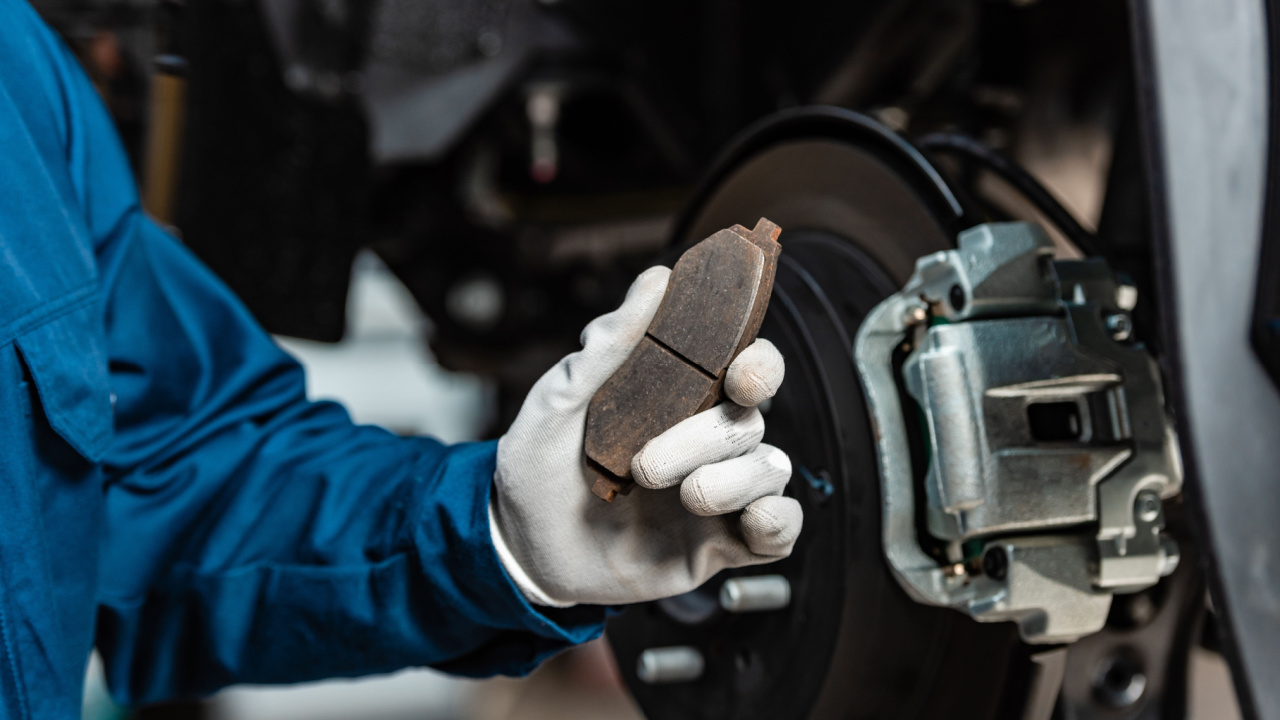
Hanging on to worn-out brake pads, cracked taillights, or that original muffler from a car you sold five years ago? You’re not alone. We car people love to save things “just in case,” but if it’s not compatible with your current vehicle or it’s been rusting in a corner, it’s time to let go. Broken or obsolete car parts don’t just waste space; they can also be a hazard if they’re leaking fluid or attracting pests.
Fluids With No Labels or Questionable Origins
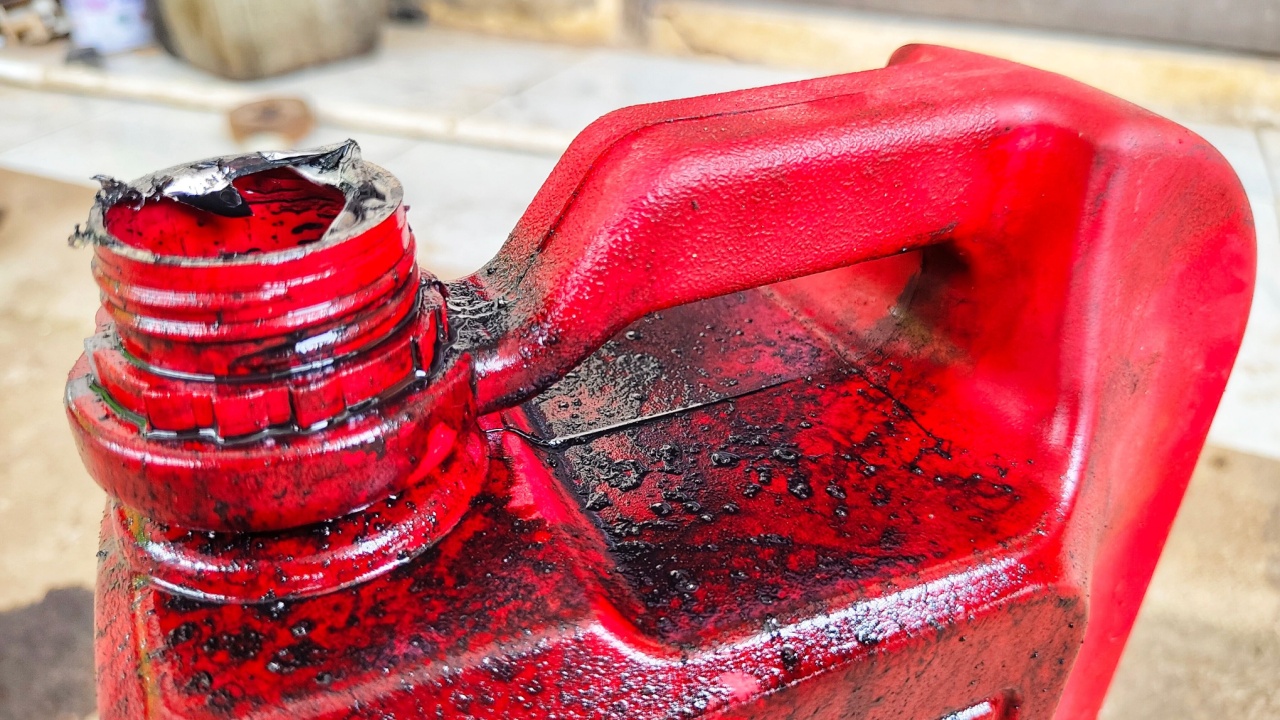
Got a jug of something that might be motor oil or could be transmission fluid from two cars ago? If you can’t confidently ID it, it doesn’t belong near your current ride. Mixing fluids is a recipe for trouble, and storing unknowns can create safety risks. Dispose of them properly and make space for what your car actually needs.
The Someday Stuff

Let’s not forget the ambiguous “I might need this someday” pile: the leftover parts, mystery brackets, and odds and ends you’ve been meaning to organize. If you don’t know what it is or where it goes, and it hasn’t been used in a year or more, it’s probably safe to part with. Trust that when you really need something, you’ll be better off finding it in a tidy, organized space.
Less Clutter, More Calm
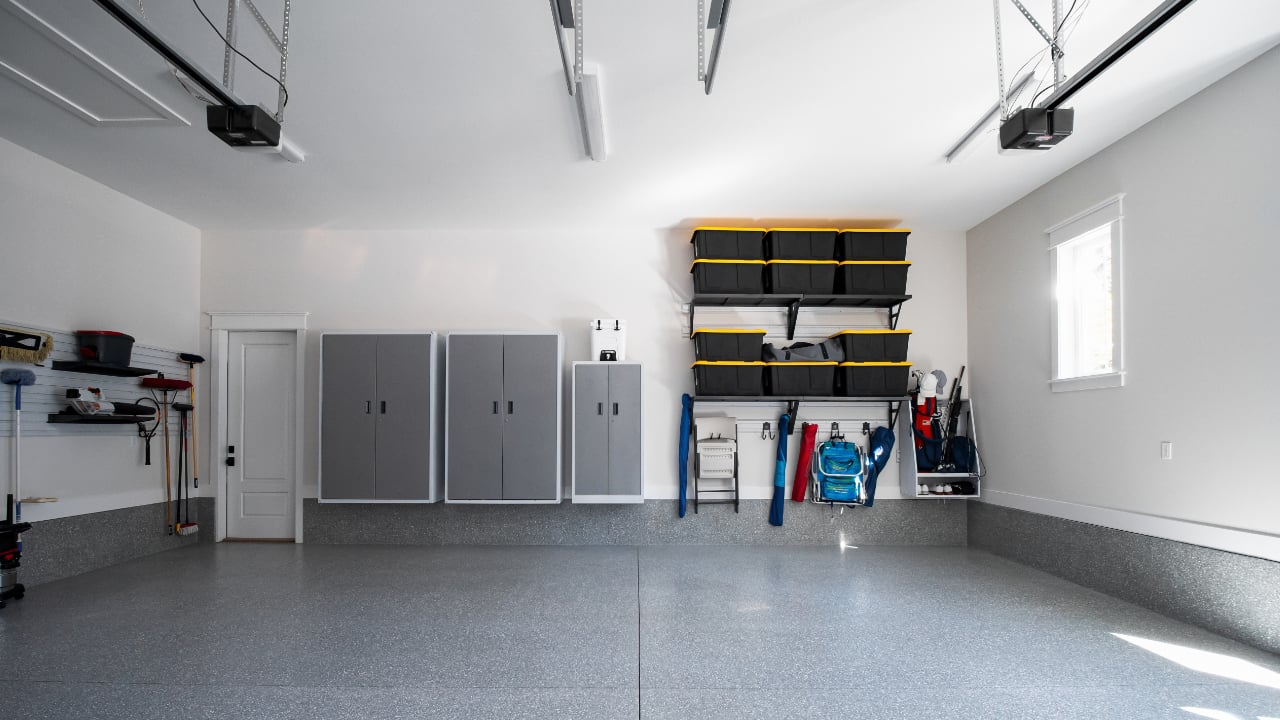
Clearing out your garage isn’t just about getting rid of stuff. It’s about taking control of your space, making it safer, and creating room for the things that actually matter to you—whether that’s parking your car, building a project bench, or just finding your rake when you need it.
And if you’re a car person, a clean garage is a workspace, a showroom, and a sanctuary. When your garage is clear of junk and stocked with what matters, you’ve got more room for weekend detailing, maintenance, or finally tackling that restoration project you’ve been dreaming about.
You don’t have to do it all at once. Start with a single corner or a single shelf. As you let go of what you don’t need, you’ll make space for what you do—and that’s a trade worth making every time.