Hollywood has a love affair with the Ford Mustang that makes most rom-coms look like casual hookups. Since 1964, these pony cars have been stealing scenes, launching careers, and making grown men weep into their popcorn. However, not all movie Mustangs are created equal: some roar into immortality while others limp off screen faster than a rental car with a blown head gasket.
This isn’t just another “cool cars in movies” list thrown together by someone who thinks a Camaro is “basically the same thing.” This ranking comes from a lifetime of obsessing over every exhaust note, every camera angle, and every perfectly timed downshift that made these steel stars legendary.
We’re talking about cars that were more than props. They became characters, icons, and the reason half of us fell in love with American pony cars in the first place.
How This Mustang Movie Ranking Was Built
If you love Mustangs, you probably remember all of these cameos (and starring roles) and have your own opinion on which ones you want to drive yourself and which you think are D-listers at best. So yeah, this ranking is based on my opinion to an extent. But I’ll give you a bit of insight into how my brain works.
Rankings were determined by a scientific blend of screen presence, automotive authenticity, cultural impact, and that indefinable factor that separates movie legends from rolling props. Did the car actually perform its own stunts, or was it all CGI trickery? Did it make you want to sell your reliable daily driver for something with more cylinders and less sense? These factors all mattered.
Technical specs got their due respect, because horsepower numbers matter to Mustang fanatics like us — but screen charisma ultimately ruled the day. A car that looked fantastic but drove like it was powered by hamsters got dinged accordingly. Conversely, a Mustang that could act circles around its human co-stars earned serious bonus points.
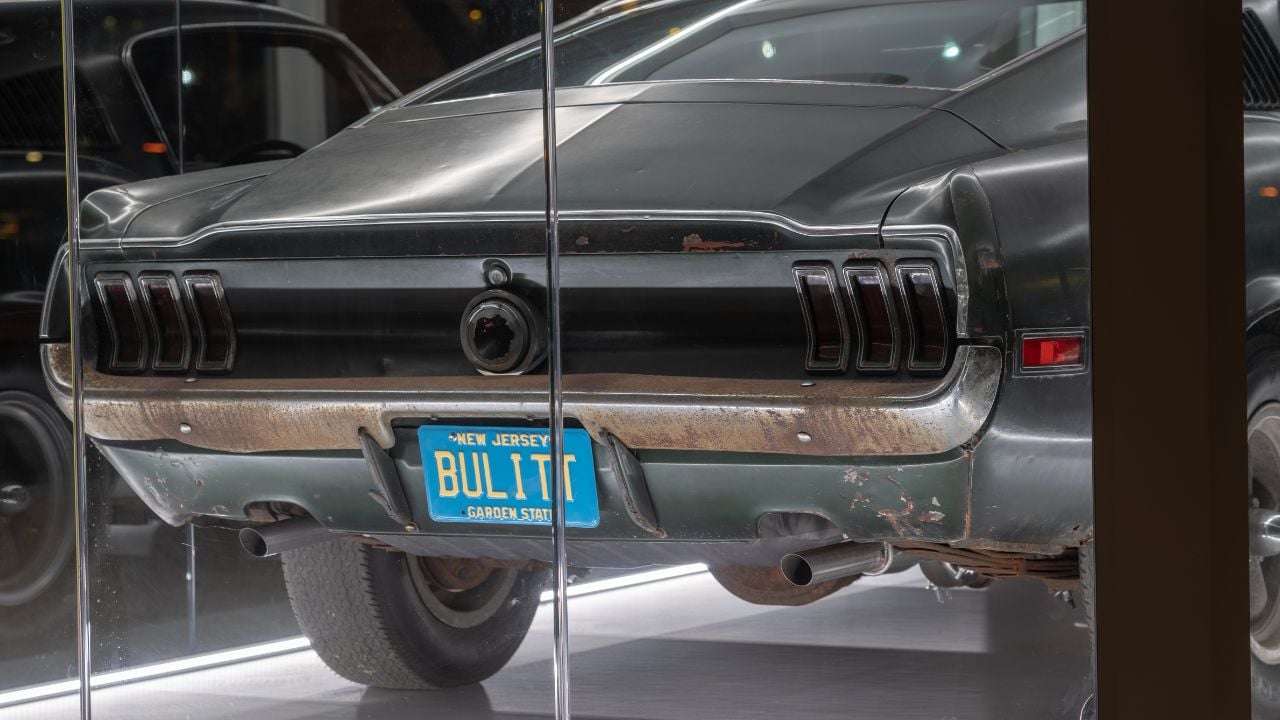
Bullitt – 1968 Mustang GT 390

The Legend: Highland Green perfection
The Performance: 390 cubic inches of Ford big-block fury
The Chase: Ten minutes and fifty-three seconds of automotive poetry
There was never any doubt about first place. The Highland Green 1968 Mustang GT 390 from Bullitt isn’t just the greatest movie Mustang, it’s arguably the greatest movie car of all time. This is the car that taught Hollywood how to film automotive action, and every chase scene since has been measured against it.
The setup was perfect: Steve McQueen, who could actually drive like a professional racer, behind the wheel of a properly spec’d muscle car. The GT 390 Fastback packed Ford’s 390 cubic inch FE big-block V8, good for 325 horsepower and enough torque to twist the Golden Gate Bridge into a pretzel. But the real magic happened when cameras started rolling.
That chase sequence through San Francisco remains unmatched nearly six decades later. No CGI, no obvious stunt doubles, no impossible physics: just two cars, two drivers, and the hills of San Francisco serving as the world’s most dramatic racetrack. The way that Mustang launched over San Francisco’s hills on streets like Filbert, the sound of the 390 echoing off buildings, the perfect weight transfer through every corner… It’s automotive filmmaking at its absolute peak.
The car’s Highland Green paint became iconic, inspiring Ford to offer it as a factory color option decades later. The simple hubcaps, the subtle stance, the purposeful modifications: everything about this Mustang screamed authenticity. It looked like a car a real cop might drive, not a Hollywood prop.
But what truly sets the Bullitt Mustang apart is its restraint. In an era of increasingly flashy movie cars, it remained focused on being a great driving machine first and a movie star second. The performance spoke for itself, the character earned respect through action rather than appearance, and the legacy continues to inspire enthusiasts today.
The hero Bullitt Mustang stayed in private hands after filming. McQueen tried to buy it but never owned it, and it sold at auction for $3.4 million in 2020. That’s not just collectible car money, that’s art money. It’s the price you pay for automotive immortality.
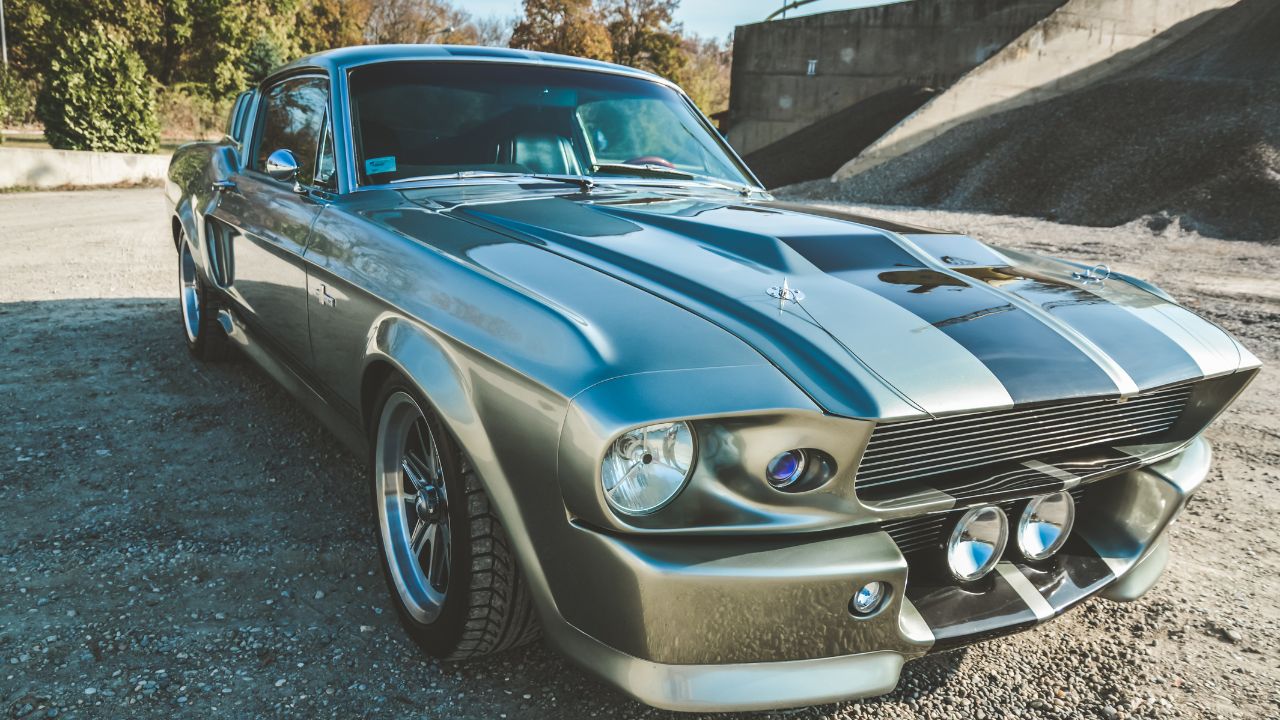
Gone in 60 Seconds – 1967 Ford Mustang Fastback (Shelby GT500 Styled) as Eleanor

The Star: Pepper Gray perfection
The Performance: 400+ HP of modified madness
The Legacy: Single-handedly responsible for GT500 price inflation
Eleanor isn’t just a car: she’s a phenomenon. This modified 1967 Mustang fastback, styled as a Shelby GT500, became the most recognizable movie Mustang ever, spawning countless replicas and driving Eleanor clone culture into the stratosphere. The movie built Eleanor into a character as important as any human in the cast, and it worked perfectly.
The car’s modifications were extensive: a modern fuel-injected 351 Windsor V8, upgraded suspension, custom bodywork, and that distinctive Pepper Gray paint scheme. The result was a classic Shelby that could actually perform like a modern sports car, combining vintage style with contemporary capability.
Every scene featuring Eleanor was pure automotive fantasy. The way cameras lingered on her curves, the careful choreography of her escape sequences, the reverent way Nicolas Cage’s character spoke about her, it all contributed to creating a genuine movie star that happened to have four wheels.
The movie’s greatest achievement was making car theft look glamorous without glorifying actual crime. Eleanor became aspirational rather than criminal, inspiring a generation of builders to create their own versions. The aftermarket industry still profits from Eleanor fever two decades later.
But here’s what really made Eleanor special: she felt attainable. Unlike exotic supercars, a motivated enthusiast could actually build their own Eleanor. That accessibility, combined with timeless styling and serious performance, created a perfect storm of automotive desire.
Diamonds Are Forever – 1971 Mustang Mach 1

The Setup: James Bond trades his Aston Martin for Detroit iron
The Stunt: The impossible two-wheel alley escape
The Style: Bright Red paint that screamed 1970s excess
James Bond behind the wheel of a Mustang should have been automotive heresy. Instead, it was pure magic. The 1971 Mach 1 represented American muscle at its most flamboyant: all hood scoops, racing stripes, and attitude. It was the perfect car for Las Vegas, and the perfect foil for Bond’s usual British refinement.
This particular Mach 1 packed Ford’s 351 Cleveland V8, good for around 285 horsepower in 1971’s emission-strangled world. Not earth-shattering by today’s standards, but plenty to light up the rear tires in dramatic fashion. The car’s real party trick, though, was that legendary alley chase sequence.
You know the one: Bond threading the Mustang through an impossibly narrow alley, tilting onto two wheels to squeeze through. It’s a stunt that shouldn’t work, the physics are questionable at best, but it’s so perfectly executed that you don’t care. The fact that they did it practically, with real cars and real stunt drivers, makes it even more impressive.
The Mach 1’s bold styling perfectly matched the movie’s over-the-top Vegas setting. This was peak early-’70s automotive design: aggressive, unapologetic, and absolutely impossible to ignore. It proved that Bond could look just as cool in American muscle as he did in British elegance.
John Wick – 1969 Mustang Mach 1 (Boss 429 Styled)

The Beast: 429 cubic inches of NASCAR-bred fury
The Legend: Only 1,359 ever made
The Reality: Probably the most valuable movie car on this list
John Wick’s Boss 429 might have limited screen time, but it packs more menace per minute than most cars manage in entire movies. This isn’t just any Mustang; it’s one of Ford’s legendary “semi-hemi” muscle cars, originally built to qualify the 429 engine for NASCAR competition.
The Boss 429 was Ford’s answer to Chrysler’s 426 Hemi, featuring massive ports, enormous valves, and enough low-end torque to twist the Earth off its axis. Ford stuffed this NASCAR engine into the Mustang’s engine bay with a shoehorn and a prayer, creating one of the most fearsome muscle cars ever built.
In the movie, it represents everything John Wick lost, and everything he’s willing to demolish to get back. The car doesn’t need to talk; its presence speaks volumes. When Iosef Tarasov and his crew broke into Wick’s garage and put their hands on this automotive masterpiece, every gearhead in the audience felt that violation personally.
These cars are worth serious money today, we’re talking six-figure sums for decent examples. That said, the cars used in the movie weren’t real Boss 429s; they were modified Mach 1 Mustangs.
Need for Speed – 2013 Shelby GT500 as Super Snake
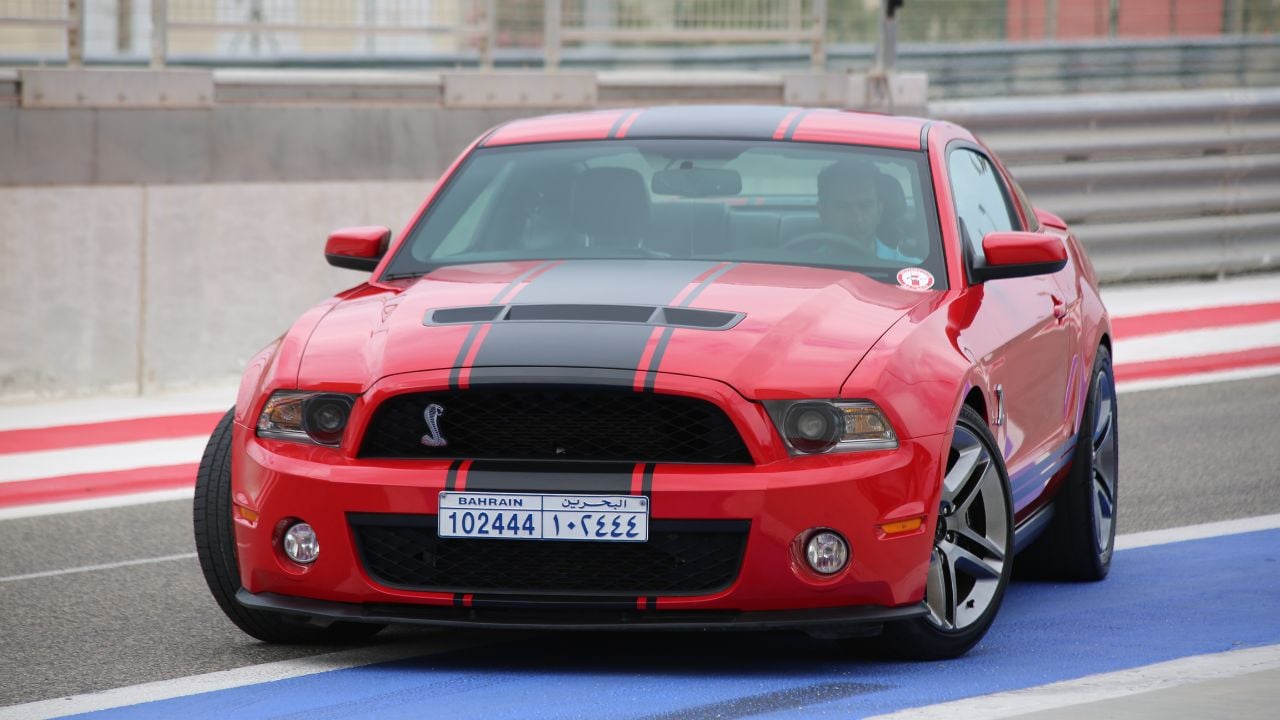
The Numbers: 662 hp stock for a 2013 Shelby GT500, with the film claiming higher numbers for drama
The Speed: 0-60 in 3.5 seconds (allegedly)
The Problem: CGI can’t replicate the smell of burnt rubber
The Need for Speed movie had one job: make fast cars look fast. Mission accomplished, sort of. The Super Snake was an absolute monster on paper, Shelby American’s hottest version of the already-potent GT500, with enough power to challenge supercars costing three times as much.
This wasn’t just any GT500. The Super Snake package added a bigger supercharger, upgraded internals, and enough attitude to intimidate a Viper. The result was a car that could theoretically run with Ferraris and Lamborghinis, wrapped in classic American muscle styling.
The movie showcased this beautifully with sweeping desert shots and high-speed chase sequences that looked absolutely spectacular. The problem? Too much of it was computer-generated. When you’re dealing with a car this special, practical effects matter. Real tire smoke, real engine noise, real physics, these things separate great car movies from pretty video games.
Still, watching that Super Snake launch across desert highways was genuinely breathtaking, even if some of the physics defied reality. Sometimes spectacle is enough.
Tokyo Drift – 1967 Mustang Fastback (RB26-swapped)

The Controversy: Nissan heart, Ford soul
The Reality: A custom RB26 setup with a single turbo in the hero build, making roughly 340 wheel horsepower
The Verdict: Sacrilege that somehow works
This is where things get spicy. Some purists saw this RB26-swapped ’67 Fastback and immediately reached for their pitchforks. A Japanese engine in an American icon? The horror! But here’s the thing: it actually worked, both cinematically and mechanically.
The RB26DETT twin-turbo inline-six from the Nissan Skyline GT-R is no slouch. It’s the engine that gave the R32, R33, and R34 GT-Rs their legendary status, and it’s been the darling of tuners worldwide for decades. Swapping one into a classic Mustang created something genuinely unique: a car that could drift with the best of them while maintaining that unmistakable Fastback silhouette.
The movie used this Mustang to represent the clash between American muscle and Japanese precision, and it worked beautifully on screen. Watching it slide sideways through Tokyo’s mountain passes was genuinely thrilling, even if it made some Ford fanboys cry into their Budweisers.
Plus, let’s be honest, the original 289 V8 in that ’67 would have been pushing maybe 200 horsepower on a good day. The RB26 brought serious power and the ability to actually keep up with the film’s JDM heroes. Sometimes progress requires sacrifice.
I Am Legend – 2007 Shelby GT500
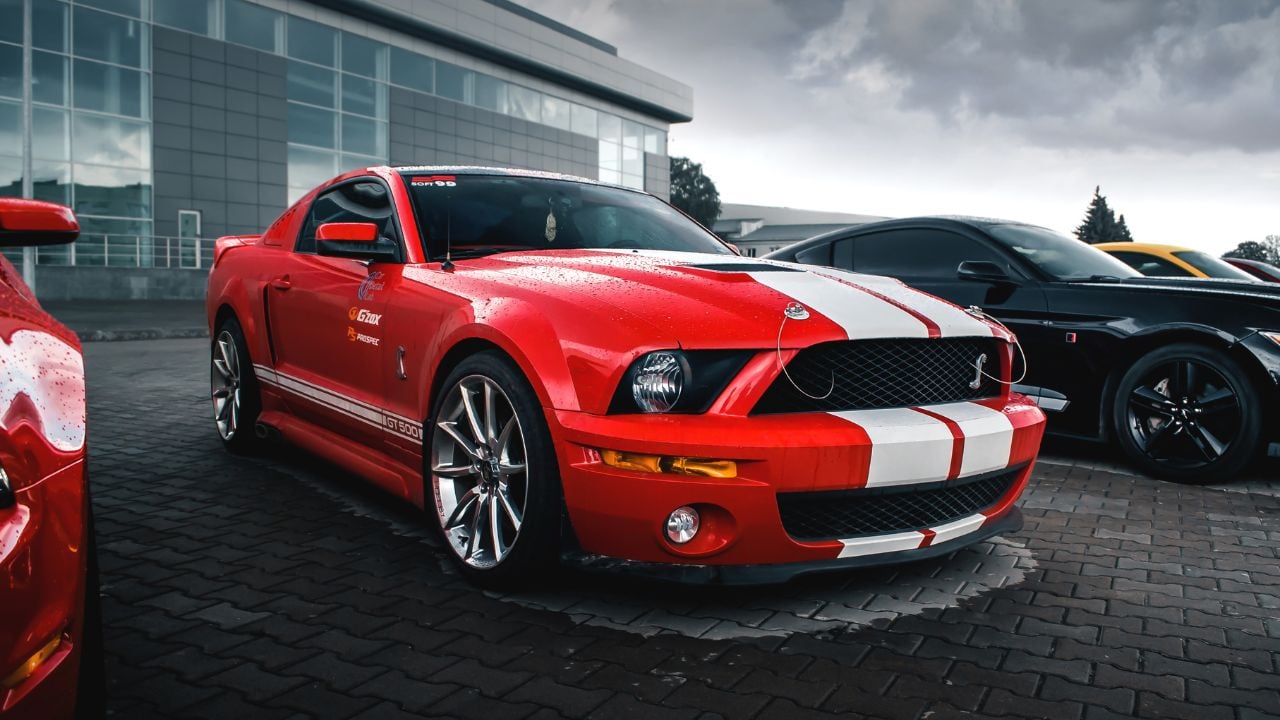
The Performance: 500 hp, 480 lb-ft torque, 0-60 in about 4.3 to 4.5 seconds
The Problem: Hard to appreciate acceleration when you’re the only car on Earth
The Irony: Perfect condition Shelby in a world where gas stations are graveyards
Will Smith’s character had the entire island of Manhattan to himself and chose to drive a Torch Red Shelby GT500 with white stripes. Smart man. This snake-badged beauty represented the pinnacle of mid-2000s American muscle, with a hand-built 5.4L supercharged V8 that could wake the dead… which, in this movie, was actually a problem.
The GT500 looked absolutely stunning in its post-apocalyptic photo shoots, gleaming against the backdrop of an overgrown New York City. But here’s the rub: it barely got to stretch its legs. Most of its screen time involved sitting pretty while Smith’s character brooded about the end of humanity. It’s like casting Scarlett Johansson and only filming her feet.
The real tragedy? In a world without speed limits, traffic laws, or other drivers, this Shelby still couldn’t get a proper chase scene. That’s not just bad filmmaking, that’s automotive blasphemy.
Knight Rider 2008 – Ford Mustang GT500KR as KITT
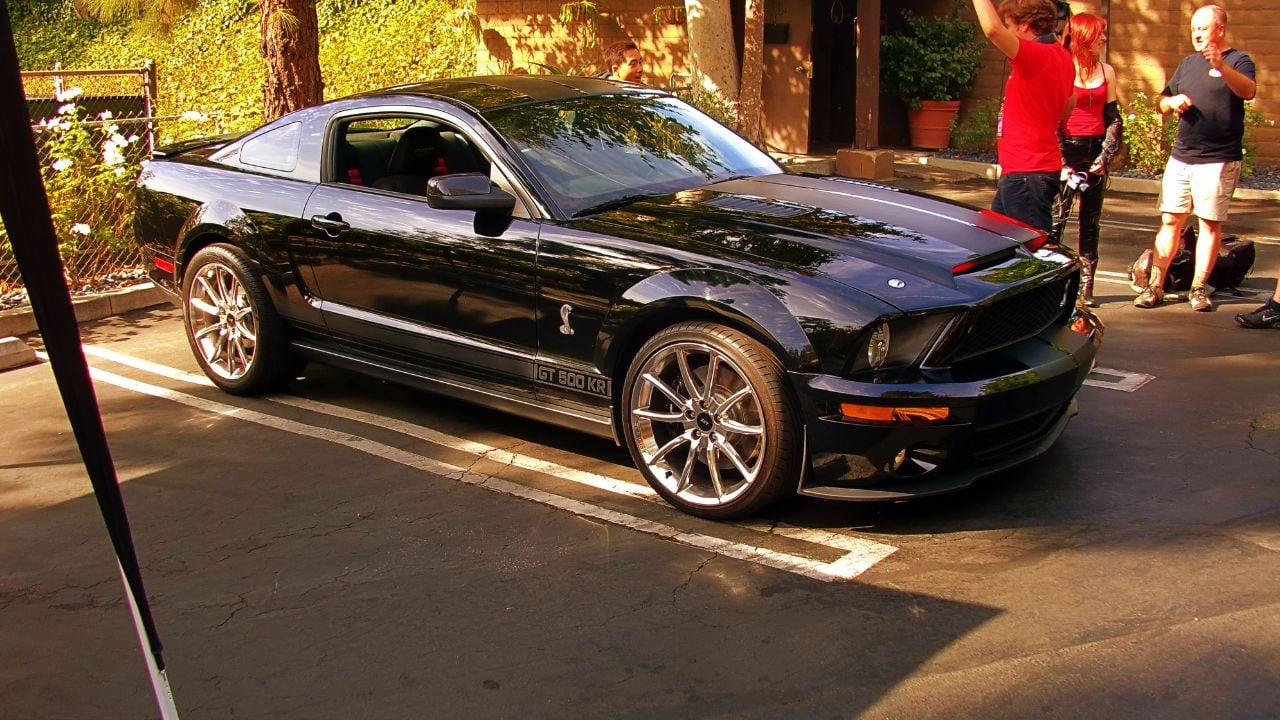
The Good: A legitimate GT500KR with 540 horsepower and enough tech to make a Tesla jealous
The Bad: Everything else about this show’s existence
The Ugly: Watching childhood memories die in real time
Oh, how the mighty have fallen. The original KITT was a Trans Am that could jump buildings and make David Hasselhoff look cool, no small feat. This 2008 reboot tried to capture that magic with a Mustang GT500KR that packed serious hardware: a supercharged 5.4L V8, advanced traction control, and enough computing power to run NASA.
Unfortunately, the show had all the charm of a Windows Vista update. The Mustang looked appropriately menacing in Ebony Black, and the red scanner bar was a nice nod to the original, but it couldn’t overcome scripts that read like they were written by a caffeinated intern with a deadline. The car spent more time talking than driving, which is like having a Ferrari and only using it to check your email.
About 1,000 GT500KRs were built for 2008, with 2009 adding roughly 712 more, still making it one of the rarer modern Shelby Mustangs used as a movie or TV hero car.
Mustangs Leave Tracks Wherever They Go
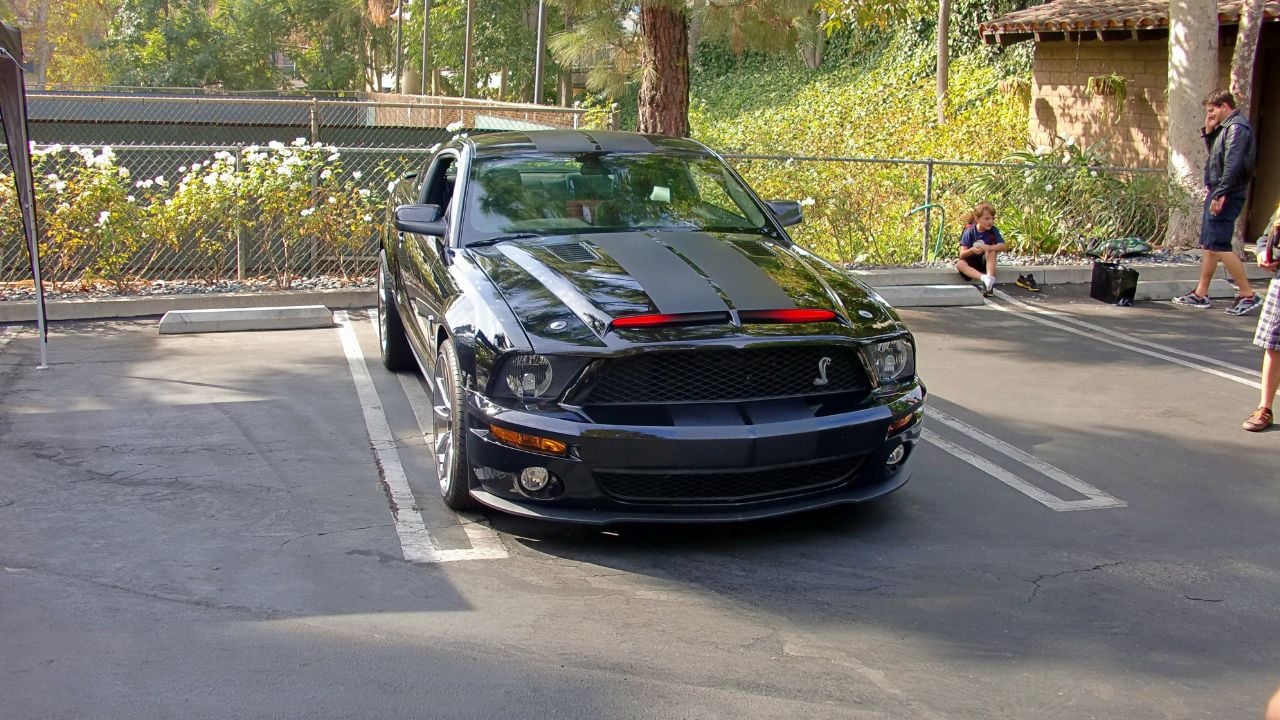
Loud, powerful, and beautiful, it’s no wonder that every time Mustangs are in movies, they steal every scene they’re in. At least for those of us who appreciate American cars at their finest. These eight Mustangs represent more than just product placement or automotive eye candy. They’re cultural touchstones that shaped how we think about American performance cars. They proved that muscle cars could be characters, not just transportation. They showed Hollywood that car enthusiasts would pay attention to details like engine sounds, gear changes, and proper tire compound selection.
Most importantly, they inspired generations of gearheads to wrench on their own cars, chase their own automotive dreams, and understand that sometimes the journey really is more important than the destination. Every time a teenager saves up to buy their first Mustang, every time an enthusiast spends a weekend in the garage chasing that perfect exhaust note, every time someone feels their pulse quicken at the sound of a V8 coming to life, that’s the real legacy of these movie stars.
Rankings may change, opinions will vary, and new movies will bring new contenders. But these eight Mustangs earned their place in automotive history the hard way: one perfect downshift at a time.