
The 1960s were a golden age for automotive design, when chrome was abundant, horsepower was king, and style mattered just as much as substance. This was the decade that gave us muscle cars, British roadsters, and Italian exotics that still turn heads today.
Whether it was Detroit’s obsession with making everything bigger and faster or Europe’s dedication to sleek sophistication, automakers were firing on all cylinders. These were dreams on wheels that captured the optimism and rebellion of the era—very, very stylish dreams.
Walking through a classic car show today, it’s still the 1960s models that draw the biggest crowds and command the most respect.
1961 Jaguar E-Type

The Jaguar E-Type is often credited with a famous compliment attributed to Enzo Ferrari, but the quote is secondhand and not confirmed from a recorded interview or public statement. The E-Type combined stunning curves with genuine performance, with period claims and tests typically placing top speed in the mid-140 mph range and, in some cases, around 150 mph under ideal conditions.
It proved that British engineering could match Italian style, and it did so at a fraction of the price of comparable exotics.
1963 Chevrolet Corvette Sting Ray

The C2 Corvette completely reimagined America’s sports car, and the 1963 coupe in particular is famous for its split rear window, used for 1963 only, plus concealed headlights. Designer Bill Mitchell drew inspiration from a mako shark, and it shows in every aggressive line.
This generation turned the Corvette from a pretty cruiser into a legitimate performance machine that could hang with European competitors.
1966 Ford Mustang

Lee Iacocca’s brainchild created an entirely new category, the pony car, and sold more than 418,000 units in its first year (1964). The Mustang’s genius was offering sporty looks at an affordable price, with enough options to satisfy everyone from secretaries to racers.
It made performance accessible to average Americans, not just the wealthy or the mechanically inclined.
1966 Lamborghini Miura

The Miura helped define the modern supercar formula, becoming an early high-performance production road car to popularize a rear mid-engine layout with a V12 behind the driver. Its wedge shape and distinctive eyelashes around the headlights made it look fast even when standing still.
Driving one was described as more of an occasion than simple transportation, and that mid-engine layout influenced decades of exotic car design.
1967 Chevrolet Camaro

Chevy’s response to the Mustang arrived fashionably late but made an immediate impact with its longer hood and more aggressive stance. The first-generation Camaro offered everything from economical six-cylinders to fire-breathing V8s like the legendary Z/28.
It brought a harder edge to the pony car segment and spawned one of the most enduring rivalries in automotive history.
1968 Dodge Charger

With its recessed grille and fastback roofline, the second-generation Charger looked like it was doing 100 mph while parked. The R/T version packed a 440 Magnum or the legendary 426 Hemi, making it one of the most powerful cars you could buy.
Hollywood loved it too, with the 1969 Charger later becoming the star car of The Dukes of Hazzard and the model appearing in countless chase scenes.
1969 Chevrolet Camaro ZL1
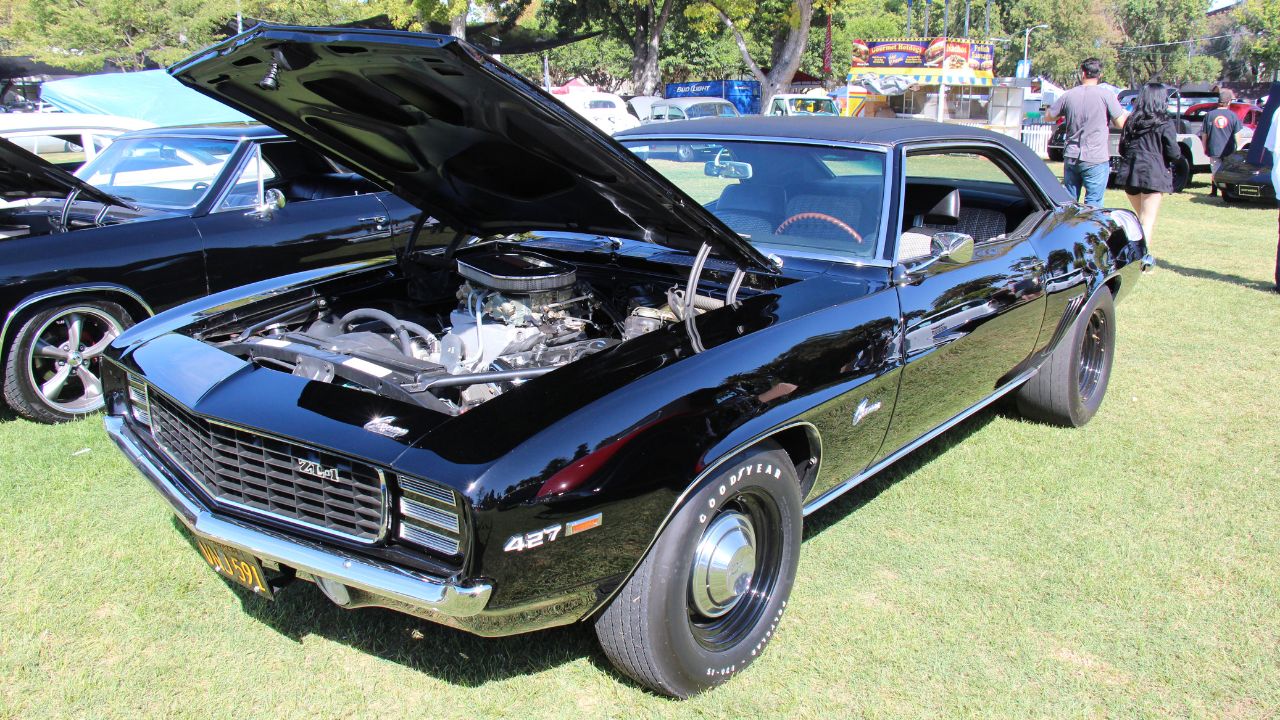
Only 69 of these aluminum-block monsters were built, making them rarer than most Ferraris. The ZL1’s all-aluminum 427 engine was designed for racing and officially made around 430 horsepower, though the real number was probably higher.
Chevrolet barely advertised them because they were so expensive and purpose-built, but those who knew, knew.
1964 Pontiac GTO
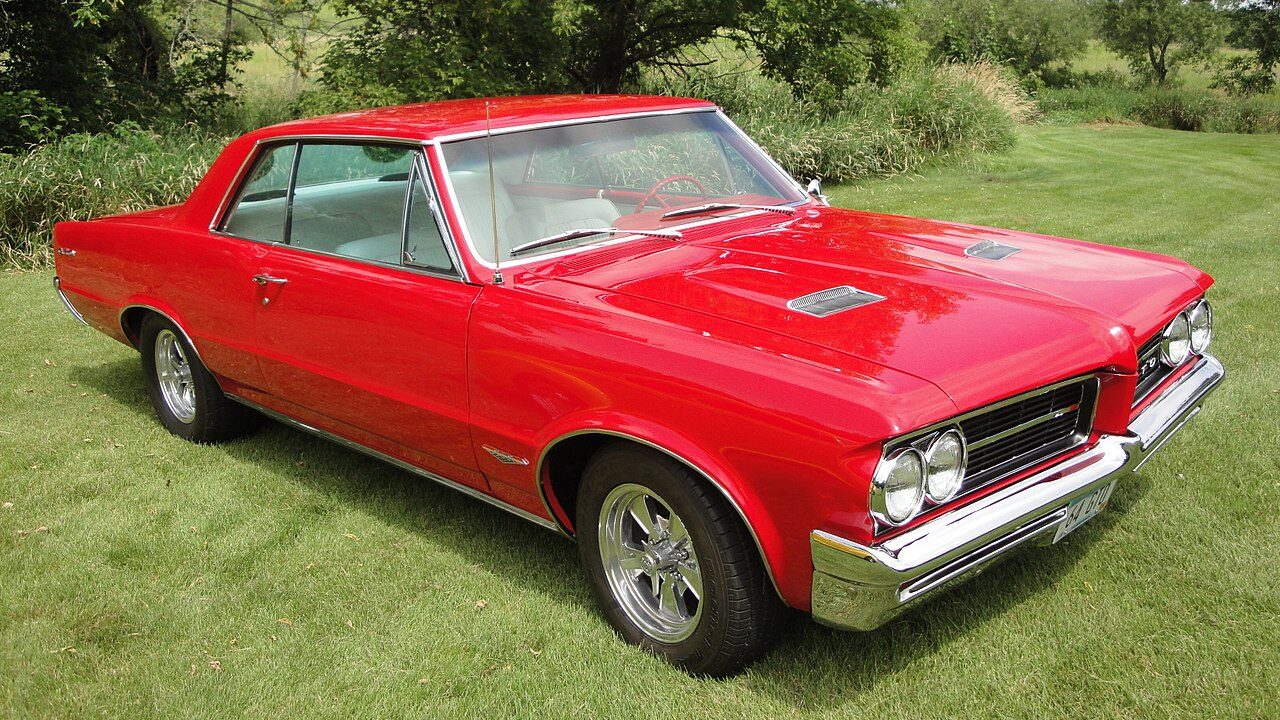
Often credited as an early muscle car template, the GTO was Pontiac’s end run around a GM policy that limited engine displacement in intermediate-size cars, achieved by offering the big engine as part of an option package. Engineer John DeLorean stuffed a big 389 V8 into a mid-size Tempest body, creating an affordable performance formula that would define the era.
It sold way beyond expectations and forced every other manufacturer to create their own muscle car.
1965 Shelby Cobra 427
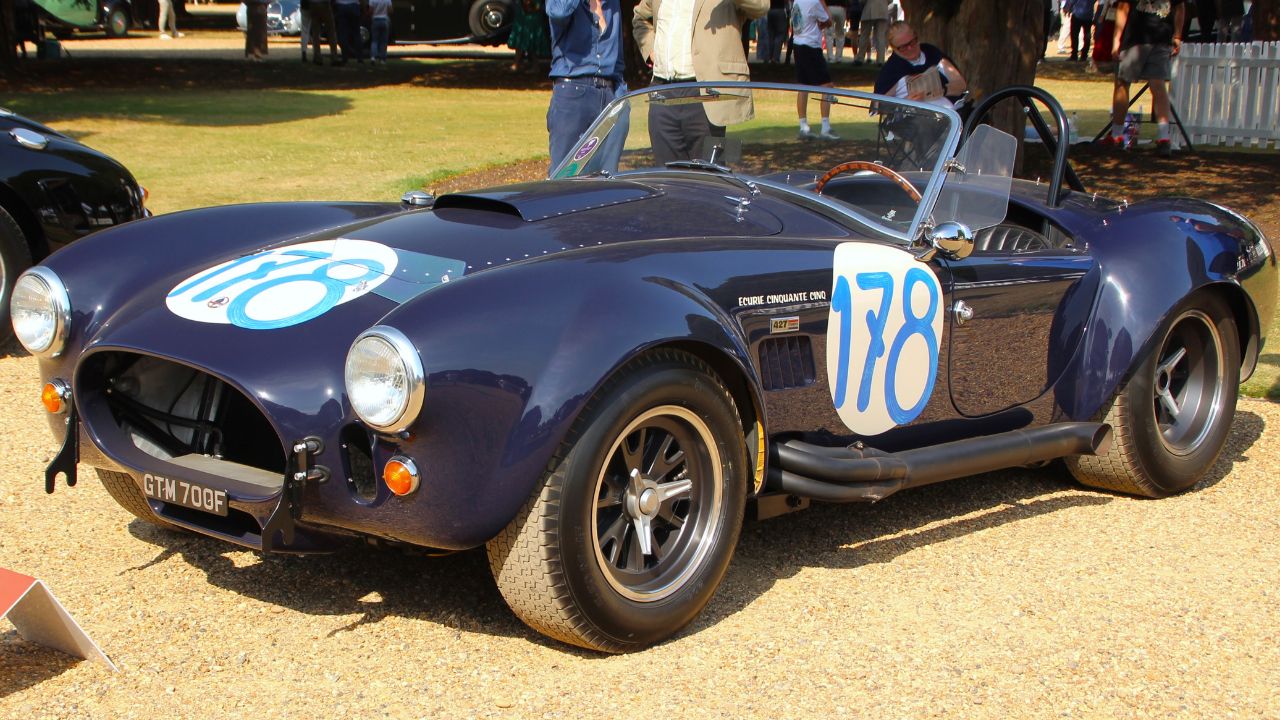
Carroll Shelby’s idea to jam a massive Ford V8 into a lightweight British roadster produced one of the most intimidating cars ever built. The 427 version could do 0 to 60 in around 4 seconds, which was almost unthinkable in 1965.
These weren’t civilized cars; they were raw, loud, and required actual skill to drive fast, which was precisely the point.
1969 Boss 429 Mustang

Ford built these homologation specials to qualify their new engine for NASCAR, resulting in one of the rarest and most desirable Mustangs ever. The 429 was so massive that Ford had to widen the shock towers and modify the suspension just to fit it.
Only 859 were made in 1969, and they’ve become some of the most valuable muscle cars at auction.
1966 Alfa Romeo Spider Duetto
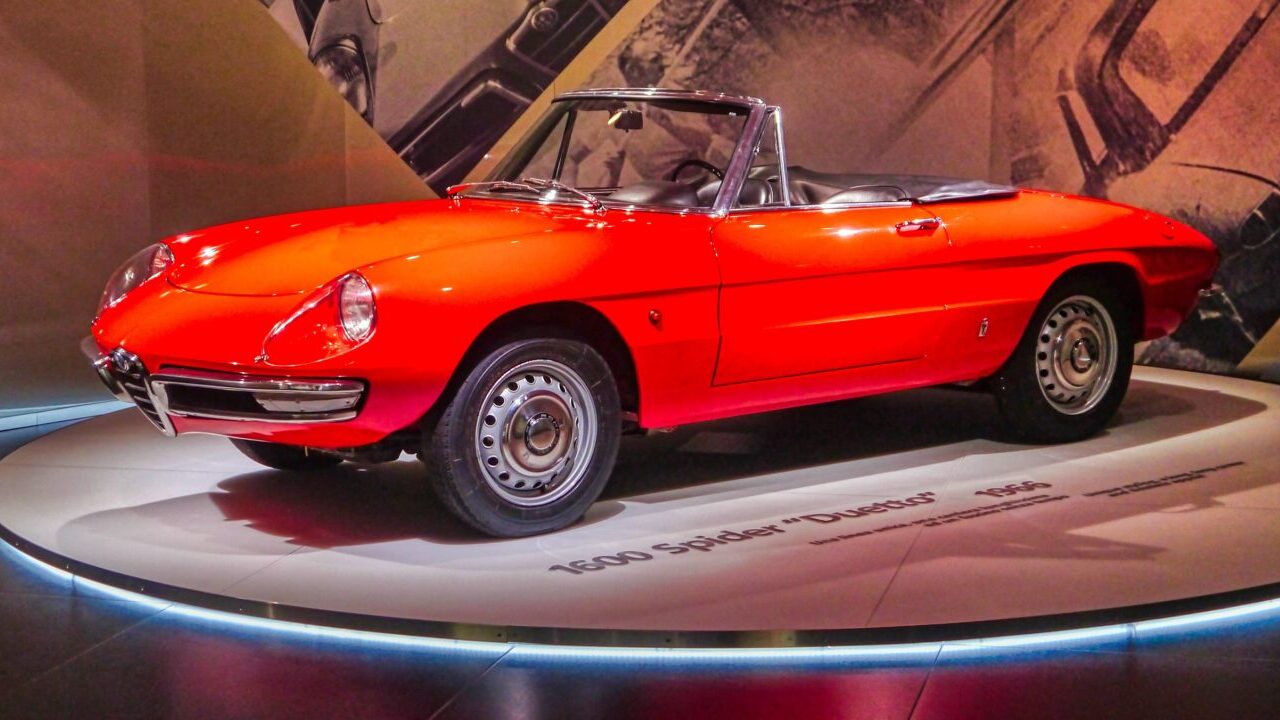
The rounded “boat tail” design of the original Spider was pure Italian romance, complete with a soundtrack from its twin-cam four-cylinder engine. While it wasn’t the fastest car on this list, it offered something equally valuable: the joy of open-air motoring with genuine handling prowess.
Dustin Hoffman’s red Spider in “The Graduate” cemented its status as the thinking person’s sports car.
1969 Dodge Charger Daytona

With its massive rear wing and nose cone, the Daytona looked like something from a science fiction movie, not a showroom. Dodge built it specifically to dominate NASCAR, and it worked; it was the first car to lap a closed course at more than 200 mph, set during NASCAR testing in 1970.
Only 503 street versions exist, making them among the most collectible American cars ever produced.
The Lasting Appeal

More than five decades later, these cars remain desirable because they represented peak analog driving—no computers, no driver aids, just you, the machine, and the road. They came from an era when automakers took risks and weren’t afraid to be bold, even outrageous. Whether it’s the rumble of an American V8 or the mechanical symphony of an Italian twin-cam, these machines connect us to a time when driving was more visceral.
Values keep climbing because people recognize these weren’t just transportation; they were the right combination of art, engineering, and attitude. The 1960s gave us cars that still define what it means to be cool.