Car modifications are a great way to make a car your own, and seeing as we spend so much time in our cars, it’s no surprise that many car owners modify their rides. I mean, why not add a few personal touches to make your car comfier or faster? However, you may want to think twice before modding your car if you plan to sell it eventually.
Whether it’s an aesthetic upgrade or a performance upgrade, changing your car from stock can hurt its resale value in the future, whether it’s due to that upgrade being unpopular or illegal.
The Search For Harmful Mods

When putting this article together, I searched car forums to find out which mods both car owners and buyers were talking about. Once I caught wind of a mod that seemed to be met with criticism by the car community, I researched exactly how bad it was for a car’s value and if dealerships advised against it.
While most would say to not mod your car at all, here are the most mentioned modifications in terms of lowering sales value. Laws and enforcement vary by state (and sometimes by city), so whether a modification is street-legal can depend on where you live and how the part is installed.
Body Kit
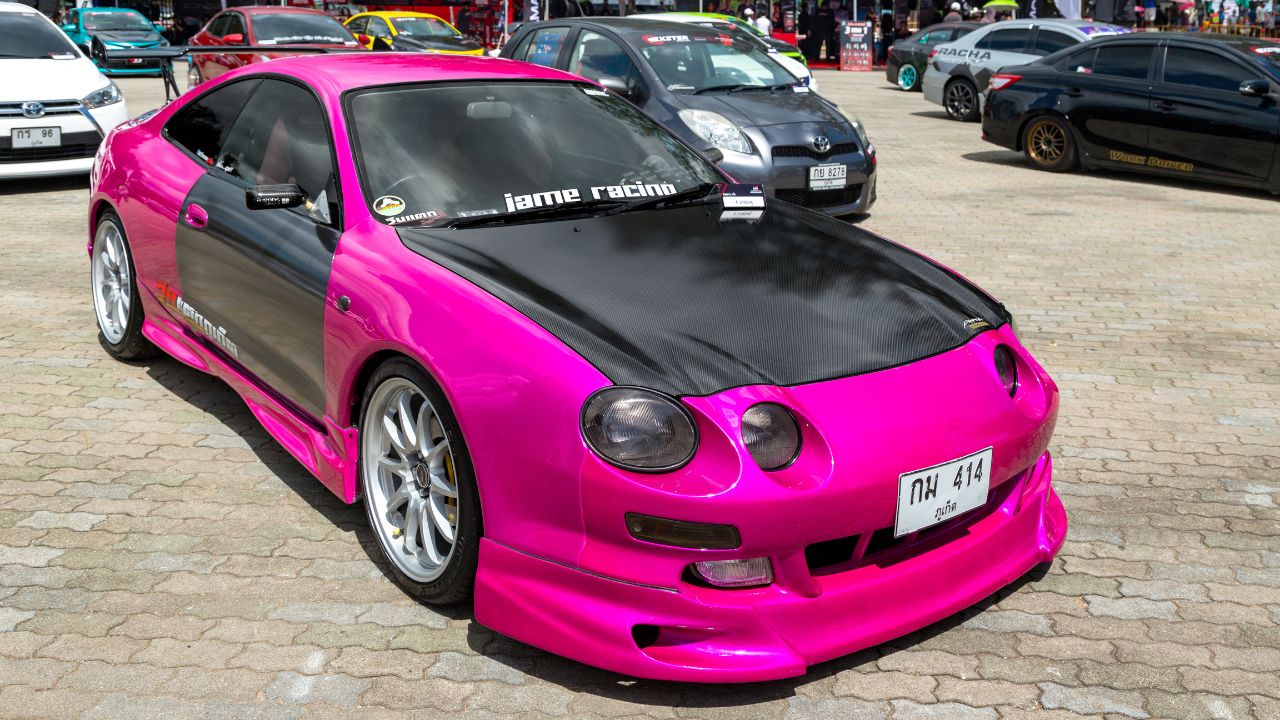
Body kits are aftermarket upgrades that are meant to change the shape and appearance of your car, whether that’s to make it more aesthetically pleasing or more aerodynamic. Body kits consist of parts that need to be installed, like bumpers, fenders, and spoilers.
According to CarParts.com, some examples are lip body kits, consisting of front and rear bumper lips, side skirts, spoilers, and wide-body kits, which have wide fenders to create a wider look and fit wider tires. Just make sure you’re installing a body kit properly, and for your own enjoyment, customizing your car reduces the number of potential buyers who may not like that certain look or want a base model to customize themselves.
Wrapping
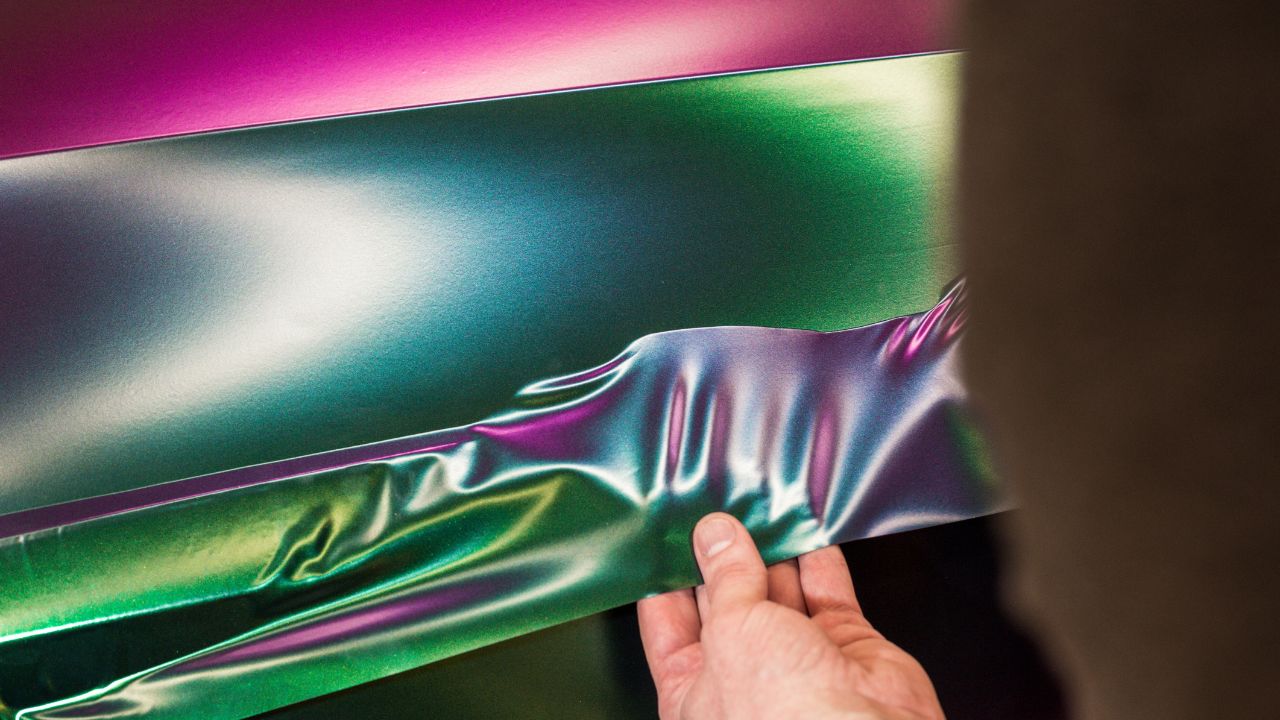
This is another example of something that should solely be done if it will make you happy. A car wrap or Plasti Dip covers the car body with a new color or design, which can definitely make it more fun and unique. However, wraps can complicate resale, especially if buyers worry about what’s underneath. One used car salesman on Reddit noted that it can be difficult for buyers to know what the condition of your car is underneath the wrap. To find out, they will often have to remove it themselves, a lot of added labor to sell the car. From there, they can check if it’s scratched, faded, or damaged.
They wrote, “Had a newer VW in the other day. The kid wants to trade it in, and it’s totally plastidipped up. I said, ‘Tell ya what, if you get it all off and the paint is perfect like you said, I’ll give you full trade value.’ Two weeks later it shows up, looking like a pixelated tiger of old plastidip and scratched up. He took the original offer, and I sent it to the body shop to be repainted.”
Suspension Upgrades
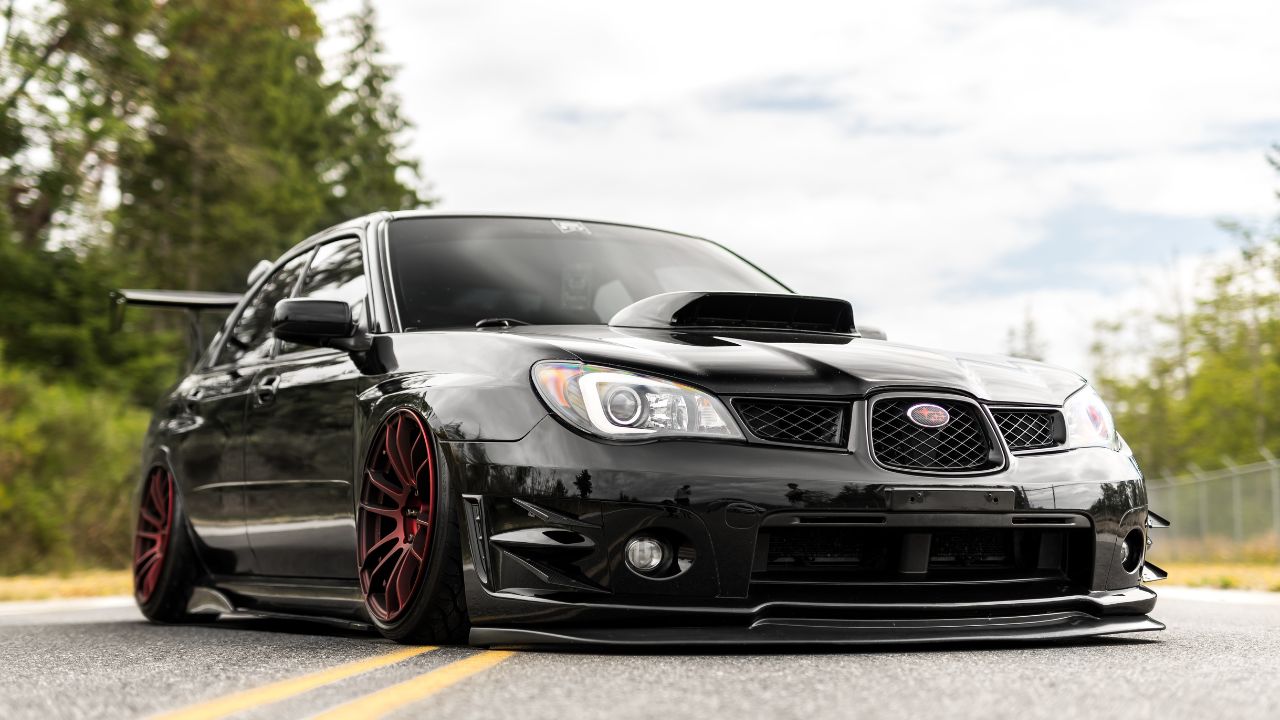
Messing with a car’s suspension can significantly lower its value, especially if you are lowering the suspension beyond your state’s legal limits. Some states (including Connecticut) enforce ride-height limits; for example, Connecticut regulations limit changes to the vehicle’s height to no more than 4 inches from the manufacturer’s specified height. Used car companies and some individuals will likely not want to purchase a car that isn’t legal to drive.
Lowered suspension is also not preferable for the majority of daily drivers. According to J.D. Power, cars that are lower to the ground can get damaged by potholes and bumps. A very low ride height can increase the risk of damage from potholes and can negatively affect ride quality and stability on rough roads.
Turbochargers
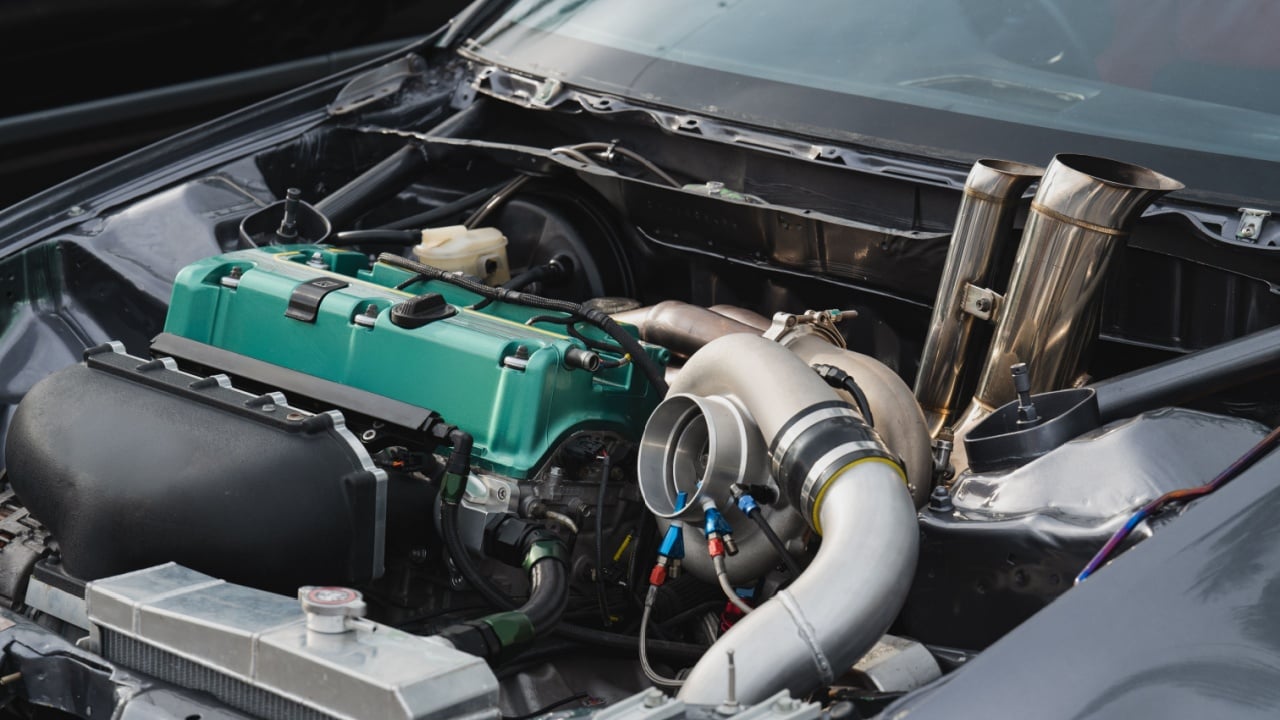
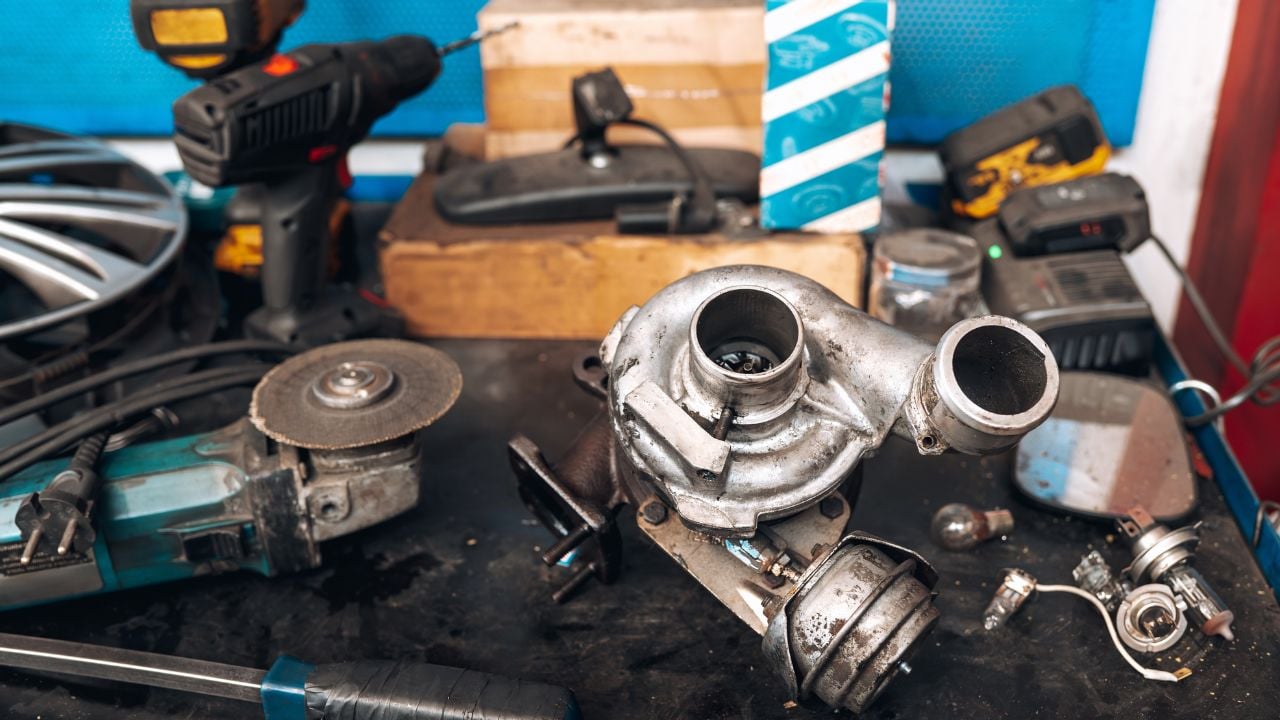
It may seem like a good thing to turbocharge your car. What’s so wrong with a faster car with more horsepower? But, like with most engine modifications, you are lowering the value of your car to the general public. Modified engines can worry buyers, who may think they’re unreliable or installed incorrectly.
Turbocharging a car can create emissions-compliance issues, depending on your state. For example, in California, aftermarket emissions-related parts typically need CARB approval (an Executive Order number) to avoid problems during inspection, rendering the car illegal to drive.
In a Miata forum, drivers came to the conclusion that there are three options if you want to turbo your Miata:
1) Turbo it. Sell it with the turbo. Lose $3K
2) Turbo it. Turn it back to stock. Sell the car and the parts. Lose $1K
3) Turbo it. Keep it forever
Straight Piping
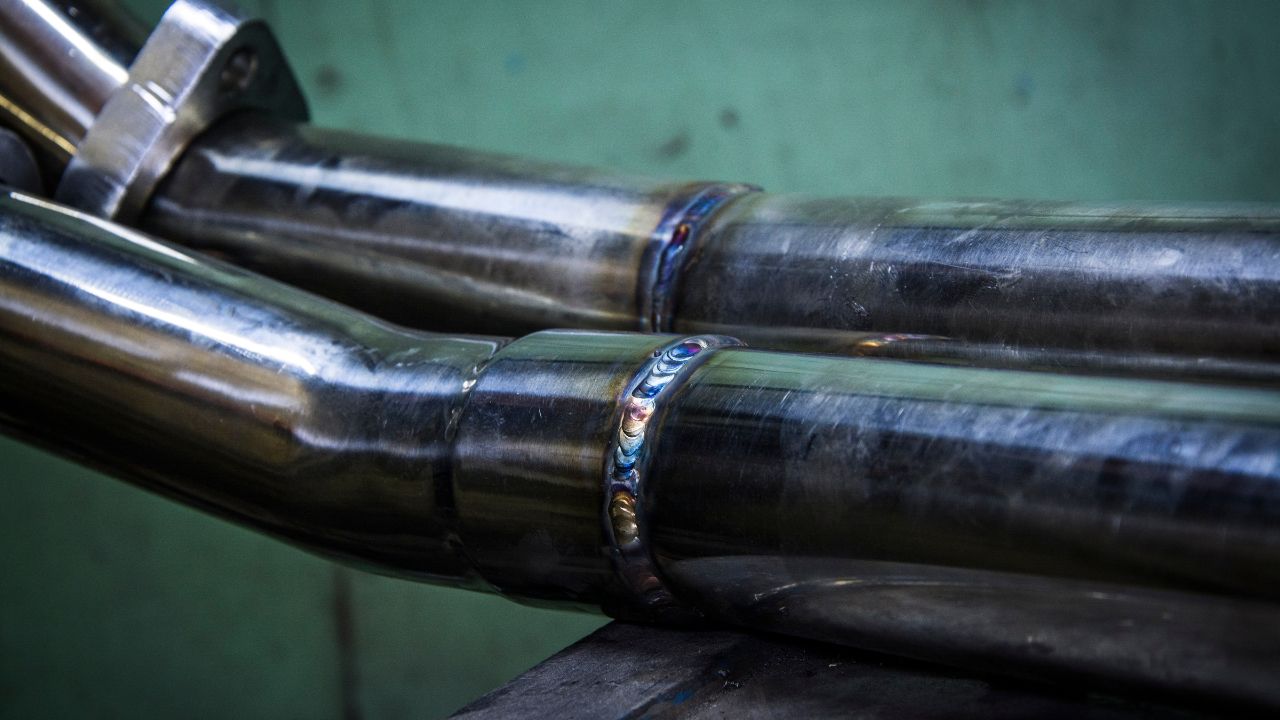
Straight piping usually refers to removing or bypassing parts of the exhaust system to increase sound (and sometimes change flow). The biggest legal risk is emissions equipment: under the federal Clean Air Act, removing or disabling required emissions controls (including catalytic converters) is illegal.
Beyond emissions, many states and cities also require an effective muffler and enforce noise limits, so a straight-piped car can be ticketed or fail inspection depending on where it’s driven.
Window Tints
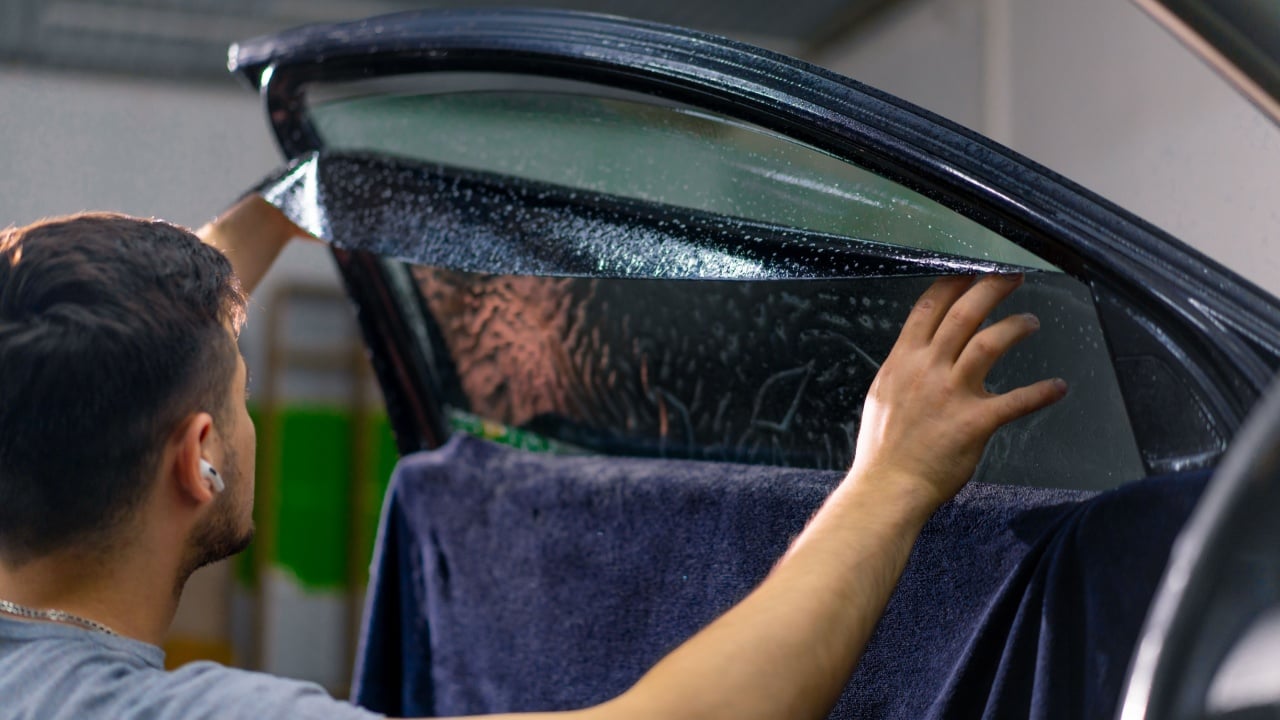
Tinting your car’s windows can seem beneficial, keeping out the sun while driving. However, this is yet another cosmetic change that can ruin your car’s resale value down the line. In some states, including California, window tint is legal only within specific limits; for example, California requires high light transmission on the front side windows. According to window tinting company GreenFilm, every state has specific regulations regarding how dark the window tint can be and which windows must be left completely stock.
Luckily, it’s not expensive or difficult to remove window tint yourself or at a shop before selling. Removal cost varies by region, but it’s often in the $50–$150 range, according to The Tint Guy. It could be worth it so the dealership doesn’t use it against you when you sell your car.
Screens and Monitors
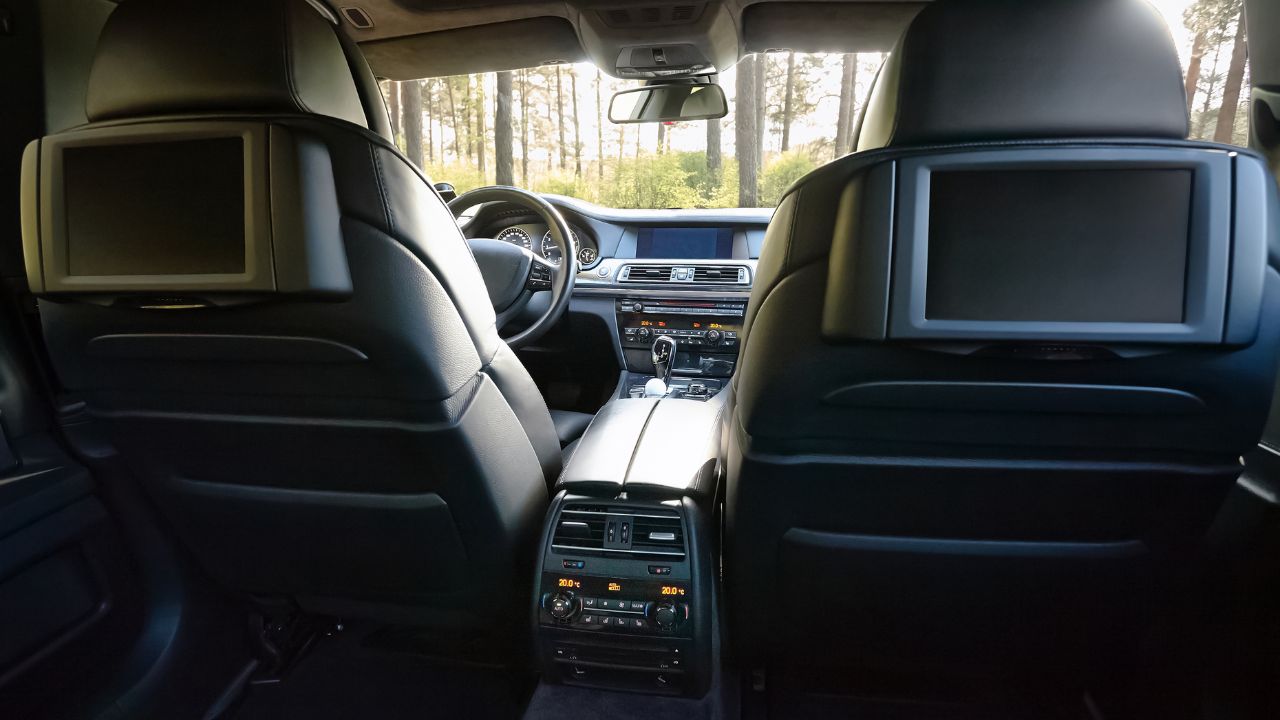
Aftermarket screens visible to the driver can hurt resale value, especially if they raise legal or distraction concerns. For example, California prohibits driving with a video screen operating in a position visible to the driver (with exceptions such as navigation).
Thinking of installing monitors in the back instead? Like most cosmetic mods, this will alienate some buyers who may not want extra screens in their car, and the fewer potential buyers, the less your car is worth. It may be best to keep your West Coast Customs fantasies in your head and skip the excessive screens.
Stereo Upgrades
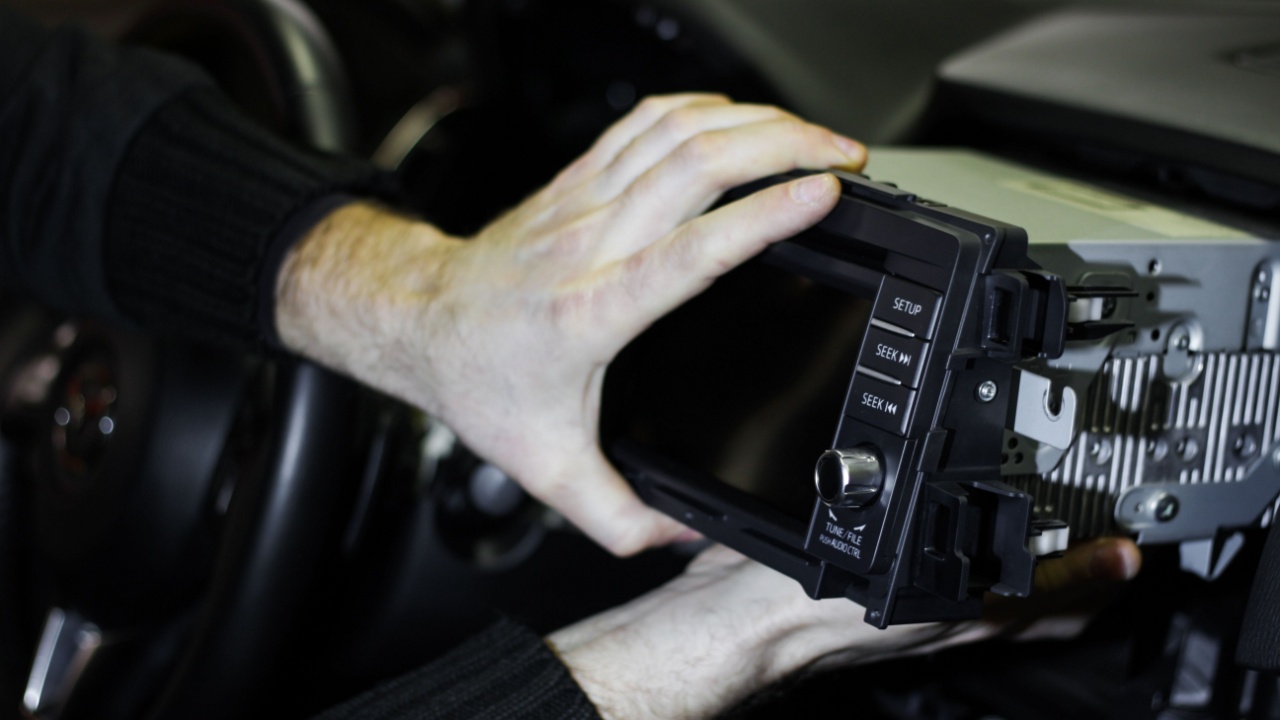
Adding a newer stereo or powerful subwoofers may be satisfying when you’re looking to sing your heart out on a road trip, but it’s yet another aesthetic choice that may deter others from buying your car.
Some people might not want a loud system, and others may be concerned about the car’s electrical system since a more extensive sound system may strain the car’s battery and alternator, as discussed on forums such as Beyond.ca.
Bottom Line: Keep Your Car Stock
You have an important choice to make: enjoy your car the way you envision by improving its engine, sound, and appearance, or keep your car stock so you can sell it for more later on.
If you plan to hold onto your car forever, you can do whatever you want to make the drive more enjoyable! But, if you are selling in the near future, you may want to give up your fantasy of building a stanced car rolling on spinners and fitted with a straight-piped exhaust.