American cars often carry the spirit of speed, sound, and raw energy, but style has not always been their strongest gear. For every beauty that graced a boulevard, there was another that raised eyebrows for all the wrong reasons. Shapes went too far, proportions lost their way, and boldness often overtook balance. These machines still roared, but they didnt always win points in the mirror. Luckily, they could drive by them pretty fast, so they’d just be a blur.
Designers chased trends, pushed limits, and occasionally left charm behind. Some tried to be futuristic, others leaned too hard into retro, and a few simply looked confused from every angle. Power can grab attention, but it cannot always hide awkward lines. So the question stands, can an American car still stir the soul when the styling stumbles? Sometimes the answer is yes, but the reflection might still sting.
When Muscle Missed the Mirror Test
When we say a car is ugly, we mean just that. It’s ugly. We’re not saying it can’t blow past regular traffic when the traffic light turns green or that it doesn’t sound incredible when it roars by. These are not necessarily bad cars. They’re may even be good cars. You may love them. We may love them. We’re simply saying they’re ugly.
Judging cars by looks alone feels a bit cruel, like telling a pro wrestler his spandex isn’t flattering. Still, performance doesn’t always excuse awkward design. Some of these machines had the heart of a lion, but the styling of a confused concept sketch after a long night at the bar.
As a writer who loves a good burnout and the smell of premium octane in the morning, it almost feels wrong to point fingers… almost. But even icons can have off days, and in this lineup, style often lost the drag race against its own reflection. Every car here earned a place through its looks alone, even if everything else under the skin worked beautifully. Let’s dive into the automotive aesthetic missteps.
Mid-’70s Pontiac GTO
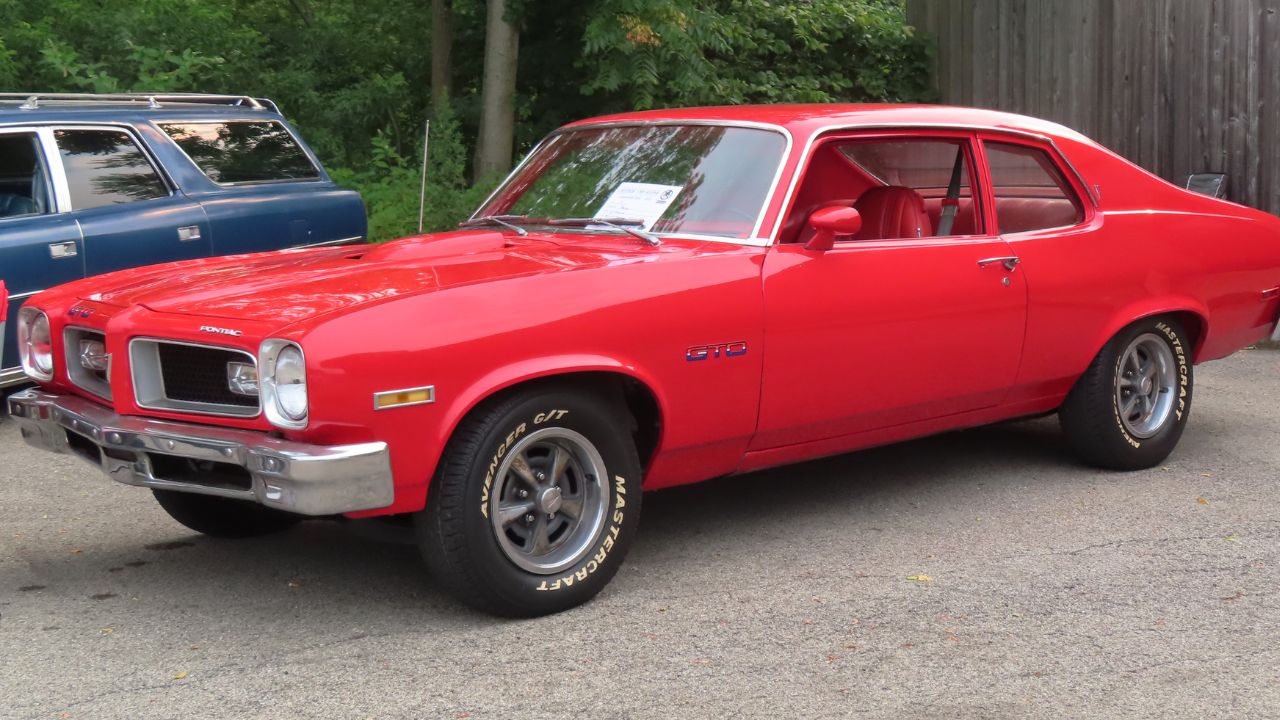
The Pontiac GTO, a name synonymous with American muscle, speed, and enough swagger to fill a stadium. Then came the 1974 GTO. This generation, based on the compact X-body Ventura, carried the name proudly on its badge, but the visual edge was lost along the way.
The front end felt puffy and disconnected from the muscular tone expected, looking less like a charging ram and more like a sleepy badger. Wide, federally mandated bumpers softened the presence, while design details lacked the sharpness of earlier, more revered models like the ’65 or ’69. It looked more passive than powerful, and that worked against everything the GTO once represented.
The curves felt tired, not timeless. For a model rooted in muscle history, this version faded from the spotlight faster than a cheap set of tires at a burnout contest, largely due to its bland styling and diminished performance compared to its predecessors. It was the automotive equivalent of your favorite rock band releasing a polka album.
Late-’70s Mercury Cougar XR-7
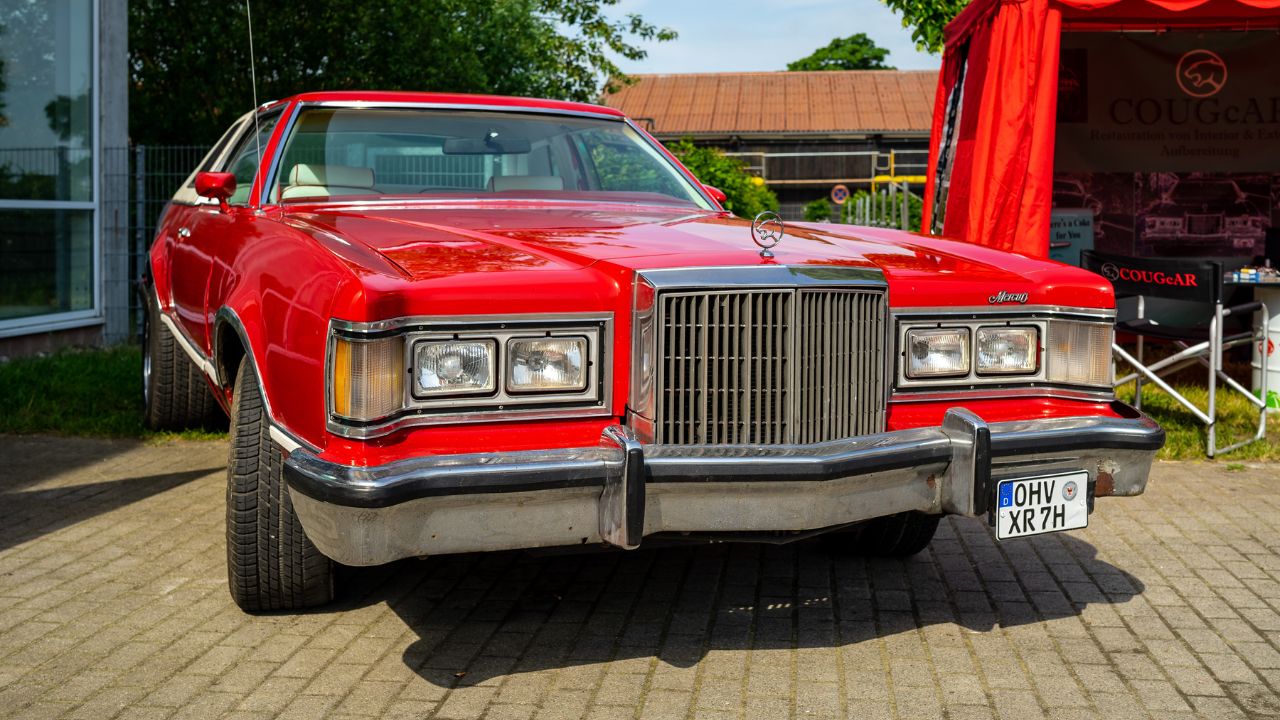
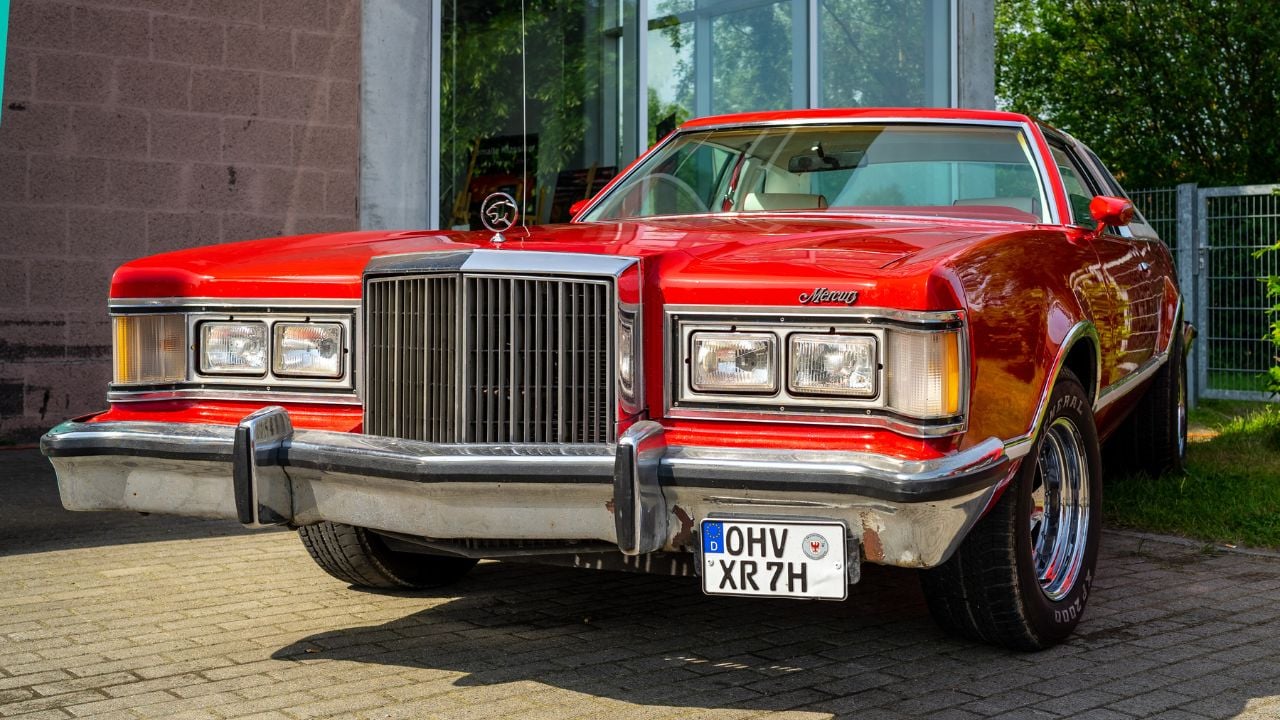
During the late 1970s (1977-1979 to be exact), the Mercury Cougar tried to grow into something bigger than its roots allowed. It ballooned onto the Ford LTD II platform, gaining significant size and weight. The shape stretched into awkward territory, with long overhangs that made it look perpetually surprised and strange use of chrome that seemed more decorative than meaningful, sorta like how Subaru loves to slap on plastic trim now. It aimed to blend performance and prestige but landed somewhere between unsure and overwhelmed, resembling a confused luxury coupe rather than a muscular pony.
Despite offering a 351 cubic inch (5.8L) V8, the muscle car spirit peeked through only under the surface. The body language told another story, a tale of blandness and excess. Even the stance felt out of proportion, as if the design forgot what made the earlier Cougars proud. It had presence, sure, the kind of presence a fully loaded suburban minivan has, it just took up a lot of space. Presence without purpose rarely makes a strong impression, and the Cougar XR-7 of this era definitely struggled to leave a positive one.
Early-’80s Dodge Mirada CMX
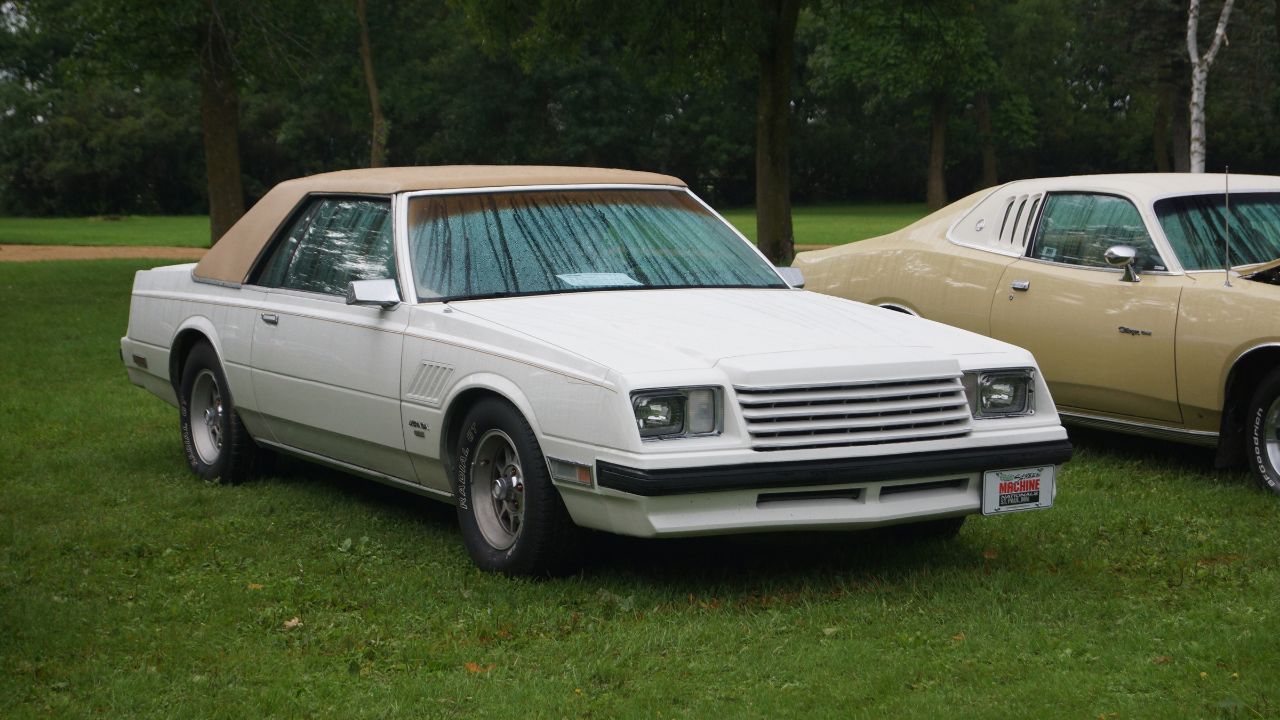
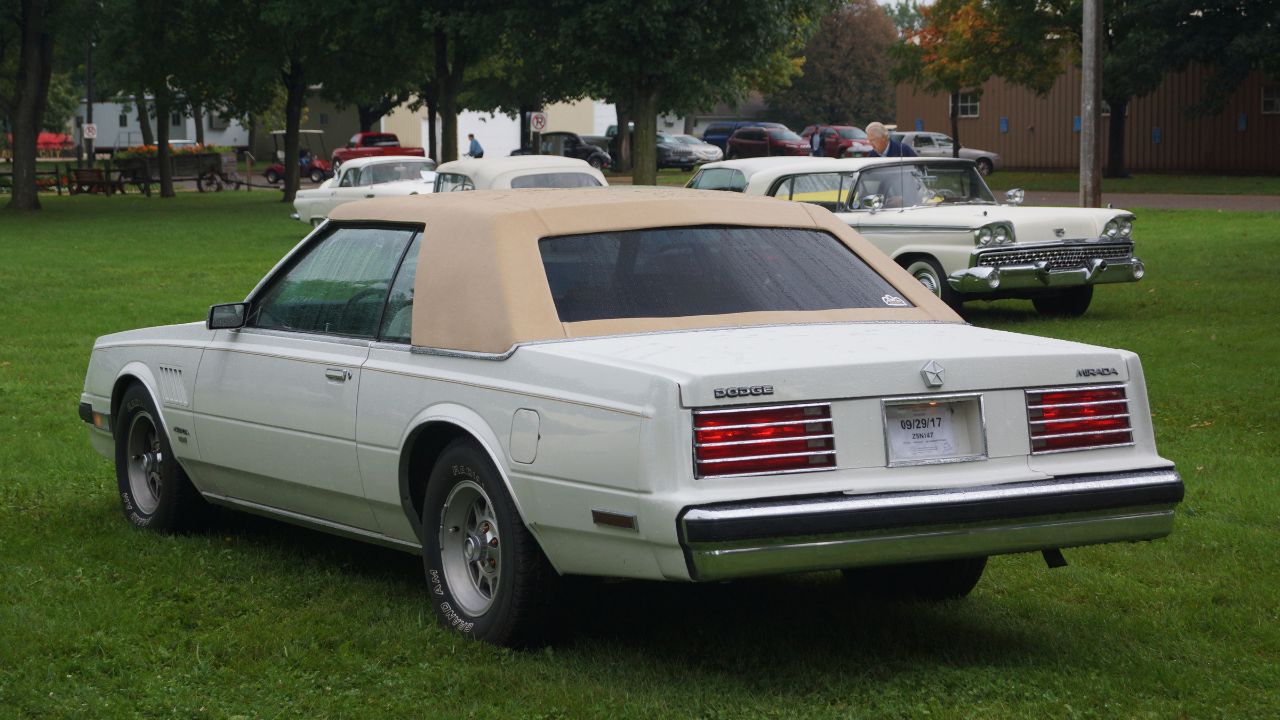
The Dodge Mirada CMX, hitting showrooms from 1980-1983, aimed to bring a personal luxury feel to a muscle-inspired coupe, but the styling wandered too far from its performance roots, like a pro wrestler trying to be a ballet dancer. Built on the J-body platform (shared with the Chrysler Cordoba), its square stance and oversized front end created a look that felt more like a grand tourer trying to impersonate a street machine, and failing spectacularly.
The vinyl touches and opera windows added confusion instead of character, making it look like a rolling living room. Though it carried potential under the surface, the 5.9-liter (360 cid) V8 was available in 1980, making a decent 185 horsepower and giving it competitive speed for the era, the visual language spoke in soft tones rather than strong lines. The proportions never found their rhythm, and the rear felt more sedan than sport.
The Mirada wanted presence and missed the spotlight entirely, proving that sometimes, less isn’t more, it’s just… less
Late-’70s Dodge Magnum XE
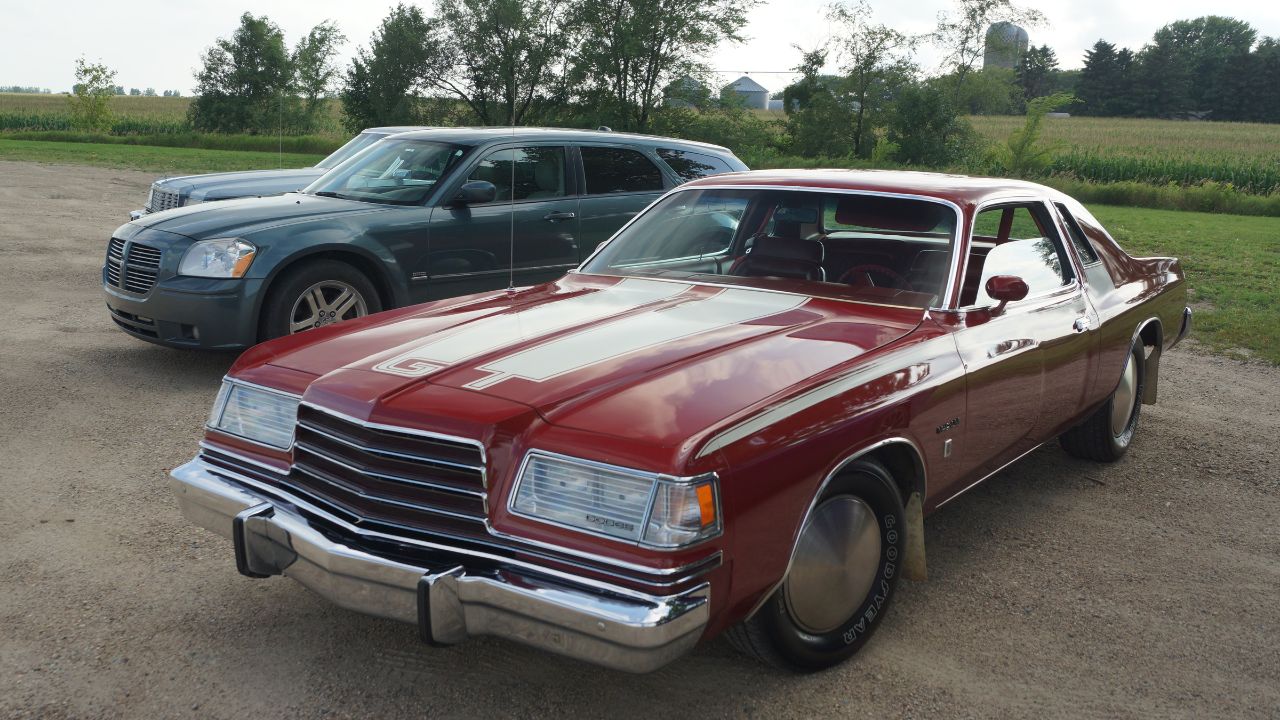
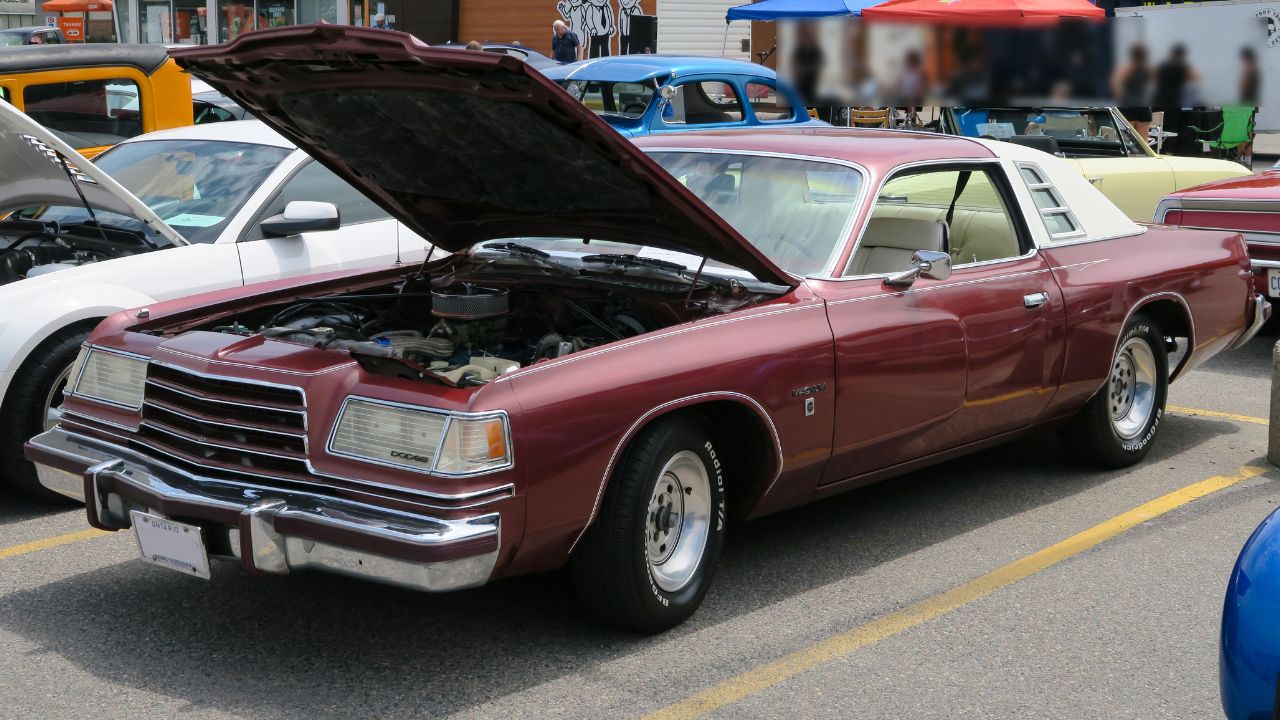
The Dodge Magnum XE of 1978-1979 embraced size over stance. Those hidden headlights promised sleekness and aerodynamics, yet delivered bulk, making it look like a sleepy walrus. The windows felt too small for the large body, and the wheel arches appeared stretched just enough to confuse the proportions, like a kid wearing oversized shoes. There was strength underneath, a 360 cubic inch (5.9L) V8 was available, producing up to 190 hp, but it wore a disguise that made little sense, like a superhero hiding his powers by wearing an even more awkward costume.
This car did not move with muscle; it lumbered with uncertainty, its bulky lines offering more air resistance than aggressive intent. Even the trim struggled to find unity. It stood tall, but never quite stood proud, always looking like it was about to trip over its own wheelbase.
It’s a prime example of designers trying to be clever with hidden features and accidentally making the whole car look less appealing in the process.
Early-’80s Chevrolet Monte Carlo Coupe
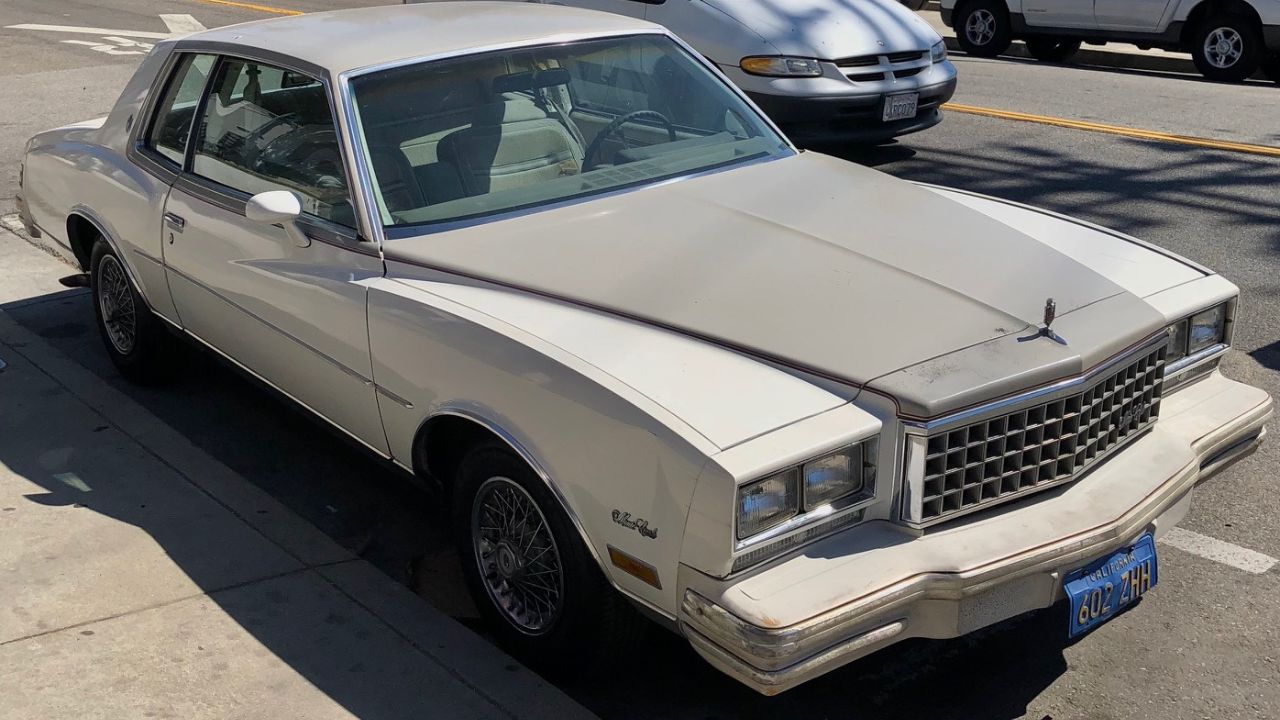
The Chevrolet Monte Carlo Coupe of the early 1980s leaned hard into squared design, giving it a stance that felt more static than spirited, like a statue of a running back. It wore sharp corners and flat panels like a perfectly tailored, albeit boring, suit. The front fascia stretched wide without any hint of aggression, and the rear dropped off with little flair, as if the designers ran out of ideas for the back half, and the end result lacked energy.
Even sporty trim levels, like the SS, couldn’t bring visual tension to the calm and conservative lines. While the Monte Carlo SS did offer a 305 cubic inch (5.0L) V8 with up to 180 hp, the styling never suggested motion or excitement. Everything about the look felt reserved rather than expressing confidence. The Monte Carlo held potential, yet it chose to whisper in a space built for loud declarations.
It was the automotive equivalent of ordering a decaf espresso when you’re on a time crunch at work.
Late ’70s Plymouth Volare Road Runner
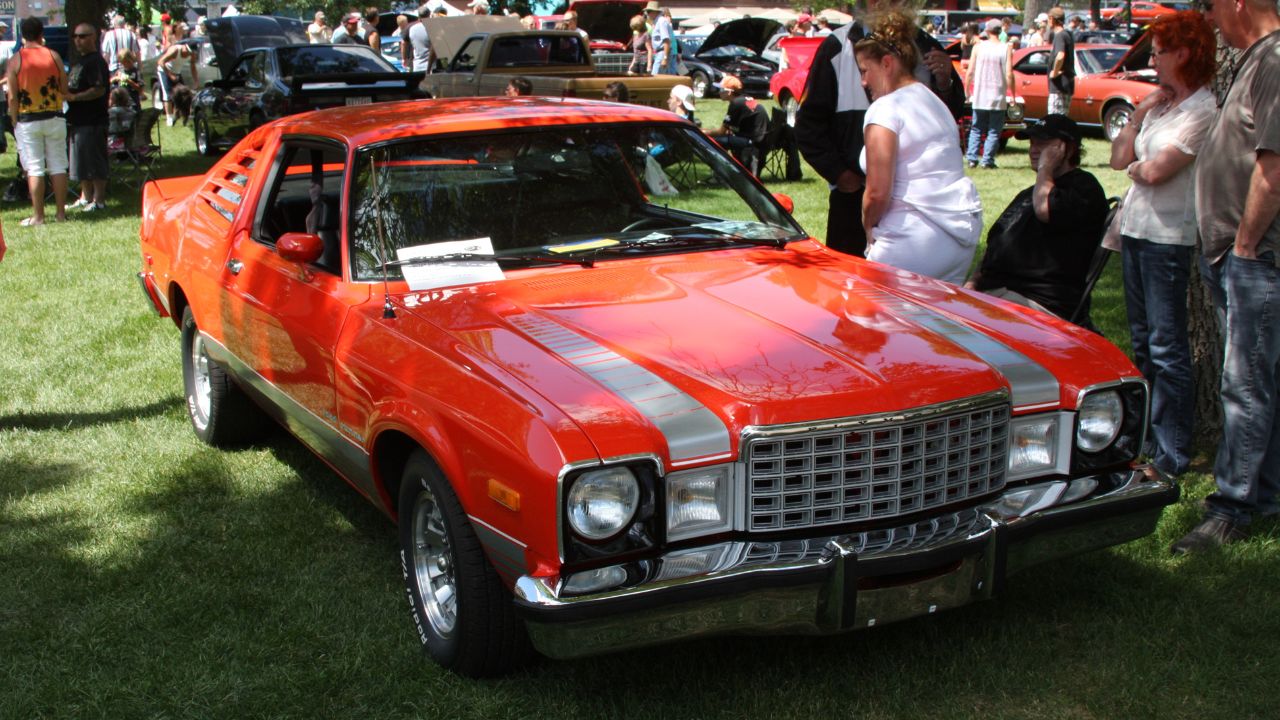
The Road Runner name once belonged to a legend of speed and attitude, conjuring images of “beep-beep” and cartoon dust clouds. But in this generation, the 1976-1980 Plymouth Volaré-based Road Runner, it felt like a sticker on the wrong canvas. The Volaré-based version carried bulky proportions and uninspired lines that drained the energy from its heritage, making it look less like a road runner and more like a road block. The front looked flat and uncertain, while the rear faded into generic curves that lacked personality, like a hastily drawn caricature.
Even with sporty decals and wheels (which often felt like a desperate attempt to compensate), the body felt more commuter than performer. While a 360 cubic inch (5.9L) V8 was available, producing around 160 horsepower, the styling stayed stuck in neutral. The original Road Runner turned heads with confidence; this one raised eyebrows with confusion.
The muscle was present, yet the look never truly joined the race. It was a muscle car in name only, and frankly, Wile E. Coyote wouldn’t have wasted his time chasing this Road Runner.
Early ’80s Chevrolet Camaro Berlinetta
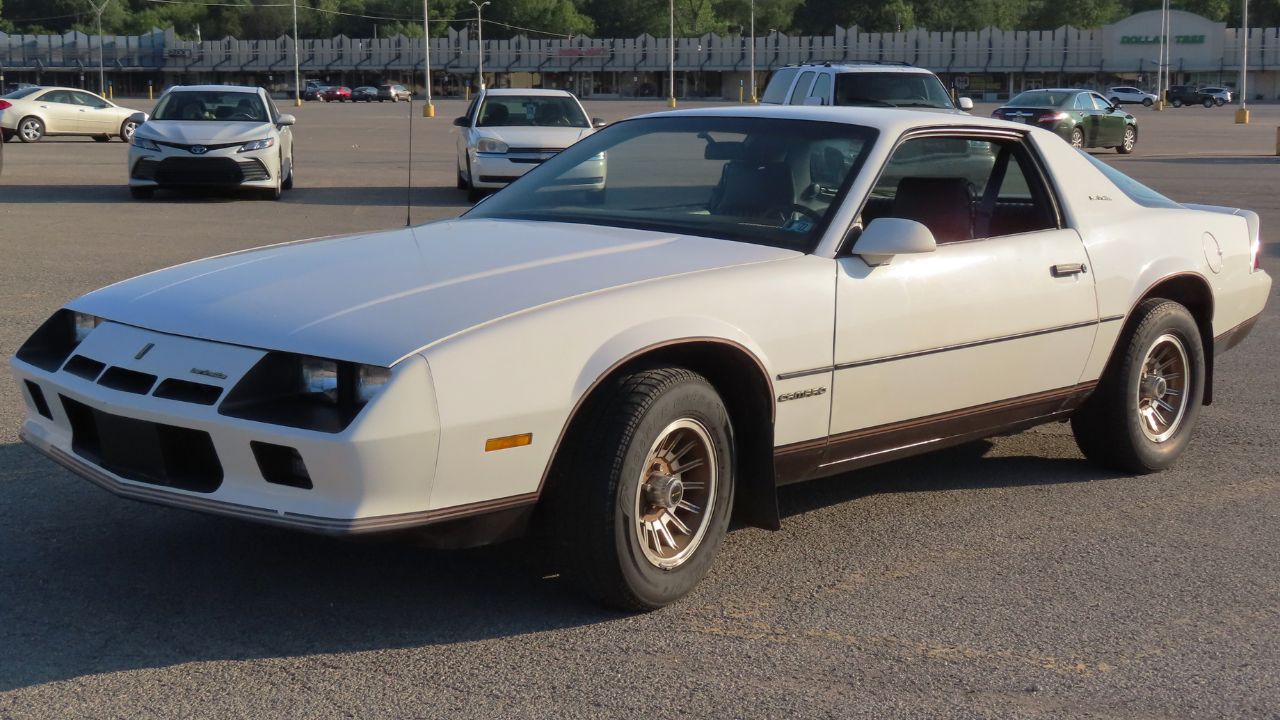
The Berlinetta version of the second-generation Chevrolet Camaro, introduced in 1979 and running through the third-generation through the 1980s, famously stepped away from muscle traditions and headed into a styling experiment. Flashy gold trim met squared lines, and the result felt more theatrical than sporty, like a Saturday Night Fever outfit on a Monday morning. Gold accents, a unique interior layout with a pod-like dash, and sometimes even wire wheel covers added to the confusion, making it look like a disco threw up all over it.
While performance stayed loyal to the Camaro lineage (a 305 cubic inch V8 was available, making around 150-170 hp), the look did not. Rounded headlamps fought against flat body panels, and the proportions never settled into something satisfying. It aimed for glamor and missed the grace, hitting gaudy instead. This Camaro stood out for its bravery in attempting a “luxury” trim, though rarely for its beauty.
It was the Camaro for people who wanted to look fancy without actually spending Ferrari money, and it showed.
Late-’70s Ford Thunderbird Heritage Edition
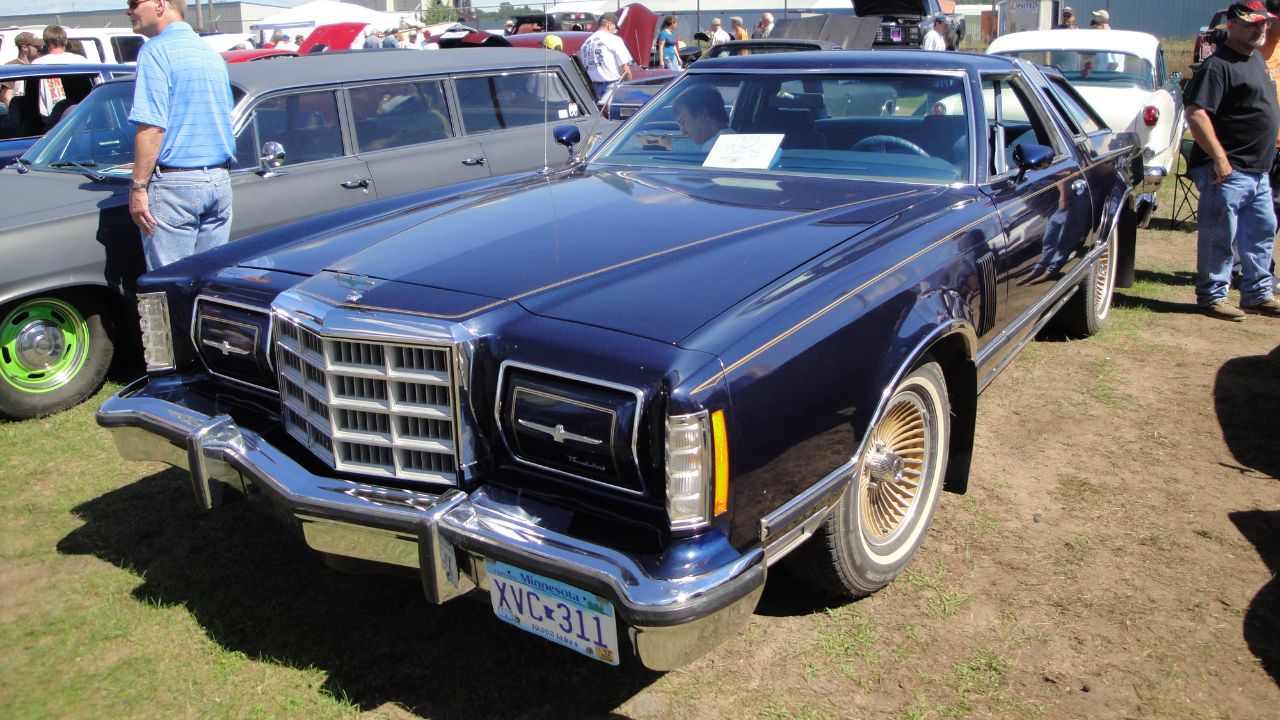
This Ford Thunderbird Heritage Edition, part of the seventh generation (1977-1979), arrived with grand ideas and a long list of styling features. Unfortunately, few of them spoke to its performance heritage. The profile carried bulk with little aggression, making it look less like a bird of prey and more like a Thanksgiving turkey. Decorative elements, like copious vinyl and fake landau bars, clouded the shape rather than enhancing it.
Opera windows (those tiny, often useless, rear side windows), thick chrome, and a heavy stance weighed down its presence, adding significant visual mass to an already large car. Underneath, a 302 cubic inch (4.9L) V8 was typical, making a rather meek 130-140 hp.
Everything seemed excessive without feeling expressive. In the race for style, this one got lost in the crowd of bland barges, a monument to the Malaise Era’s worst excesses.
Early ’70s Dodge Dart Sport
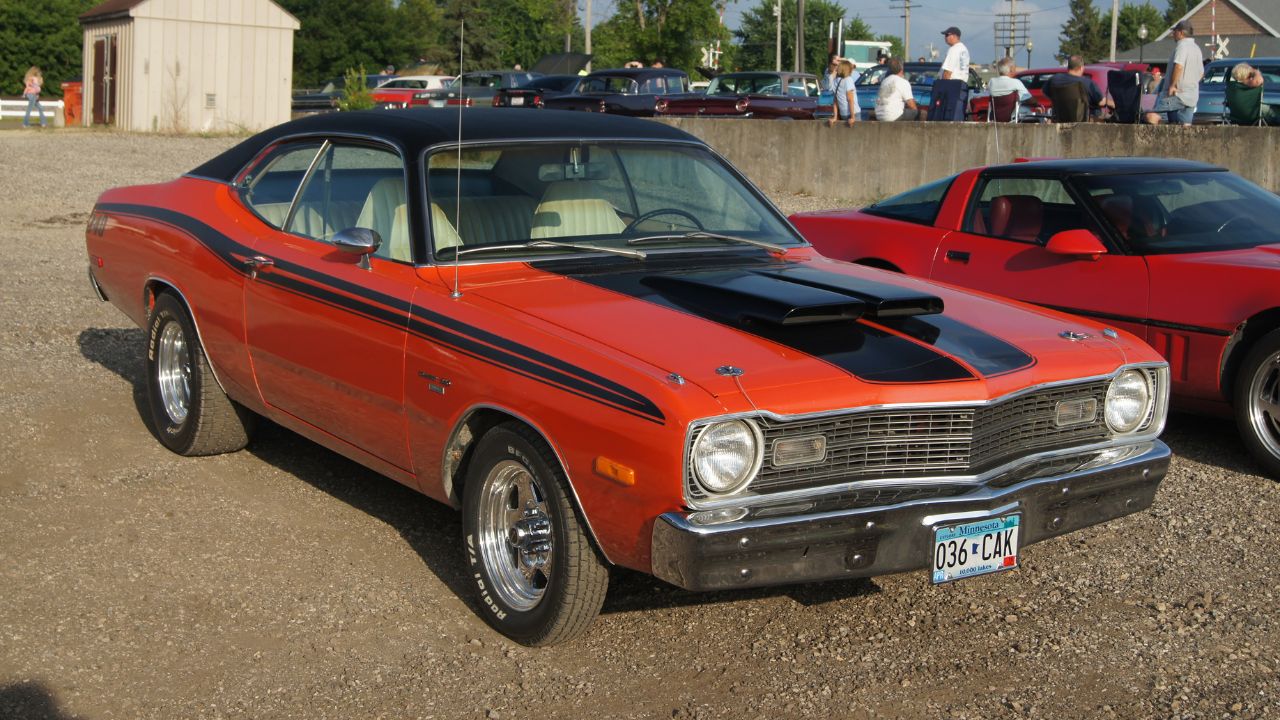
This early version of the Dodge Dart Sport (introduced for 1973) tried to keep a foot in the muscle-car world while the rest of the industry was already backing away from bold shapes and big promises.
The compact A-body proportions were honest, but the styling felt caught between eras, clean and simple, yet missing the dramatic cues that made earlier performance compacts look hungry. The grille and front fascia read more “commuter coupe” than “street contender,” and the roofline softened what should have been a sharper, more aggressive profile.
Even when you found one dressed up with stripes, wheels, or period decals, it still looked a little too polite for the name. Under the hood, V8 power was available, including higher-performance options early on, so it could still move with purpose, but the design didn’t broadcast that intent. It drove stronger than it looked, which is exactly the problem here.
Late ’70s Chevrolet Nova Coupe
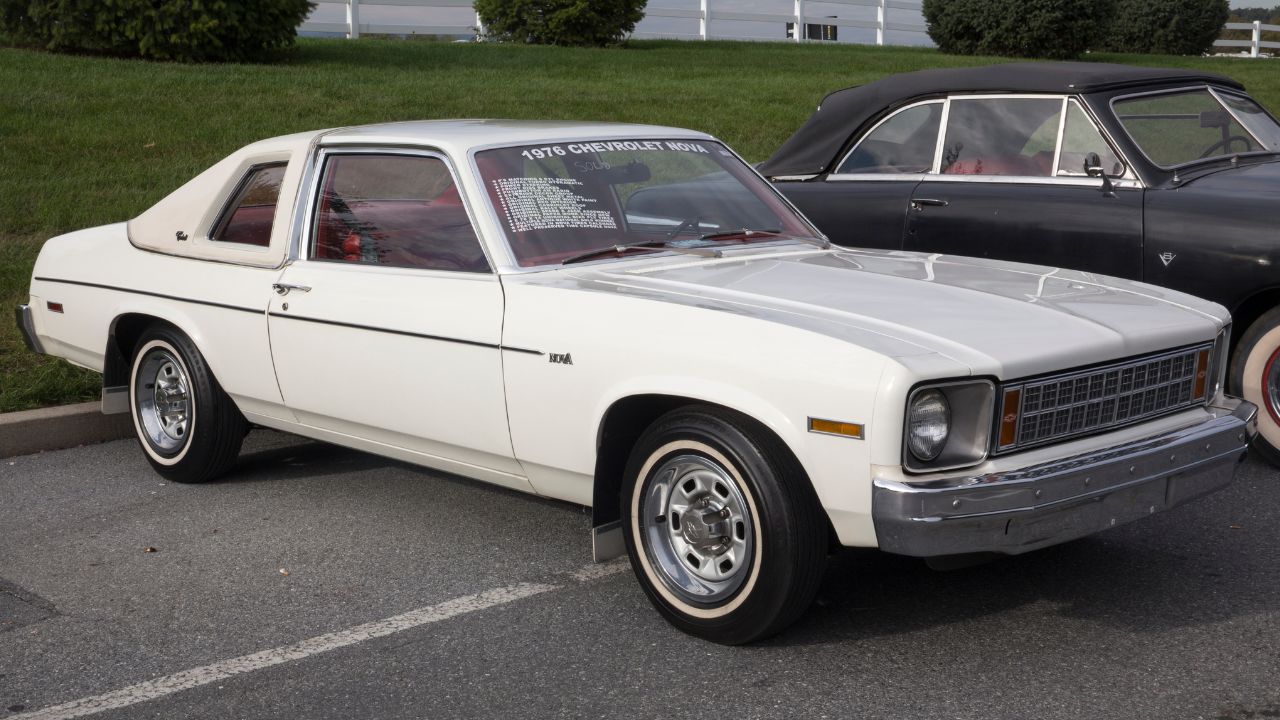
The Chevrolet Nova once roared with authority, a compact terror ready for a big block. But this generation, the fourth-gen coupe, traded strength for subtlety, and not in a good way. The body looked too upright, with square proportions that robbed it of motion, making it look like a reluctant brick. The front grille sat like a blank expression, and the overall shape leaned toward bland rather than bold. Even the fender lines looked unsure of themselves, as if they were having an existential crisis.
While a 350 cubic inch (5.7L) V8 was available, producing around 145 hp, the styling faded into the background while competitors embraced sharper identities. For a model with such a strong foundation, this version felt strangely undecided about what it wanted to be… A muscle car? An economy car? A bland doorstop? It moved with muscle, but it never dressed the part, choosing to be forgettable rather than fierce.
Late-’70s Chrysler Cordoba
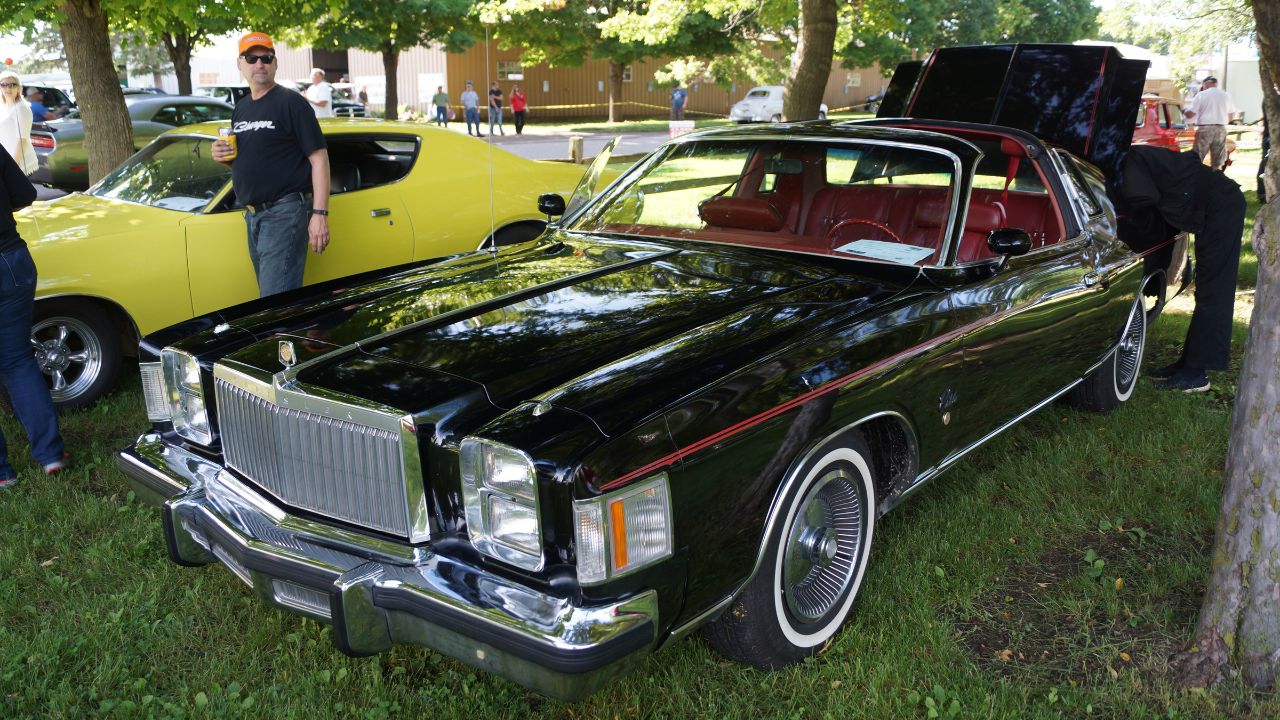
The late-’70s Chrysler Cordoba (1975–1979) set out to blend muscle-car proportions with personal-luxury vibes, and the styling often landed closer to lounge than launch. The long hood and formal roofline had presence, but it was a soft, padded kind of presence, helped along by vinyl tops, landau trim, and those small “opera” windows that felt more decorative than functional.
The famous “Corinthian leather” image (however you define it) gave the Cordoba a plush identity, but it also made the car look like it belonged outside a country club rather than a stoplight sprint. The grille didn’t threaten; it mostly existed, framed by chrome and curves that rounded off any sense of aggression.
V8s were available across the run, so it wasn’t powerless, but the design language rarely matched the idea of performance. It wasn’t ugly by accident, it was awkward by intention, and that’s what makes it memorable.
Power That Outran the Design
Style always carries risk, and American cars have never been shy about pushing design to the edge. But when bold becomes bulky, and aggressive turns into awkward, the results leave lasting impressions for better or worse. Some of these models still delivered thrills (or at least some decent straight-line speed for the era), yet their reflections often told another story: one of compromised vision and design by committee. Can a car roar with confidence while looking unsure of itself? Sometimes that contrast makes them even more memorable, like that one friend who’s always overdressed but still a good time.
After all, conventional beauty might fade, but weirdness sticks around, usually prompting a puzzled stare followed by “What was that?” And not in a curious way. More because they want to know what it is, in order to avoid it forever. Still, these cars dared to be different and were willing to defy societal beauty standards pushed on muscle cars to do so. They’re so brave.
They might not win beauty contests against a ’70 Chevelle SS, but they never disappeared quietly. Would you still drive one, even knowing it might draw double takes for all the wrong reasons?