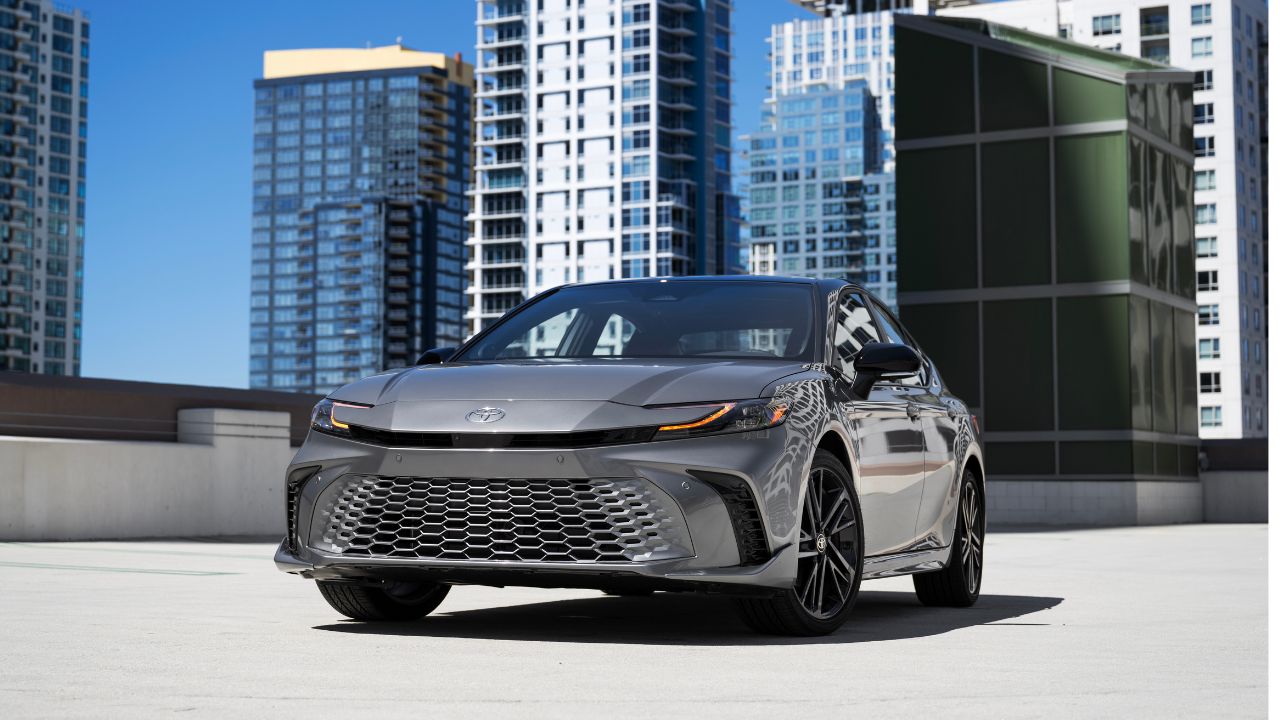

For years, car industry pundits have wagged their fingers and declared it a settled fact: America doesn’t like sedans anymore. The SUVs and pickup trucks have won; sedans are relics of a bygone automotive age. Well, rack those old assumptions back onto the shelf because, in 2025, U.S. sedan sales blew well past 1 million units, defying the narrative of a dying car segment and giving sedan lovers something to cheer about.
Yes, you read that right. Over a million four-door, sleek-profiled sedans found new homes last year in a market still dominated by towering trucks and spacious SUVs. And that twist in the tale demands a closer look. First off, shout out to our friends at CarBuzz for stunning us with these numbers; we couldn’t resist weighing in ourselves.
A Million Reasons Why Folks Still Buy Sedans
If you glance at the top of the overall U.S. sales charts for 2025, the picture looks familiar: pickups reign supreme (the Ford F-Series again tops the list with 828,832 sales), followed by the Silverado and RAV4 SUVs. Sedans appear only further down the leaderboard.
But context changes everything.
Sedans are selling — just not as headliners.
Traditional passenger cars like the Toyota Camry remain staples. Camry alone posted around 316,000 sales, proving its enduring allure as America’s favorite car even if it doesn’t outpace the utility segment.
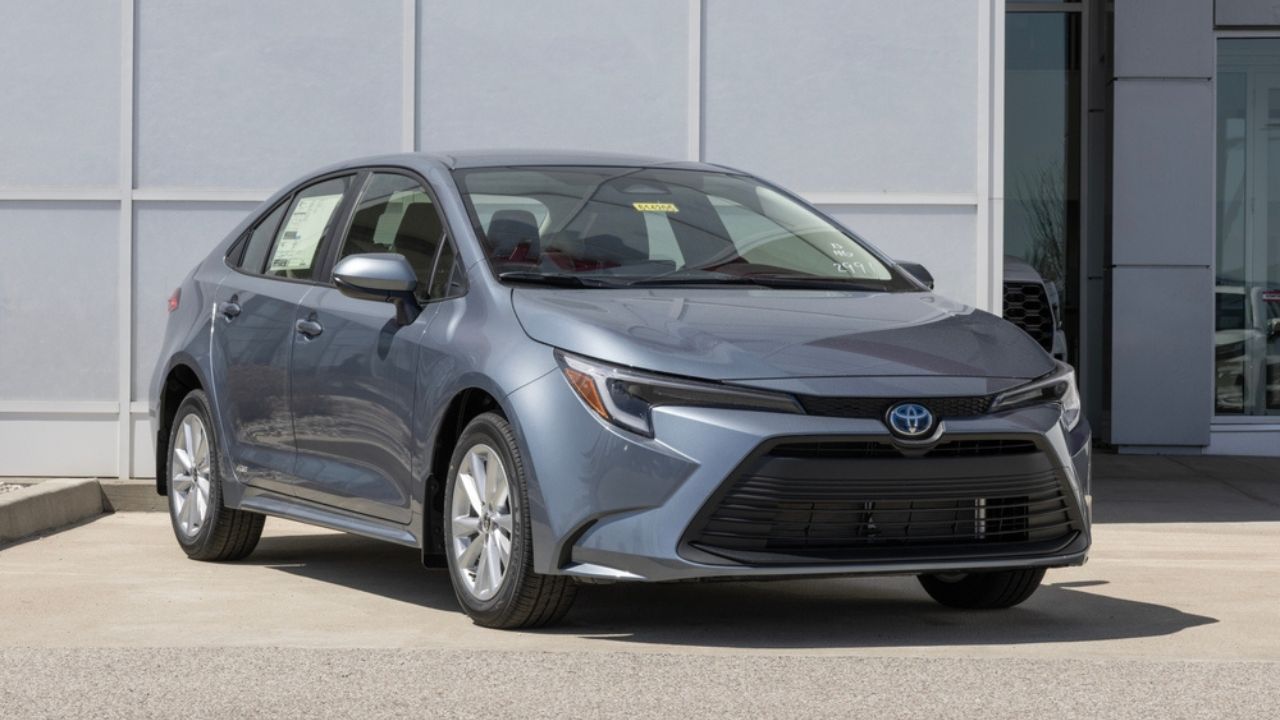
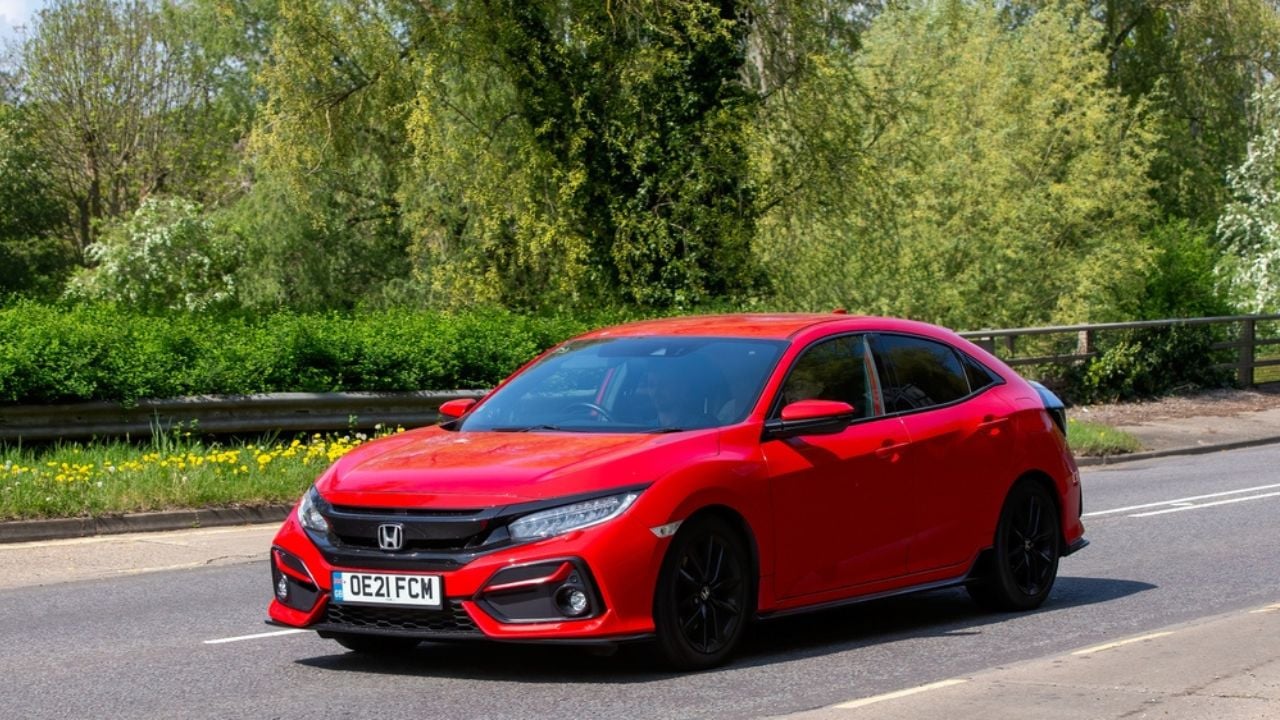
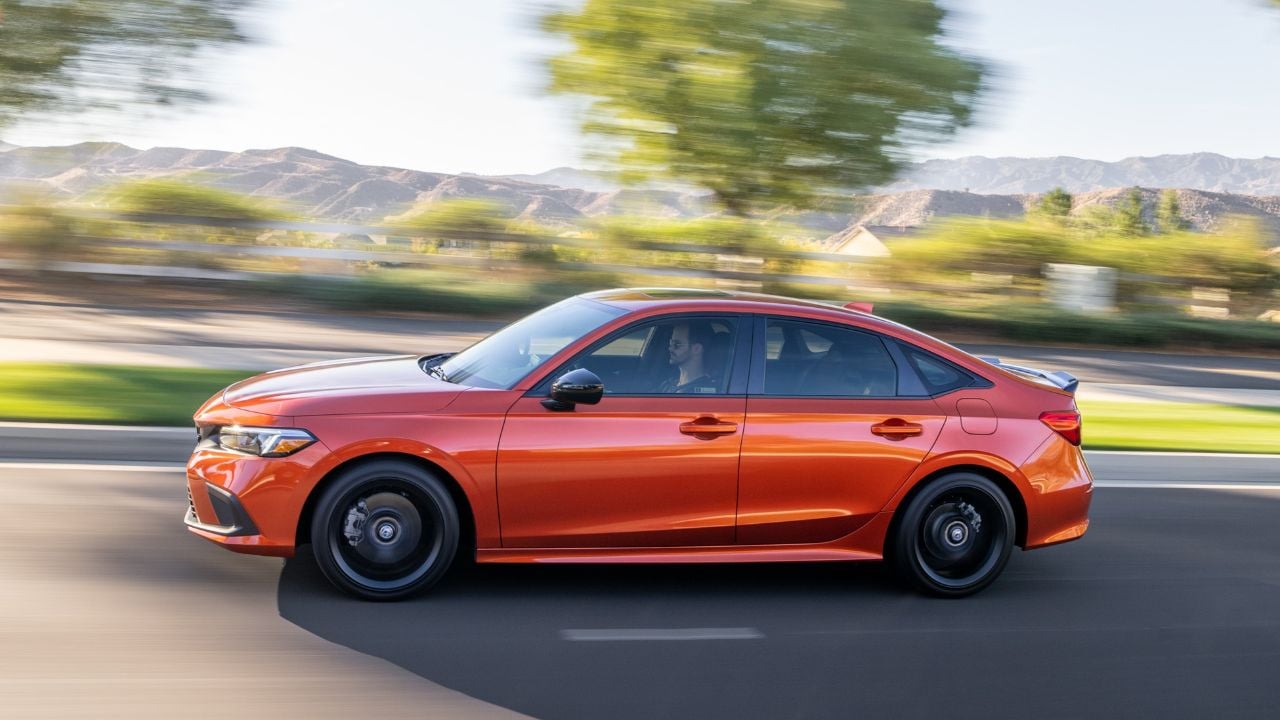
Meanwhile, trusted models such as the Honda Civic and Toyota Corolla continue to show respectable demand, helping push total sedan volumes past that magical million mark.
These machines aren’t flying off lots because they’re trendy. They’re selling because they still make sense:
- Affordability: Sedans generally cost less to buy and own than similarly equipped SUVs.
- Fuel efficiency: They often deliver better miles per gallon, especially in hybrid form.
- Compact practicality: Urban and commuter-oriented buyers still prize sedans for ease of parking, handling, and lower running costs.
Sedans vs. SUVs: A Tale of Two Markets
To really appreciate the sedan’s unexpected strength, you have to zoom out and look at the entire new-vehicle market. In 2025, total U.S. auto sales rose about 2 % to roughly 16 million vehicles. That’s a solid result amid regulatory uncertainty, expiring EV incentives, and supply-chain jitters.
Trucks, SUVs, and crossovers still dominate the broad sales ecosystem, and that’s not in dispute. SUVs made up nearly half of the top 20 seller list halfway through 2025. The dominance of truck-style vehicles remains real. But to dismiss sedans as irrelevant would miss both the scale and strategy of U.S. buyers.
A million sedans sold may be dwarfed by SUVs, but it’s not a fringe figure. Manufacturers, for all their talk about consumer disinterest in cars, are still investing in sedans where it counts, especially hybrid and electrified versions that speak to evolving buyer preferences.
Even as some brands shrug off sedans, like luxury marques pulling models due to weak demand, the mainstream segment soldiers on.
How Does it Do It?
Why are sedans holding on so well? First, practical economics. With auto ownership costs rising, and average new car prices pushing toward $50,000, many buyers are recalibrating their budgets. Sedans often require less principal, lower insurance, and better mileage than larger alternatives.
Secondly, while full EV sales dipped in late 2025 after federal incentives expired, hybrid sedans and crossovers kept buyers interested, as seen in strong hybrid numbers from major brands.
Thirdly, models like the Camry and Civic have built decades-long trust. That doesn’t vanish overnight, and it helps sedans stay competitive even against newer crossover designs.
So, here’s the bottom line: Are SUVs and pickups the dominant genre in America’s road culture? Absolutely. But the idea that America has totally abandoned sedans in 2025 simply doesn’t match the data. Over a million sedan sales, and still respectable runner performances from long-time favorites, shows that, far from being obsolete, sedans are adapting, evolving, and continuing to serve a loyal, practical slice of the buying public.
If anything, sedans in 2025 have proven that car culture is more diverse and nuanced than simple stereotypes. And if that’s not a plot twist worthy of a headline, what is?