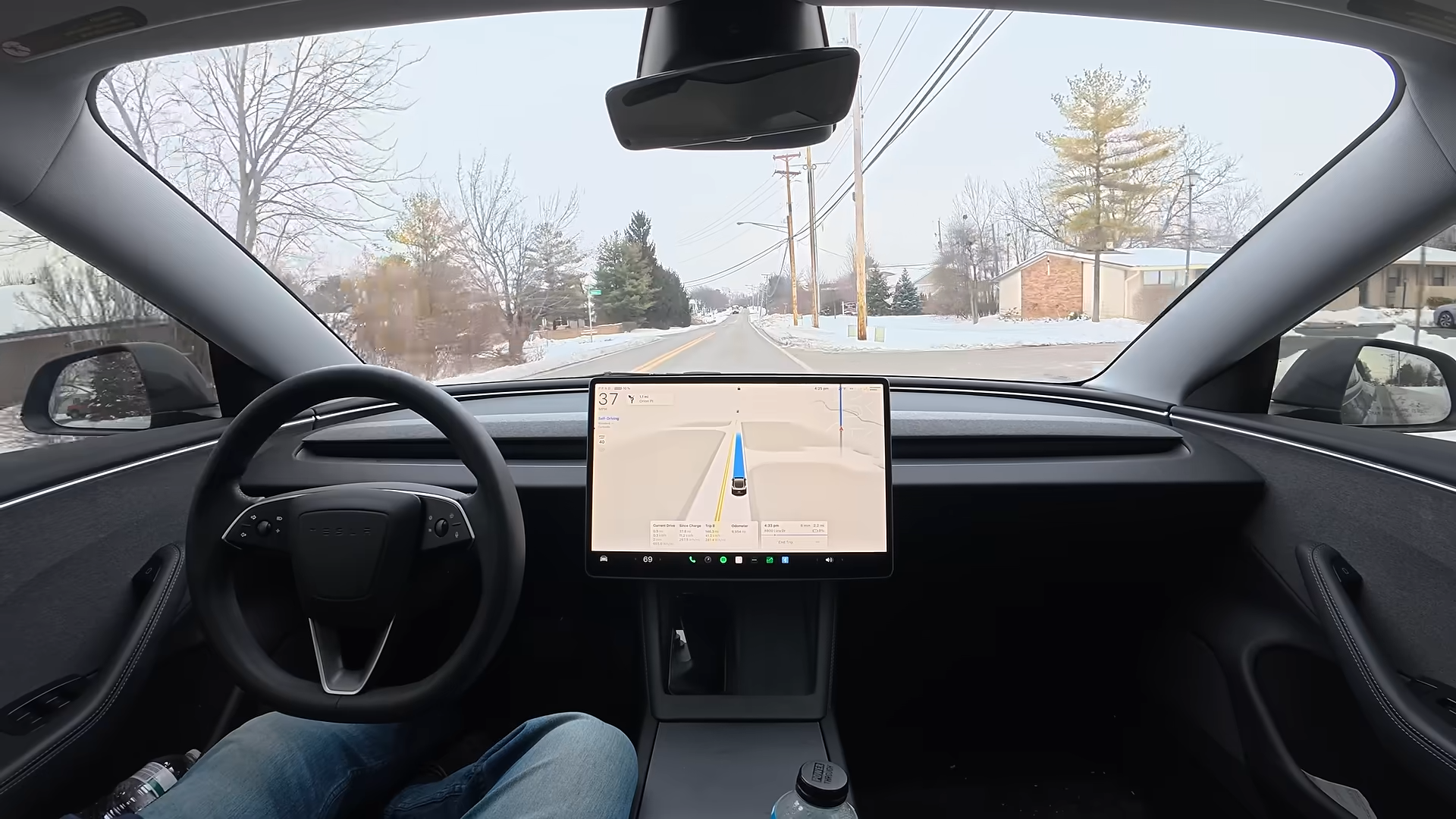
Barry plugs his Tesla into the same kind of wall outlet he’d use for a lamp or a phone. In a Nov. 23 video on his Drive Electric Today channel, the Ohio Tesla owner says the outlet usually adds about 40 miles of range overnight.
That gets him through most of his usual driving. He drives about 40 miles three to five times a week, plus weekend errands, and says he typically makes just one or two Supercharger visits a month when he needs to top up.
The video had topped 60,000 views by Nov. 27. For anyone weighing the cost of installing a faster charger, Barry’s routine raises a practical question. How much range do you need to put back before you leave again?
Barry estimates that he spends about $35 a month on electricity to charge at home. On a road trip to South Florida, he paid more than twice his home rate for electricity at Superchargers.
Between Drives
Embedded media follows; please allow a moment for it to load.
“It’s basically a trickle charge setup,” Barry says. Three to five 40-mile drives means 120 to 200 miles before weekend errands. On days he drives less, he can start the next charge with more range left in the battery.
The U.S. Department of Energy estimates that Level 1 charging from a standard 120-volt outlet adds about two to five miles of range per hour. Barry uses three miles per hour when he does the math for viewers. At that pace, replacing 80 miles of range would take nearly 27 hours, more than a daily commuter driving that distance has between trips.
Tesla’s Mobile Connector manual specifies an outlet on a dedicated, grounded circuit rated for at least 15 amps. It also warns against using extension cords or power strips. With the right adapter and an approved 240-volt outlet, the same portable connector can add up to 30 miles of range per hour, according to Tesla’s home charging guide.
Farther From Home
Barry says he drives roughly 600 to 800 miles a month. He figures that charging at home uses 230 to 240 kilowatt-hours, including some energy lost during charging. At his home rate of 15 cents per kilowatt-hour, that comes out to about $35.
The drive from Ohio to South Florida put a different price on each kilowatt-hour. Barry says he paid an average of about 41 cents per kilowatt-hour at Superchargers on the trip. He told Supercar Blondie that the $262.75 total covered 15 charging stops across the roughly 2,200-mile round trip.