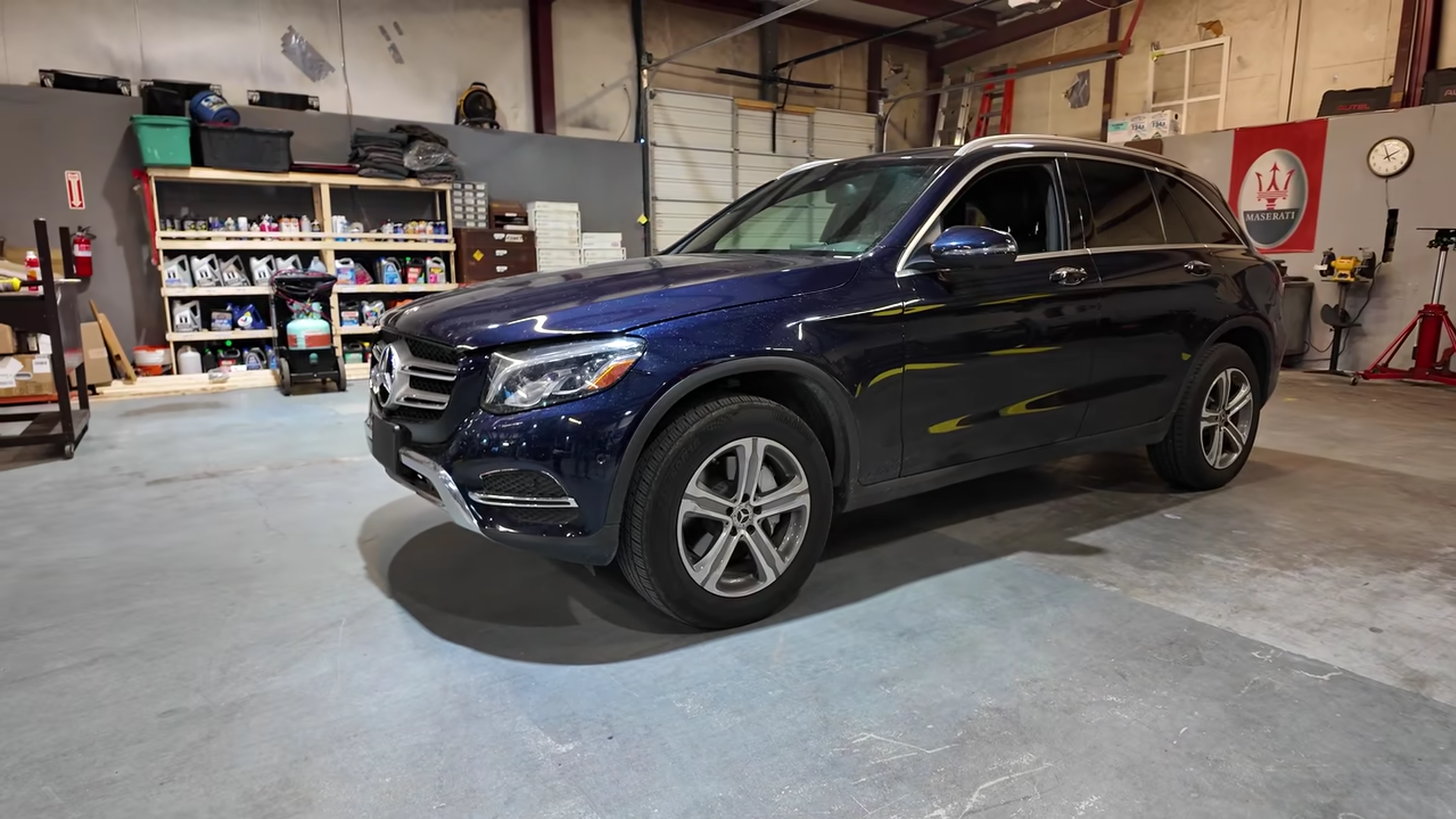
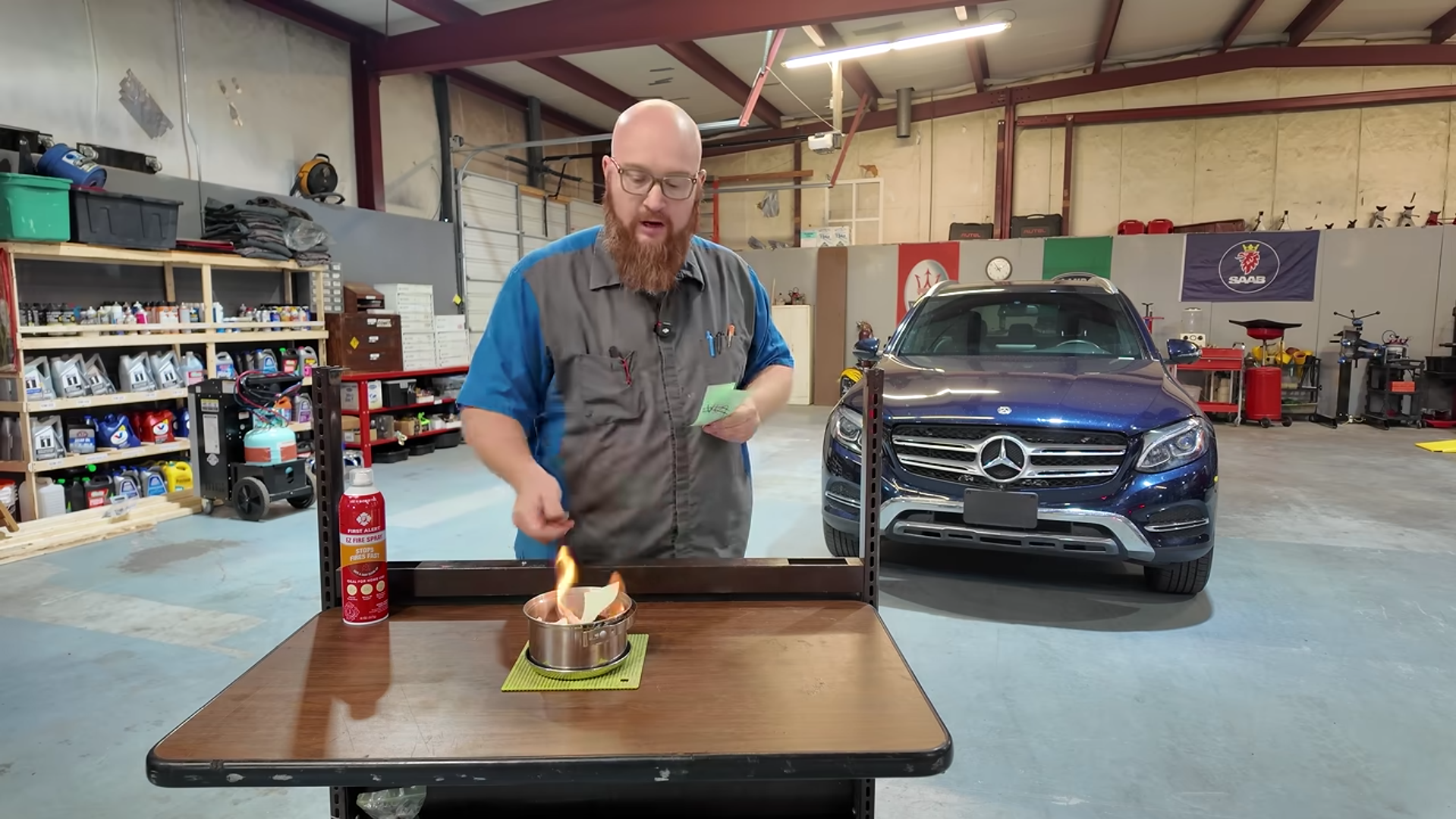
“$1,500 up in smoke. This is not how you fix somebody’s car.” That’s how David Long, better known as the Car Wizard, opens his latest YouTube video, setting paper money alight in a metal container to illustrate what happened to the owner of a 2018 Mercedes-Benz GLC 300.
The luxury SUV had developed a frustrating hesitation whenever its driver accelerated from a stop or attempted to overtake another vehicle. After several seconds of sluggish response, the engine would suddenly deliver the expected power.
According to the Car Wizard, the owner had already spent nearly $1,500 at another repair shop, only to discover that the problem hadn’t gone away. Now, the Mercedes was in his workshop for a second opinion, and he wasn’t impressed by what he found on the previous invoice.
Despite having covered just 68,000 miles and appearing otherwise well maintained, the GLC 300 was hiding an expensive mechanical problem. Worse still, the repair needed to fix it could cost substantially more than the money its owner had already spent.
$1,438 Spent Without Fixing the Problem
The previous workshop had replaced the high-pressure fuel pump, serpentine belt, and spark plugs, charging the customer $1,437.92. According to Long, none of that work resolved the original hesitation.
He said the owner tried returning to the shop but couldn’t secure a satisfactory resolution. Long accused the previous shop of firing the “parts cannon,” replacing several components without identifying the cause of the acceleration problem.
A Loose Wastegate Points to the Turbo
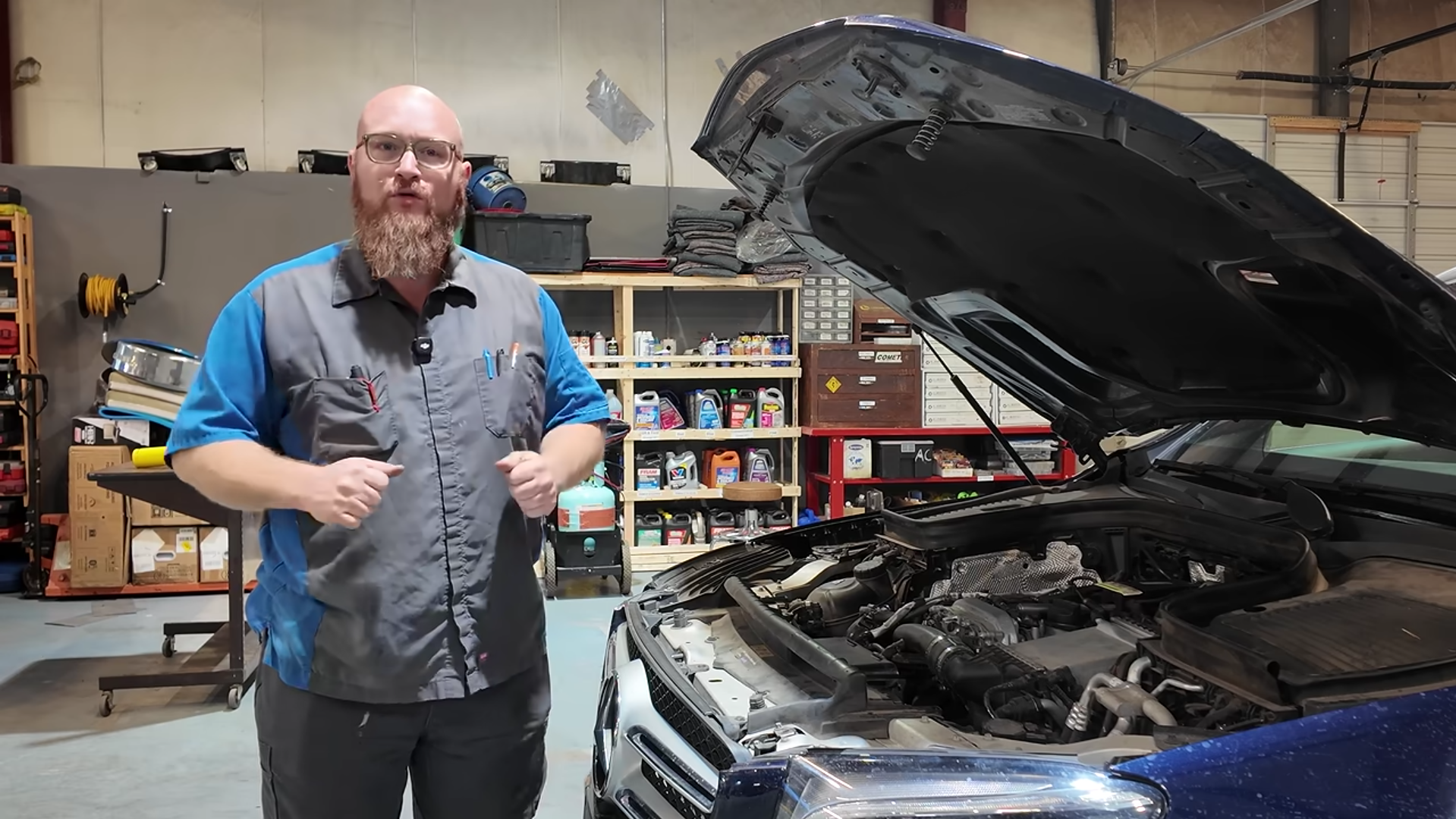
Long suspected the turbocharger’s wastegate, which controls exhaust flow through the turbine. After removing the air cleaner, he discovered substantial play in the mechanism, even though its vacuum actuator held pressure correctly.
“It can’t even seal, guys. It can’t close it shut all the way,” he explained, demonstrating how badly the wastegate mechanism had worn. After checking technical repair information describing similar failures, he concluded that replacing the entire turbocharger was the most reliable solution.
The Real Repair Could Cost $4,000
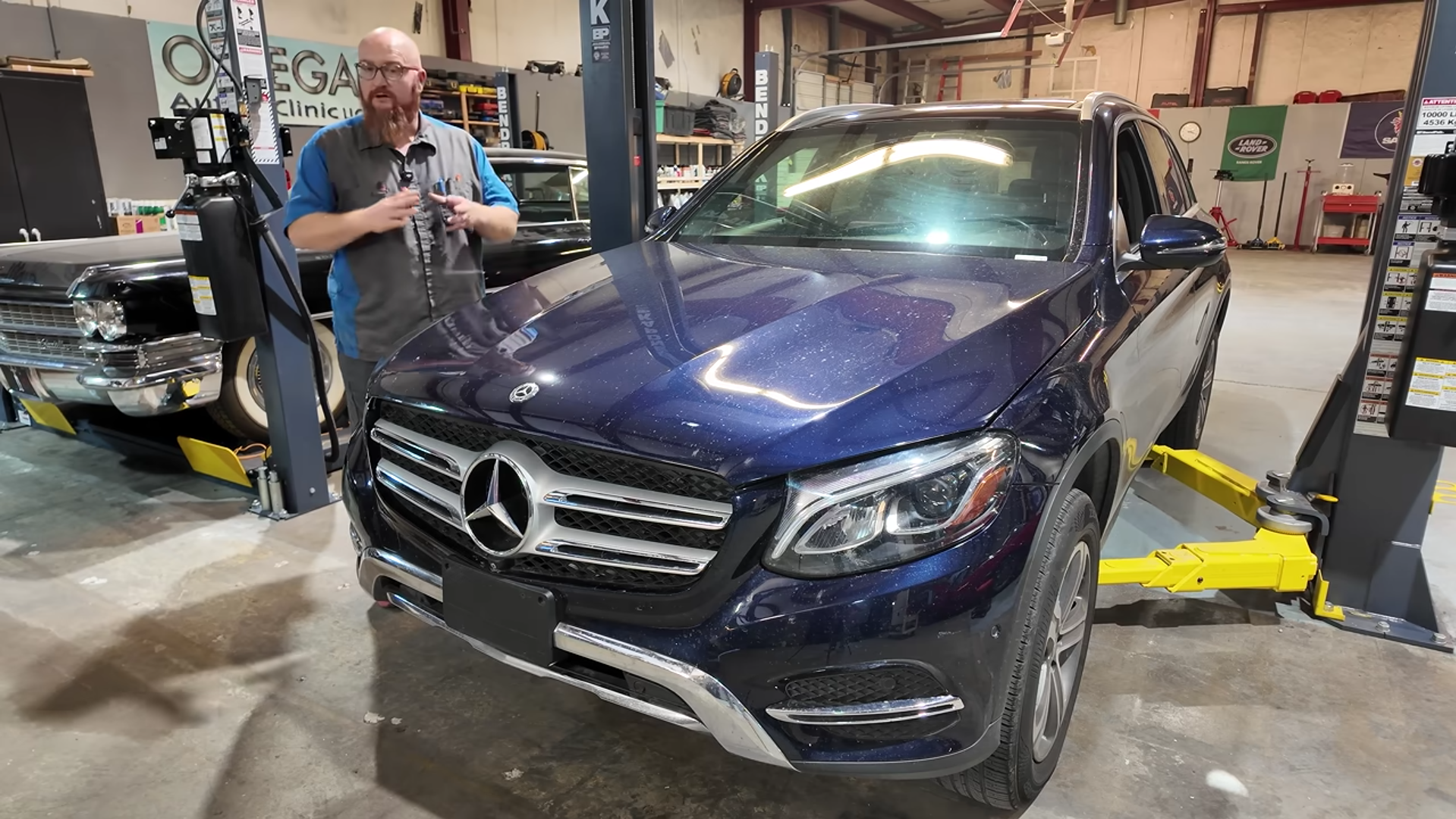
A replacement turbocharger alone costs approximately $2,000–$2,500, according to Long, with installation requiring roughly six hours. Including labor and associated parts, he estimated the repair at $3,500–$4,000.
He suggested the owner consider trading in the SUV rather than investing further money, particularly after the unsuccessful first repair. That recommendation remained his opinion; the customer had not yet decided what to do.
Why Proper Diagnosis Matters
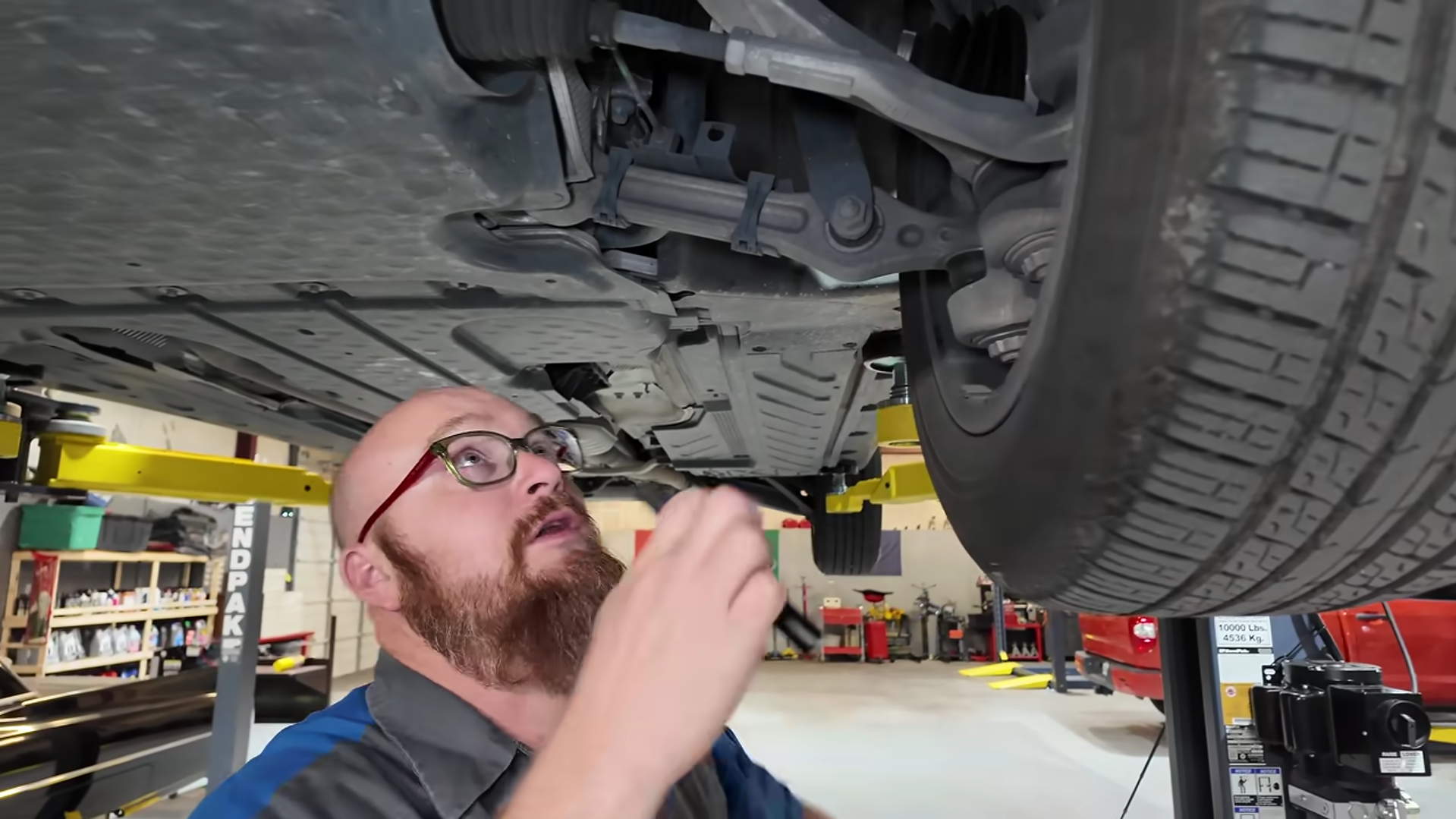
Long argued that checking components and reviewing diagnostic information before authorizing expensive repairs could prevent similar situations. He also inspected the Mercedes underneath and found no major additional problems.
“What about that other $1,500?” he asked, referring to the earlier bill. His answer was blunt: “You just lost that money.”
The case illustrates why a proper diagnosis is important before expensive parts are replaced. Now, the owner faces a difficult decision about the Mercedes, with lots of money already spent and the original problem still not fixed.