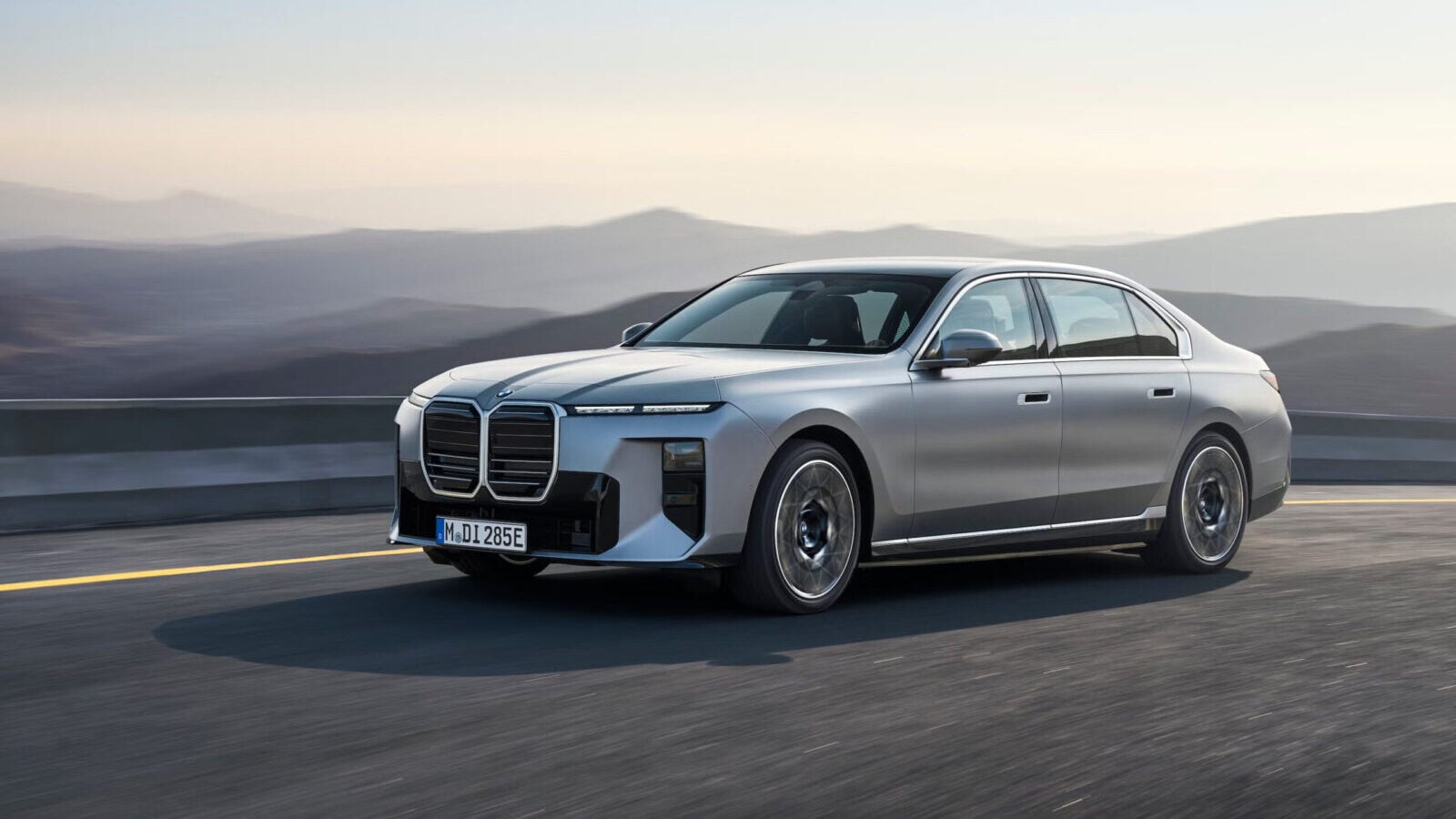
Charging is perhaps the most routine part of electric car ownership, but a software issue has prompted BMW to recall hundreds of its electric sedans. The problem could expose someone to an electric shock during charging, although the manufacturer says the risk is rare.
The affected vehicles are examples of the BMW i5 and i7, two of the German automaker’s premium electric sedans. Although the recall covers a relatively small production batch, the potential consequences make the issue difficult to ignore.
According to documents filed with the National Highway Traffic Safety Administration (NHTSA), BMW discovered that certain charging components might contain testing software instead of the correct production version. The discrepancy raises concerns about how the vehicles manage high-voltage battery charging.
Although the recall involves relatively few vehicles, the potential consequences are serious enough to warrant a safety campaign. BMW has identified the affected production batches and outlined a straightforward remedy.
Nearly 300 Electric BMWs Recalled
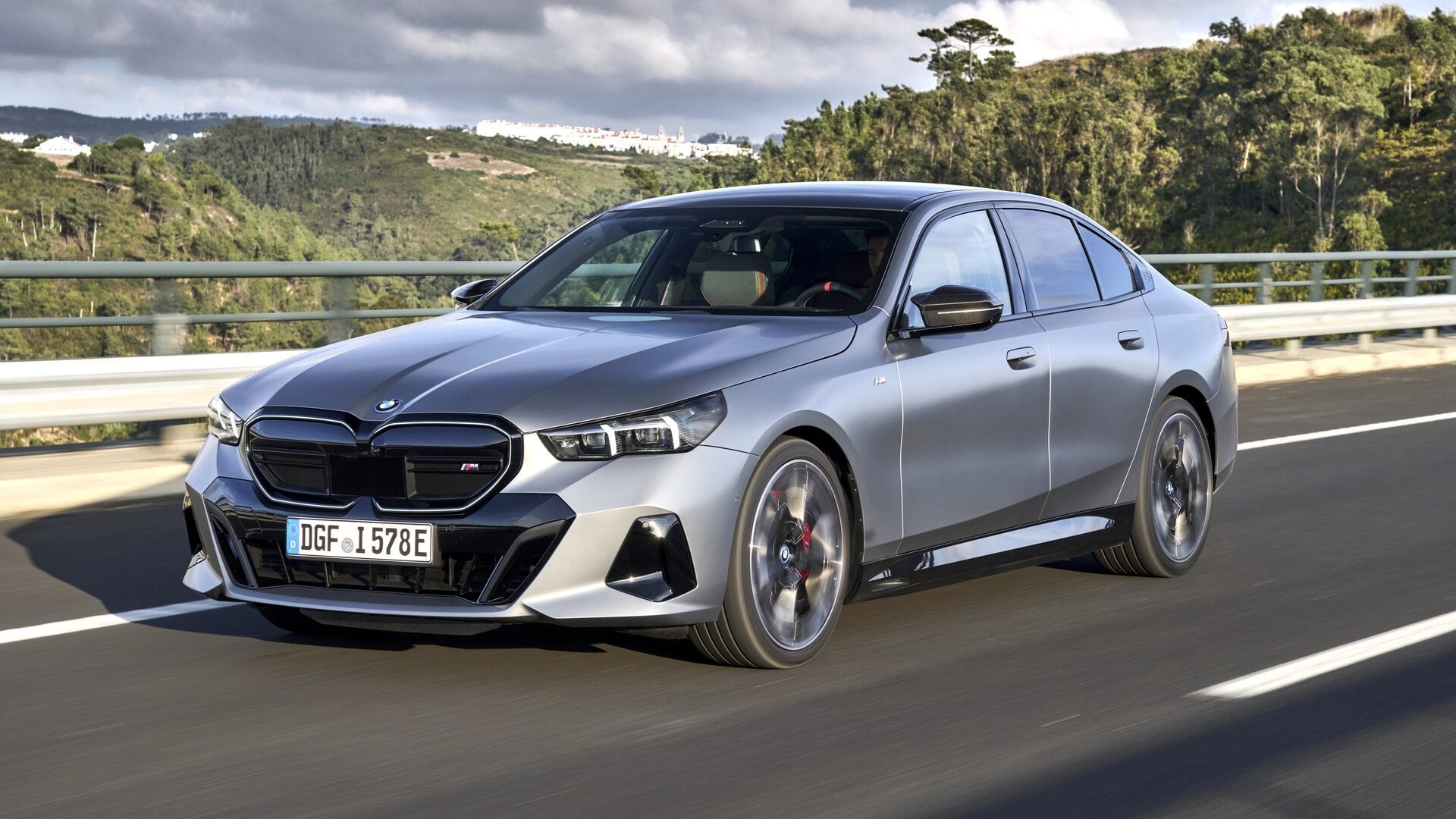
The recall covers 286 potentially affected vehicles, including 236 examples of the 2026–2027 BMW i5 and 50 examples of the 2027 BMW i7. The affected variants include the i5 eDrive40, xDrive40, and M60, alongside the i7 xDrive50 and xDrive60.
The i5 vehicles were manufactured between May 12 and July 22, 2026, while the affected i7 sedans were built between June 15 and July 23. BMW estimates that approximately 0.2% of the recalled population actually contains the defect.
Testing Software May Have Reached Production Cars
BMW learned about the potential problem on October 8, when charging-port supplier TE Connectivity Solutions alerted the manufacturer. An investigation found that some charging units might have shipped with testing software rather than the intended production software.
According to NHTSA, incorrect charging software could increase the risk of electric shock and injury. The documents do not explain the precise circumstances that could cause a shock, and BMW reports no known related accidents or injuries.
BMW Will Fix the Problem for Free
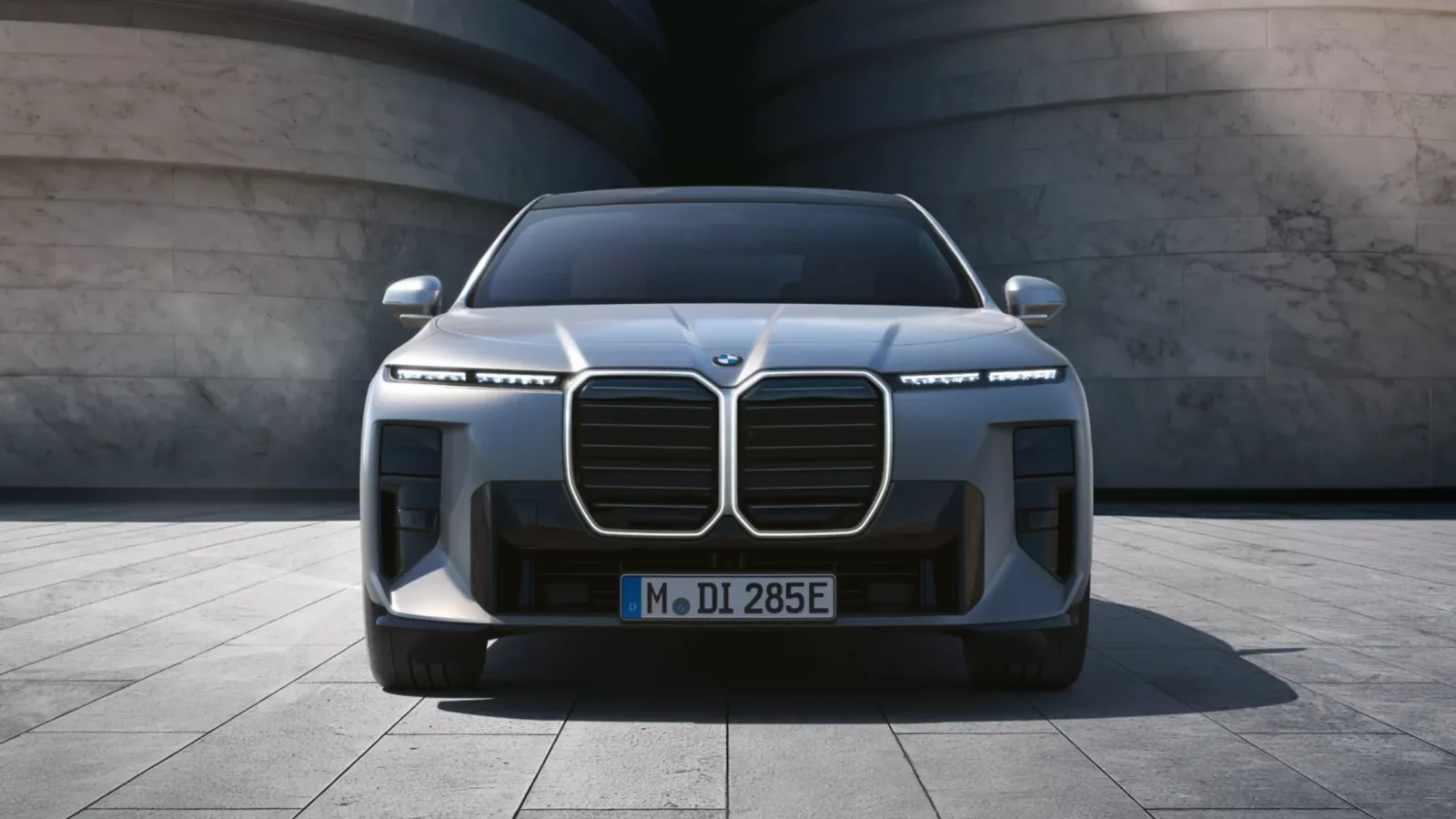
BMW decided to conduct the voluntary recall on October 28, 2026, with the campaign registered under NHTSA number 26V731. Authorized BMW dealerships will update the affected vehicles’ charging software at no cost to owners.
Notification letters are scheduled for December 25, 2026, when affected VINs should also become searchable through NHTSA’s website. Owners can contact BMW at 1-800-525-7417 or check https://www.nhtsa.gov/recalls for recall information.
The documents do not specify any charging restrictions or confirm an over-the-air remedy. Owners concerned about their vehicles should contact an authorized BMW dealer for guidance rather than assume the software issue has already been corrected.