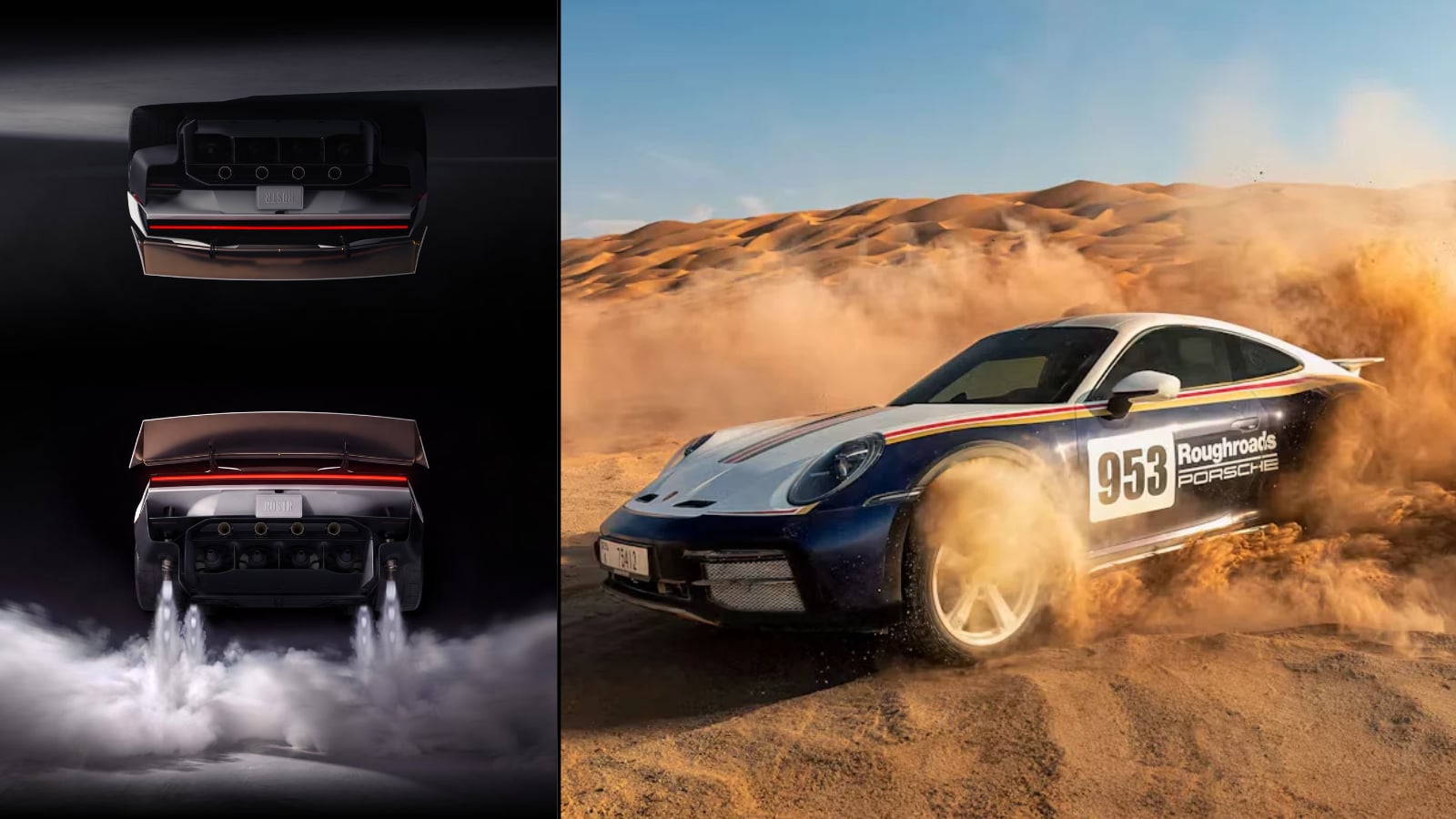

Tesla certainly knows how to put on a show, especially when Elon Musk introduces a new vehicle to the world. However, Porsche CEO Michael Leiters doesn’t seem particularly impressed with the theatrics surrounding Tesla’s latest Roadster presentation, making it clear that the German automaker has a very different idea of what a flagship sports car should offer.
Both Porsche and Tesla unveiled their respective halo cars on October 15, although the presentations couldn’t have been more different. While Tesla demonstrated a Roadster using compressed-air thrusters to launch into the air and perform a midair flip, Porsche introduced its Mission S concept with a much greater emphasis on traditional sports car engineering.
According to Bloomberg, at an automotive conference in Berlin on November 11, Leiters said Porsche has no interest in following Tesla’s approach to vehicle demonstrations. “We want to completely steer clear from any kind of effects and shows,” the executive said, emphasizing that Porsche would rather demonstrate tangible technological innovation than rely on elaborate stunts.
It’s an interesting criticism, given that Tesla’s Roadster has been in development for nearly a decade, with the original second-generation prototype appearing in 2017. While watching a car launch itself into the air is certainly entertaining, it’s understandable why a competing manufacturer might argue that building an exceptional production vehicle matters more than putting on an unforgettable presentation.
Porsche’s Mission S Takes a Different Approach to the Supercar Market
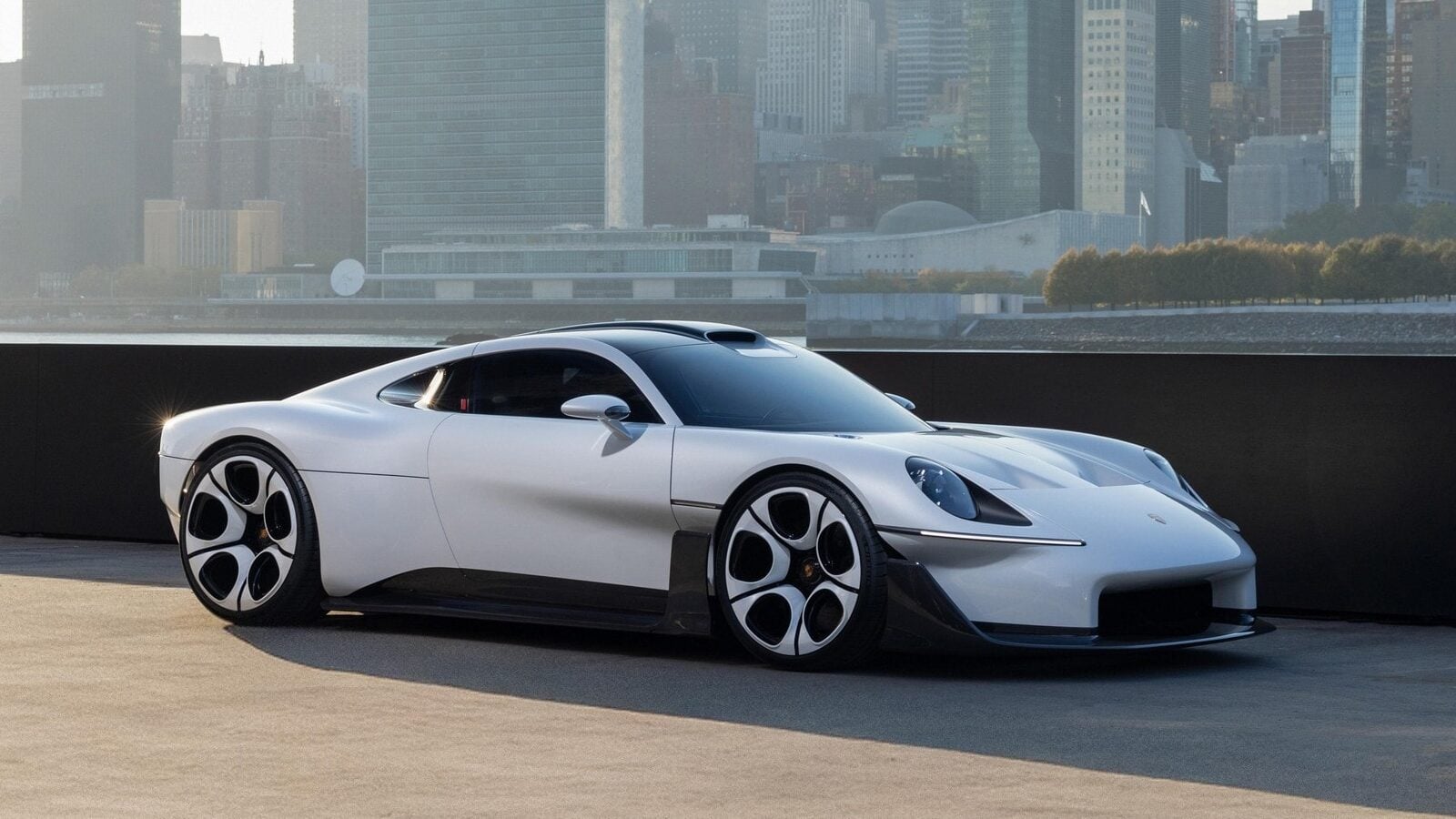
Unlike Tesla’s all-electric Roadster, Porsche’s Mission S concept is a mid-engined supercar designed to accommodate either a conventional combustion engine or a hybrid powertrain. Positioned above the iconic 911, which currently starts at around $135,500 according to the Porsche website, the vehicle would represent Porsche’s return to the upper end of the supercar market for the first time since production of the 918 Spyder ended in 2015.
Leiters described the response to the Mission S as “overwhelming,” suggesting that Porsche’s wealthiest customers are interested in something more exclusive than the company’s existing sports car lineup. The concept features the brand’s familiar sloping roofline, prominent rear fan, distinctive fenders, and dial-style wheels, although Porsche hasn’t confirmed whether the vehicle will eventually enter production.
Tesla, meanwhile, is pursuing a considerably more unconventional approach with its next-generation Roadster, including proposed variants equipped with compressed-air thrusters and advanced aerodynamic systems. During its October presentation, the automaker demonstrated the Roadster accelerating up a curved ramp, launching into the air, rotating midair, and landing on its wheels, while also claiming that a thruster-equipped version could reach 60 mph in less than one second.
Tesla’s Roadster Still Faces Questions About Production and Performance
Despite the impressive demonstration, Tesla has yet to announce firm pricing or a confirmed production schedule for the new Roadster. Musk has mentioned 2028 as a potential target, but considering the vehicle was originally revealed in 2017, prospective buyers have plenty of reasons to remain cautious about when they’ll actually be able to drive one.
Porsche has its own unanswered questions, particularly regarding whether the Mission S will make it into production and what kind of engine might eventually power it. The company has designed the concept to accommodate both hybrid and combustion powertrains, but specific engine details and pricing remain unconfirmed, even as Porsche looks toward more expensive and exclusive vehicles to improve its profitability.
Ultimately, Porsche and Tesla are chasing two very different visions of what a modern supercar should be, with one emphasizing exclusivity and traditional performance engineering while the other experiments with technology that sounds closer to science fiction. Both approaches are interesting, but until Porsche commits to building the Mission S and Tesla finally delivers its long-awaited Roadster, the real test will be whether either company can turn its ambitious presentation into a car customers can actually buy.