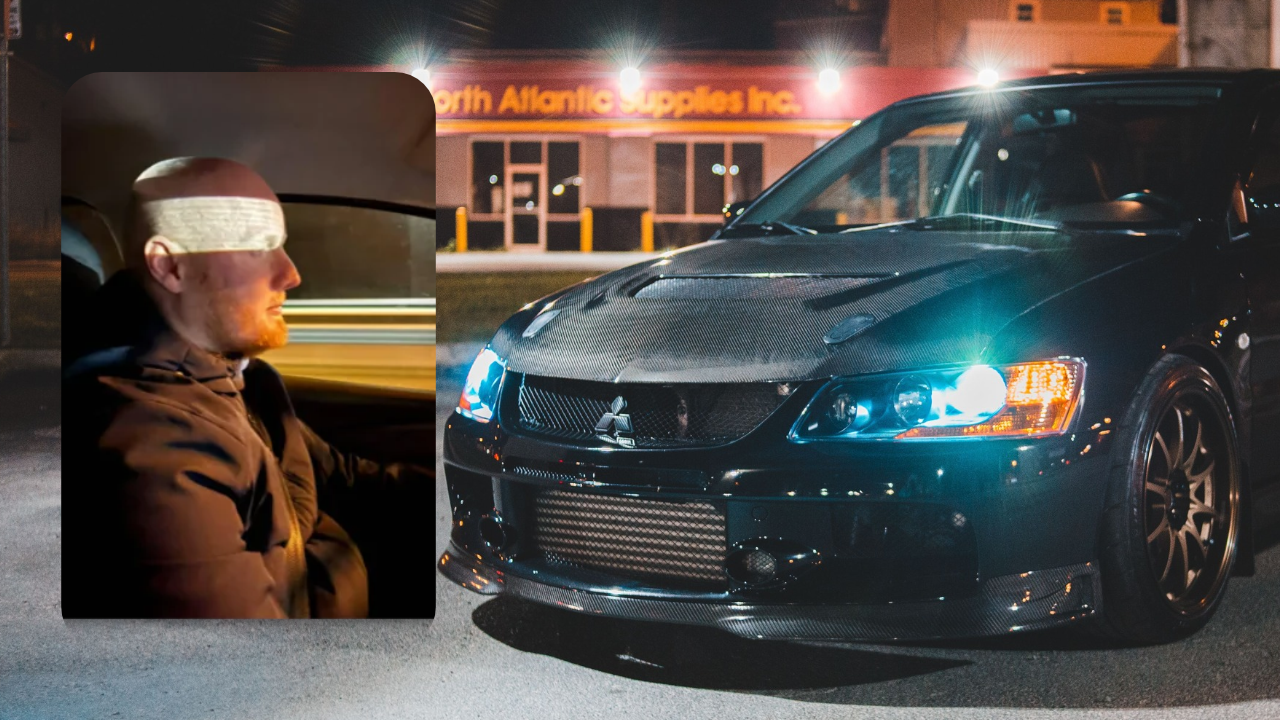
A Reddit driver has found a new reason to wear sunscreen: modern car headlights. A photo shows a bright white beam shining across his face while he sits inside a car at night. The joke has struck a nerve with drivers who know the feeling all too well.
Posted to r/mildlyinfuriating on November 9, the photo came with a question about whether sunscreen might be needed after dark. Thousands of people joined the discussion, and many had stories of their own.
Some complained about tall trucks and SUVs. Others pointed to newer cars with bright factory lights. For people who drive smaller vehicles, the problem can be worse. A passing car can light up the entire cabin, making it hard to see the road ahead.
Now, the issue is getting attention from federal safety officials. The National Highway Traffic Safety Administration (NHTSA) is reviewing vehicle lighting rules, including how headlights affect people in other cars.
A Bright Idea
Embedded media follows; please allow a moment to load.
The post got plenty of laughs, but many replies were serious. One person said they nearly hit someone in a crosswalk because another car’s headlights made it hard to see.
Another driver described a problem on hilly roads. When a car points uphill, its lights can shine straight into the eyes of someone coming the other way.
Some people said the drivers themselves aren’t always to blame. One car owner explained that other motorists often flash their lights at them, even though the headlights came with the vehicle.
That left several commenters asking why carmakers are selling vehicles with lights that seem too bright for everyday traffic.
Why So Bright?

Headlights have come a long way from the soft yellow glow found on many older cars. Today, drivers may encounter halogen, LED, or high-intensity discharge (HID) headlights.
A CarParts.com guide explains how these systems differ. Halogen bulbs usually give off warmer, yellow light. LEDs often produce a cooler white glow, use less power, and last much longer. HID headlights can also create a strong, bluish-white beam.
But brightness isn’t the whole story. Where the light goes matters just as much.
Headlights are designed to send light toward the road, not into another driver’s eyes. Some use mirrors to direct the beam, while others use lenses and shields to control its path.
Problems can arise when lights are aimed too high. Road hills and changes in vehicle height can also put a beam right in someone’s line of sight.
Who Should Fix It?
That question started another debate in the comments. Some people blamed drivers who install aftermarket bulbs or raise their trucks without adjusting the lights.
Others felt carmakers should do more. After all, people buying a new vehicle shouldn’t have to worry about whether its headlights are bothering everyone else.
There are already federal rules for vehicle lighting. Federal Motor Vehicle Safety Standard No. 108 sets requirements for how headlights work and where their light is directed.
Still, meeting those rules doesn’t mean a headlight will never cause glare. That is one reason federal officials are taking another look.
On October 6, NHTSA announced plans to review the standards. The agency wants to study LED headlights, automatic high beams, headlight height, and how lights are aimed.
It also plans to bring together car industry experts, engineers, and safety groups to help decide what should change.
The first public comment period closed on November 9, 2026. According to the Federal Register notice, the advisory committee could work for up to two years unless its charter is renewed.
Any changes to federal lighting rules would still need to go through the rulemaking process before taking effect.