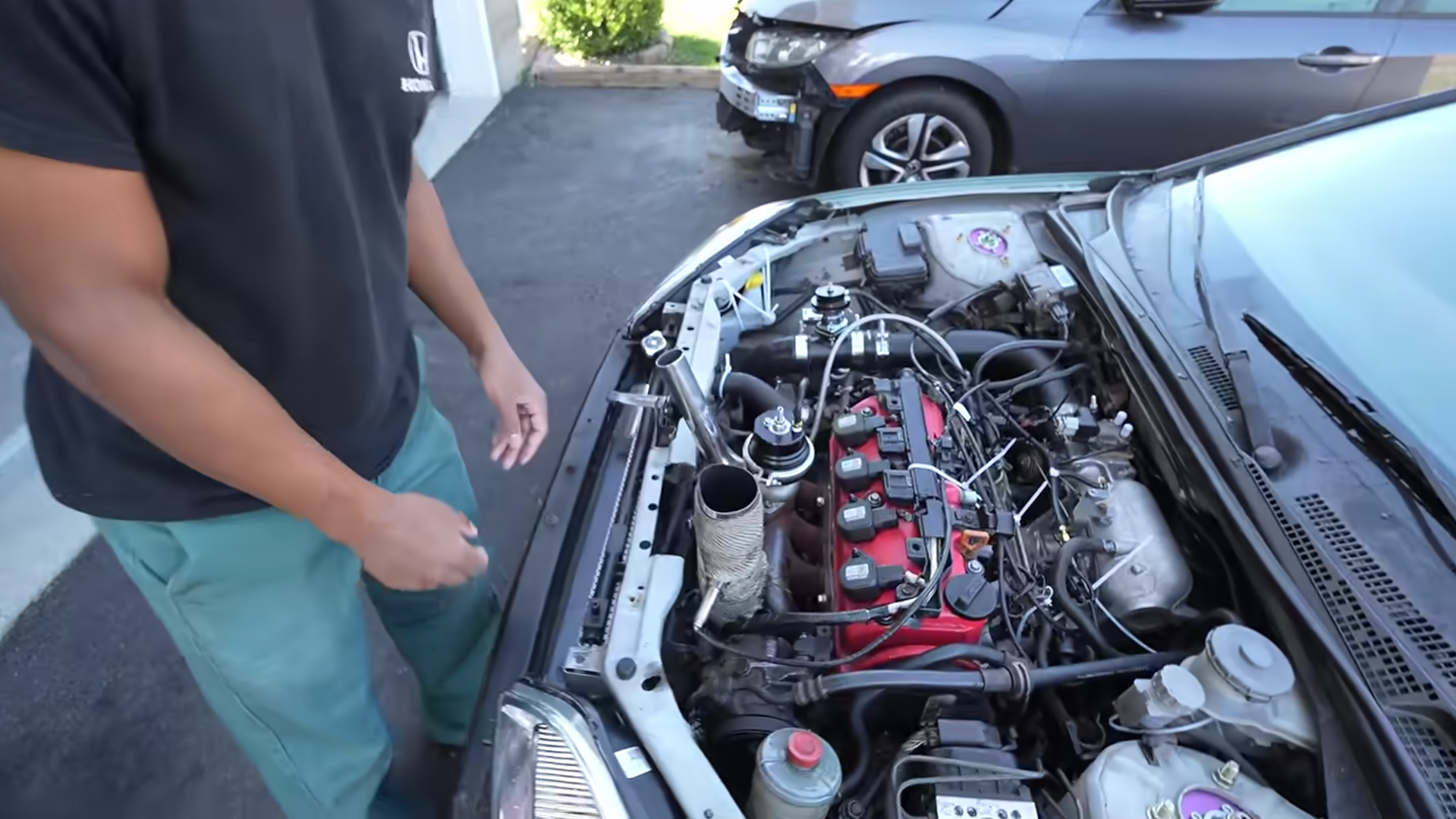
Ask any experienced engine tuner, and they will tell you that getting the most from a turbocharged Honda Civic takes more than installing bigger injectors and turning up the boost. Getting the fuel delivery and ignition timing wrong can turn an exciting project into an expensive collection of broken engine parts.
YouTuber Isaac Jetter decided to try an unconventional approach, asking ChatGPT to help tune his modified Civic. With a laptop connected to the car’s ECU, he worked through several settings using the chatbot’s suggestions.
The experiment, documented on Jetter’s YouTube channel, involved a turbocharged Honda D17 engine running stock internals. Its modifications included a Maxpeedingrods turbo kit, 450cc injectors, an upgraded fuel pump, and a wideband air-fuel ratio gauge.
Jetter admitted he wasn’t a professional tuner and knew the experiment carried risks. What followed would eventually lead to a second video, where he dismantled the engine to discover the extent of the damage.
ChatGPT Takes the Tuning Seat
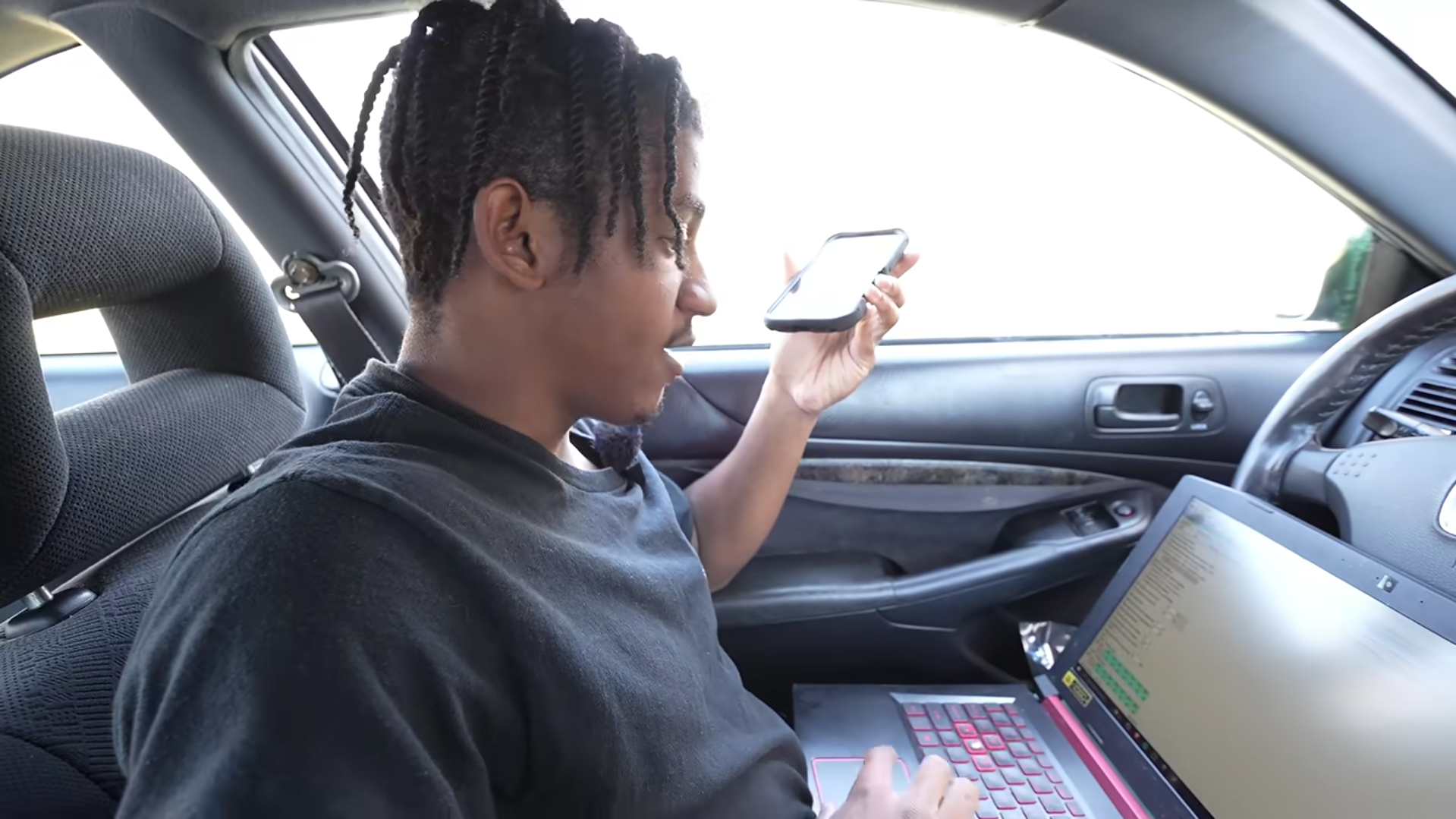
Using Hondata KPro software, Jetter asked ChatGPT about boost control, closed-loop operation, and injector settings. The chatbot advised leaving boost control untouched until its configuration was verified, switching to open-loop operation, and entering the injectors’ specifications.
It also told him to obtain the correct injector dead-time values rather than guessing. After entering those figures, Jetter uploaded the calibration and started the Civic.
Trouble Appears on the Road
The engine initially ran, but the Civic soon began cutting out under acceleration. Jetter reported boost reaching approximately 12 psi, compared with the nine or ten psi he had previously observed.
After a no-start incident and a successful bump-start, he noticed erratic air-fuel readings and suspected fuel delivery problems. Despite those warning signs, he continued testing.
One More Pull Ends the Experiment
Believing low fuel and 87-octane gasoline might be contributing to the trouble, Jetter added 93-octane fuel. The Civic initially seemed happier, encouraging him to attempt another acceleration run.
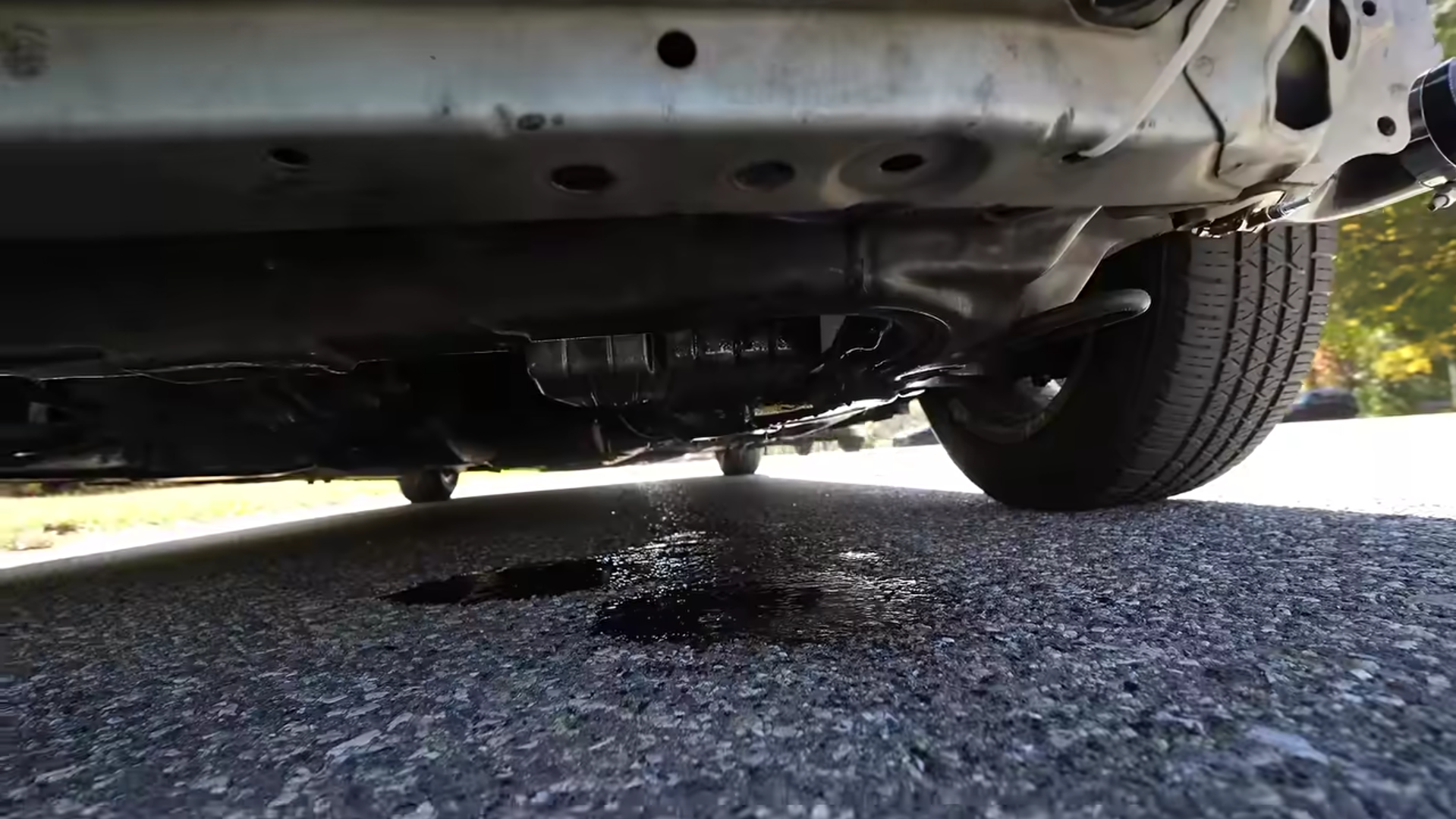
That pull ended with a violent mechanical failure, smoke, and oil escaping from the engine. Jetter immediately suspected a connecting rod had punched through the block.
The Teardown Reveals the Damage
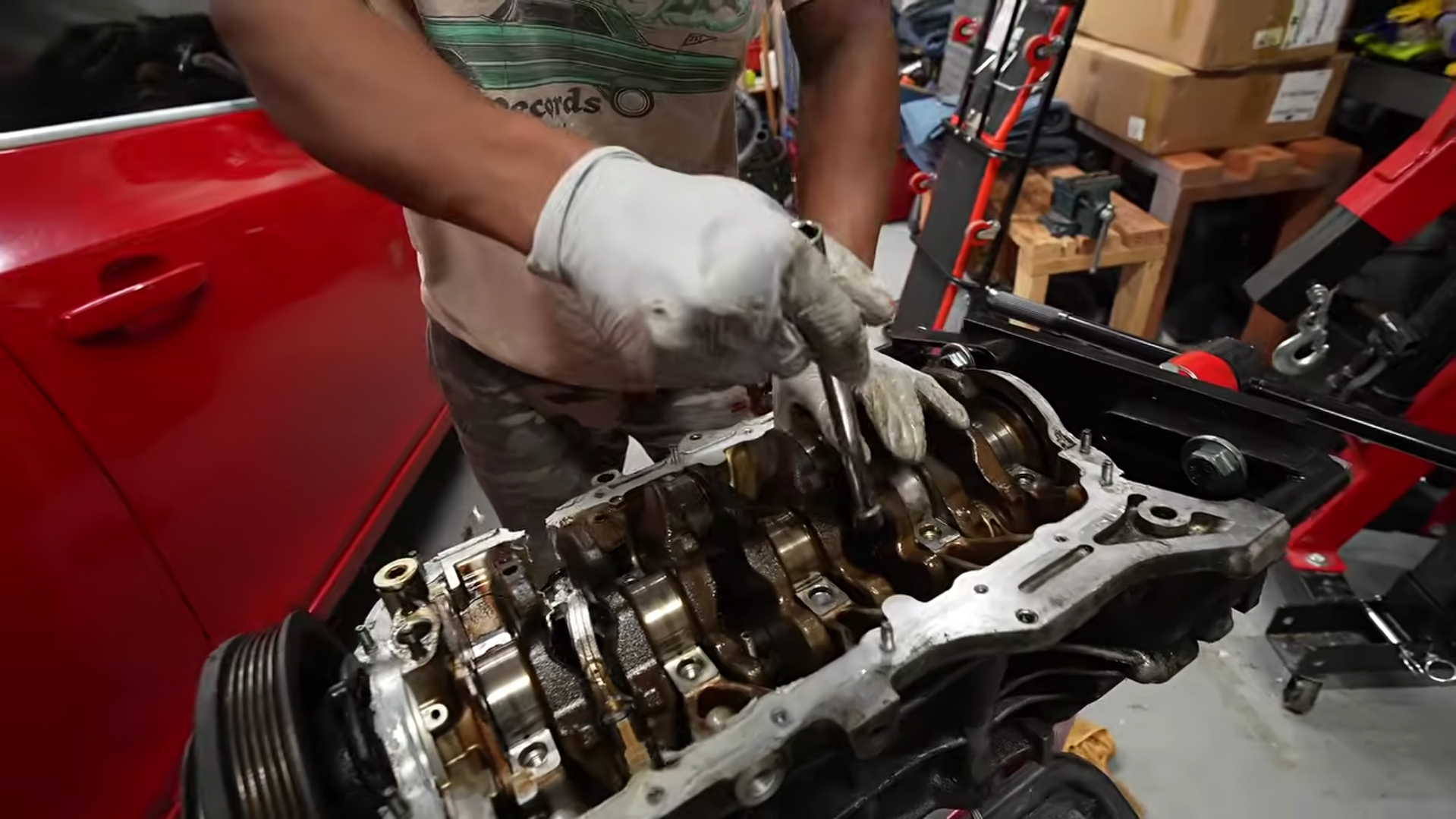
In a follow-up video, Jetter removed the engine and discovered holes in both sides of the block. Inside, one connecting rod had snapped, its piston was shattered, and debris had damaged the oil pan and oil pickup.
The teardown confirmed catastrophic internal damage, but it didn’t establish what triggered the failure. Fuel delivery problems, excessive cylinder pressure, ignition calibration, or the engine’s existing condition could have contributed, although none was conclusively identified.
Jetter acknowledged continuing to push the Civic despite knowing something was wrong. The lesson wasn’t that ChatGPT alone destroyed the engine, but that unverified tuning advice and repeated high-load testing can be a costly combination.