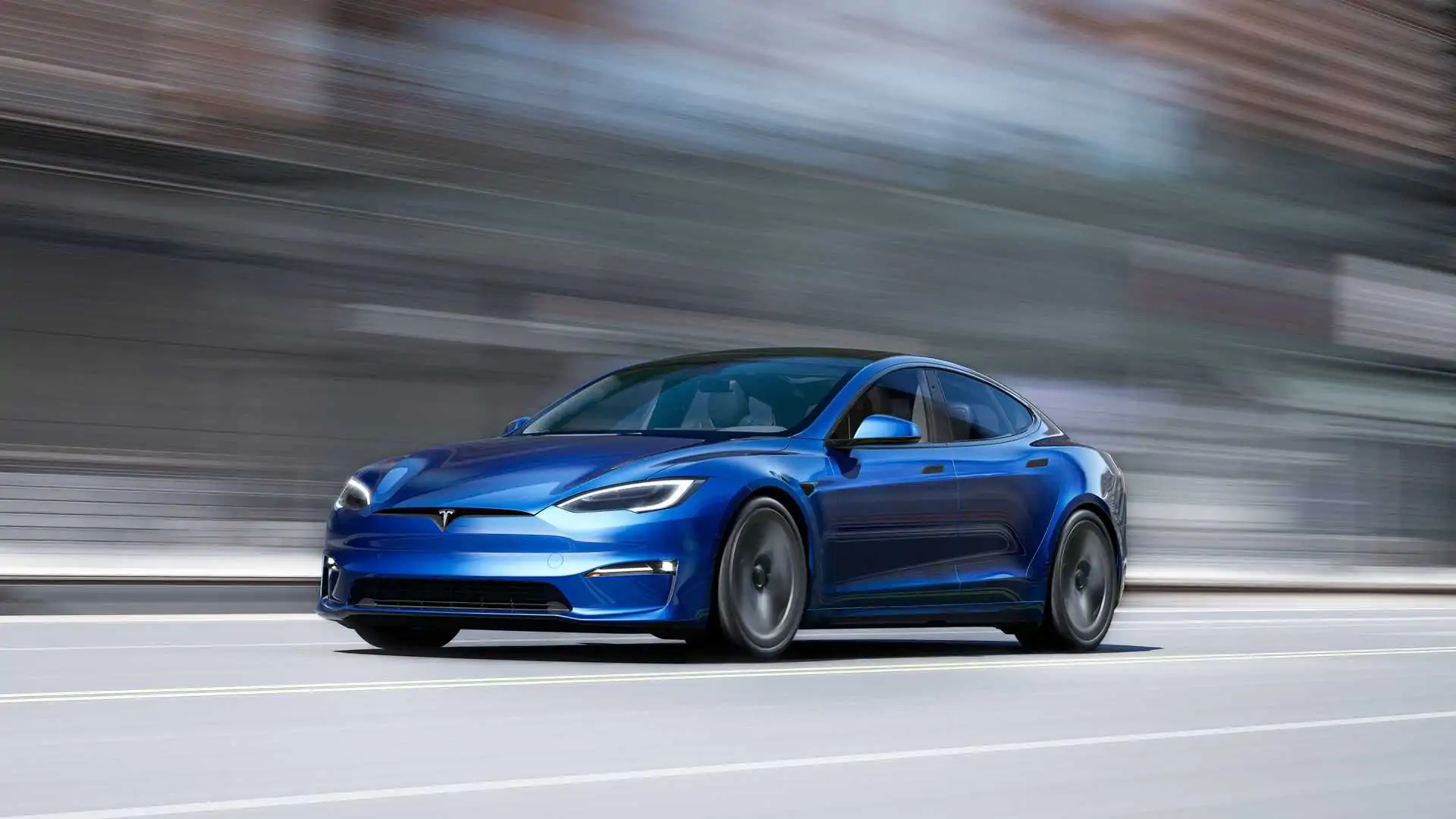
Tesla is asking a federal appeals court to overturn a $243 million judgment stemming from a fatal Florida Keys crash, arguing that a distracted driver, rather than defects in its Autopilot system, caused the collision. The company filed its latest brief with the U.S. Court of Appeals for the Eleventh Circuit on November 6, 2026.
The case dates to April 25, 2019, when a Tesla Model S ran through a stop sign at approximately 62 mph and struck a parked Chevrolet Tahoe. The collision killed 22-year-old Naibel Benavides Leon and seriously injured her boyfriend, Dillon Angulo.
A federal jury found Tesla 33% responsible for the crash in August 2025, assigning the remaining 67% to driver George McGee. Jurors awarded $129 million in compensatory damages and imposed another $200 million in punitive damages against Tesla, bringing the company’s share of the judgment to $242.57 million.
Tesla maintains that McGee ignored warnings and misused technology he knew required his attention. The plaintiffs argue that the company encouraged excessive trust in Autopilot while failing to implement adequate safeguards. The dispute has also drawn political attention, with the attorneys general of Florida, Alabama and Georgia supporting Tesla’s appeal.
A Deadly Crash in the Florida Keys
McGee was driving his 2019 Tesla Model S on Card Sound Road near Key Largo shortly after 9 p.m. when he dropped his cellphone and looked down to retrieve it. With Autopilot engaged, the vehicle continued toward a T-intersection, passed through a stop sign, and struck the parked Tahoe.
The impact sent the Tahoe into Benavides Leon and Angulo, who were standing nearby. Angulo suffered extensive injuries, including fractures to his spine, jaw, and pelvis, along with internal injuries.
McGee acknowledged that he was responsible for controlling the vehicle. However, he also testified that he trusted Autopilot too much and would not have taken his eyes off the road if he had been driving without the system engaged.
Monroe County court records show McGee was cited for careless driving following the fatal crash. He pleaded no contest in January 2020; however, the judge withheld adjudication, so he was not formally found guilty. McGee was assessed $1,106 and ordered to complete a 16-hour driver improvement course, which he finished in July 2020.
Tesla’s November filing emphasizes that McGee was pressing the accelerator and that the vehicle issued warnings before the collision. During the final 49 seconds, Tesla says the car displayed a message explaining that cruise control would not brake while the accelerator was pressed.
The plaintiffs dispute whether the vehicle provided an adequate forward collision warning before impact. Their attorneys say crash data showed the Tesla detected the parked SUV and a pedestrian but failed to warn McGee or apply emergency braking.
Jury Assigns Tesla 33% of the Blame
The jury awarded $59 million in compensatory damages to Benavides Leon’s family and $70 million to Angulo. Since the jury assigned McGee 67% of the fault, Tesla’s share of those damages was reduced to $42.57 million.
Jurors then added $200 million in punitive damages, which are intended to punish particularly serious misconduct rather than compensate victims for their losses.
The plaintiffs argued that Tesla marketed Autopilot as more capable than it was, citing statements by CEO Elon Musk and promotional materials suggesting its vehicles could drive themselves. They also challenged Tesla’s decision to allow Autopilot on roads with intersections and stop signs, as well as its reliance on steering-wheel monitoring to determine whether drivers were paying attention.
The trial included a dispute over crash data Tesla initially failed to produce. A federal judge found the company had possessed the requested information and imposed monetary sanctions for the resulting delays and expenses. However, the judge found insufficient evidence that Tesla intentionally concealed or destroyed the material.
U.S. District Judge Beth Bloom rejected Tesla’s attempt to overturn the verdict in February 2026, finding that the evidence presented at trial supported the jury’s decision.
Florida Attorney General Joins Tesla’s Fight Against the Verdict
Florida Attorney General James Uthmeier entered the dispute in July, when Florida, Alabama and Georgia filed a joint brief supporting Tesla. The states argued that excessive punitive damages could discourage manufacturers from developing innovative safety technologies.
The involvement attracted scrutiny over political contributions connected to Uthmeier.
Investigative journalist Jason Garcia reported in Seeking Rents that a political committee linked to the Southern Group, a lobbying firm representing Tesla in Florida, contributed $25,000 to Uthmeier’s fundraising committee about three weeks before the states filed their brief.
The Southern Group also lobbied on liability issues involving advanced driver-assistance systems. The firm represents numerous clients, and the donation’s timing does not establish that it influenced Uthmeier’s decision to support Tesla.
Florida lawmakers separately considered Senate Bill 1616, which proposed limiting liability for manufacturers of advanced driving systems and restricting punitive damages. The legislation died in committee on March 13, 2026.
Tesla’s latest filing asks the appeals court to overturn the verdict entirely, order a new trial, or eliminate or substantially reduce punitive damages. The plaintiffs want the original judgment upheld.
The Eleventh Circuit has not yet ruled, leaving the $243 million judgment unresolved more than seven years after the crash.