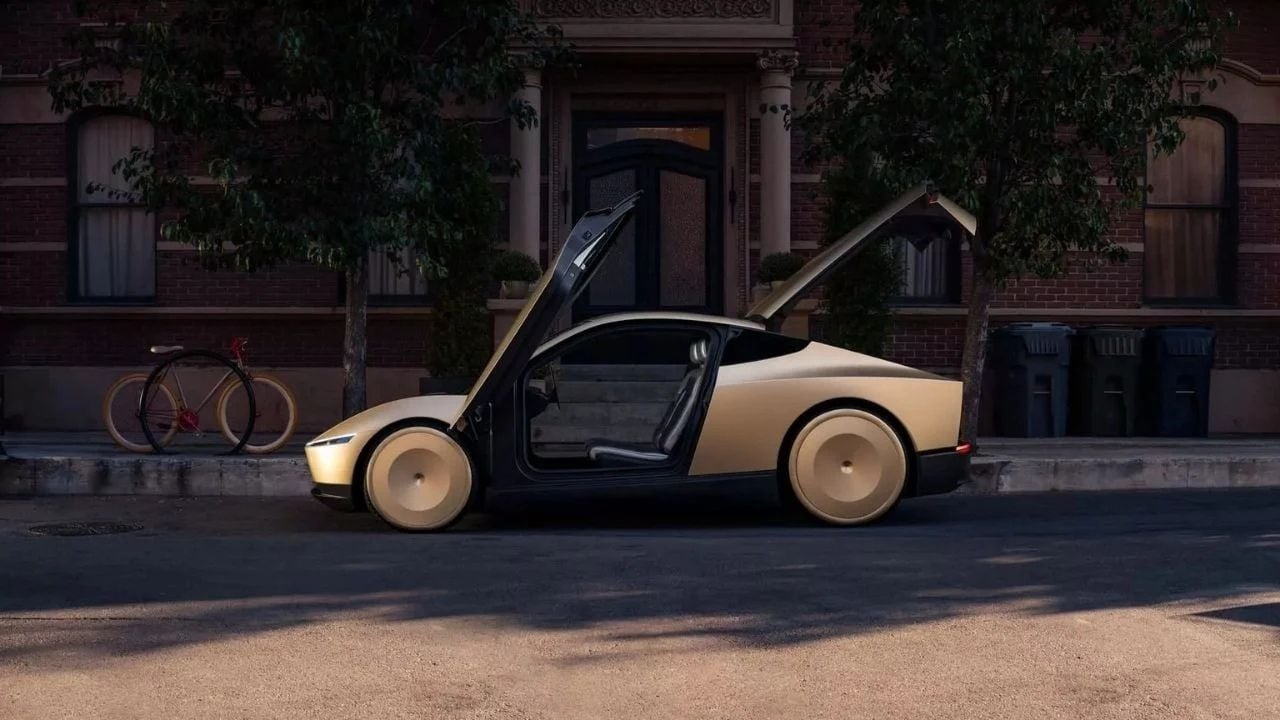
Tesla’s Cybercab is supposed to represent a future where cars drive themselves without human intervention. There’s just one tiny problem: federal vehicle safety standards still have requirements written around steering wheels, pedals, and other conventional driving controls.
The electric two-seater is designed to operate without those familiar components, raising questions about how Tesla can certify that it meets federal safety standards. The National Highway Traffic Safety Administration (NHTSA) wants answers, particularly concerning regulations that explicitly reference physical controls.
According to an official NHTSA document dated October 30, 2026, Tesla has responded to the agency’s questions about the Cybercab. However, the publicly available filing contains no explanation of how the vehicle satisfies the relevant requirements.
Instead, Tesla has designated its entire submission as confidential business information, leaving the public unable to examine the company’s reasoning, even as the Cybercab moves toward a future in which passengers have no conventional means of taking control.
Federal Rules Still Expect Physical Controls
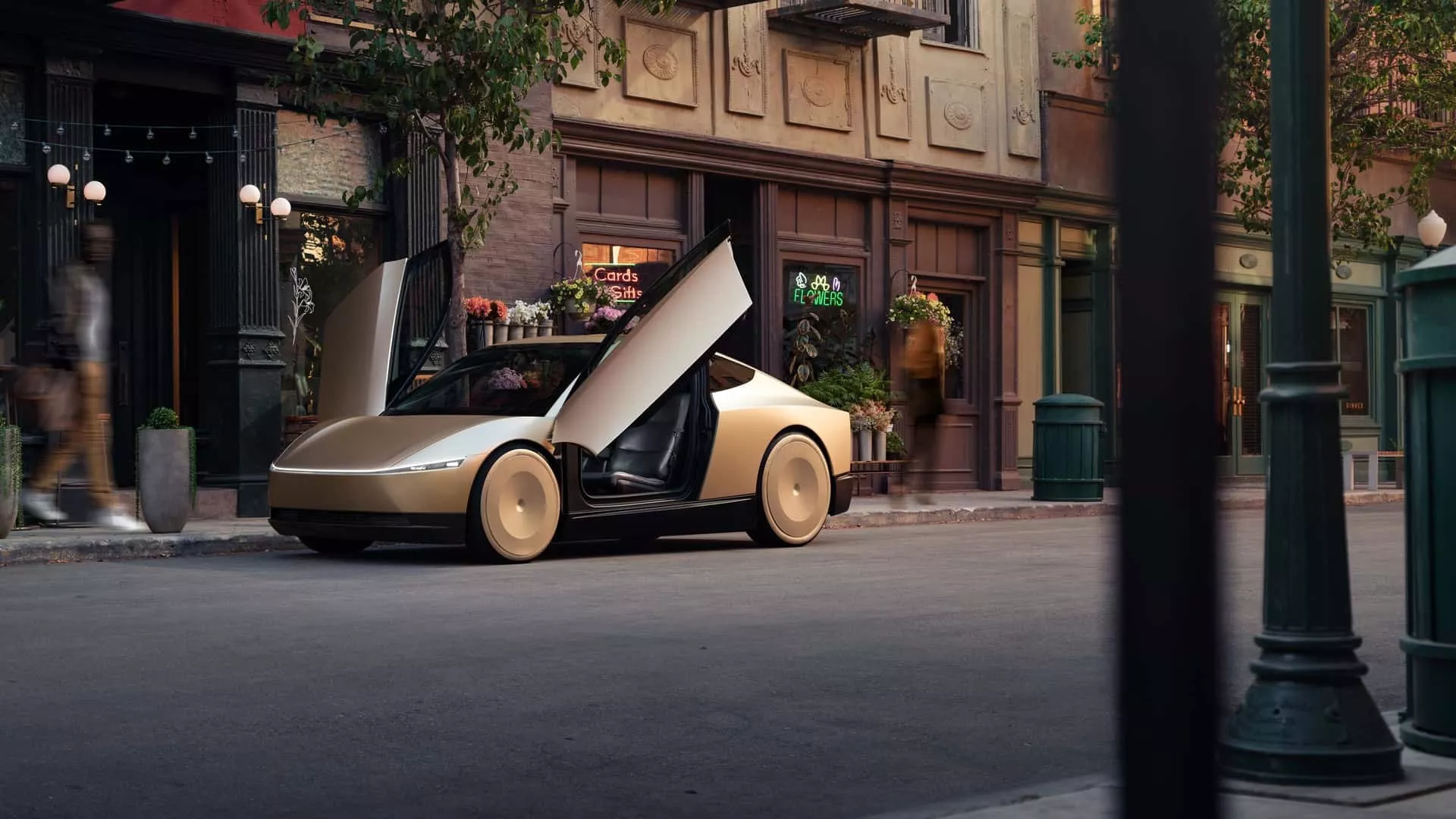
In a September 10 special order, NHTSA presented Tesla with 21 requests concerning the Cybercab’s compliance with Federal Motor Vehicle Safety Standards. One of the most significant questions involves FMVSS 135, which specifies that service brakes must be activated using a foot control.
Other questions concern mirrors, turn signals, and whether Tesla used temporary driving controls during certification. The agency is also examining how any such equipment would relate to regulations governing the removal or disabling of required safety systems.
American automakers generally self-certify their vehicles’ compliance rather than obtaining advance federal approval. NHTSA can subsequently investigate those claims, making Tesla’s explanation important for a vehicle that departs so dramatically from conventional designs.
Tesla’s Public Response Reveals Almost Nothing
Tesla’s October 30 filing contains a single substantive sentence: “The entirety of this file is confidential business information.”
That doesn’t establish that the Cybercab violates federal regulations, nor does it mean Tesla failed to provide answers to regulators, but it does mean the public cannot assess the technical or legal arguments supporting the company’s certification position.
Emergency Responders Have a Different Solution
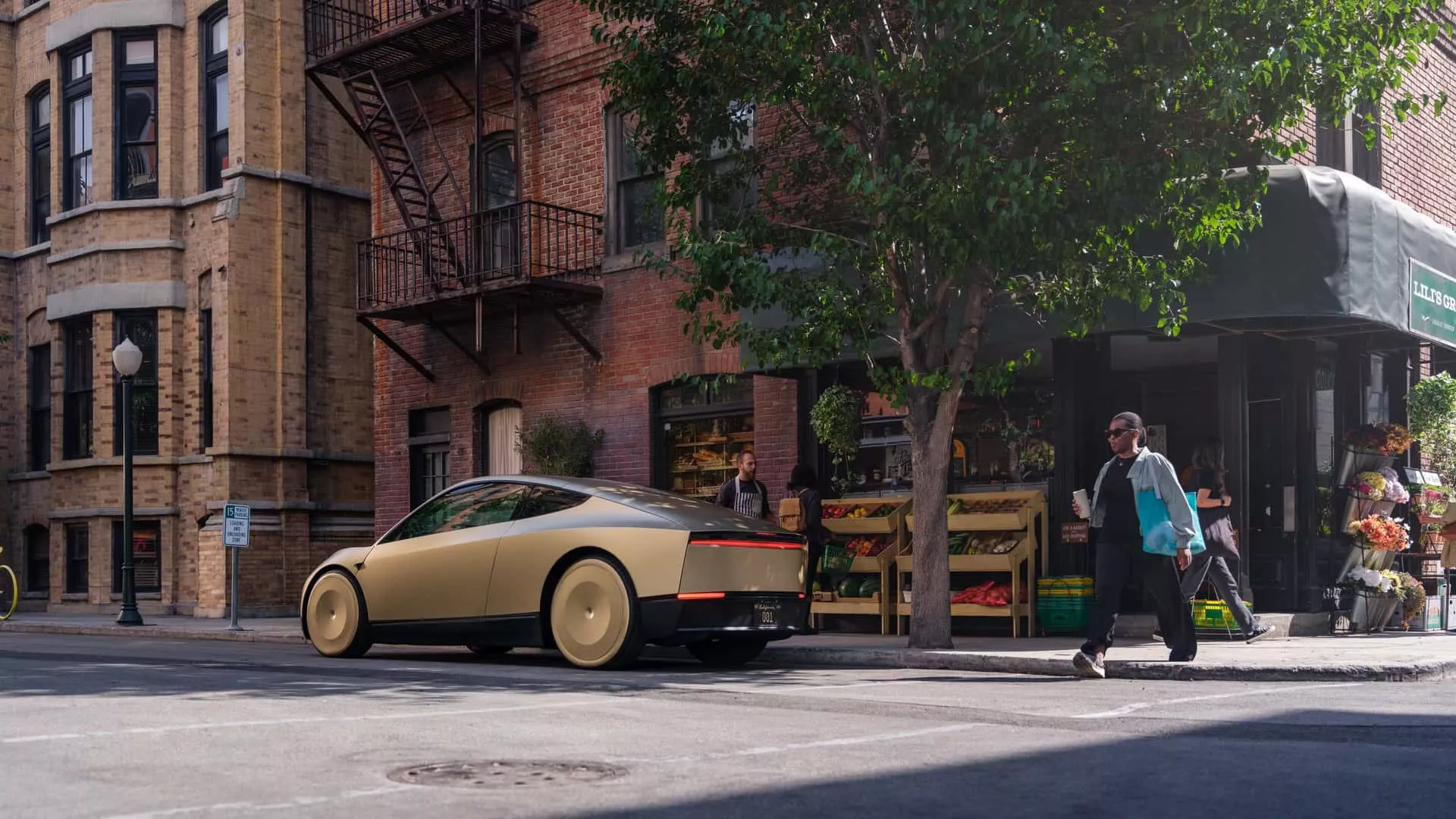
Tesla’s Cybercab First Responders Guide offers an interesting glimpse into how the vehicle can be moved without conventional controls. The document describes the Cybercab as not typically having a steering wheel or acceleration and brake pedals.
According to the guide, emergency personnel can present their identification to the vehicle’s B-pillar camera for verification by Tesla. Once authorized, they can access movement controls through the central touchscreen.
That arrangement could help emergency crews reposition a disabled Cybercab, but it doesn’t necessarily resolve federal requirements concerning physical driving controls. So, we’re still left wondering how Tesla actually certifies a car that eliminates equipment the regulations still explicitly describe.