
The second- and third-generation Chevrolet Corvettes are among America’s most desirable classic sports cars, but restoring one can present some expensive challenges. While their fiberglass bodies resist rust, the steel frames underneath tell a different story, especially after decades of exposure to the elements.
For enthusiasts planning a high-end restomod, replacing a deteriorated chassis can open the door to modern suspension, steering, and braking technology. The challenge is finding a foundation that fits the original body without extensive modifications.
Chip Foose has now entered that market with a new rolling chassis designed specifically for C2 and C3 Corvettes. Developed through Foose Performance in partnership with MagnaFlow Group, the platform combines contemporary engineering with the designer’s distinctive attention to detail.
Foose announced the new chassis on his Instagram account, while HOT ROD documented its unveiling at the 2026 SEMA Show. The project also fulfills a business ambition Foose has held since his early career working at Boyd’s.
Designed Around the Original Corvette Body
View this post on Instagram
The chassis accommodates C2 Corvettes built from 1963 to 1967, and C3 models produced between 1968 and 1982. It supports both coupes and convertibles, retaining factory body mounts, bumper attachments, radiator supports, and fuel tank mounting locations.
That compatibility allows builders to preserve the original fiberglass body while replacing its aging underpinnings. Engine choices include traditional small-block and big-block Chevrolet V8s, alongside modern LS and LT powerplants.
Modern Suspension With a Foose Signature
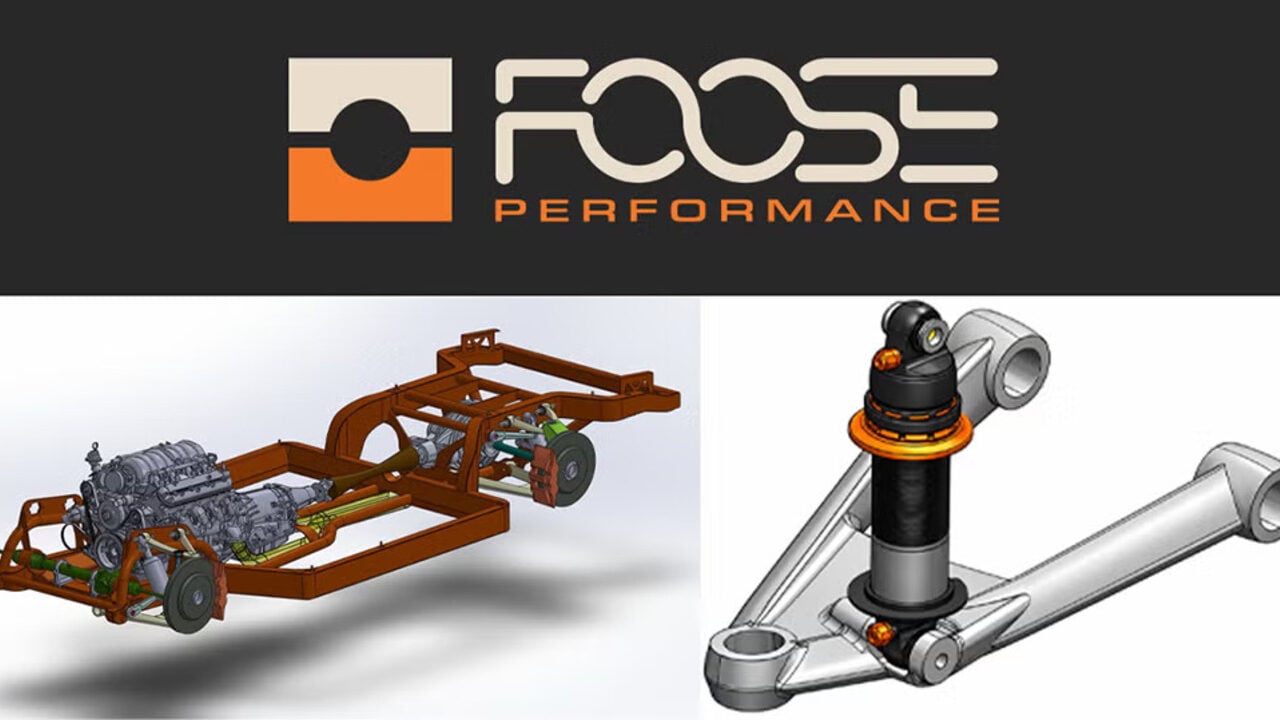
Foose Performance designed the chassis with suspension geometry inspired by the seventh-generation Corvette. Precision-machined 7075 aluminum control arms, custom spindles, adjustable coilovers, and performance sway bars replace the original suspension components.
The coilover shocks feature 2.125-inch aluminum bodies, adjustable rebound damping, and serviceable construction. Foose also emphasized the visual design, ensuring the components flow together rather than appearing as unrelated aftermarket parts.
Steering, Brakes, and Exhaust Included
A Flaming River power-assisted rack-and-pinion steering system provides quicker response, while a Detroit Speed rear differential assembly completes the drivetrain foundation. Wilwood brakes feature 14-inch rotors with six-piston front and four-piston rear calipers.
MagnaFlow supplies an integrated three-inch performance exhaust system. The chassis can accommodate manual or automatic transmissions, giving builders considerable freedom in powertrain selection.
Built for the Next Generation of Corvette Restomods
Two examples appeared at SEMA, one finished in orange and another in black, with smoothed and polished surfaces demonstrating Foose’s attention to appearance as well as engineering. Production frames will be offered powder-coated or in bare metal for builders wanting custom finishes.
Foose Performance plans to make the chassis and suspension components available during the first quarter of 2027. Pricing has not yet been announced.
For Corvette owners contemplating an ambitious restoration, the new platform offers a way to keep the classic body while rebuilding the car’s mechanical foundation around modern hardware. It also gives builders the opportunity to create something that looks unmistakably like a vintage Corvette but drives very differently from the original.