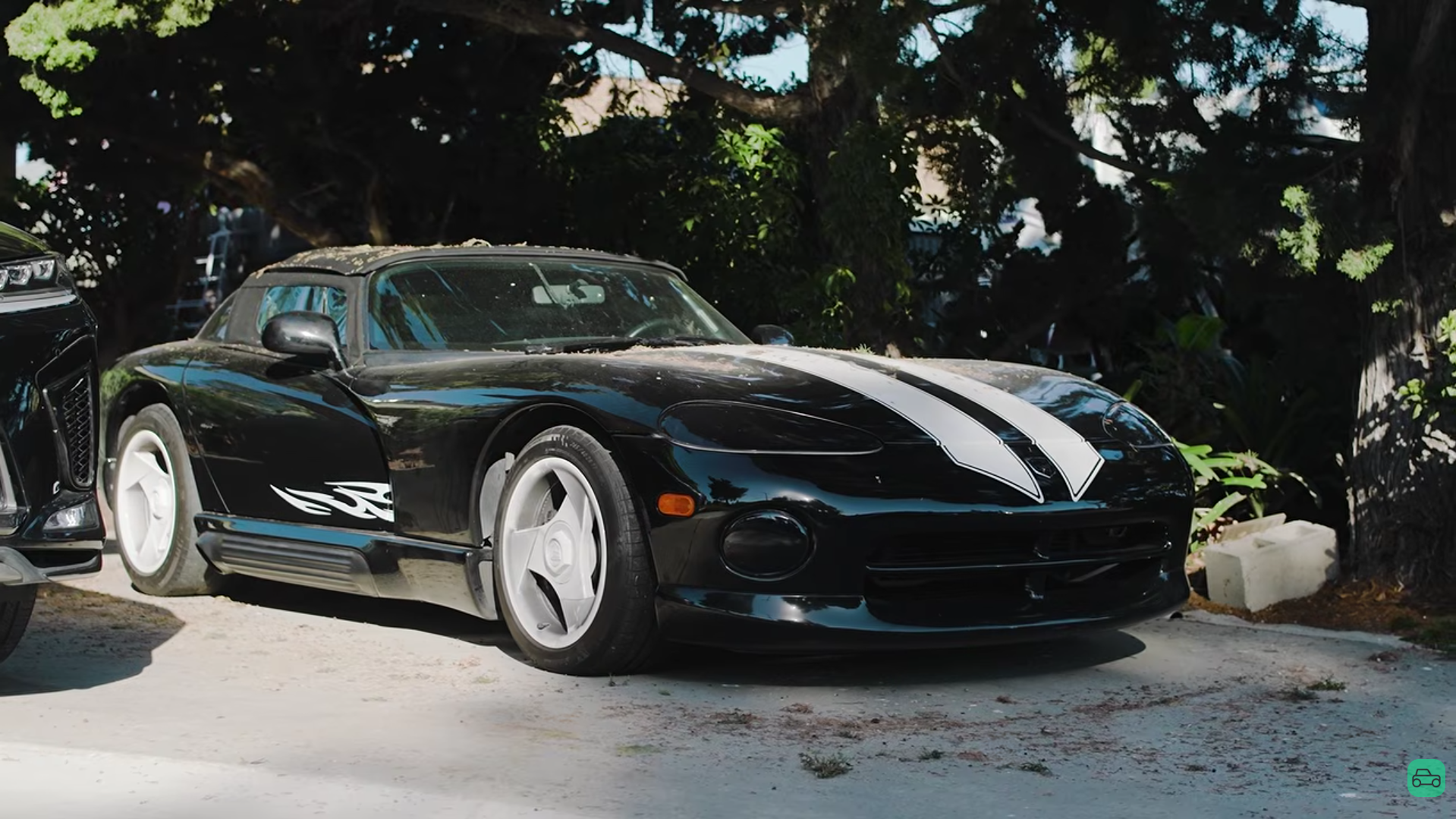
The original Dodge Viper was never a car for the faint-hearted. With a massive V10, calf-sizzling side-exit exhausts, and virtually no concessions to comfort and safety, it offered an exhilarating driving experience that could quickly become intimidating.
Unfortunately, even an American performance icon can fall victim to neglect and questionable modifications. One 1993 Viper RT/10 had spent years deteriorating, its once-striking appearance buried beneath dirt, faded paint, and some rather unfortunate styling choices.
When Ryan Lopez bought the car sight unseen, he knew he was taking a gamble. The black roadster had tinted headlights, tribal flame graphics, and enough cosmetic problems to make its restoration a substantial undertaking.
As documented by the Cars & Bids YouTube channel in its AutoZone Rescue series, Ryan set out to revive the Viper before tackling California’s famous Mulholland Snake. First, however, he needed to make sure the car could handle the journey.
A Neglected Snake With Plenty of Bite
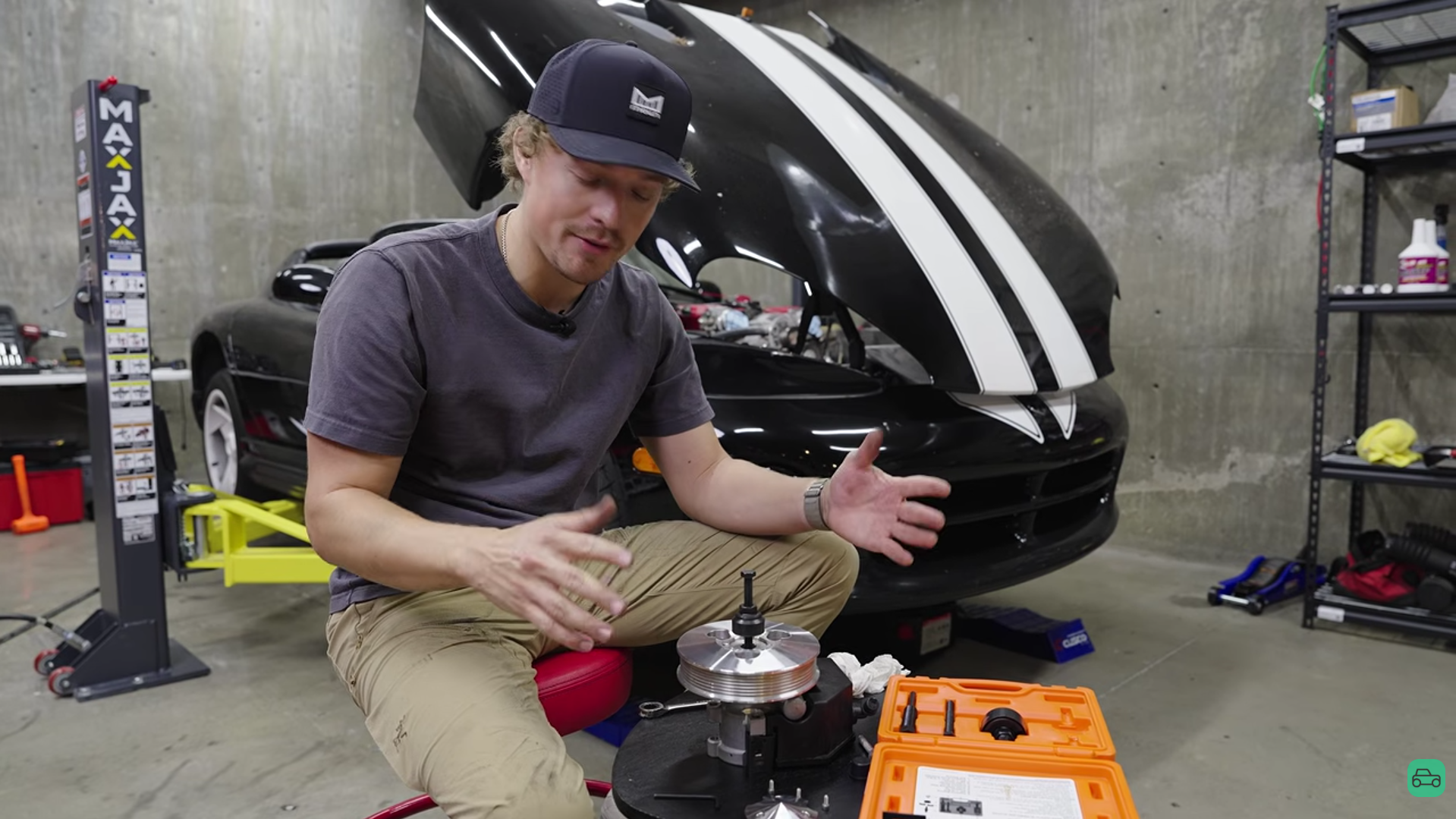
Despite its appearance, the Viper had covered only around 38,000 miles. Its 8.0-liter V10 still produced a factory-rated 400 horsepower, delivered to the rear wheels via a six-speed manual transmission.
The engine initially ran roughly, but replacing a faulty manifold absolute pressure sensor improved its idle. However, a short test drive revealed another problem. The power steering was barely helping at low speeds.
Getting the Mechanical Basics Right
Ryan replaced the power steering pump, pulley, and drive belt, taking advantage of an unexpected parts-bin connection. The Viper shared its steering pump with Dodge trucks of the era, making a replacement available at a regular auto parts store rather than through an expensive specialist.
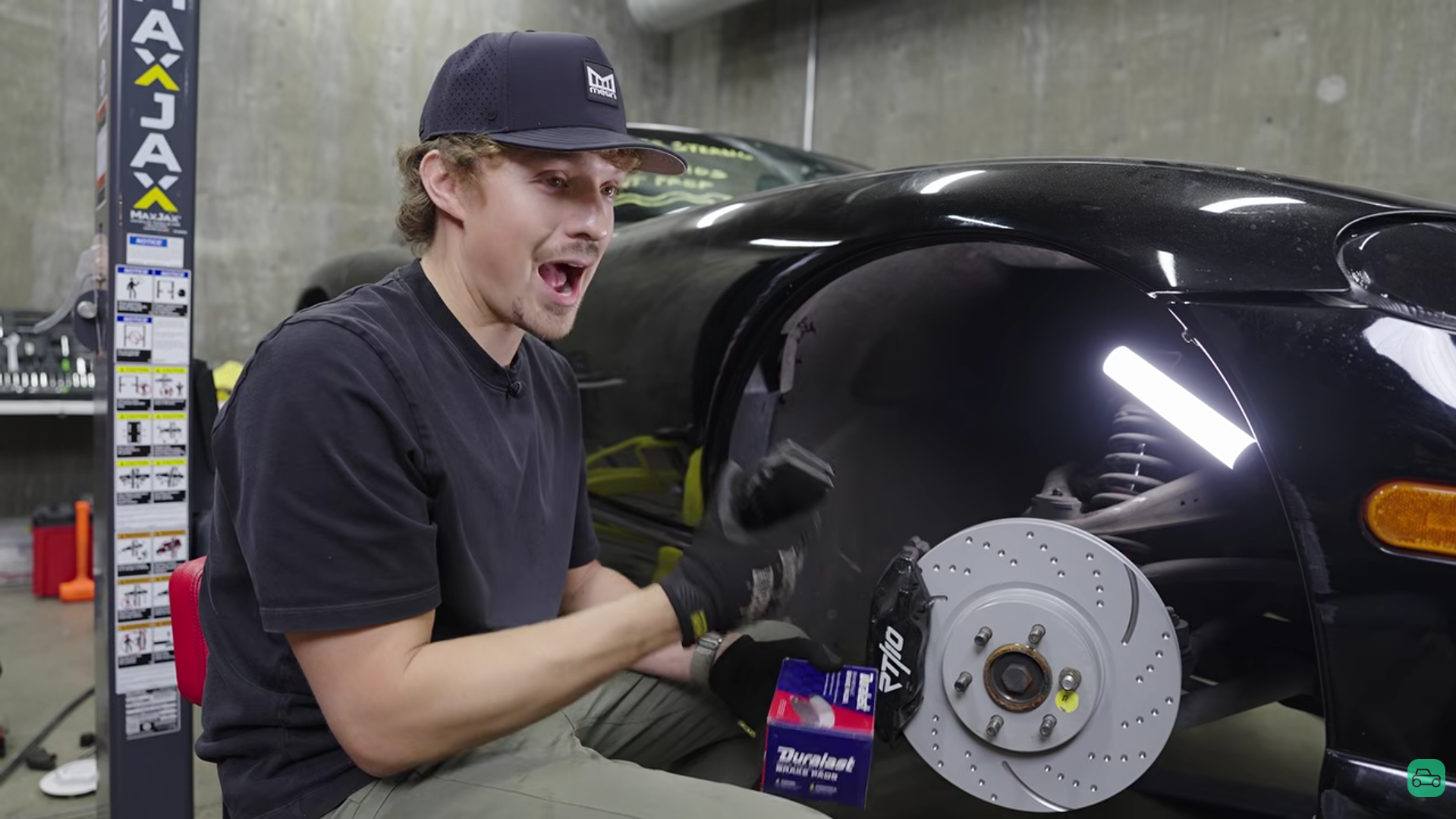
The brakes also needed attention, prompting new pads and rotors, a replacement damaged wheel stud, and a complete brake-fluid flush. Fresh engine oil, transmission fluid, differential lubricant, and coolant rounded out the mechanical work.
Goodbye, Tribal Flames
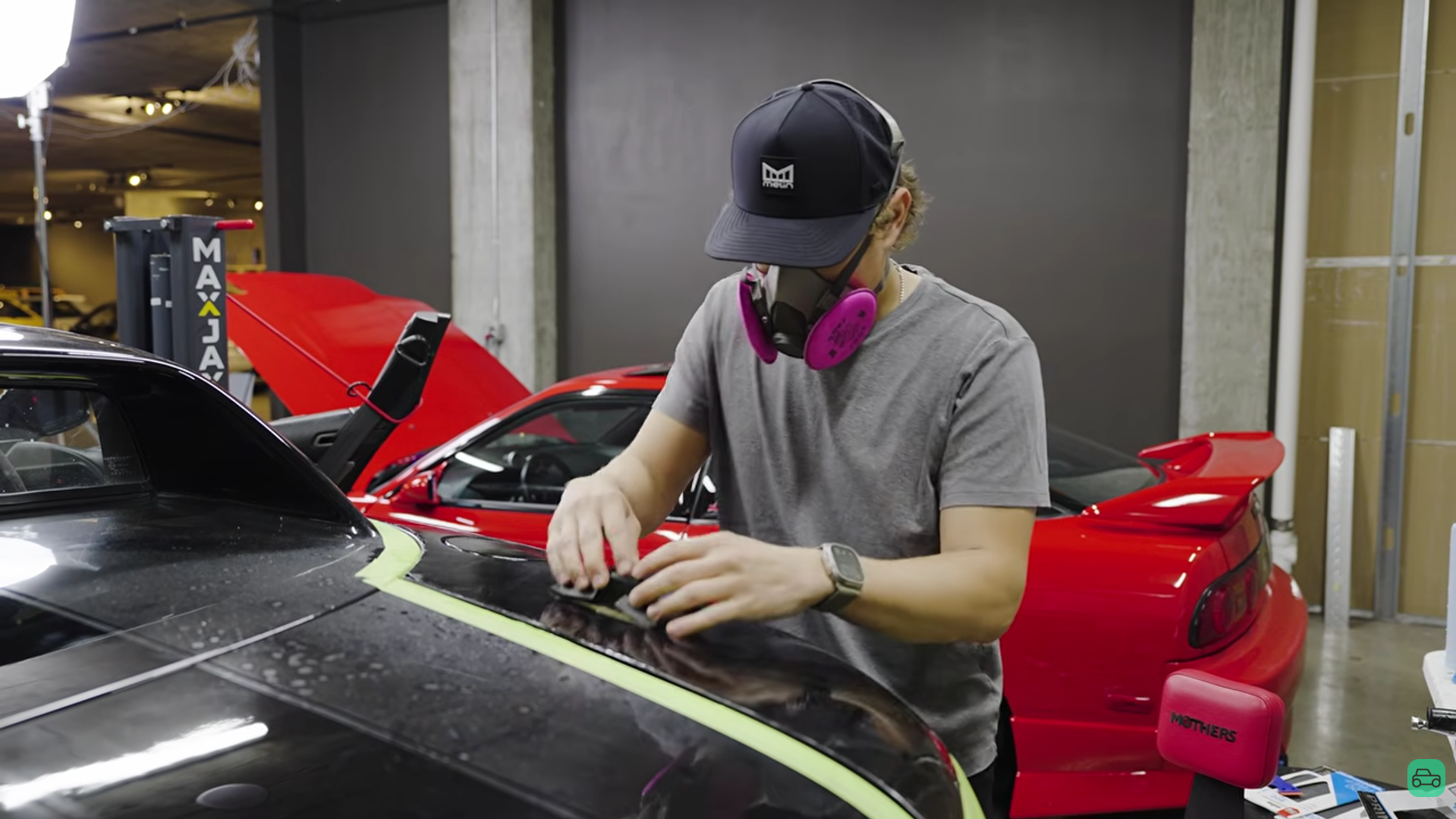
With the mechanical issues addressed, Ryan turned to the Viper’s appearance. The tinted lights, aftermarket stripes, and tribal flames were removed, revealing paint that was better preserved underneath than expected.
The deteriorating rear quarter panels required repainting, while the rest of the body received paint correction. According to the Cars & Bids auction preview, the restoration also included refinished wheels, new tires, and a ceramic coating.
Back Where a Viper Belongs
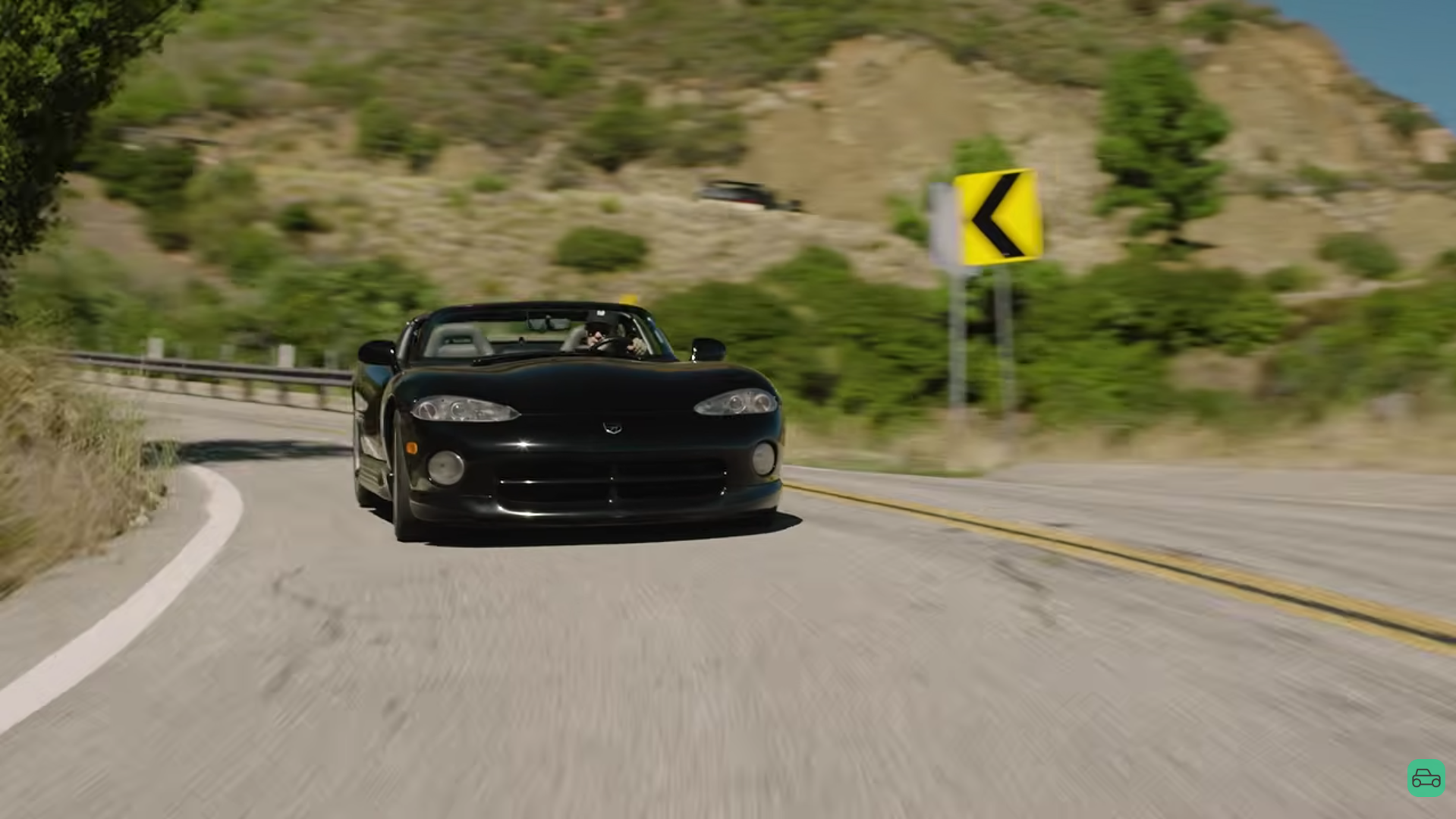
Less than a week after finding the neglected roadster, Ryan was driving it along Mulholland’s twisting canyon roads. The steering and brakes performed properly, allowing him to enjoy the Viper’s famously raw character.
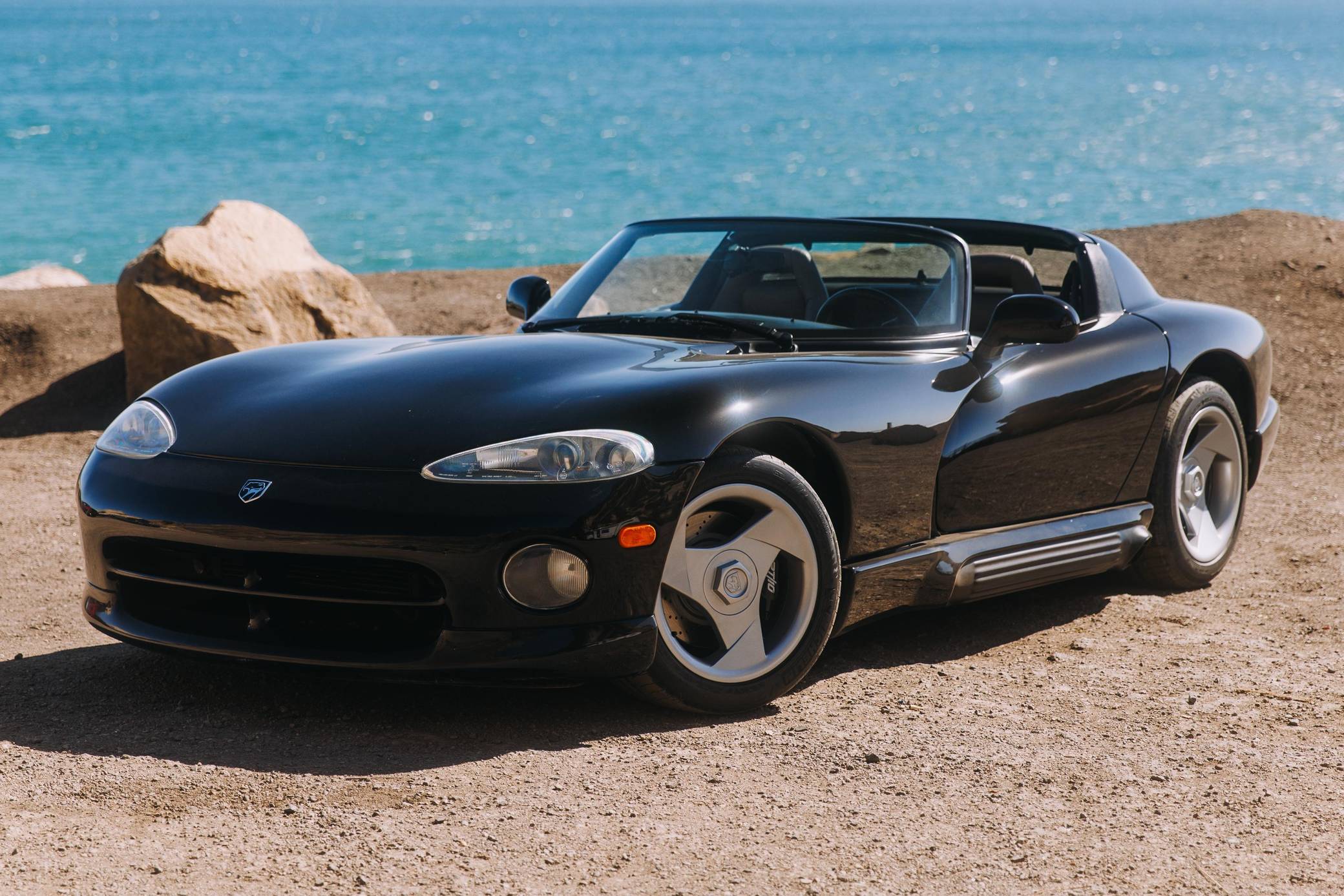
The transformation wasn’t simply cosmetic, either. With approximately 38,000 miles, a clean California title, and its restoration documented, the Viper was subsequently listed by Cars & Bids for an upcoming no-reserve auction.
Ryan was rewarded by finally experiencing the car he’d always wanted to drive, and its next owner soon gets to enjoy a revived piece of American sports car history.