
Ford makes some of America’s most popular vehicles, but keeping them out of the repair shop has become a serious challenge. CEO Jim Farley knows it, and he’s not pretending the company’s quality problems have been completely solved.
Despite making progress in recent years, Ford continues to face an unusually high number of recalls. The Blue Oval has launched 84 recall campaigns affecting over 11 million vehicles so far in 2026, which shows just how much work still needs to be done.
As reported by CarBuzz, Farley acknowledged during Ford’s third-quarter earnings call on October 28 that improving quality is essential to the company’s future. He also made it clear that long-term durability and the ownership experience still need considerable attention.
That’s an important admission from the head of a company whose reputation was built on dependable workhorses like the F-Series. After all, customers expect their trucks and SUVs to spend their time on the road, not waiting for repairs.
Ford Is Making Progress, But Recalls Remain A Problem
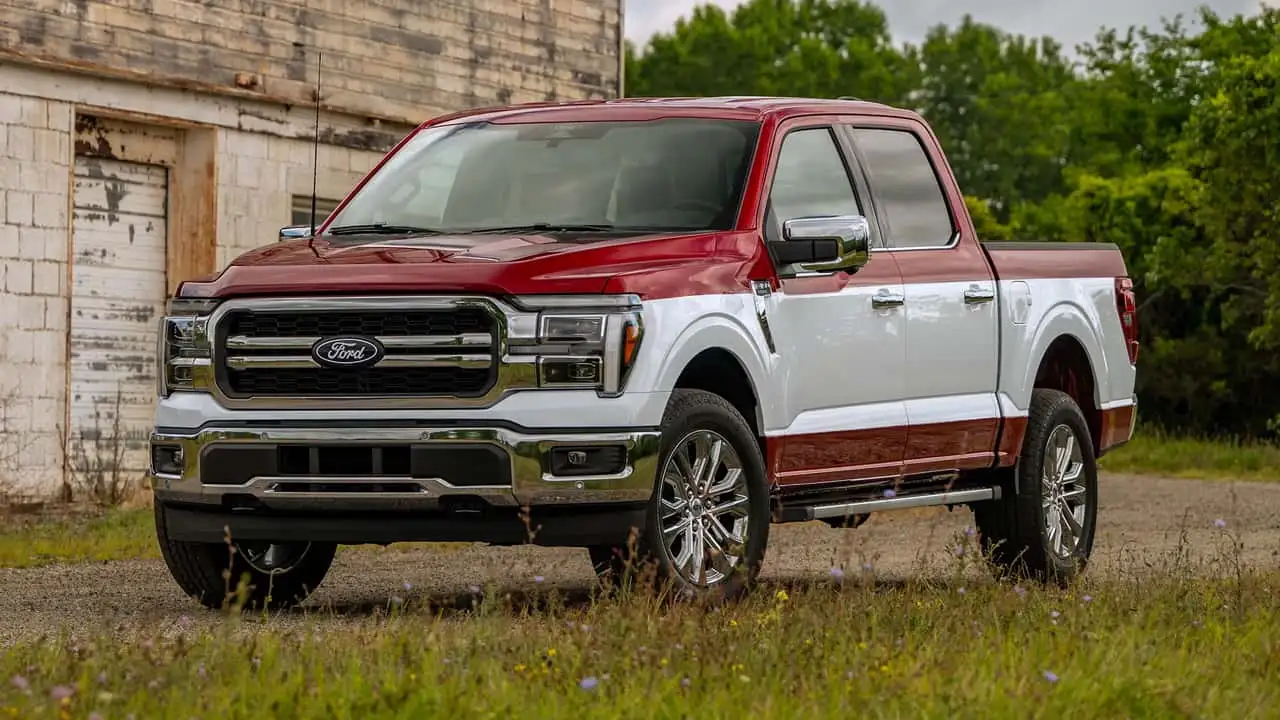
Ford actually topped the mass-market brand rankings in J.D. Power’s 2026 U.S. Initial Quality Study, an encouraging result for the automaker. However, initial quality measures problems experienced during the first 90 days of ownership, which doesn’t necessarily tell us how a vehicle will hold up after several years.
Farley acknowledged that distinction during the earnings call, pointing to improvements in warranty expenses while emphasizing the need for better durability.
According to the CEO, Ford reduced warranty and material costs by $1.5 billion in 2025, excluding tariffs and the Novelis aluminum supply disruption, and the company expects another $1 billion reduction in 2026 on the same basis.
Those savings suggest Ford’s efforts are producing results, although the recall figures are difficult to ignore. With millions of vehicles affected this year, there’s clearly room for improvement.
The Next F-150 Will Face Tougher Testing
One of Ford’s biggest priorities is making sure future vehicles are better prepared for the real world. Farley pointed to the next-generation F-150 as an example of how the company intends to strengthen its development process.
Ford plans to double its durability testing and increase powertrain testing fivefold, alongside accumulating additional real-world testing miles. Those changes are expected to begin next year.
For a truck that routinely handles towing, hauling, and demanding working conditions, tougher testing certainly makes sense. The challenge will be translating those additional development miles into fewer problems for actual owners.
Ford Knows It Can’t Afford To Get Complacent
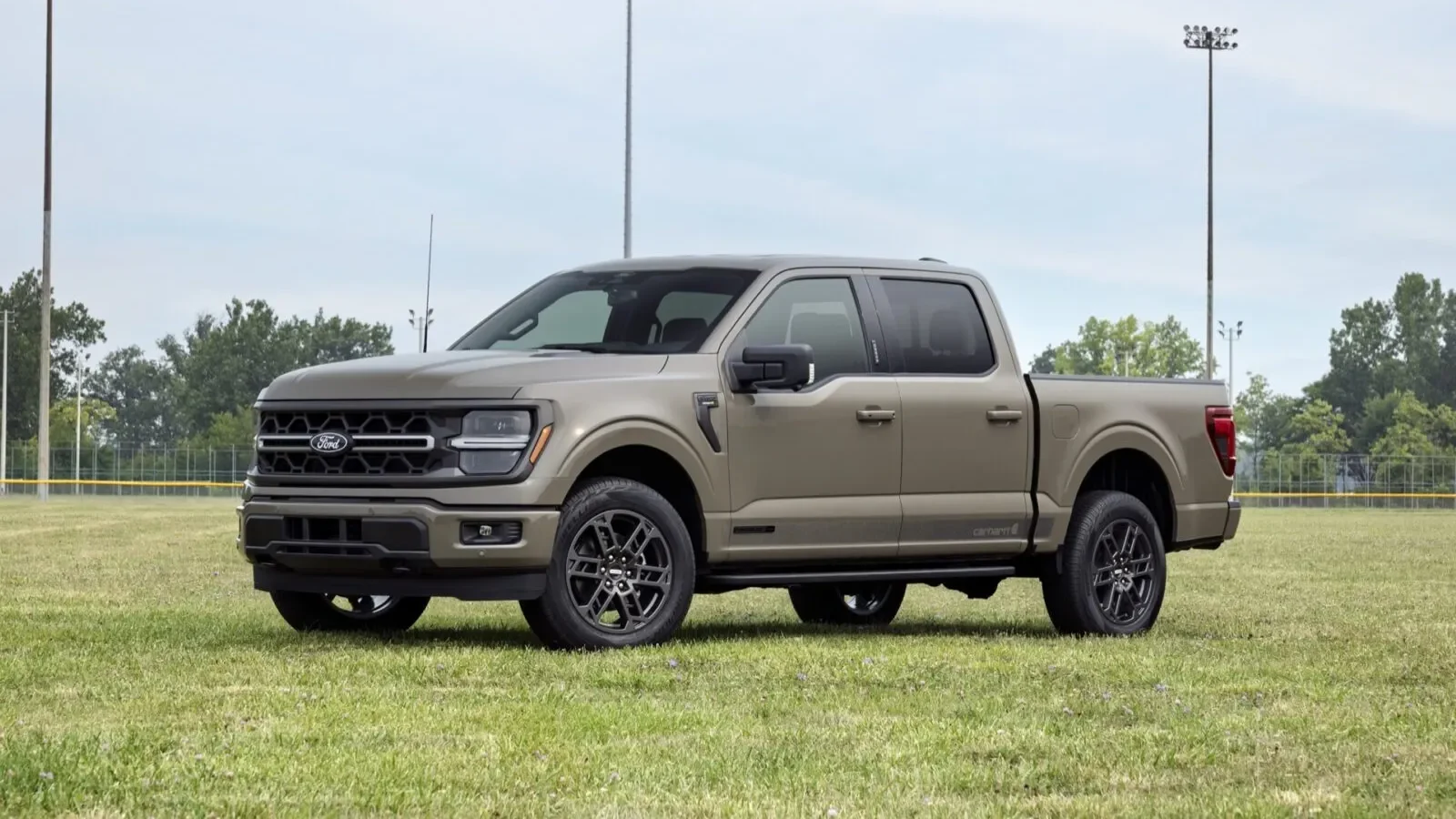
Farley has previously admitted that Ford has repeatedly lost focus on quality over the decades. His concern now is ensuring that the latest improvements become a permanent part of the company’s culture rather than another temporary push.
That’s particularly important as Ford prepares to introduce new vehicles while managing existing reliability concerns. Strong initial quality scores are encouraging, but long-term dependability is what ultimately builds customer confidence.
Ford deserves some credit for acknowledging the problem and taking steps to address it. Still, the real measure of success won’t be another award or a promising earnings report, but whether owners experience fewer breakdowns and recalls in the years ahead.