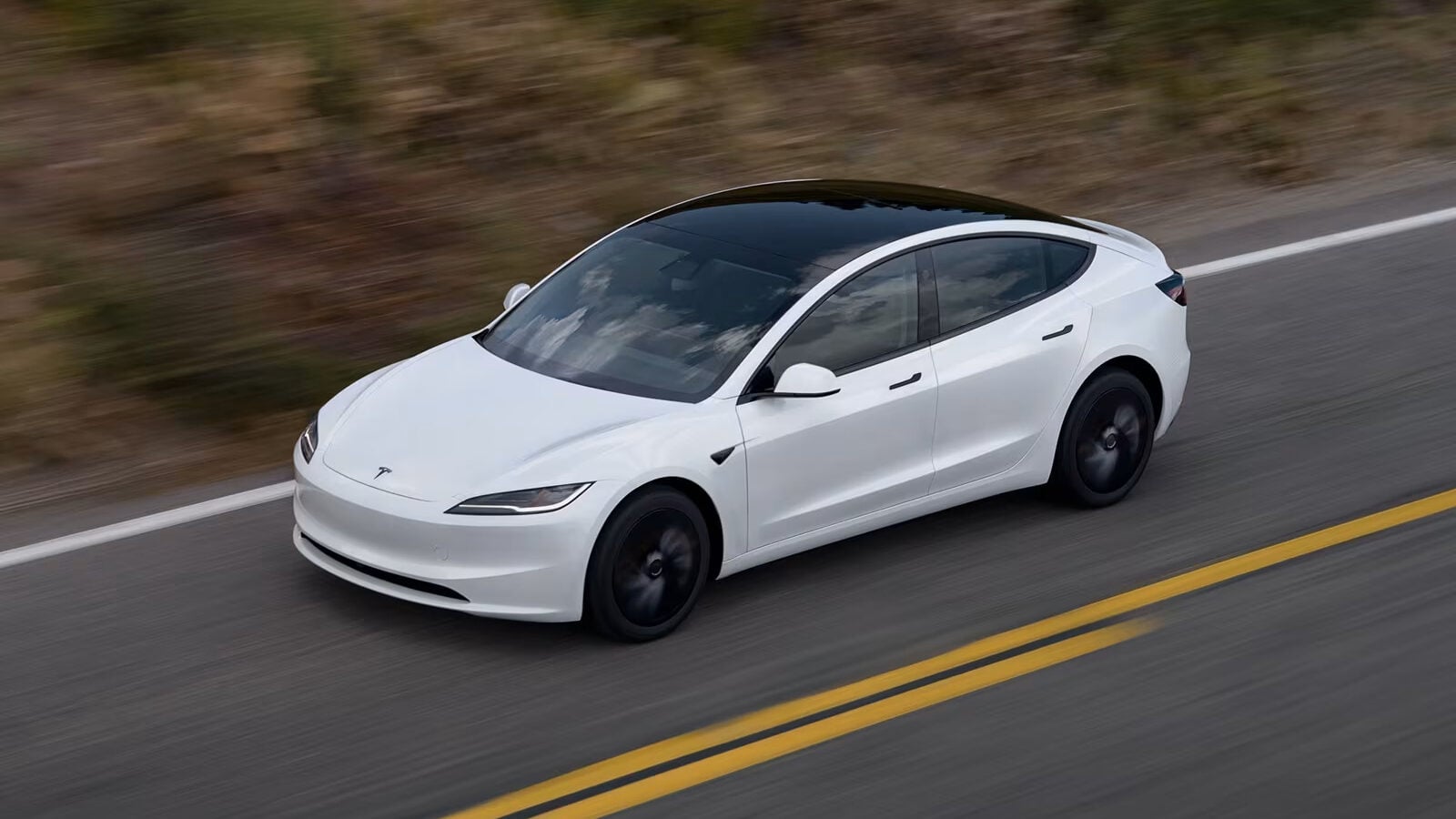
Tesla’s Cybercab might be designed to drive itself, but some of its clever engineering is heading to a car that still comes with a steering wheel. The company has confirmed that technology developed for its futuristic robotaxi will soon appear in the Model 3.
The news emerged during a detailed factory tour with Munro Live, where Tesla engineers explained how they’ve been simplifying the Cybercab’s electric drivetrain. Some of those improvements are already making their way into regular production vehicles.
The biggest development involves a new inverter, an important component that controls how electricity reaches the motor. Tesla says the updated hardware uses significantly fewer electronic parts than the current design.
That might not sound very exciting compared with a new performance upgrade or a longer-range battery. However, making electric cars simpler and cheaper to manufacture could have some worthwhile benefits.
The Model 3 Is Getting A New Inverter
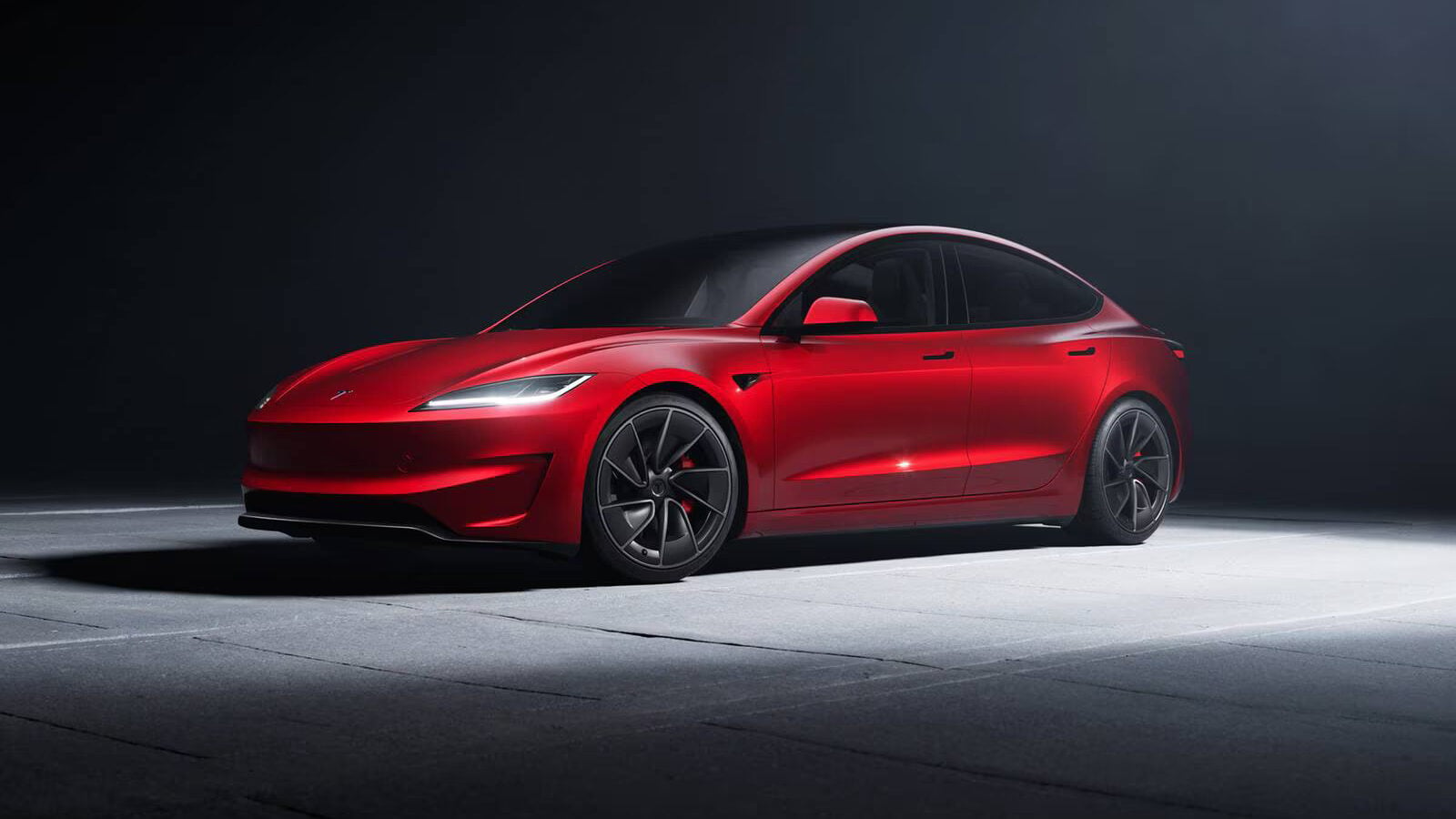
During the Munro Live tour, Tesla’s head of drive unit engineering, Nick Verzini, confirmed that the Cybercab’s latest inverter technology will enter Model 3 production before the end of 2026.
Specifically, Tesla is bringing over the new printed circuit board assembly and power stage. These components form part of the inverter, which converts the battery’s direct current into alternating current to power the electric motor.
The new design eliminates numerous electronic components while maintaining compatibility with Tesla’s existing drivetrain architecture. It has also been engineered to accommodate parts from multiple suppliers, helping Tesla avoid potential supply chain headaches.
There’s no confirmed horsepower increase or dramatic range improvement associated with the change, so the main advantages appear to involve manufacturing efficiency, component costs, and production flexibility.
The Model Y Could Be Next
Interestingly, the new inverter isn’t exclusive to the Model 3. Verzini confirmed that the complete assembly could also fit into a Model Y drive unit without requiring major changes.
When asked whether Tesla would actually introduce it into Model Y production, however, he declined to confirm anything. The compatibility is there, but an official rollout has not been announced.
That’s a useful advantage for Tesla, which has spent years sharing components between its vehicles. Developing hardware that works with multiple models can reduce costs while making future upgrades easier.
The Cybercab Has Some Other Clever Tricks
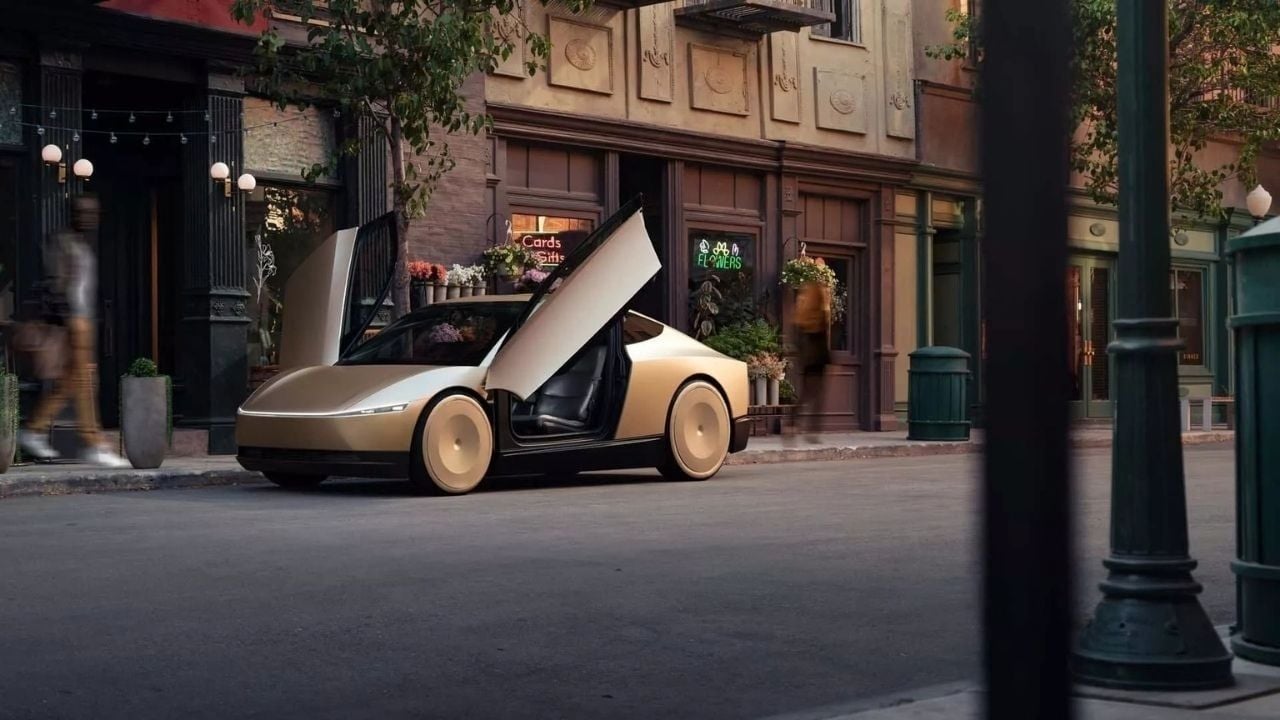
The Cybercab itself features a front-mounted electric motor with an 11:1 gear ratio, compared with approximately 9:1 in many existing Teslas. Its drivetrain is optimized for efficiency rather than the high top speeds expected from conventional passenger cars.
Tesla has also moved the motor’s cooling channels into a less expensive aluminum housing and replaced the electric oil pump with a simpler mechanical unit. Neither change has been confirmed for the Model 3 or Model Y.
Model 3 buyers might not notice any difference behind the wheel with the new inverter, but it’s interesting to see technology from Tesla’s unusual two-seat Cybercab finding its way into one of the company’s most familiar cars.