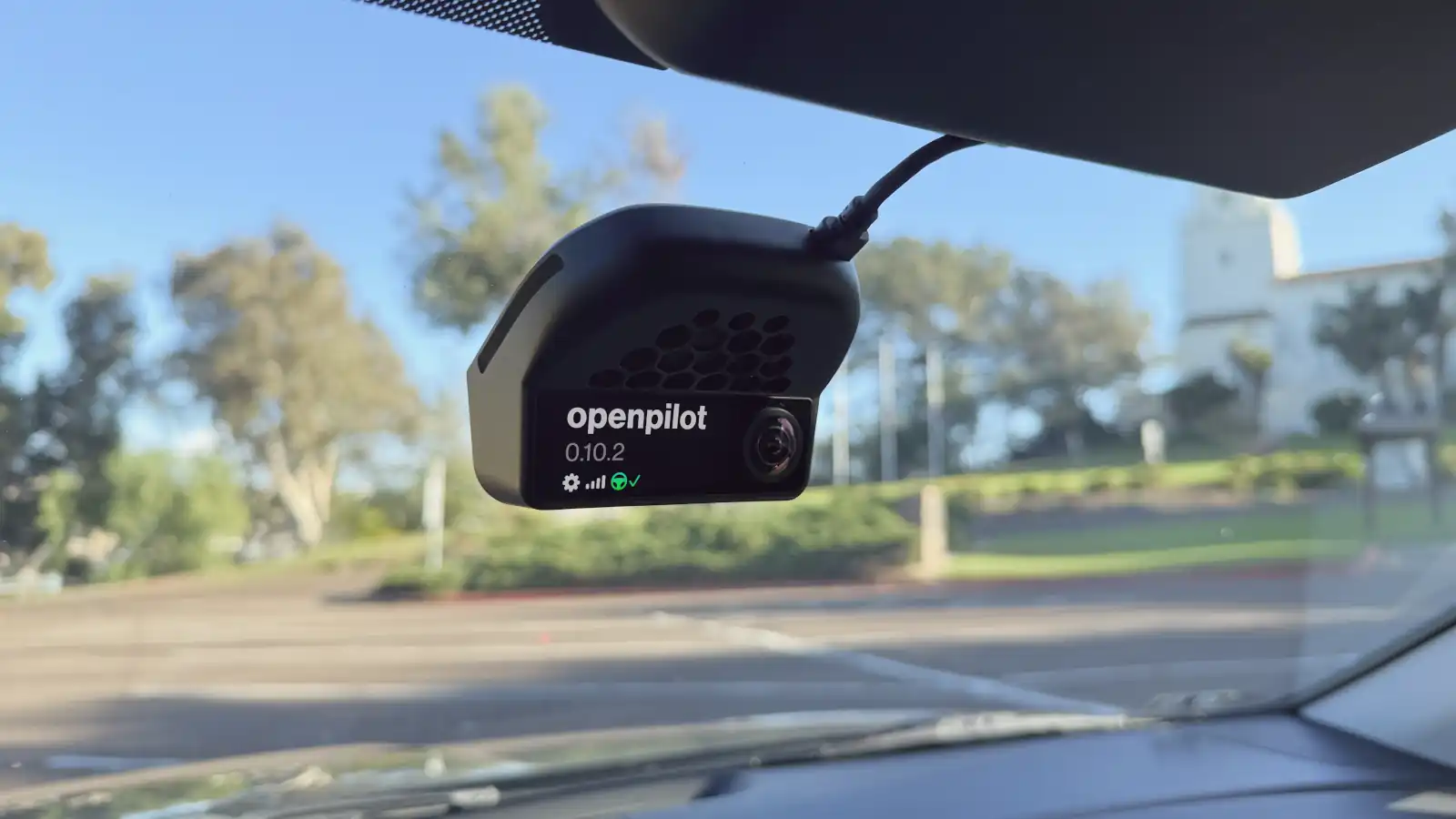
These days, you don’t need to buy a new car to get hands-free driving features. Aftermarket devices can add the technology to compatible vehicles, giving drivers access to features their cars may not have originally come with.
But federal regulators are investigating five crashes involving vehicles equipped with devices from one company. Two of those crashes killed three people, while 11 others suffered injuries, some serious.
The crashes had something in common. In each one, a vehicle equipped with the technology struck stopped or slow-moving traffic in the same lane. Federal investigators are now examining whether the systems failed to detect those vehicles or respond in time.
The investigation also raises questions about what the technology was doing immediately before impact. Just because a driving-assistance device is switched on doesn’t necessarily mean it’s controlling the car.
Hands-Free, Not Driverless
Embedded media follows; please allow a moment to load.
The company under investigation, comma.ai, sells devices designed to add hands-free driving features to existing cars. Its openpilot software uses cameras and vehicle sensors to help manage steering and speed.
The hardware connects to a car’s existing electronics, and comma.ai says owners can install it themselves in about 15 minutes. Once the system is engaged, drivers can take their hands off the wheel while the software assists with driving.
Not every car uses the technology in the same way, though.
In a Reddit discussion about the investigation, some owners described setups that still rely on factory-installed systems for braking and maintaining distance from other vehicles. One commenter said comma.ai handles steering in their car, while its original radar system manages stopping.
According to the National Highway Traffic Safety Administration (NHTSA), comma.ai advertises its software as capable of driving for hours without intervention. However, the company also warns users to remain alert and ready to take control whenever necessary.
What Went Wrong?
NHTSA estimates that approximately 30,000 comma.ai devices are covered by its investigation, including the comma three, comma 3X, and comma four.
Investigators have confirmed that the devices were powered on or engaged during multiple crashes. They’re reviewing additional data to determine when the software actively controlled the vehicles and how it performed in the moments before impact.
Openpilot is open-source software, allowing other developers to create modified versions known as forks. NHTSA is examining whether any of those versions were involved in the crashes and which parts of the original software they share.
The agency has not determined whether comma.ai’s technology caused the crashes, and its preliminary investigation has not resulted in a recall.