A Virginia couple had barely left a used car dealership when their newly purchased Mazda6 started making a loud, scary noise. Within about 30 minutes, they were contacting the dealer for help.
The car was a 2014 Mazda6 with roughly 177,000 miles. It had passed Virginia’s state inspection, and the buyers had even taken it to their own mechanic before making the purchase.
There was another catch. The couple had bought the Mazda “as is,” meaning the dealership had not promised to cover future repairs under a dealer warranty.
Kenny Martin, who runs Competition Cars and Classics in Salem, Virginia, could have pointed to that agreement. Instead, he decided to find out what had gone wrong.
A Scary Sound
Embedded media follows; please allow a moment to load.
@kennycompcars
A used car dealership sells a car as-is and about 30 minutes later the customer sends the dealer a video of the car making very loud and scary noises!! What should the dealership do? What can the customer do? Watch and see how this true life problem with a used car purchase works out.
#carmechanictiktokcontest
#usedcars
#cardealership
#carsalesman
#carsales
♬ original sound – Competition Cars and Classics
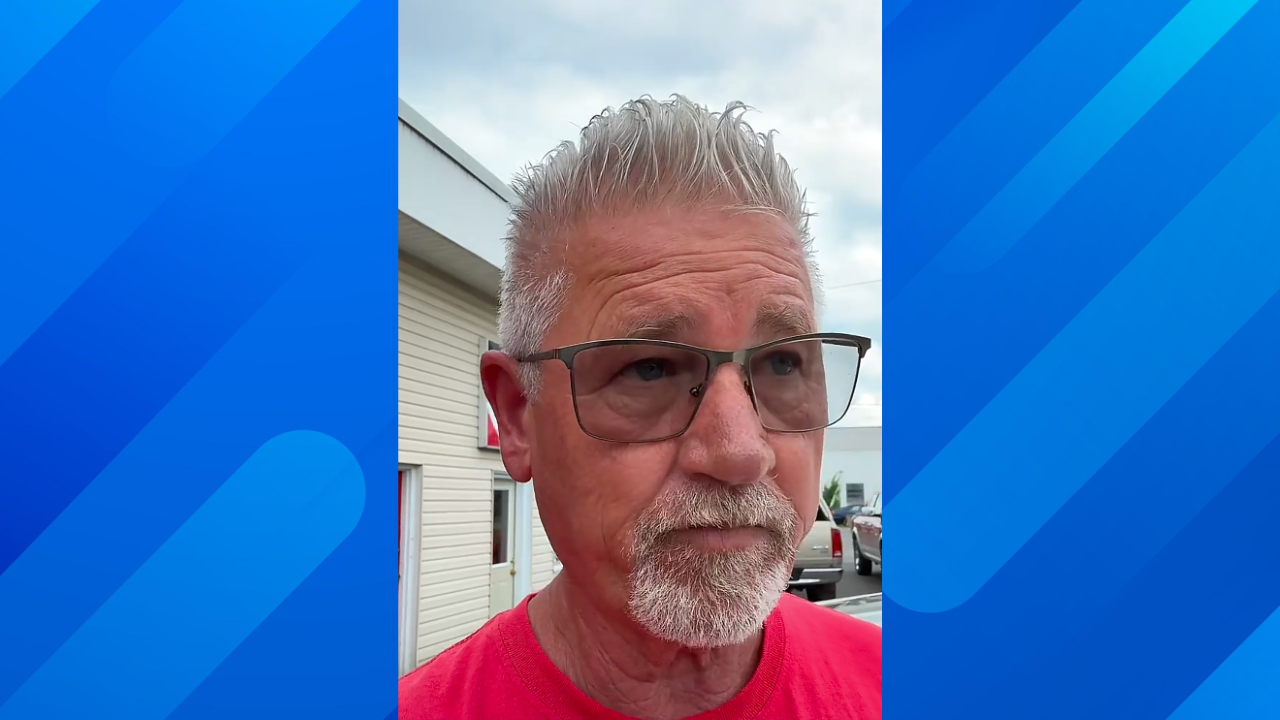
In a TikTok video, Martin explained that the buyers were repeat customers who had purchased vehicles from his business before.
After leaving the lot, they sent him a video of the Mazda making a loud squeaking noise while driving. The sound was bad enough to make them worry something was seriously wrong.
Martin shared part of their text conversation. He suspected the noise might be coming from a brake caliper and asked whether they had made it home.
Once he learned they were home, he offered to have the car picked up the next morning so his shop could inspect it.
The Actual Problem
Fortunately for the buyers, the problem turned out to be much smaller than the noise suggested.
According to Martin, a bent brake dust shield was rubbing and causing the sound.
A brake dust shield is a thin metal plate that sits behind the brake rotor. If it gets bent and touches the spinning rotor, it can make a loud scraping or squealing noise.
Martin said he did not know how the shield became bent after the sale. The car had already passed its inspections, and the couple hadn’t noticed the problem before they drove away.
His dealership arranged to have the Mazda towed back and fixed the problem.
The tow and repair cost $85. Martin also decided to fill the Mazda’s gas tank, spending another $52.14.
That brought his total expense to $137.14, even though the vehicle had been sold without a dealer warranty.
Sold As-Is
Martin explained that the Mazda’s as-is status was central to the situation.
In Virginia, dealers can sell used vehicles without providing a warranty, provided they follow the state’s disclosure requirements. Buyers must receive written notice explaining that they are responsible for repairs after the purchase.
However, an as-is agreement does not give dealerships permission to misrepresent a vehicle or hide known problems from customers.
Martin said he believed he could have declined to pay for this particular repair. Still, he felt that leaving a customer with a noisy car just 30 minutes after buying it was the wrong approach.
He also explained why dealers must be careful when offering free repairs on vehicles sold as-is.
According to Martin, a customer might later argue that the dealership’s decision to cover one repair created an ongoing warranty obligation.
To address that concern, he said his dealership uses a goodwill repair form. The document makes clear that a voluntary repair does not create additional warranty coverage.
Doing The Right Thing
Martin said customer satisfaction mattered more to him than avoiding a relatively small repair bill.
He acknowledged that some dealers might rely on an as-is agreement when a recently purchased car develops a problem. But he believes there is a difference between what a business may legally be allowed to do and how it should treat its customers.
“I want my customers happy,” Martin said in the video.
He added that a vehicle developing a problem just 30 or 40 minutes after purchase was something a dealer should generally help resolve.
His decision earned praise from viewers, including people who wanted to know where his dealership was located.
One commenter called him an honest dealer. Another praised him for choosing to fix the Mazda rather than making the buyers handle the problem themselves.
For this couple, the frightening noise turned out to be a bent piece of metal. The dealership covered the tow, repair, and a full tank of gas.