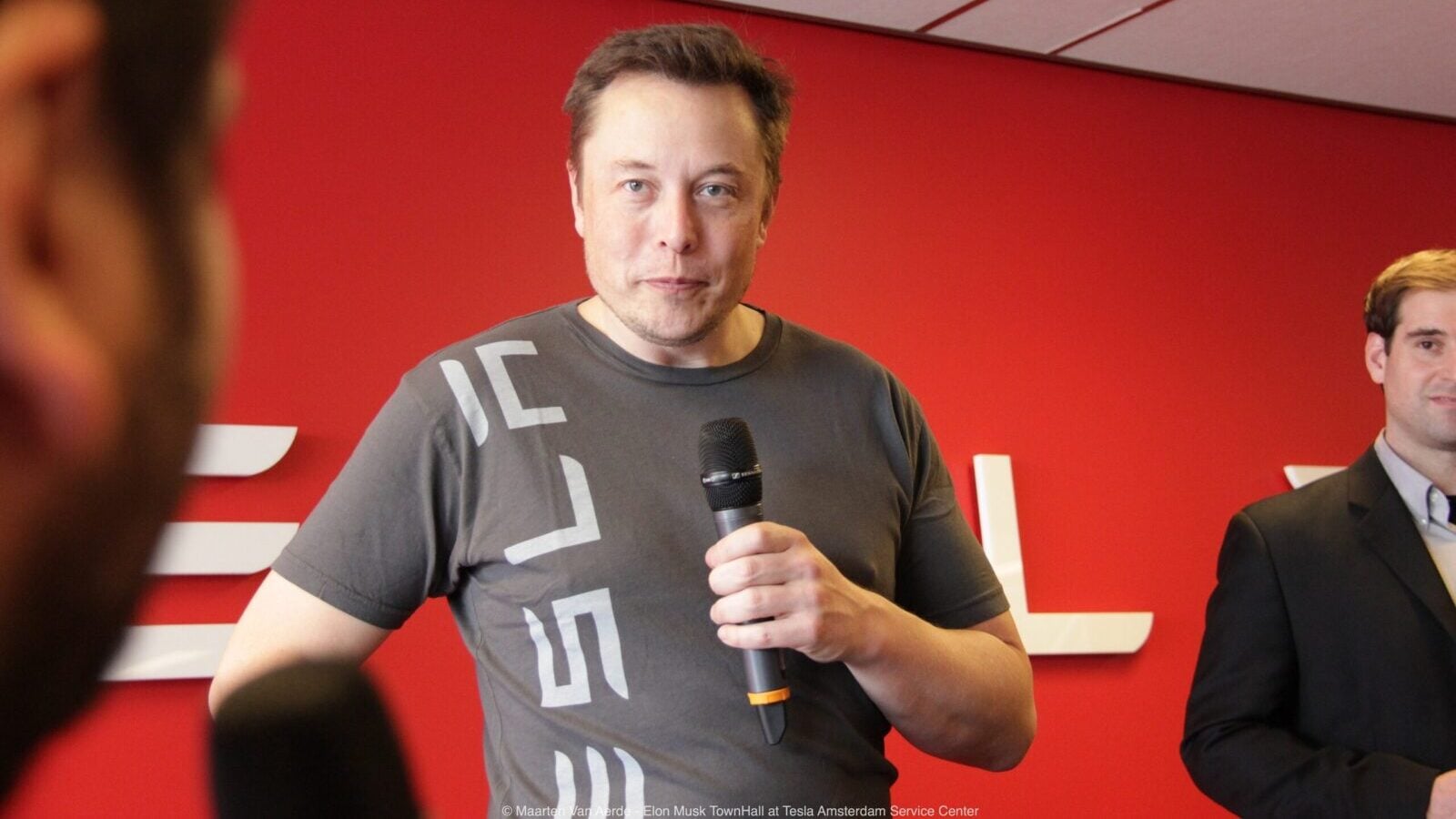
Tesla has set itself an ambitious new production target, even as its latest financial results reveal a sharp decline in profits. CEO Elon Musk wants the company to produce approximately 5 million vehicles annually by 2030, nearly three times its recent output.
According to IndustryWeek, Musk outlined the goal during Tesla’s third-quarter earnings call on October 21, expressing confidence that the company could achieve it. However, reaching that figure would require a massive expansion of its manufacturing operations.
Tesla currently has the capacity to build slightly over 2.5 million vehicles annually, but it produced approximately 1.8 million over the past 12 months. As Shattered points out, reaching the new target would mean roughly doubling existing factory capacity while nearly tripling actual production.
The announcement also comes as Tesla reported a 43 percent decline in quarterly net income. Despite the financial pressure, Musk believes expanding production and investing in autonomous vehicles will help drive the company’s next phase of growth.
Tesla Has A Huge Production Gap To Close
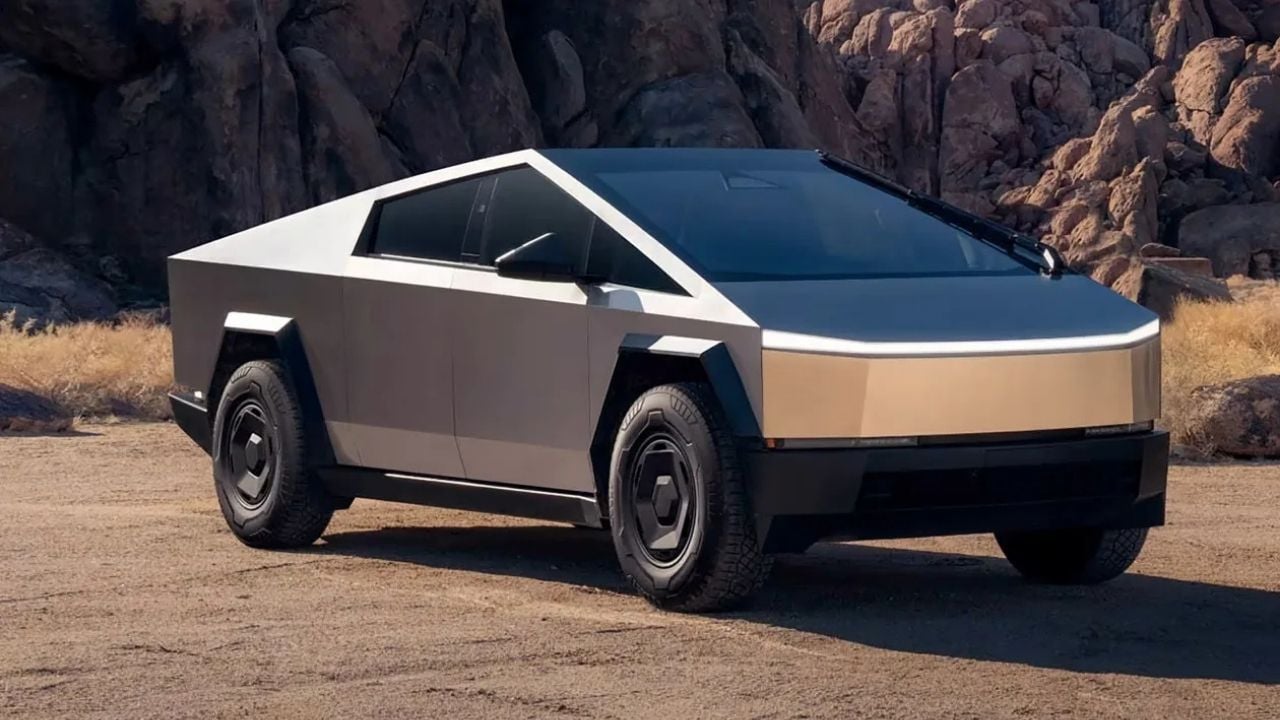
Reaching 5 million vehicles annually would require Tesla to add approximately 3.2 million units to its recent yearly production. Its existing factories in the United States, China, and Germany simply don’t have enough capacity to meet that target.
Tesla executives say manufacturing expansion is already underway, with recent investments helping existing factories increase output. However, reaching the 2030 goal will likely require additional production lines and substantial investment.
Profits Are Falling As Tesla Plans To Expand
Tesla’s third-quarter net income fell 43 percent to approximately $787 million, highlighting the financial challenges facing the automaker. The company is also planning roughly $20 billion in capital expenditure for 2026, covering automotive production, energy operations, and robotics.
Chief Financial Officer Vaibhav Taneja said Tesla’s sales are currently constrained primarily by production capacity. The company also reported its largest vehicle order backlog in four years, indicating that orders were outpacing its ability to deliver vehicles at the end of September.
Cybercab Could Play A Major Role

Tesla’s Cybercab could play a significant role in helping the company reach its ambitious production target. The purpose-built autonomous vehicle uses approximately half as many parts as the company’s conventional cars, potentially making it easier to manufacture at scale.
Production is ramping up in Texas, with Tesla planning to use most Cybercabs in its own robotaxi operations. Musk has also indicated that some vehicles could be sold to fleet operators.
Five Million Vehicles Is A Big Ask
Musk believes Tesla has a realistic chance of reaching its 2030 target, but the company hasn’t provided a detailed factory-by-factory expansion schedule. Its current manufacturing capacity would need to increase dramatically over the next four years.
Tesla’s ambitions also depend on demand keeping pace with production. Building 5 million vehicles annually would be a major achievement, but finding customers or profitable fleet applications for that many vehicles will be equally important.