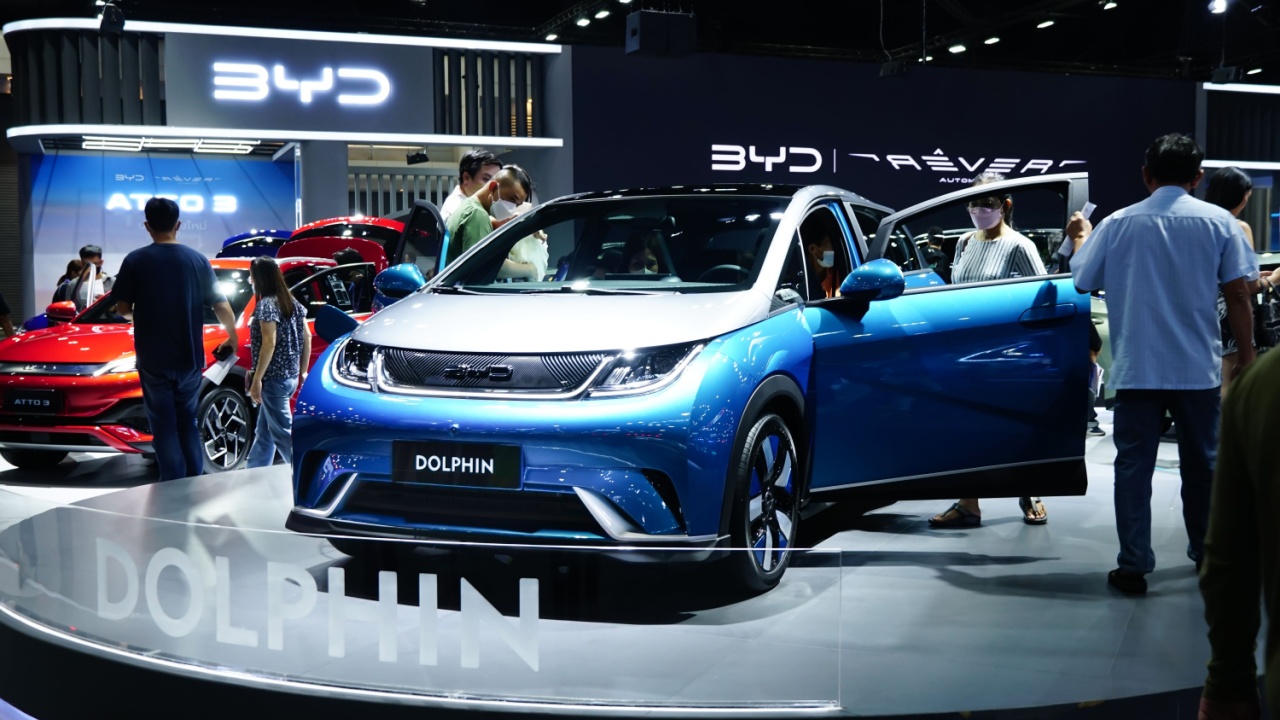
Chinese automaker BYD is expanding its presence around the world, but there’s one place its vehicles will no longer be welcome. The U.S. military has announced a ban on BYD vehicles entering one of its most important air bases in Japan.
The restriction will take effect on October 26 at Kadena Air Base in Okinawa, a major American military installation in the Asia-Pacific region. Officials say the Chinese vehicles pose a security risk, although they haven’t publicly identified a specific threat.
The ban applies to all BYD vehicles attempting to enter the base, including privately owned cars, taxis, delivery vehicles, and those operated by contractors. Security personnel have been instructed to turn them away at the gates.
The decision comes amid growing concerns about the amount of information modern connected vehicles can collect. Cameras, sensors, and wireless connectivity have raised questions about whether sensitive information could be exposed when these vehicles enter military installations.
U.S. Military Cites Security Concerns
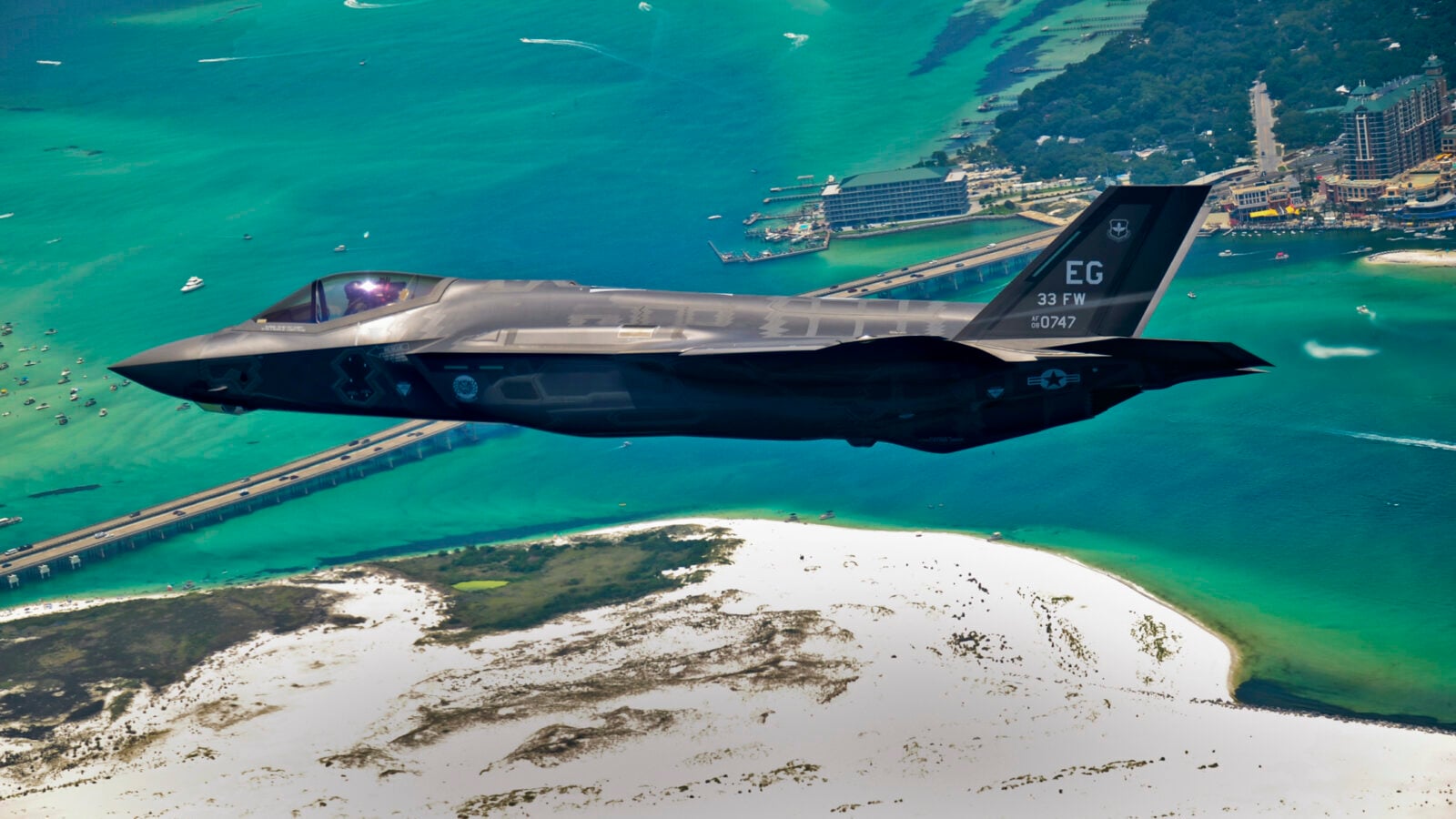
“These vehicles present an unacceptable and unmitigable risk to our personnel and our mission,” Kadena Air Base spokesperson Lieutenant Colonel Alli Stormer told Reuters. However, she did not explain what specifically prompted the restriction.
Onboard cameras and sensors could potentially capture sensitive details about military facilities and operations, but there is no publicly disclosed evidence that BYD vehicles have actually transmitted such information from the base.
BYD Is Already Under Pentagon Scrutiny
The ban follows the Pentagon’s decision in June to identify BYD as one of several Chinese companies it believes support China’s military. The designation also included fellow automaker Nio, along with technology companies Alibaba and Baidu.
BYD rejected that designation and said it would pursue administrative and legal options to defend its interests. The automaker has been expanding internationally, including in Japan, where it faces strong competition from established domestic brands.
China Previously Restricted Tesla Vehicles
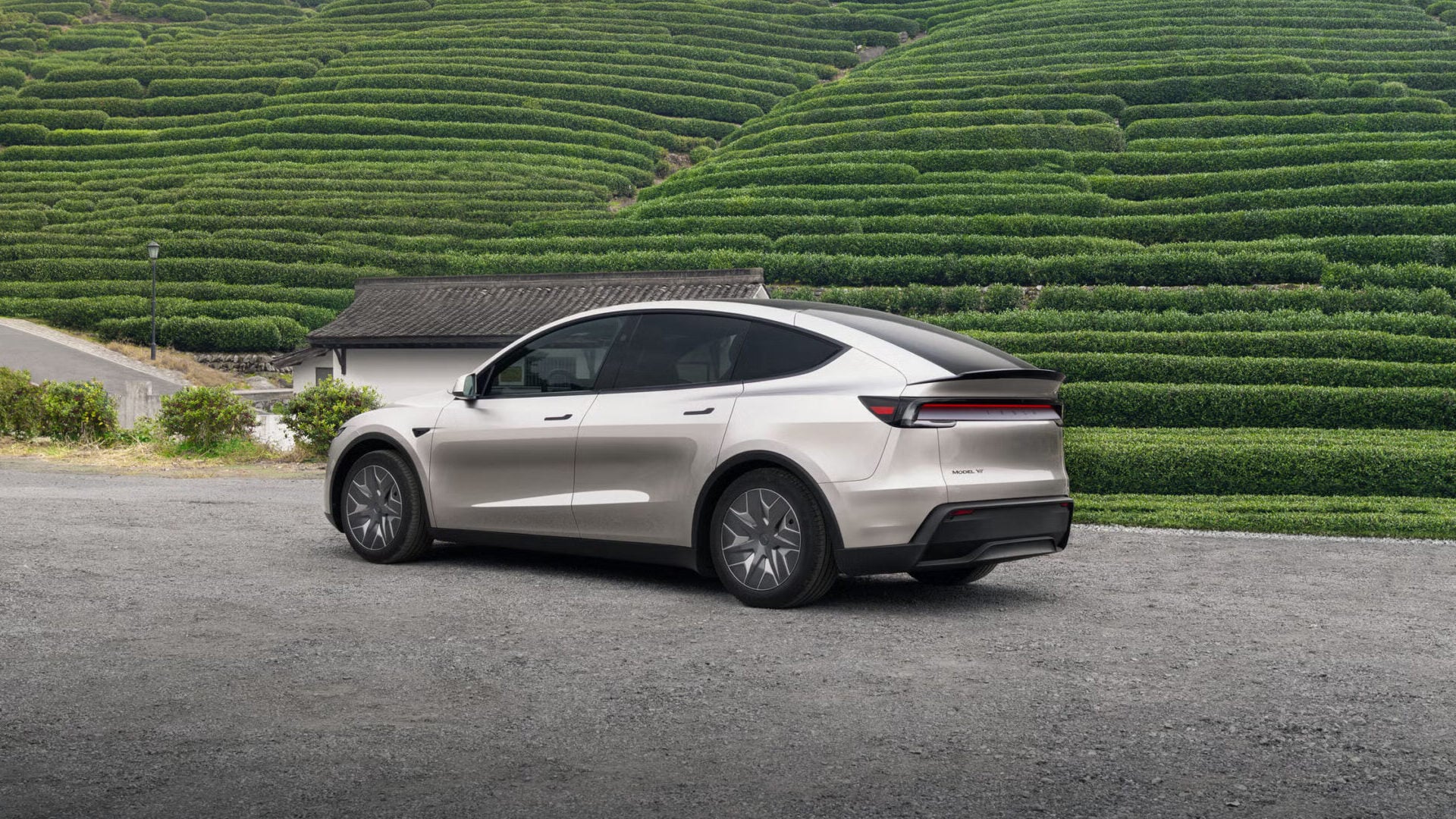
This isn’t the first time a government has restricted vehicles over concerns about their onboard technology. In 2021, China barred Tesla vehicles from certain government facilities over concerns about their onboard cameras.
Those restrictions were lifted in 2024 after Tesla received approval under China’s automotive data-security requirements. The situation shows how connected-car technology has become a security concern on both sides of the Pacific.
Could Other Military Bases Follow?
Similar restrictions could eventually be considered at other American military installations in Japan and South Korea. However, no such ban has been officially announced.
The Kadena decision currently targets BYD vehicles at one specific base, but it shows how cameras and connected features in modern cars can raise concerns about exposing sensitive information at military facilities.