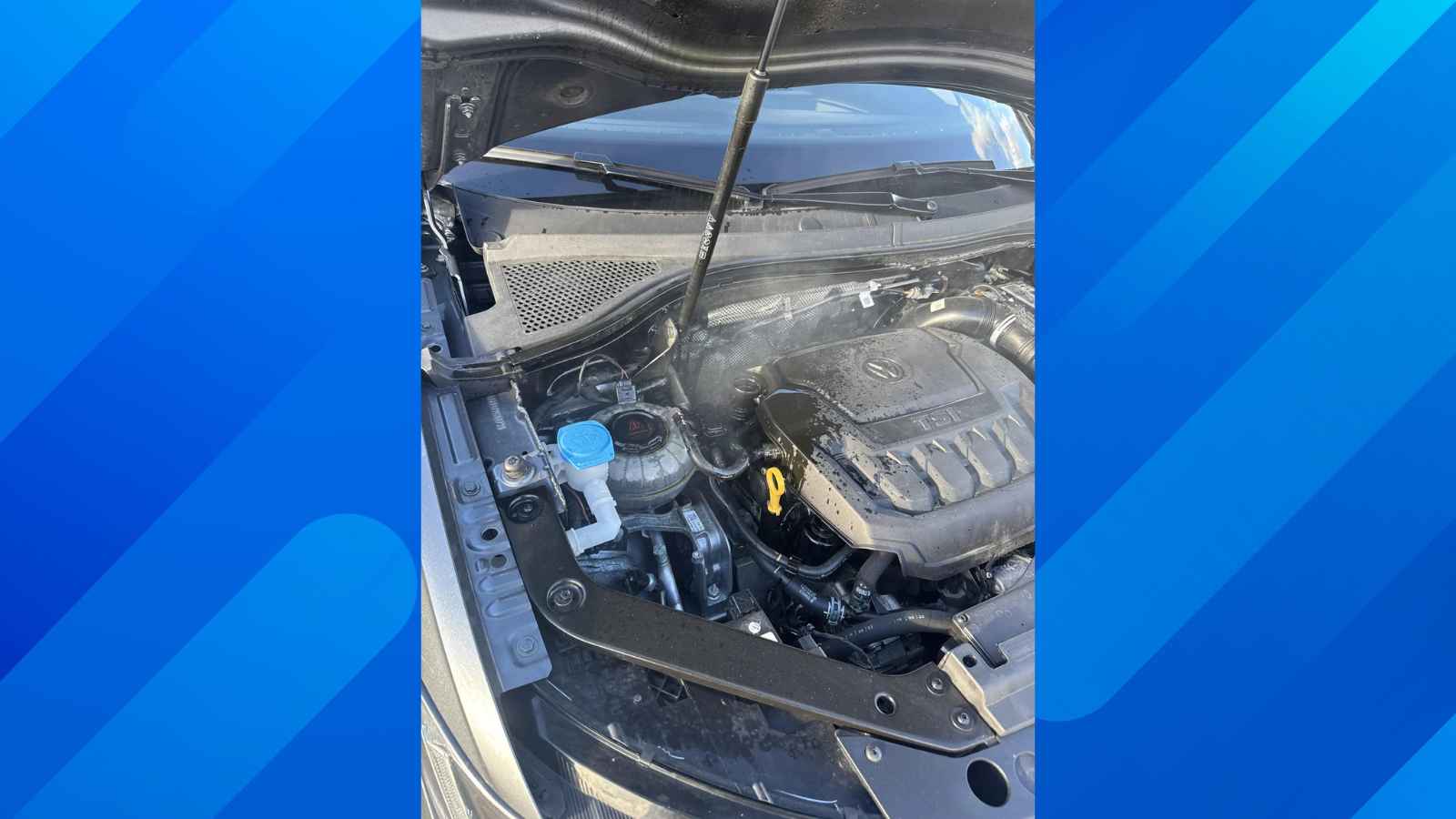
A 2023 Volkswagen Tiguan owner says a routine dealership oil change was followed by an alarming drive home after the check engine light came on and smoke rose from the engine compartment.
The SUV had been serviced at a Volkswagen dealership less than a week earlier. While driving home from work, the owner noticed the warning light before smoke began appearing.
After pulling over, the driver opened the hood and found the engine oil filler cap missing. Oil had spread throughout the engine bay, raising questions about whether the cap had been improperly secured during the recent service.
The Tiguan was towed back to the dealership for inspection. On October 17, the owner described the incident in Reddit’s r/MechanicAdvice community and asked whether a loose cap could explain what happened or whether a more serious mechanical problem was responsible.
Oil Cap Mystery
Oil cap blew off ?
by
u/Chance_Currency1599 in
MechanicAdvice
Several commenters suspected the dealership had left the filler cap loose during the oil change.
One participant pointed to the cap’s placement on Volkswagen’s third-generation EA888 engine. The commenter explained that its relatively concealed location could make it easier for a technician to overlook when finishing a service.
Others agreed that the recent maintenance made an installation mistake a plausible explanation.
The warning light also prompted discussion. A missing oil cap can disrupt crankcase ventilation and introduce unmetered air into the engine, potentially triggering a diagnostic trouble code.
However, the warning light does not prove the Tiguan had an oil pressure problem. Retrieving the stored diagnostic codes would help identify the cause.
Mechanical Failure Debate
Not everyone agreed that a loose cap was the only possibility.
One commenter suggested that a malfunctioning positive crankcase ventilation (PCV) system could create excessive pressure inside the engine. Under certain circumstances, that pressure can cause oil leaks or damage seals.
Another participant, who identified as a career Audi and Volkswagen technician, disputed the theory. The commenter argued that excessive crankcase pressure would be more likely to damage the rear main seal than force off a properly secured filler cap.
The discussion highlighted two different explanations, although neither has been confirmed.
Inspecting the oil filler opening, cap-retaining components, and PCV system could help determine whether the problem involved an installation mistake or a separate mechanical failure.
Engine Damage Concerns
Oil escaping through an unsecured filler opening can spread across the engine compartment while the vehicle is running. If it reaches hot exhaust components, the resulting smoke can make the situation appear particularly serious.
That does not automatically mean the engine has suffered internal damage.
The greater concern is how much oil escaped before the Tiguan stopped. A substantial loss of engine oil can reduce lubrication and potentially damage bearings and other internal components.
Several Reddit participants encouraged the owner to have the dealership inspect the vehicle thoroughly rather than simply replace the missing cap.
Checking the remaining oil level, identifying any stored fault codes, and examining the engine for signs of damage would help establish whether additional repairs are necessary.
The original post did not specify how much oil had escaped or whether the dealership had accepted responsibility.
As of the owner’s October 17 account, the Tiguan had been returned to the dealership, and the dealership had not reported a confirmed diagnosis.