
Buying a new car is expensive enough, but keeping it on the road comes with an increasingly hefty price tag. According to AAA’s latest research, the average American now spends $12,863 annually to own and operate a new vehicle.
That works out to approximately $1,072 per month, covering expenses such as fuel, maintenance, repairs, financing, taxes, and depreciation. AAA’s 2025 estimate was $11,577, although changes to the study’s methodology mean the two figures aren’t directly comparable.
The findings come from AAA’s 2026 Your Driving Costs study, which examines the financial realities of new-car ownership over five years and 75,000 miles. Researchers evaluated 34 popular models across seven vehicle categories.
This year’s analysis also introduces a significant change by including selected electric and hybrid vehicles alongside gasoline-powered models. The results reveal that spending less at the pump doesn’t necessarily mean spending less overall.
Depreciation Is The Biggest Expense
Fuel prices attract plenty of attention, but depreciation is still the highest single cost of owning a new vehicle. AAA estimates that new cars lose an average of $4,422 in value annually.
The study also found that the sales-weighted average manufacturer’s suggested retail price reached $39,376. Financing charges, taxes, and registration fees further increase the amount owners spend beyond the purchase price.
Gasoline averaged $4.152 per gallon during the study, representing a 31.8% increase compared with 2025. Residential electricity prices rose by a smaller 7.8%, averaging 18 cents per kilowatt-hour.
EVs Save On Energy, But Not Necessarily Ownership
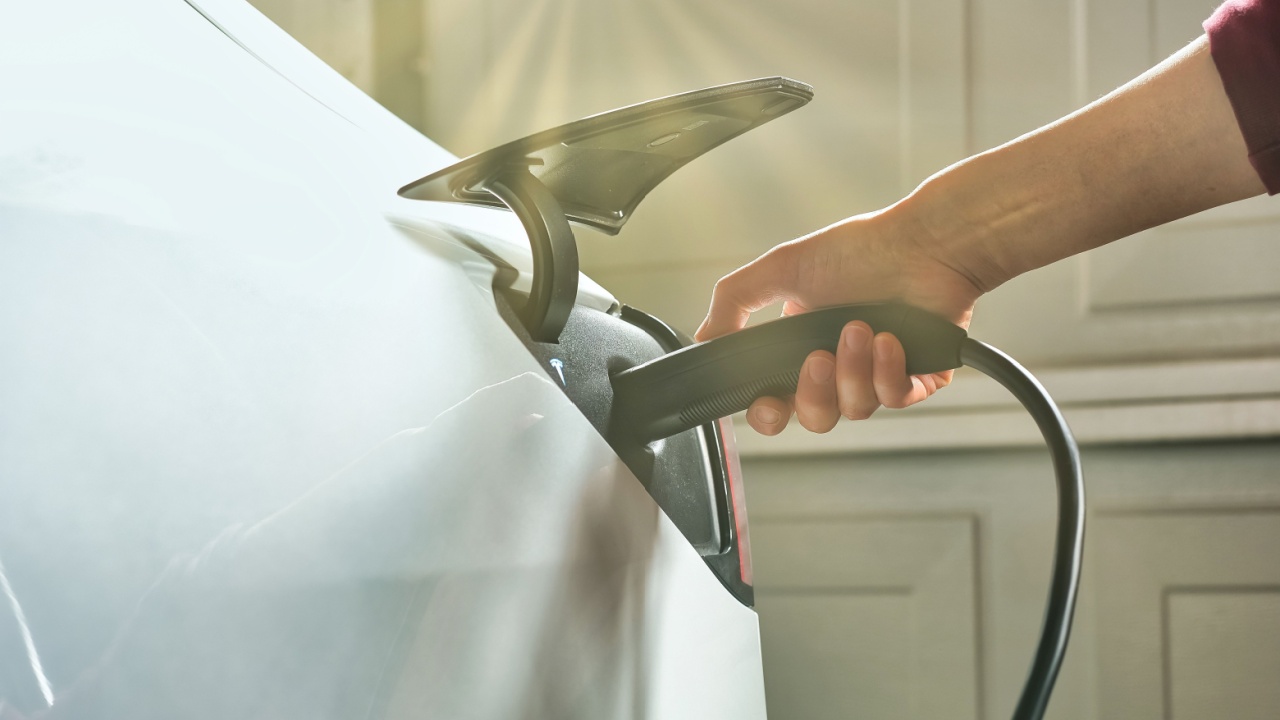
Electric vehicles delivered the lowest energy costs, with home charging approximately 66% to 70% cheaper than fueling comparable gasoline vehicles. However, their higher depreciation and financing expenses frequently erased those savings.
For example, gasoline-powered midsize sedans cost an estimated $10,582 annually, compared with $13,662 for equivalent EVs. That makes the electric models approximately 29.1% more expensive to own in this particular category.
Hybrids Offer A Financial Sweet Spot
Hybrids performed particularly well, delivering lower annual ownership costs than gasoline-powered alternatives in all four vehicle categories studied. These included midsize sedans, compact SUVs, midsize SUVs, and pickup trucks.
Their advantage came from combining lower fuel consumption with relatively modest increases in other ownership expenses. For buyers primarily concerned with minimizing costs, hybrids emerged as an attractive compromise.
Choosing The Right Vehicle Makes A Big Difference
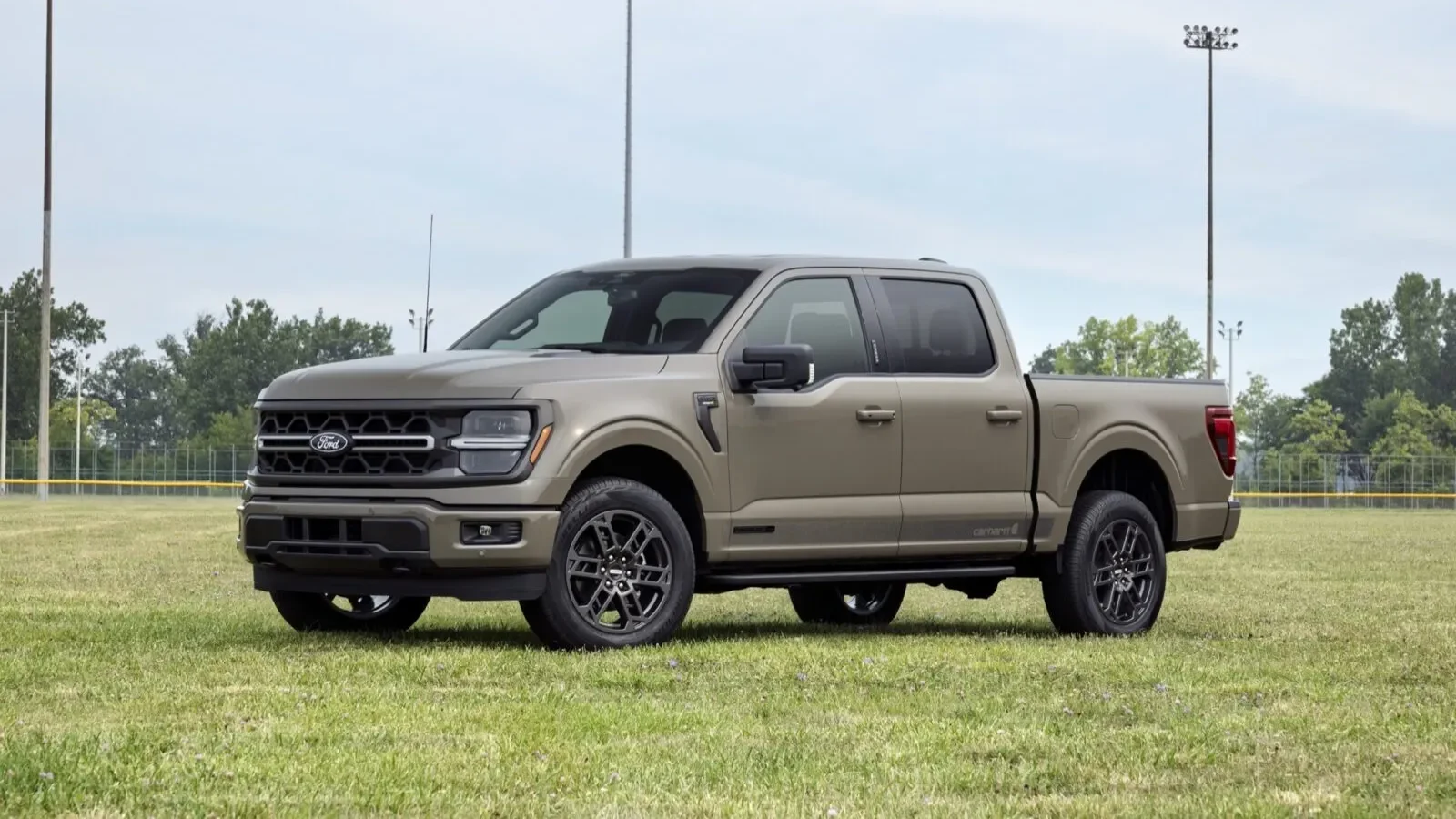
Vehicle size also plays a substantial role in ownership expenses, with half-ton pickup trucks costing approximately $1.10 per mile. That’s 48 cents more than small sedans, translating to an additional $7,191 annually at 15,000 miles.
AAA emphasizes that actual expenses depend on location, driving habits, and the vehicle purchased. Its findings nevertheless offer a reminder that the sticker price tells only part of the story, particularly when depreciation can outweigh years of fuel savings.