A New Jersey woman and her husband have been convicted of running a transportation company that federal prosecutors say existed largely on paper while collecting more than $1.6 million from programs intended to help elderly, disabled and homeless people.
A federal jury found 45-year-old Jael Watts and 42-year-old Luis Pino-Copete guilty following a multi-week trial in Utica, New York, according to the U.S. Attorney’s Office for the Northern District of New York.
Prosecutors said their company, Pearl Transit Corporation, sought more than $13 million through federal programs administered by state and local governments between 2019 and 2025. More than $1.6 million was actually paid.
The company claimed to employ drivers around the country who transported seniors and people with disabilities and performed outreach for homeless people. Trial evidence showed it employed none of those drivers and provided none of those services.
Paper Passengers
To support the reimbursement requests, prosecutors said Watts and Pino-Copete created false payroll and client records using identities stolen from real people.
Some people listed as Pearl Transit passengers were already dead on the dates the company claimed to have transported them.
Other identities were used to create supposed drivers who did not have driver’s licenses. One person had only a learner’s permit, while another had never driven a car.
The money came through several federal programs, including the Federal Transit Administration’s Section 5310 program for transportation serving seniors and people with disabilities and Department of Housing and Urban Development programs supporting communities and homeless services.
Federal prosecutors said Pearl Transit obtained $529,500 through Gwinnett County, Georgia; $429,885 through the Los Angeles County Metropolitan Transportation Authority; $283,000 through Kern County, California; and $379,149 through Raleigh, North Carolina.
New York Notices
The operation began unraveling after Pearl Transit sought reimbursement from New York.
The New York State Comptroller’s Office said Pearl Transit had a state contract to provide transportation in Suffolk, Putnam, Rockland and Westchester counties using federal transit funding.
Starting in October 2024, Watts submitted three invoices totaling more than $1.27 million for trips that investigators later determined never occurred.
The comptroller’s office noticed inconsistencies while reviewing the invoices and began an audit. New York did not pay the claims.
Prosecutors said Watts and Pino-Copete responded to the scrutiny by creating more false documents with stolen identities to make it appear that the services had actually been provided.
That audit ultimately expanded into a joint investigation involving the comptroller’s office, the U.S. Department of Transportation Office of Inspector General and HUD’s Office of Inspector General.
The DOT Office of Inspector General said Pearl Transit, Watts and Pino-Copete were later suspended from participating in federal procurement and other federal transactions.
Where It Went
Bank records presented at trial showed where much of the money went.
Prosecutors said Watts and Pino-Copete spent more than $100,000 renting Porsches and another $100,000 at luxury clothing company Loro Piana in Manhattan.
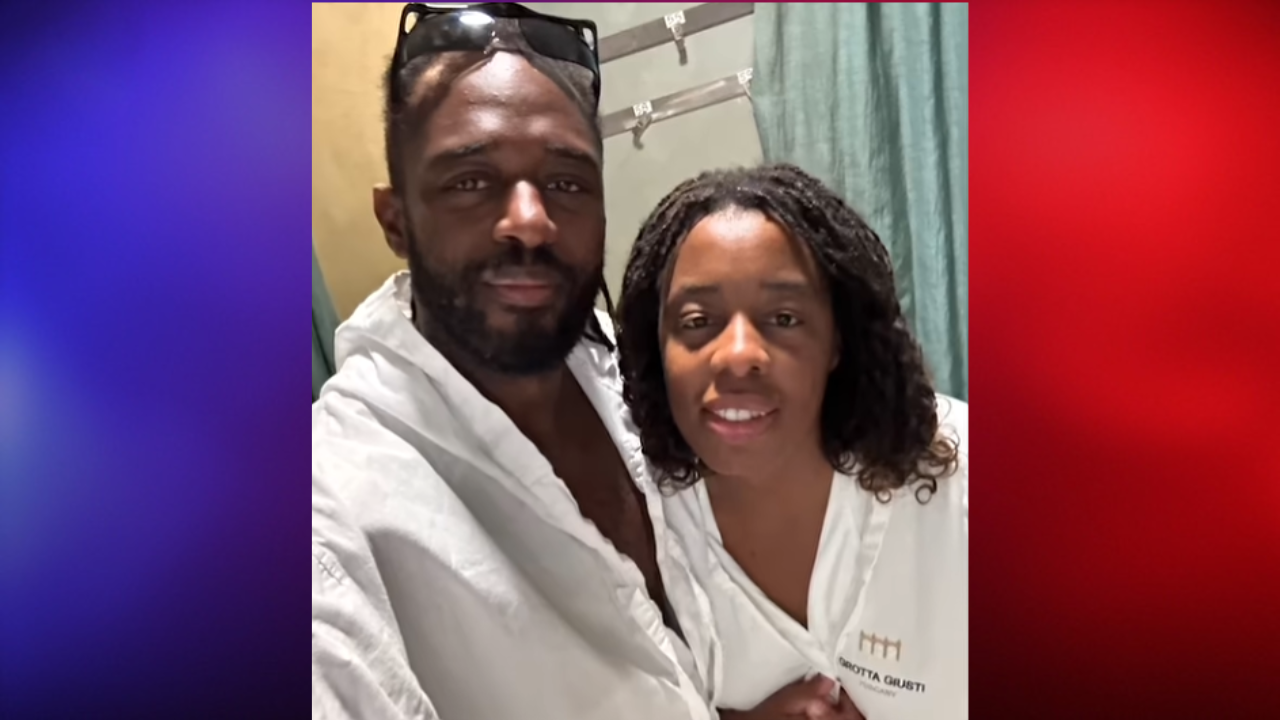
They also traveled extensively during 2024, visiting Colombia, Aruba and Europe. Prosecutors introduced photographs the couple took at a spa in Tuscany and while touring a BMW plant.
The government said Pino-Copete joined the scheme in January 2024, after marrying Watts in Colombia the previous year.
The activity did not immediately stop when Watts was arrested.
According to prosecutors, the two communicated while Watts was being held at the Albany County Correctional Facility in September 2025 and worked on false documents in an effort to obtain another $50,000 from San Bernardino, California.
Another Business
The trial also exposed a separate use of federal community-development funding.
Prosecutors said the defendants sought reimbursement by claiming Pearl Transit provided free dental prostheses to homeless people.
Instead, they manufactured dentures at home using a 3-D printer and charged homeless clients for mouth scans and fittings.
Evidence shown to jurors included an image of Pino-Copete displaying cash from a dental customer during a video call with Watts while she was incarcerated.
A jury ultimately convicted both defendants of wire fraud conspiracy, using a false document and aggravated identity theft. Watts was additionally convicted of five wire fraud counts, another aggravated identity theft count and making a false statement.
Sentencing is scheduled for January 21, 2027, before U.S. District Judge Anthony J. Brindisi.
The Justice Department said both face a mandatory minimum of two years in prison and up to 20 years, along with fines and supervised release. They also face a restitution order of at least $1.9 million. Pino-Copete, a Colombian citizen, additionally faces removal from the United States after completing any prison sentence.