Toyota now sells electrified vehicles across a huge portion of its American lineup, which means battery problems can potentially affect everything from everyday hybrids to full EVs. The company has therefore decided it wants more of the engineering work needed to diagnose those problems closer to where its American customers actually drive.
Toyota has officially opened the Toyota Battery Center of North America in Saline, Michigan. The 30,000-square-foot facility will test, evaluate, and help develop batteries without actually mass-producing them.
Toyota says one of the biggest benefits will be speed. Engineers based at the center will be able to investigate field problems closer to North American factories and customers rather than relying as heavily on development work elsewhere.
The facility isn’t dedicated solely to battery-electric vehicles, either. According to Toyota’s announcement, its engineers will work on batteries for hybrids, plug-in hybrids, hydrogen fuel-cell vehicles, and fully electric models.
Toyota Wants To Catch Problems Faster

“For Toyota customers, this facility means Toyota engineers can detect and resolve field concerns faster and closer to the source,” said Jordan Choby, Toyota Motor North America’s group vice president of Powertrain. The company also wants to develop longer-lasting batteries specifically suited to conditions faced by American drivers.
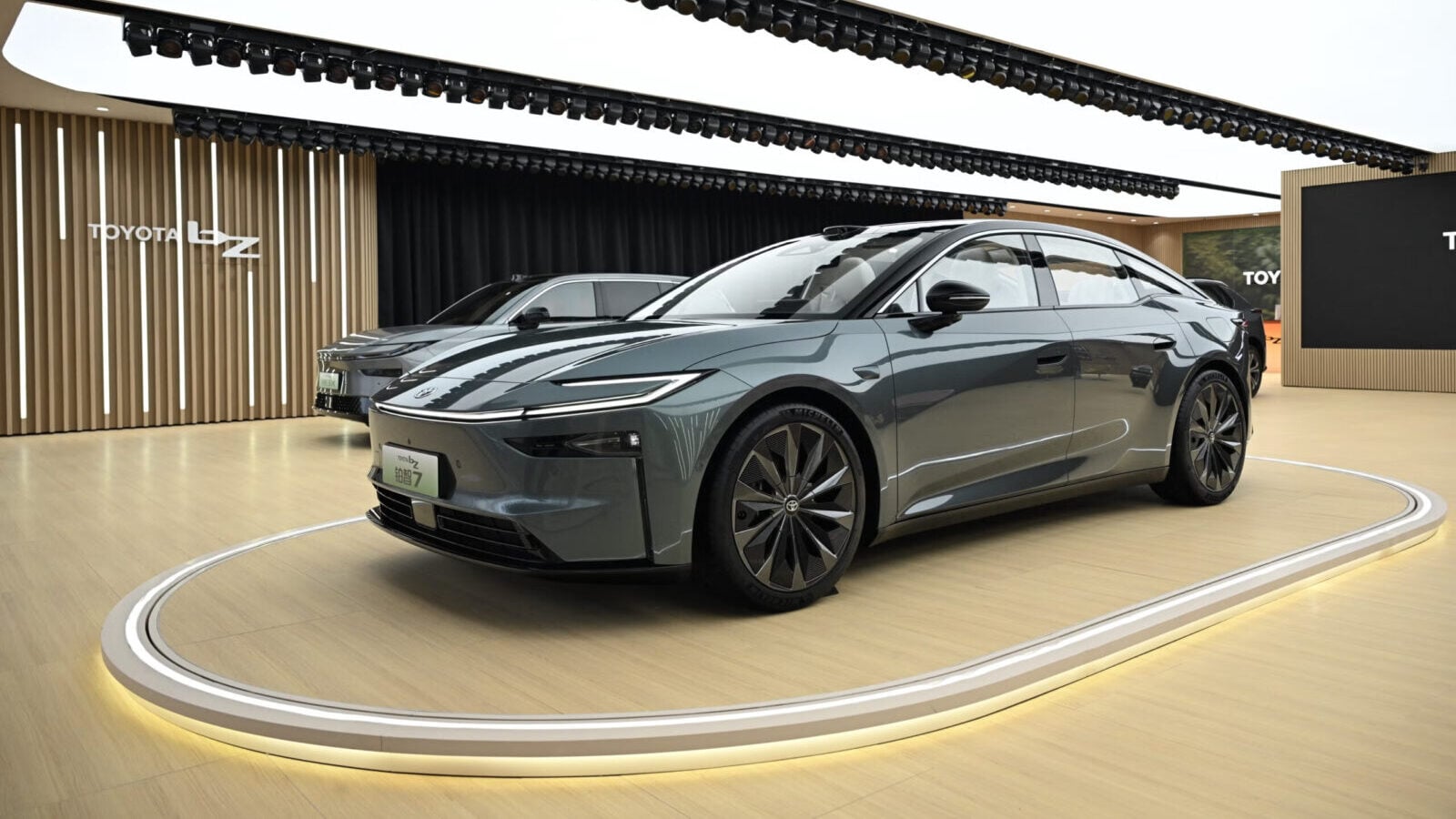
That could become increasingly important as batteries spread throughout Toyota’s lineup. Earlier in 2026, nearly 21,000 Toyota bZ, Lexus RZ, and Subaru Solterra EVs (co-developed through a joint venture between Subaru and Toyota) were recalled over a battery ECU software problem that could result in a loss of propulsion.
The Michigan center gives Toyota additional resources to investigate issues like these closer to home. Its work will span the battery development cycle, including raw materials, vehicle applications, and eventual recycling.
This Isn’t Another Battery Factory
Toyota already has a major U.S. battery manufacturing operation in North Carolina, but the Michigan facility serves a different purpose. Instead of pumping out battery packs, the new center is focused on engineering, testing, and evaluation.
It will support batteries produced by Toyota Battery Manufacturing North Carolina as well as Toyota vehicle factories across the continent. Engineers and technicians will also evaluate performance and work on future battery technologies.
Toyota originally announced plans for the facility in 2023, with an investment of nearly $50 million. The company hasn’t announced a new battery chemistry or major range breakthrough alongside its opening.
Electrified Toyotas Are Already Big Business
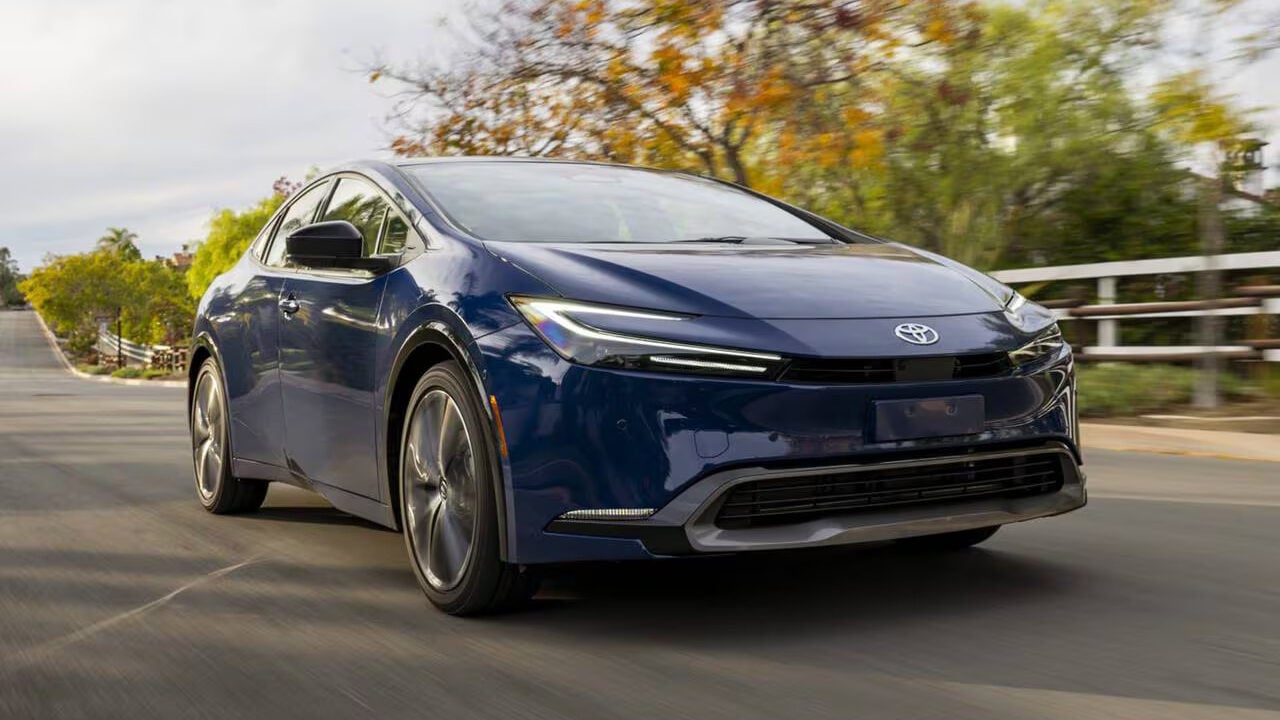
The timing makes sense when looking at Toyota’s current U.S. sales. Toyota Motor North America sold 363,367 electrified vehicles during the third quarter of 2026, an increase of 28.5 percent from the same period last year.
Those vehicles represented 57.4 percent of Toyota’s total sales during the quarter. That figure includes the company’s extensive hybrid lineup rather than EVs alone, fitting with Toyota’s long-running strategy of offering several different powertrain technologies.
The facility will also be available for research through a partnership with the University of Michigan Electric Vehicle Center. For Toyota, however, the practical advantage is simple: with batteries appearing in an increasing number of vehicles it sells, having engineers nearby who can test, diagnose, and improve them should make solving problems a little quicker.