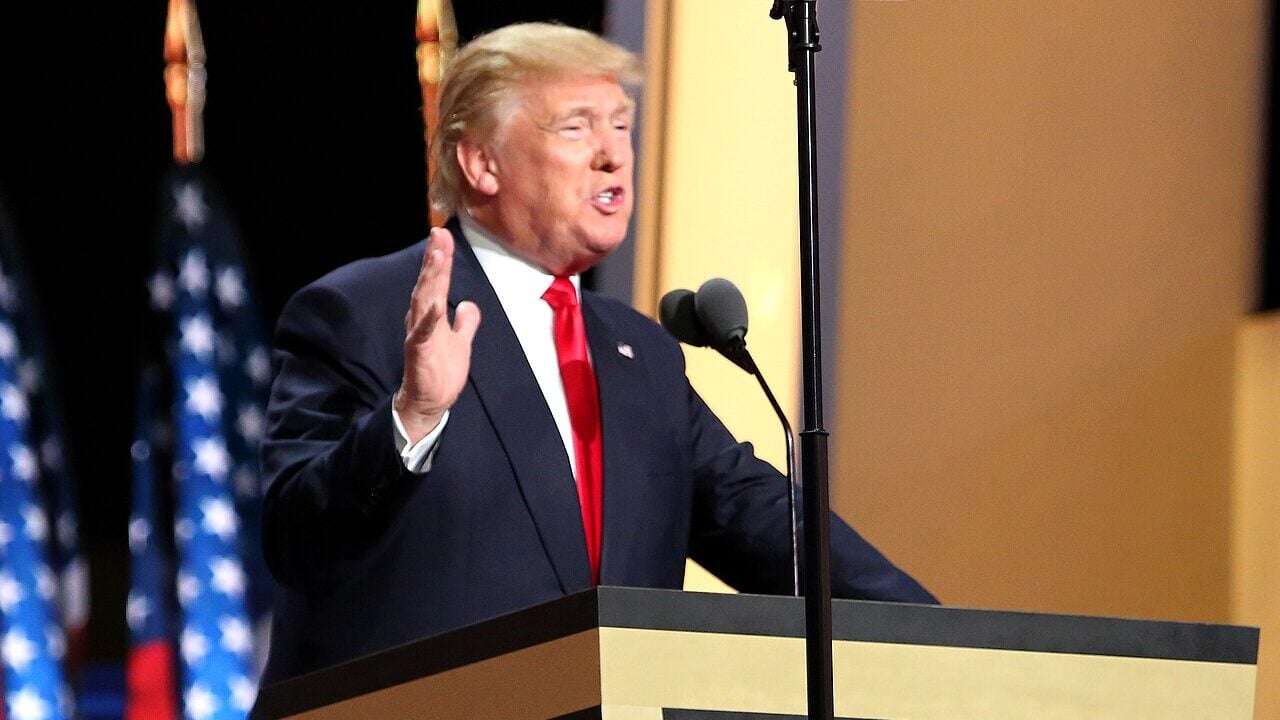
President Donald Trump is considering keeping American diesel from being exported as his administration searches for ways to bring record fuel prices under control. His own energy secretary, however, has publicly warned that a blanket ban could backfire.
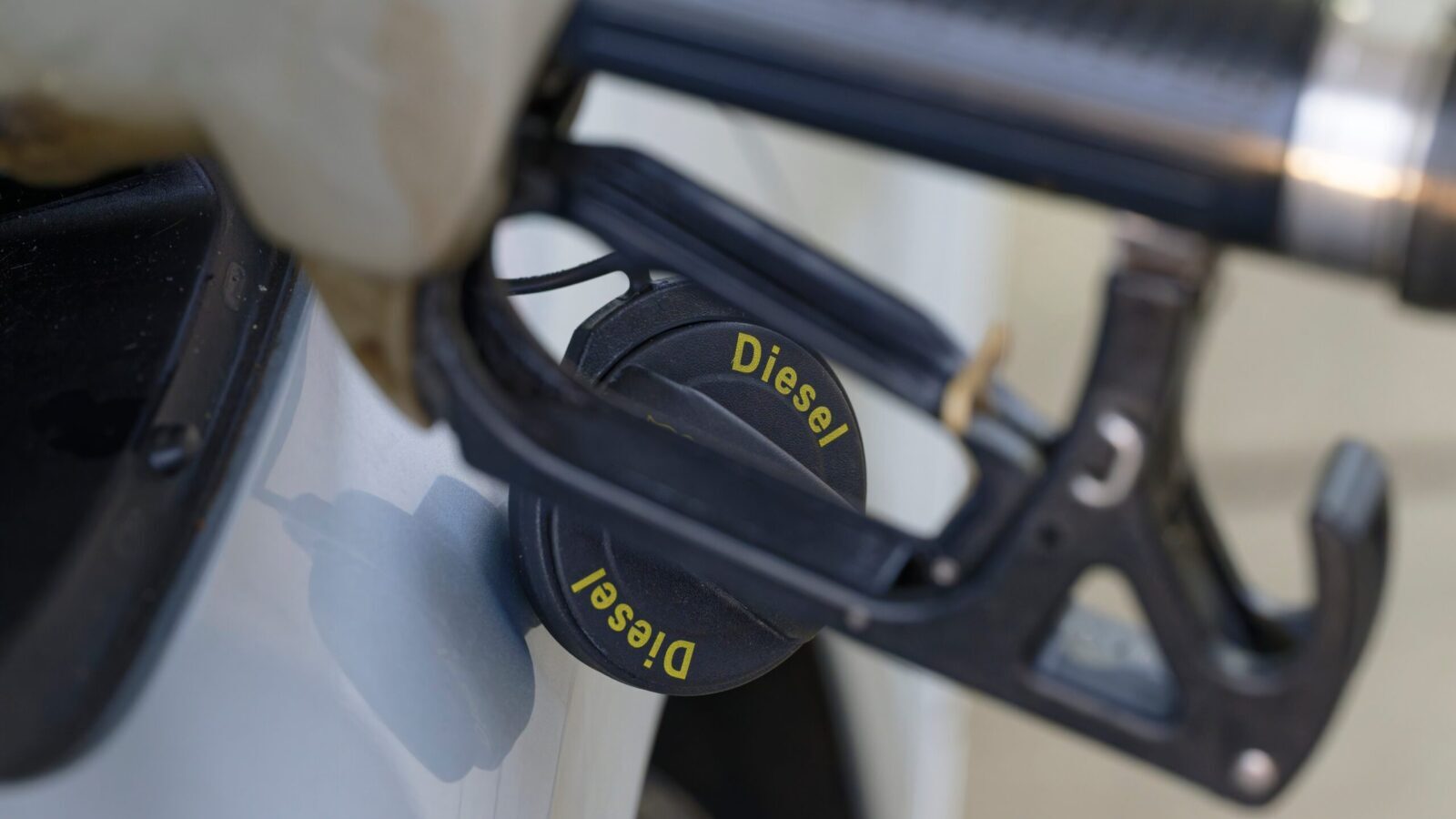
Diesel has become painfully expensive across the United States amid disruptions to global fuel supplies. According to AAA, the national average diesel price is currently $6.41 per gallon, putting additional pressure on truckers, farmers, and other businesses heavily dependent on the fuel.
Trump has repeatedly entertained restricting exports as one possible response. As recently as September 30, he confirmed that the idea remains under consideration, even while acknowledging concerns about what it could mean for gasoline prices.
Reuters reports that Energy Secretary Chris Wright sees a problem with that approach. Speaking in New York on September 23, Wright argued that preventing refiners from exporting diesel could ultimately force them to reduce overall production, potentially pushing gasoline and jet-fuel prices higher in the process.
Why A Diesel Ban Could Backfire
The problem comes down to how refineries operate. Crude oil isn’t simply turned into diesel on demand; refining produces a range of products, including gasoline, diesel, and jet fuel.
The United States exports large quantities of diesel, and eliminating that outlet could leave refiners with excess product and limited storage capacity. Wright argues that once storage fills, refineries could be forced to process less crude.
That would mean producing less gasoline and jet fuel alongside the unwanted reduction in diesel output. Rather than simply redirecting exported diesel into the domestic market indefinitely, a ban could therefore eventually reduce overall refinery production.
Oil and refining groups have made similar arguments. Industry representatives have warned the administration that export restrictions could ultimately tighten domestic fuel supplies rather than provide lasting relief.
White House Is Still Considering Its Options
The situation has generated conflicting signals from Washington. Politico reported on September 23 that the administration was preparing a 90-day diesel export ban, citing five people familiar with the discussions, while a White House official disputed that report.
Wright said the administration was instead working with refiners on voluntary measures that could increase the amount of diesel available domestically without imposing a blanket restriction. At the time, he stressed that no final decision had been made.
The issue hasn’t disappeared since then. Trump said on September 30 that he continues to consider an export ban, while the administration is also examining alternatives, including voluntary export limits and expanded access to tax-exempt red-dyed diesel.
That leaves the policy unresolved. There is currently no announced blanket ban on U.S. diesel exports, and the White House’s public list of recent presidential actions does not show one having been enacted.
Diesel Is Already At Record Highs

The urgency comes from prices at the pump. U.S. diesel recently reached approximately $6.53 per gallon, with international conflicts and disruptions to global refining and fuel supplies contributing to the surge.
Any intervention also has consequences beyond diesel-powered pickups and semi-trucks. Higher diesel costs feed into agriculture, construction, and freight expenses, while restrictions on U.S. exports could also put additional pressure on already-tight supplies elsewhere in the world.
For now, Trump is keeping the export-ban option alive while Wright is publicly making the case for a different approach. The administration’s challenge is finding a way to push diesel prices down without accidentally sending other fuel prices in the opposite direction.