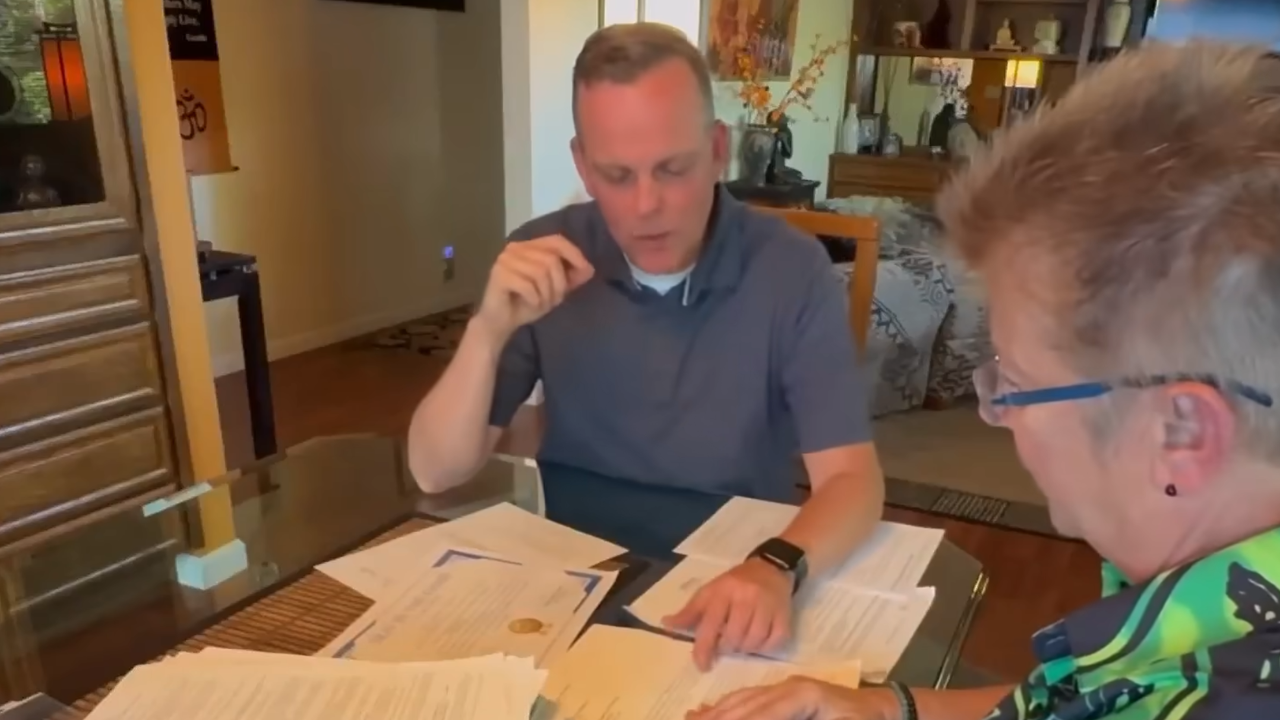
A woman who spent $12,000 on a Las Vegas timeshare eventually decided the annual fees were no longer worth it. Getting out, she said, became more expensive and much harder than getting in.
Joyce, whose last name was not published by NBC Bay Area, said she originally bought the Diamond Resorts timeshare on impulse. Diamond was later acquired by Hilton Grand Vacations, a deal HGV announced in 2021.
Her ownership came with annual maintenance fees that she said had climbed above $1,000. By 2024, Joyce wanted out.
What followed was a two-year attempt involving an exit company, a separate transfer company, $6,700 in upfront payments and a written guarantee that the transfer would be completed within a year.
Looking For Out
Embedded media follows; please allow a moment to load.
Joyce told NBC Bay Area Responds that she contacted Hilton in 2024 and asked about returning her ownership.
She said the option presented to her required buying an additional $15,000 in timeshare interests before she could get out.
Hilton did not address that specific claim when NBC asked the company about Joyce’s case.
Joyce instead began looking for a timeshare exit company.
That is precisely where federal consumer regulators urge owners to proceed carefully.
The Federal Trade Commission warns that companies offering timeshare exit services may demand large upfront payments or guarantee they can cancel an owner’s contract. The agency advises owners to contact their timeshare company directly before paying a third party.
A Written Guarantee
Joyce paid Consumer Edge Travel Solutions in California and Liberty Consultations in Tennessee a combined $6,700 upfront in 2024, according to NBC.
Consumer Edge describes itself as a company offering timeshare advice and exit solutions. Liberty Consultations similarly advertises timeshare exit consultation, contract advocacy and owner guidance.
Joyce showed NBC a certificate guaranteeing that her timeshare would be transferred within 365 days.
A year passed.
Then another.
By the time Joyce contacted NBC Bay Area Responds, roughly 730 days had passed and she said she was still responsible for the timeshare.
Asked whether she expected the process to continue into 2026, Joyce had a concise answer.
“Hell no.”
Who Held It Up?
NBC contacted Hilton, Consumer Edge and Liberty Consultations.
The companies did not appear on camera, but each responded.
The exit side blamed Hilton for the delay. A representative told NBC that Hilton’s phone lines had been so overwhelmed that staff members were disconnected and said the transfer paperwork had been sent multiple times.
Hilton offered a different explanation.
The company told NBC that a third-party company hired by Joyce had submitted incomplete paperwork, which it said caused significant delays.
The competing explanations are notable because Hilton Grand Vacations participates in the Coalition for Responsible Exit, an industry-backed program that directs owners toward developer-run exit options before they pay an outside company.
Hilton’s HGV Transitions program says it offers legacy Diamond owners assistance with possible exit options and specifically promotes alternatives designed to help owners avoid scams.
The FTC gives similar advice. It says owners looking to leave a timeshare should first ask their developer or management company what exit options are available and should be cautious of companies demanding substantial advance fees or guaranteeing results.
Then It Moved
After NBC began asking questions, the transfer company told the station it submitted another packet of paperwork.
Hilton subsequently confirmed to Joyce that the transfer had been completed.
For Joyce, it ended an ordeal that had lasted about two years after she paid thousands of dollars for help leaving an ownership she no longer wanted.
“I felt like I’ve had this weight on my back for so long and it’s gone,” she told NBC. “It just is such a relief.”
Her experience comes as federal regulators continue pursuing alleged misconduct in the broader timeshare-exit industry.
In April 2026, a federal court ordered an operator of an unrelated timeshare-exit operation to pay $140 million after the FTC accused that operation of taking more than $90 million from consumers, many of them older adults. The case did not involve Consumer Edge, Liberty Consultations or Hilton Grand Vacations.
For owners considering an exit, the FTC recommends getting promises in writing, researching any company before paying it and treating guaranteed cancellations and large upfront fees as warning signs.