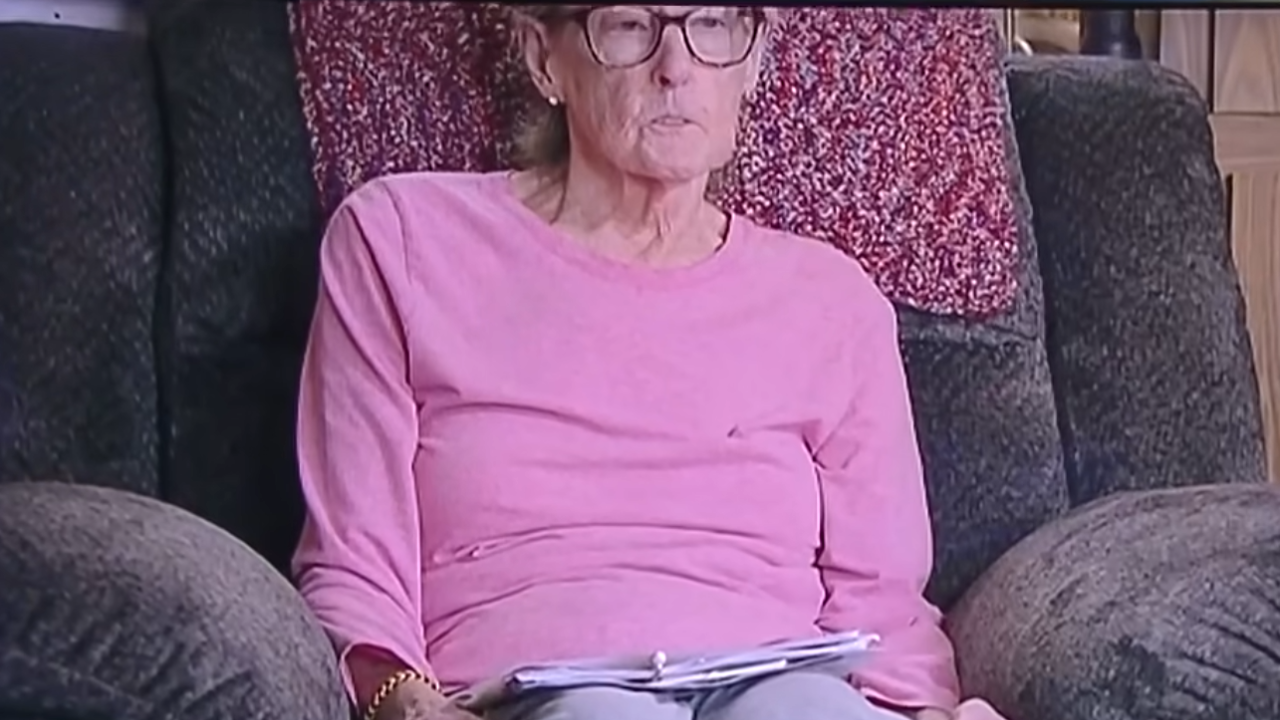
Sharon Jacks went to an Ohio hospital in September 2025 expecting to lose part of her right leg. A lawsuit filed on her behalf says she woke up without part of her left leg instead.
The planned below-the-knee amputation at Selby General Hospital in Marietta was necessary because Jacks had cancer in her right leg, according to a 32-page complaint described in WBNS reporting carried by KTVB. Her attorney, Brad Layne, said the right leg still had to be amputated later, leaving the 74-year-old a double amputee.
What makes the alleged mistake harder to explain is what Layne says happened before the operation. In a WBNS interview, he said his review of the medical records showed the surgeon had marked the correct leg before surgery.
Layne said the mark was still there after Jacks woke up. The hospital, meanwhile, has acknowledged that an avoidable surgical event occurred and said its expected operating-room procedures were not followed.
Two Time-Outs
Embedded media follows; please allow a moment to load.
The lawsuit alleges there were multiple opportunities to catch what was happening before the amputation began.
WBNS reported that the surgical team documented two surgical “time-outs” before the operation. Those pauses are designed to make members of the operating-room team verify critical details, including the patient, the procedure, and the surgical site.
Layne said responsibility for that verification did not rest with one person.
“Every person in that operating room is responsible to make sure that that is verified before moving forward,” he told WBNS.
That included the doctor, nurses, anesthesia personnel, and other members of the surgical team, he said.
Yet according to Layne, the records still show the wrong leg was removed.
The Correct Mark
The allegation involving the surgeon’s preoperative marking adds another layer to the case.
Layne said the correct leg had been marked before Jack’s surgery. After the operation, he said that the mark remained on the right leg while the left leg had been amputated.
The lawsuit characterizes what happened as a “complete failure of basic safety procedures.”
Those procedures are not unique to Selby General Hospital. The Joint Commission’s current surgical-safety requirements call for a pre-procedure verification process, marking the procedure site, and a final time-out before surgery begins.
Its guidance says the final time-out should involve the immediate members of the procedure team and confirm, at minimum, the patient’s identity, the correct surgical site, and the procedure being performed.
Wrong-site surgeries are often described as “never events” because established safeguards are specifically intended to prevent them.
Hospital Responds
Selby General Hospital did not dispute that a serious surgical failure occurred.
In a statement provided to WBNS and reproduced by KTVB, the hospital said an “adverse surgical event” occurred in September 2025 and that an internal review determined it was avoidable.
“Our proactive review of what took place confirmed this was an avoidable event, and that our expected operating room procedures were not followed,” the hospital said.
Selby General Hospital said those involved were held accountable and are no longer in their positions. It also said all surgical employees underwent mandatory retraining and additional requirements were developed where needed.
The hospital said its internal safety procedures were reviewed by its partners at the Mayo Clinic and that it cooperated with an Ohio Department of Health review. According to the hospital’s statement, those reviews found its surgical protocols aligned with applicable safety standards.
That distinction leaves the lawsuit focused not simply on whether safety procedures existed, but on the allegation that they failed during Jacks’ operation.
Now A Lawsuit
Jacks is suing the hospital, her surgeon, and members of the surgical team.
The nine-count complaint seeks compensatory and punitive damages. It alleges the defendants failed to follow basic precautions intended to prevent surgery on the wrong body part.
Jacks’ attorney said the consequences cannot be undone. After the September procedure removed her left leg, the cancerous right leg still required the amputation that had originally been planned.
She was left without either lower leg.