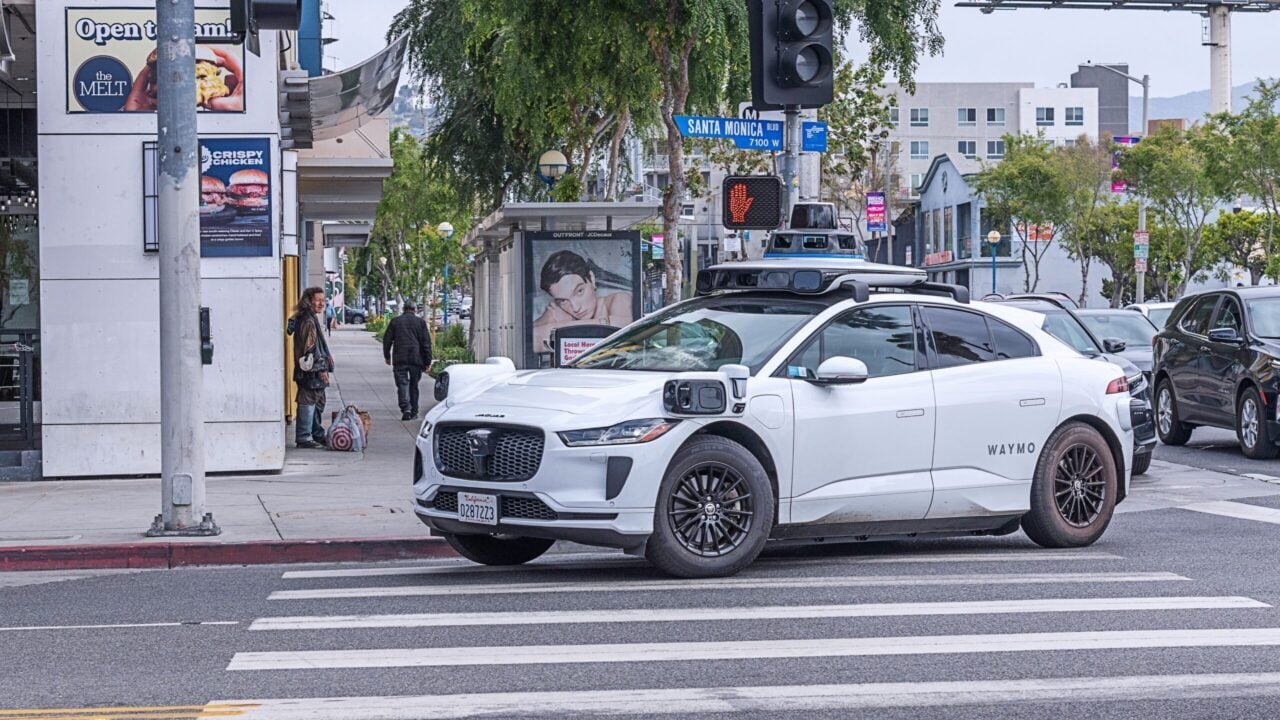
Robotaxis still attract plenty of attention whenever something goes wrong, but Waymo says its growing pile of real-world driving data tells a very different story. According to the company, its autonomous vehicles are now dramatically outperforming human drivers in some of the crashes that matter most.
Waymo has released updated safety figures covering 271.3 million miles driven without a human behind the wheel through June 2026. Those miles were accumulated across Phoenix, San Francisco, Los Angeles, Austin, and Atlanta.
Waymo says its autonomous driver experienced 95% fewer serious-injury-or-worse crashes than its human-driver benchmark. Put another way, the measured crash rate was roughly one-twentieth of the benchmark rate.
That doesn’t mean Waymo is claiming a 20-fold advantage across every conceivable measure of driving safety. Still, its latest numbers suggest a substantial difference across several important crash categories.
Waymo Says Hundreds Of Injury Crashes Were Avoided
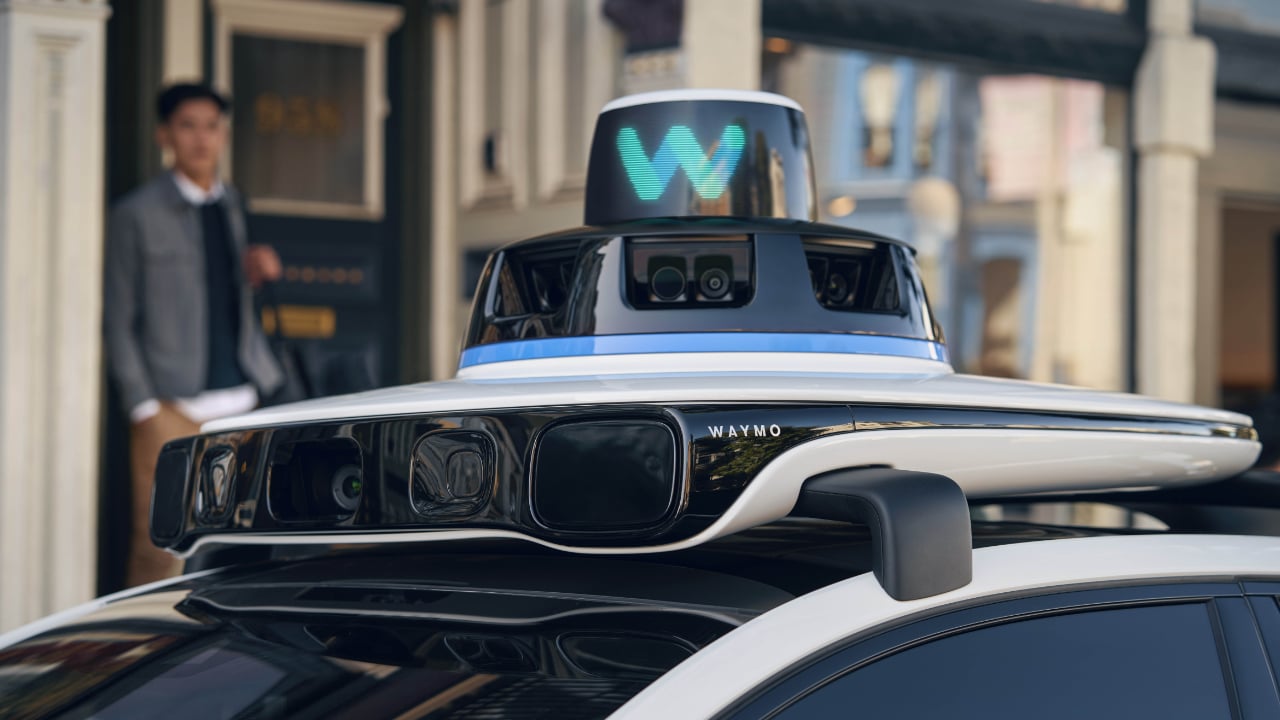
Across those 271.3 million autonomous miles, Waymo recorded a serious-injury-or-worse crash rate of 0.01 incidents per million miles, compared with 0.21 for its human benchmark. The company calculates that difference as 55 fewer serious crashes than expected if average human drivers had covered an equivalent distance.
The gap is still substantial when less severe injuries are included. Waymo reports 82% fewer injury-causing crashes overall, equivalent to 841 fewer incidents compared with its benchmark.
Crashes involving vulnerable road users also showed large differences. Waymo reports 93% fewer injury crashes involving pedestrians, 86% fewer involving cyclists, and 82% fewer involving motorcyclists.
Comparing Robots With Humans Gets Complicated
The numbers in Waymo’s study require some context because autonomous and human crash data aren’t recorded identically. Automated-driving companies face reporting requirements that can capture relatively minor incidents, while many crashes involving conventional vehicles never make it into police databases.
Waymo’s human benchmarks use state police crash records and vehicle-miles-traveled data, with adjustments intended to better represent the roads and areas where its vehicles actually operate. For its injury-crash comparison, Waymo also applies an adjustment intended to account for human crashes that go unreported.
The company acknowledges that a perfect apples-to-apples comparison isn’t currently possible. Road types, reporting standards, geographic driving patterns, and crash underreporting all complicate attempts to compare autonomous vehicles directly with humans.
271 Million Miles Makes The Dataset Harder To Ignore
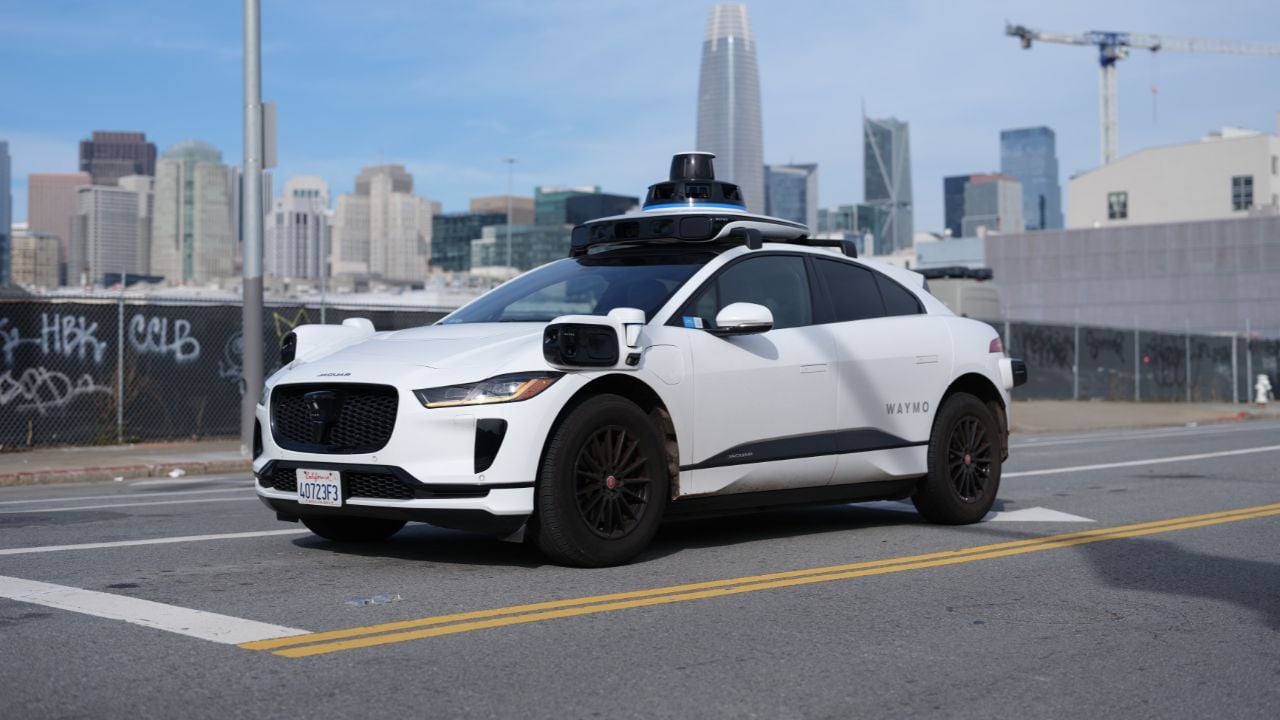
Waymo’s figures are the company’s own analysis, although it publishes its methodology and underlying safety information so outside researchers can examine the results. The Insurance Institute for Highway Safety has praised that transparency and encouraged other autonomous-driving developers to make their data similarly accessible.
Waymo certainly isn’t claiming its technology has eliminated crashes. Its own database contains collisions, and autonomous vehicles will continue sharing roads with unpredictable drivers, cyclists, and pedestrians.
Still, 271 million driverless miles is a substantial real-world dataset. If Waymo’s safety advantage continues as its fleet expands into new cities and driving environments, the debate may increasingly change from whether autonomous cars can match humans to how consistently they can outperform us.