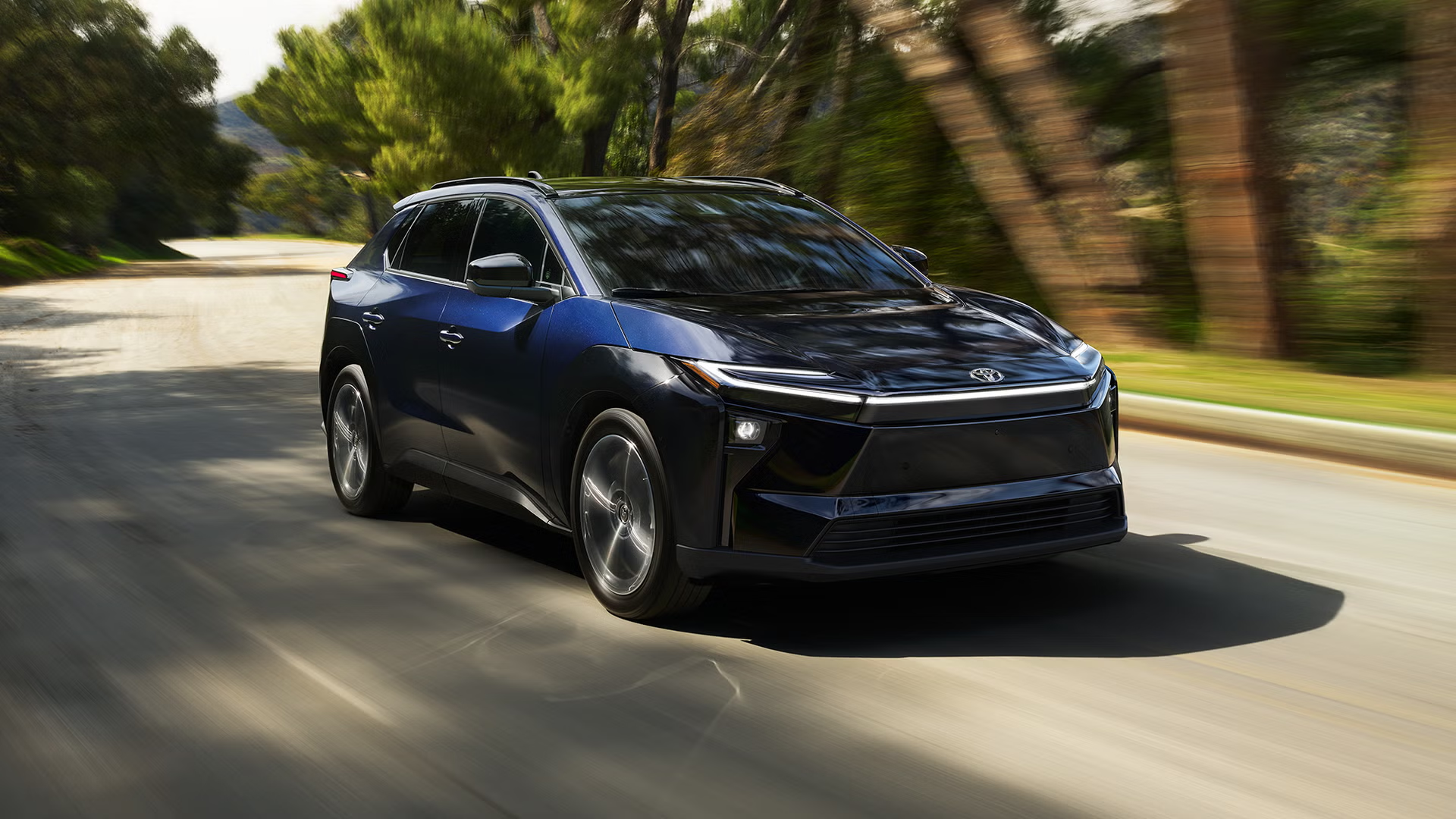
Toyota has spent decades proving that gasoline engines and electric motors can work well together. Now the company is apparently preparing to combine the two in a way it hasn’t tried before.
According to Nikkei Asia, Toyota plans to begin producing its first extended-range electric vehicle (EREV) in China in April 2027. The move would put the Japanese automaker into a segment already populated by several Chinese manufacturers.
Toyota apparently isn’t planning a small experiment, either. Production would begin at only a few hundred vehicles per month before ramping up significantly.
If everything goes according to plan, Nikkei reports Toyota is targeting roughly 200,000 EREVs during 2027 and around 400,000 in 2028. Toyota has not yet publicly revealed the vehicle that will lead the charge.
It’s Not A Conventional Toyota Hybrid
An extended-range EV works differently from the hybrids Toyota has spent decades developing. The wheels are driven exclusively by electric motors, while an onboard combustion engine functions as a generator when additional electricity is needed.
That separates the layout from a conventional hybrid or plug-in hybrid, where the combustion engine can mechanically drive the wheels. An EREV therefore retains electric propulsion while allowing drivers to refuel with gasoline when charging isn’t convenient.
The formula has found an audience in China, particularly for drivers who want electric driving around cities without relying entirely on charging infrastructure during longer journeys. Toyota would be entering an established segment rather than creating a new one.
Toyota Wants To Build It In China
Toyota’s first EREV will reportedly be produced in China and aimed initially at the Chinese market. Which vehicle will receive the powertrain is unknown as of yet, and Toyota hasn’t said whether it eventually intends to offer EREVs elsewhere.
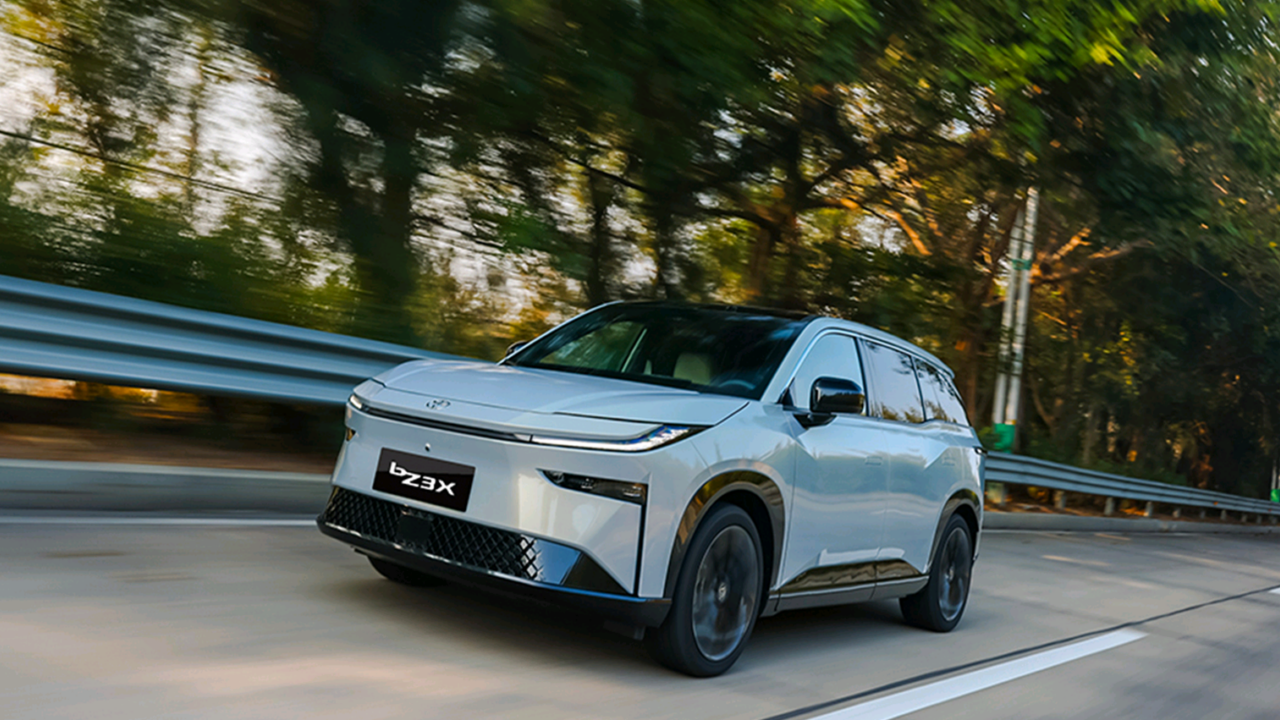
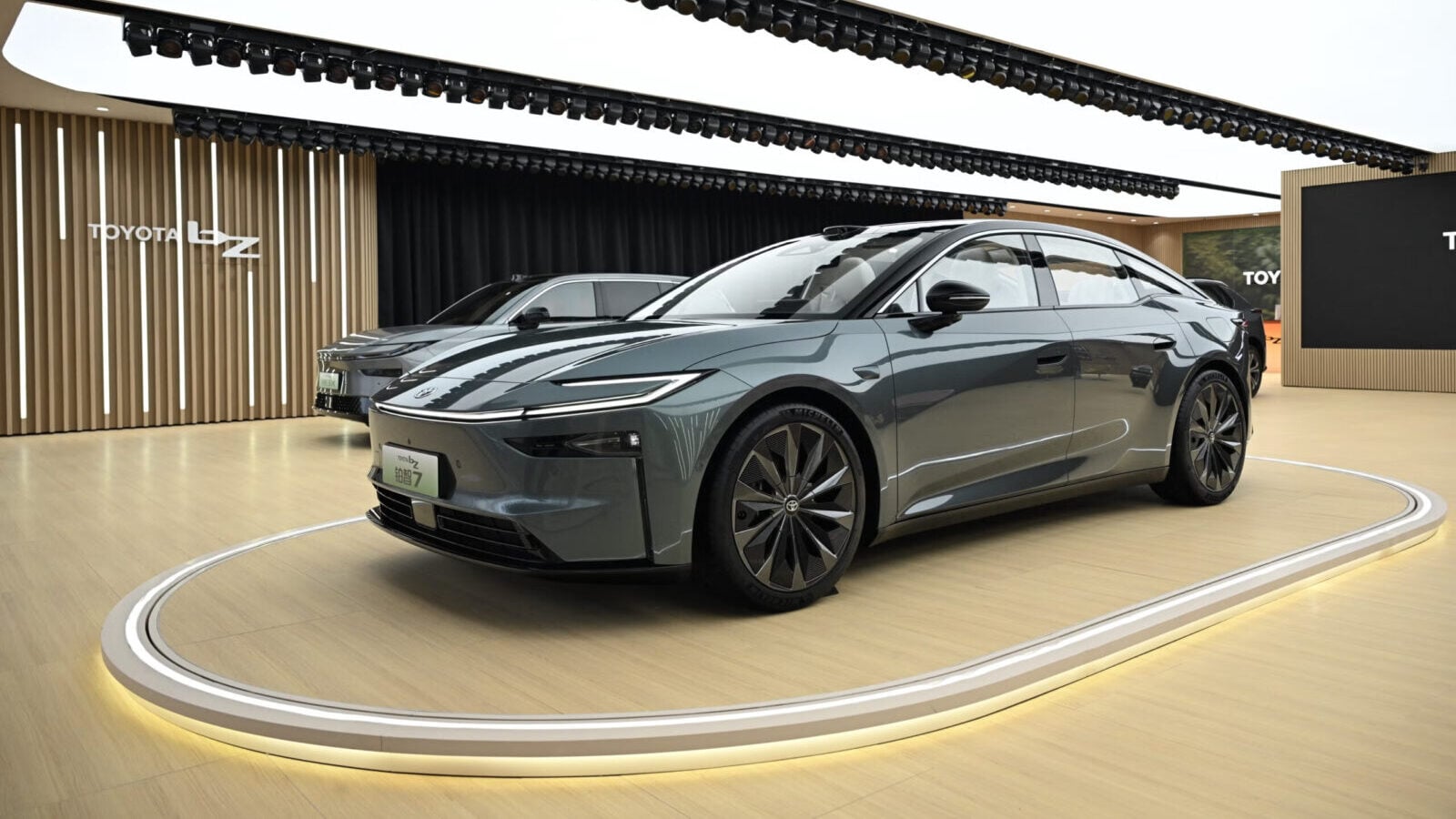
China has become increasingly important to Toyota’s EV development strategy. Its local electric lineup already includes models such as the bZ3, bZ3X, bZ5, and bZ7, several of which were developed with Chinese partners and technology.
Competition is also intense. One Toyota executive quoted by Nikkei said the fixation on battery EVs has contributed to a price war, adding that the company needs to avoid being pulled into that fight.
Toyota Could Scale Up Quickly
The reported production targets are perhaps the most surprising part of Toyota’s plan. Going from several hundred vehicles per month in April to roughly 200,000 during 2027 would represent an aggressive ramp-up, followed by another major increase to around 400,000 in 2028.
Plenty of details are still unknown, including battery capacity, electric range, gasoline-engine specifications, pricing, and even what Toyota’s first EREV will look like.
Still, the move adds another powertrain to Toyota’s increasingly diverse electrification strategy. The company that helped turn hybrids mainstream could soon find out whether Chinese buyers want its take on an EV that carries its own gasoline-powered generator.