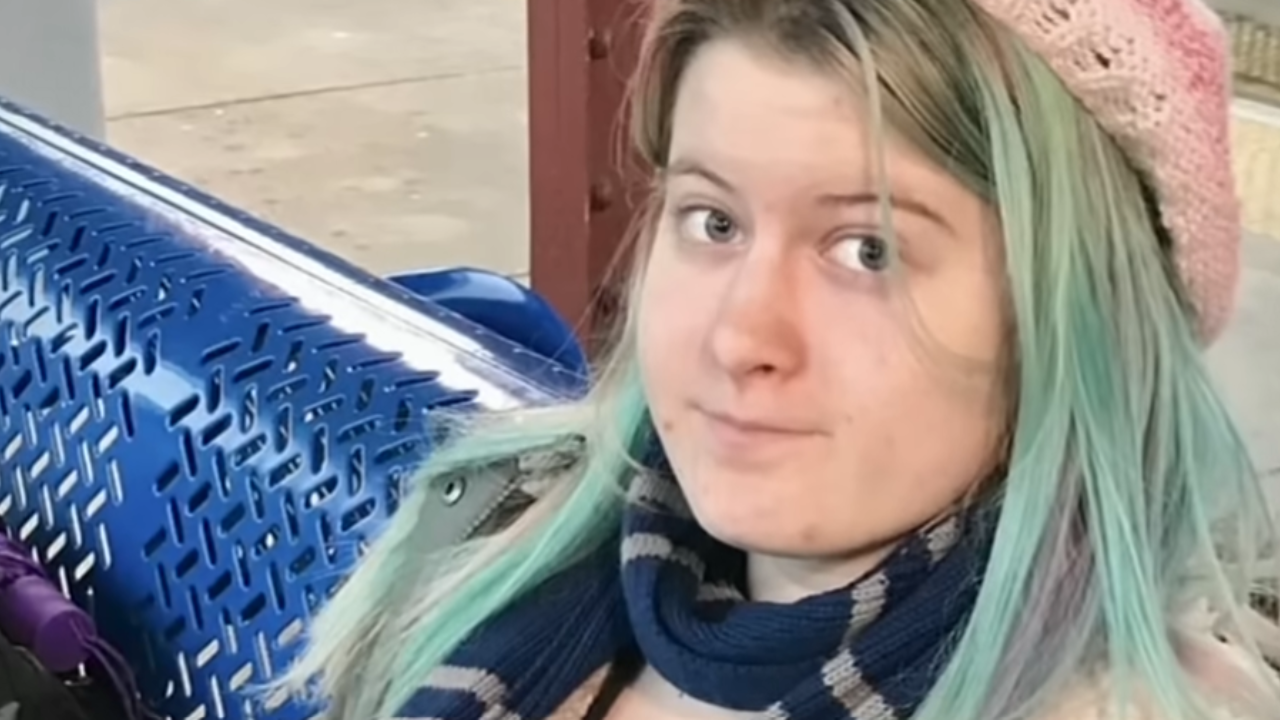
A ride home after a night out ended beside a Southern California freeway, where an Uber driver stopped with two intoxicated passengers at a triangular strip of pavement separating traffic from an exit ramp.
One of those passengers, 23-year-old Emily Normandin-Parker, never made it home. She entered traffic on State Route 73 in Orange County and was struck and killed in August 2023.
Three years later, retired Judge Richard A. Stone found driver Vu Tran and Uber jointly liable for her death in a $40 million arbitration award to Normandin-Parker’s parents.
The decision does more than assign damages. Stone rejected Uber’s contention that its role was limited to providing technology that connects passengers with independent drivers, finding instead that the company could be held responsible as a common carrier for Tran’s negligence.
Off The Road
Embedded media follows; please allow a moment to load.
Normandin-Parker and her friend, Luna Moore, had called an Uber after a night out early on Aug. 12, 2023. Moore became sick during the ride.
Tran pulled his vehicle into a gore point on State Route 73, the paved triangular area separating the freeway from an exit ramp.
Exactly what occurred immediately before and during that stop was disputed during the arbitration.
Stone wrote that he could not confidently determine everything that happened during the crucial moments because none of the available witnesses offered entirely credible testimony. Moore was heavily intoxicated, while Stone found Tran’s account of several critical events largely unbelievable.
What Stone did find was that Tran knew the passengers were intoxicated and stopped somewhere he himself ultimately acknowledged was not safe.
Rather than remaining there, Stone found, Tran could have continued onto the nearby MacArthur Boulevard exit and stopped somewhere safer.
After the vehicle stopped, the dispute shifted to Moore becoming sick in the car and a cleaning fee. Stone found that an angry Tran made the two passengers leave his vehicle and then spent several minutes arguing with Moore.
Normandin-Parker, meanwhile, was no longer beside them.
Stone wrote that Tran showed considerably more concern for his new vehicle than for his passengers and had unnecessarily placed all three people in danger by stopping at the gore point.
Normandin-Parker entered freeway traffic and was fatally struck.
One More Exit
The evidence did not establish that Tran saw Normandin-Parker get hit.
It did, however, provide a record of where his vehicle went afterward.
GPS data showed that when Tran drove away, his route brought him into the vicinity of Normandin-Parker’s body before he continued to the next exit, according to the arbitration award.
Within minutes, Stone wrote, Tran contacted Uber and requested that a cleaning fee be charged to Normandin-Parker’s account.
That sequence figured into Stone’s assessment of the driver’s conduct. He rejected an argument that Normandin-Parker’s own decision to enter traffic broke the causal connection between Tran’s actions and her death.
Normandin-Parker’s mother, Carol Normandin, told ABC News that she believed her daughter was trying to get help while the disagreement continued.
The arbitration also examined earlier complaints involving Tran. Attorneys for Normandin-Parker’s parents said evidence showed Uber had received complaints about his driving before the fatal encounter, including reports of erratic driving and nearly hitting pedestrians.
Uber has disputed the broader implications of Tran’s history. The company told other news outlets that Tran had completed nearly 6,000 trips with a 4.96 rating and that none of the previous incidents involved an unsafe freeway stop or rider injury.
Beyond The Driver
Uber argued during the arbitration that Tran was an independent contractor and that Uber itself was essentially a technology company providing a platform connecting riders and drivers.
Stone rejected that position.
The arbitrator found that Uber effectively offers transportation to the public through its app, sets prices, controls significant portions of the rider experience, and directly profits from rides.
Those characteristics supported treating Uber as a common carrier for purposes of the case, Stone concluded, making the company vicariously liable for Tran’s negligence.
Stone also rejected Uber’s argument that California’s Proposition 22 protected it from that liability.
The result was not a finding that Uber itself caused every act leading to Normandin-Parker’s death. Instead, the award made Uber legally responsible alongside Tran for the damages resulting from the driver’s negligence under the common-carrier theory Stone adopted.
The distinction also matters beyond the dollar figure. As the Associated Press reported, the case was decided in private arbitration rather than by a court, creating binding precedent for future cases.
Stone awarded Normandin and Normandin-Parker’s father, Ken Parker, $20 million each in past and future non-economic damages.
Moore received a separate $300,000 award. Stone awarded no punitive damages.
Out In Public
The dispute did not end when Stone signed the award on July 20.
Normandin-Parker’s attorneys said Uber subsequently tried to keep the arbitration material confidential. Court filings show the company sought relief in Orange County Superior Court while the confidentiality issue was being contested.
Her parents rejected the restrictions and later spoke publicly about both their daughter’s death and the arbitration.
Uber, meanwhile, continues to dispute Stone’s finding that the company was legally responsible.
“No family should have to suffer the loss of a child, and our thoughts continue to be with the Normandin-Parker family,” Uber said in a statement published by ABC7.
The company said it believes the arbitrator was wrong to hold Uber legally responsible and that it has continued to strengthen its safety practices, including additional guidance to drivers on avoiding drop-offs in unsafe locations.
Normandin and Parker have since established the Emily Normandin-Parker Foundation. According to their attorneys, the parents plan to use proceeds from the arbitration award to support the foundation’s work on ride-hailing safety and other causes associated with their daughter.