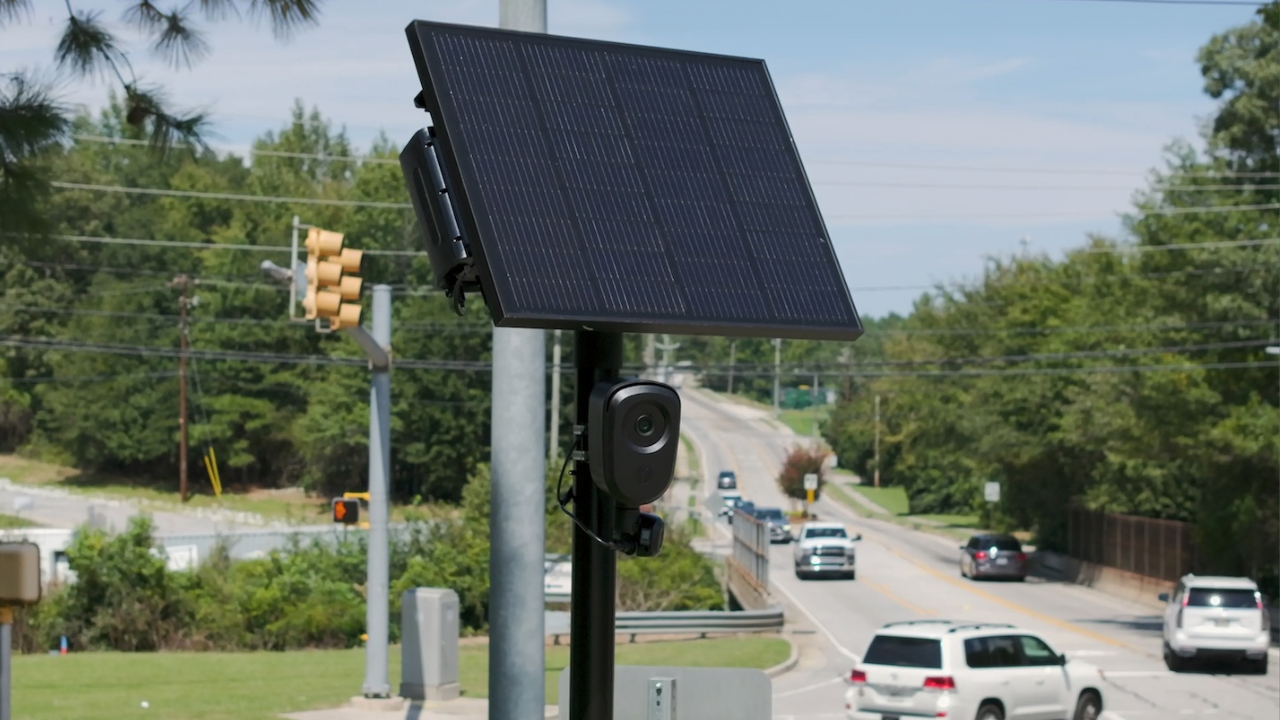
Another police officer was fired due to misusing Flock Safety’s cameras and database.
According to San Jose Police Department Chief Paul Joseph, an officer was fired after giving license plate reader data to a domestic violence suspect. The suspect was able to use the provided information to track their victim. In an interview with reporter Robert Honda, Joseph said that after he learned of the offense, he placed the cop on administrative leave, and referred an investigation to the district attorney’s office.
The investigation concluded in the San Jose officer’s firing.
The chief said that following the incident, he installed a new policy prohibiting officers from accessing Flock data on personal devices.
Cops Misusing Flock
Over the past few years, with the growing popularity of Flock and other automatic license plate readers (ALPRs), hundreds of cops have been caught misusing them.
As of Sep. 14, the Institute for Justice’s Database of ALPR Abuse reveals that there have been 228 incidents of deputies misusing the systems nationwide.
33, around 14%, of the cases were related to errors in the ALPRs themselves. The other 195 cases included stalking, non-law enforcement use, or other misuses.
With 79 recorded incidents, Georgia has the highest number of violations.
Amid the growing number of allegations, many have criticized Flock for a lack of safeguards on its platform. So last month, the ALPR provider added new features aimed at avoiding misuse and improving privacy.
New Safeguards
According to Flock’s announcement, the recommended and default data retention period for new customers will drop from 30 days to seven. Additionally, the platform is adding “Evidence Mode,” which allows detectives to store ALPR data as evidence for investigations in cold storage.
Flock is also making case codes and “Audit Assistance”—where the system flags “abnormal behavior” for administrative review—mandatory by the end of 2026.
The ALPR is installing proactive lockout for this feature, which suspends suspicious users from the platform until an investigation is done.
The ALPR will also begin Offense filtering for sharing. This will allow cities to choose what types of crimes other agencies can use their cameras for.
Flock is further implementing a program to allow security researchers to report and disclose issues, and will publish an “easy-to-read, plain English explanation” of the contracts agencies receive when they use the ALPR. Flock will also start requiring multi-factor authentication for users.
The company further shared plans to post a summary of Bishop Fox’s review of its “products and capabilities.”
However, some critics examined the new policies, and found that some might not be as promising as they look.
Critics Take a Look
Chad Marrow with the American Civil Liberties Union (ACLU) pointed out that many users misusing Flock have bypassed case codes, or reasons for searches—and that it’s “reasonable” to assume circumvention could occur again unless an independent evaluation is conducted.
The ALPR has attempted safeguards similar to Offense filtering for sharing to combat this, but users were still able to find work arounds.
Last year, Flock launched a tool that blocked “impermissable” searches, but some broad searches, or jokes like ‘hehehe,’ were approved. The platform ended up adding a drop-down menu of options to pick from.
A similar observation was made for the “Audit Assistance” feature. Because the total number of people who misuse Flock isn’t known, Marrow explained that “we cannot conclude if Flock and its auditing tools are catching 95 percent of violators or 5 percent.” An independent evaluation could reveal the tool’s effectiveness.
To the contrary, the shortened data retention period could be a positive sign, but this depends on how “Evidence Mode” will work in practice.