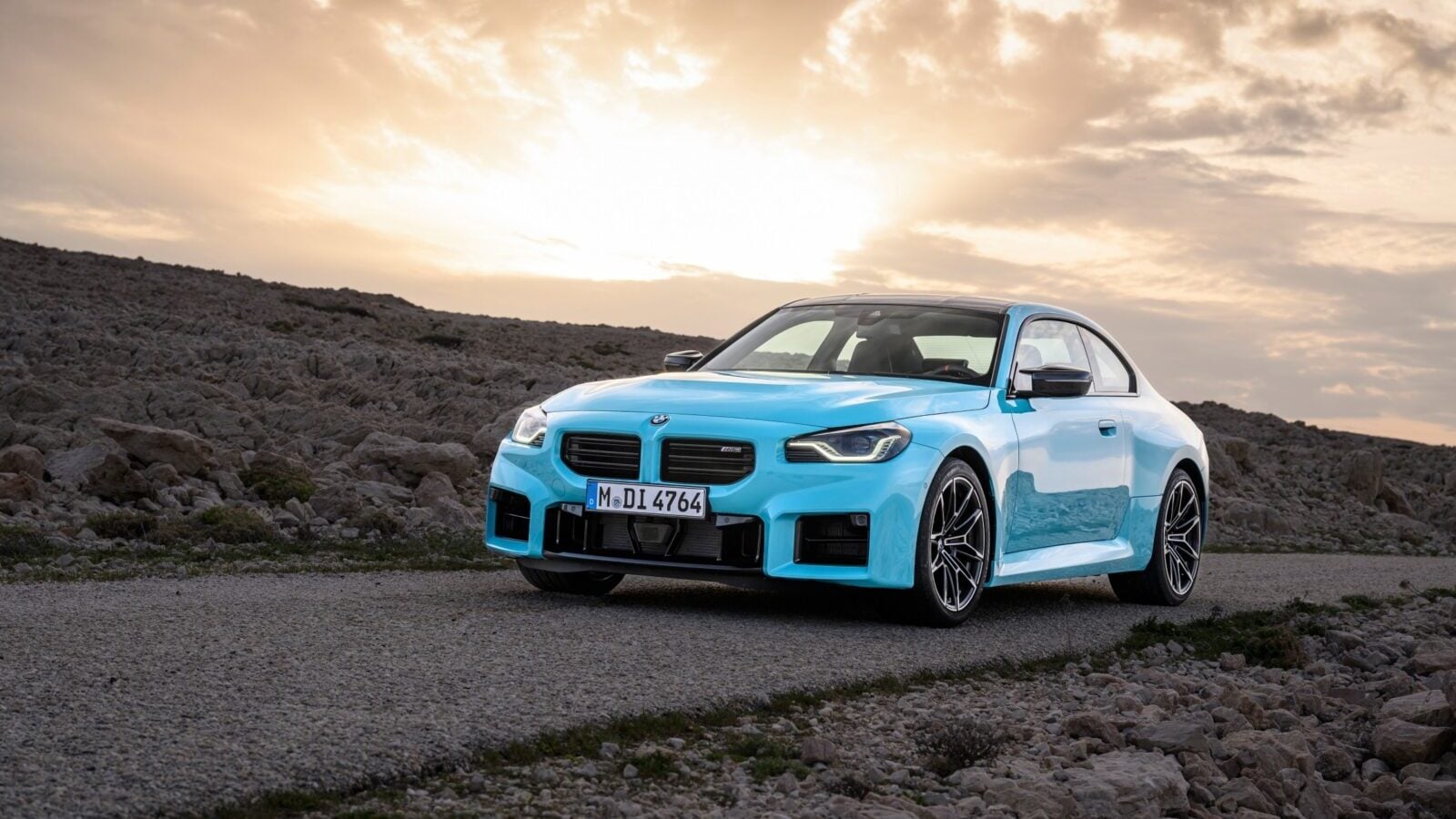
Manual transmissions may be disappearing from new-car lineups, but BMW buyers are giving the company reason not to abandon the clutch pedal just yet. In the U.S., the current M2 is effectively splitting buyers straight down the middle between manual and automatic transmissions.
The G87 M2 is one of the few remaining performance cars where choosing three pedals is still part of the regular ordering process. It also gives BMW hard sales evidence that many customers still want to row their own gears.
BMWBlog reports that BMW M CEO Frank van Meel says roughly 50% of all M2s sold in the United States are ordered with the six-speed manual. He cited that unusually strong take rate while explaining why BMW approved another enthusiast-focused manual model for North America.
That car is the M3 CS Handschalter, a limited-production, rear-wheel-drive manual developed specifically for this market. Its rapid sellout suggests the M2’s numbers weren’t an isolated curiosity.
Half Of U.S. M2 Buyers Choose The Manual
A 50% manual take rate would be impressive for almost any modern performance car. For a BMW in 2026, when automatic transmissions dominate the lineup, it is particularly noteworthy.
The M2 gives buyers a choice between BMW’s eight-speed automatic and a six-speed manual driving the rear wheels. Even though the automatic is quicker on paper and easier to live with in traffic, half of American customers are apparently still willing to trade some outright speed for greater involvement.
It’s actually quite remarkable that buyers are actively spending money on the manual version when a faster automatic alternative is sitting on the same order sheet.
BMW Used That Demand To Justify Another Manual M Car
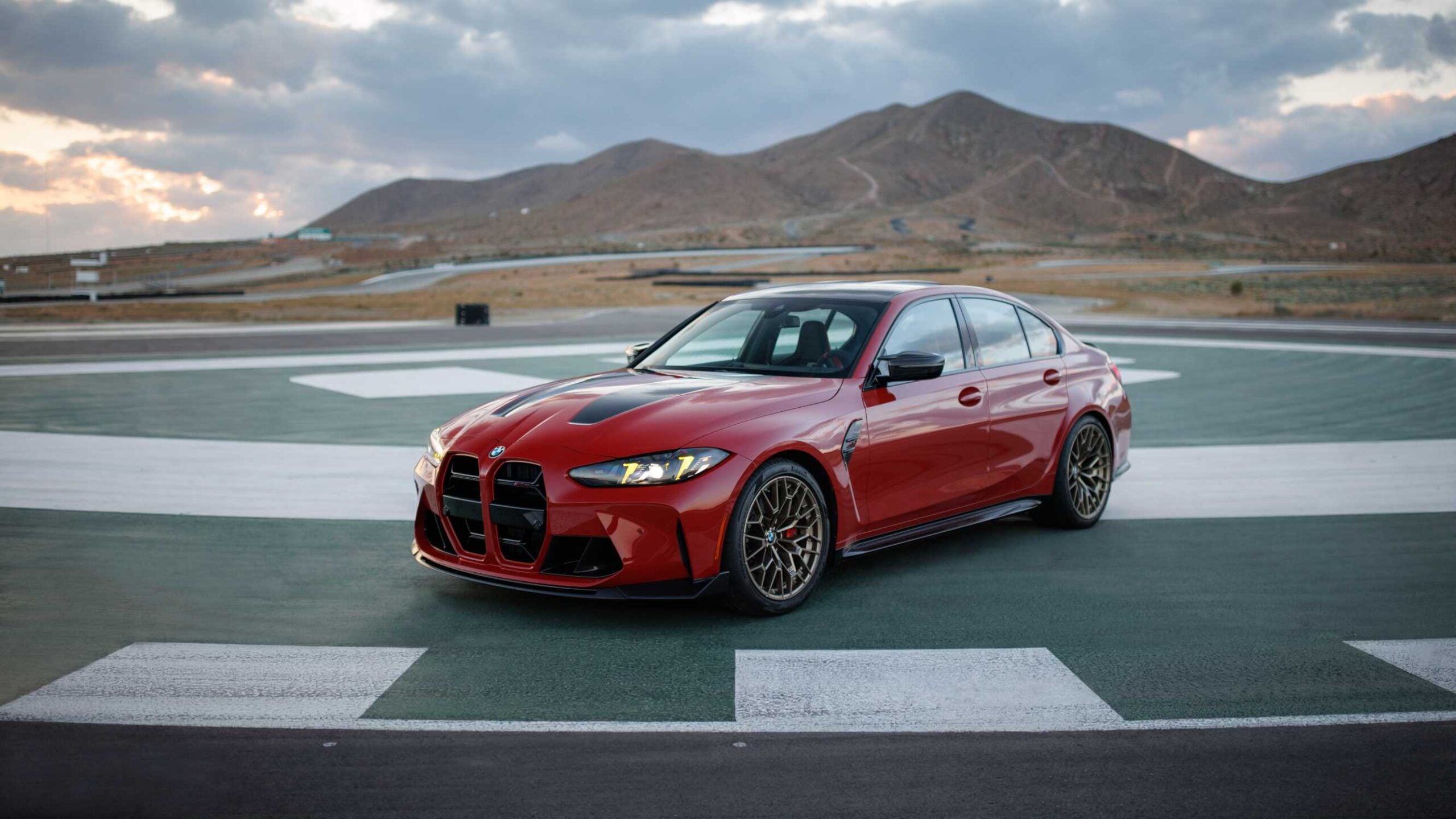
Van Meel directly connected the M2’s manual popularity with BMW’s decision to build the M3 CS Handschalter. The limited model combines rear-wheel drive with a manual gearbox and was created specifically for North American customers.
“Rear-wheel drive and a manual transmission are the dream combination for many purists,” van Meel told BMWBlog. He added that demand for the M3 CS Handschalter was enormous and that the car was practically sold out immediately.
That gives enthusiasts a rare example of customer demand actually influencing product planning. BMW saw buyers continuing to choose manuals and responded with another car built around that formula.
BMW’s Manual Lineup Is Still Shrinking
Unfortunately, the encouraging sales number doesn’t mean the manual transmission is suddenly safe. BMW’s three-pedal lineup has continued to contract as older models reach the end of production and new performance cars become increasingly complex.
The Z4 M40i manual disappeared when G29 production ended, leaving the M2 and the base versions of the M3 and M4 among BMW’s remaining U.S. manual offerings. Reports also suggest the next-generation M3 could move toward an automatic-only, all-wheel-drive configuration, although BMW has not used the M2 figure to promise that manuals will survive indefinitely.
Increasing power and torque also make manual development harder. Van Meel has previously acknowledged the challenge of creating gearboxes that can handle modern M-car outputs while still meeting BMW’s durability and refinement requirements.
The M2 Could Become Even More Important
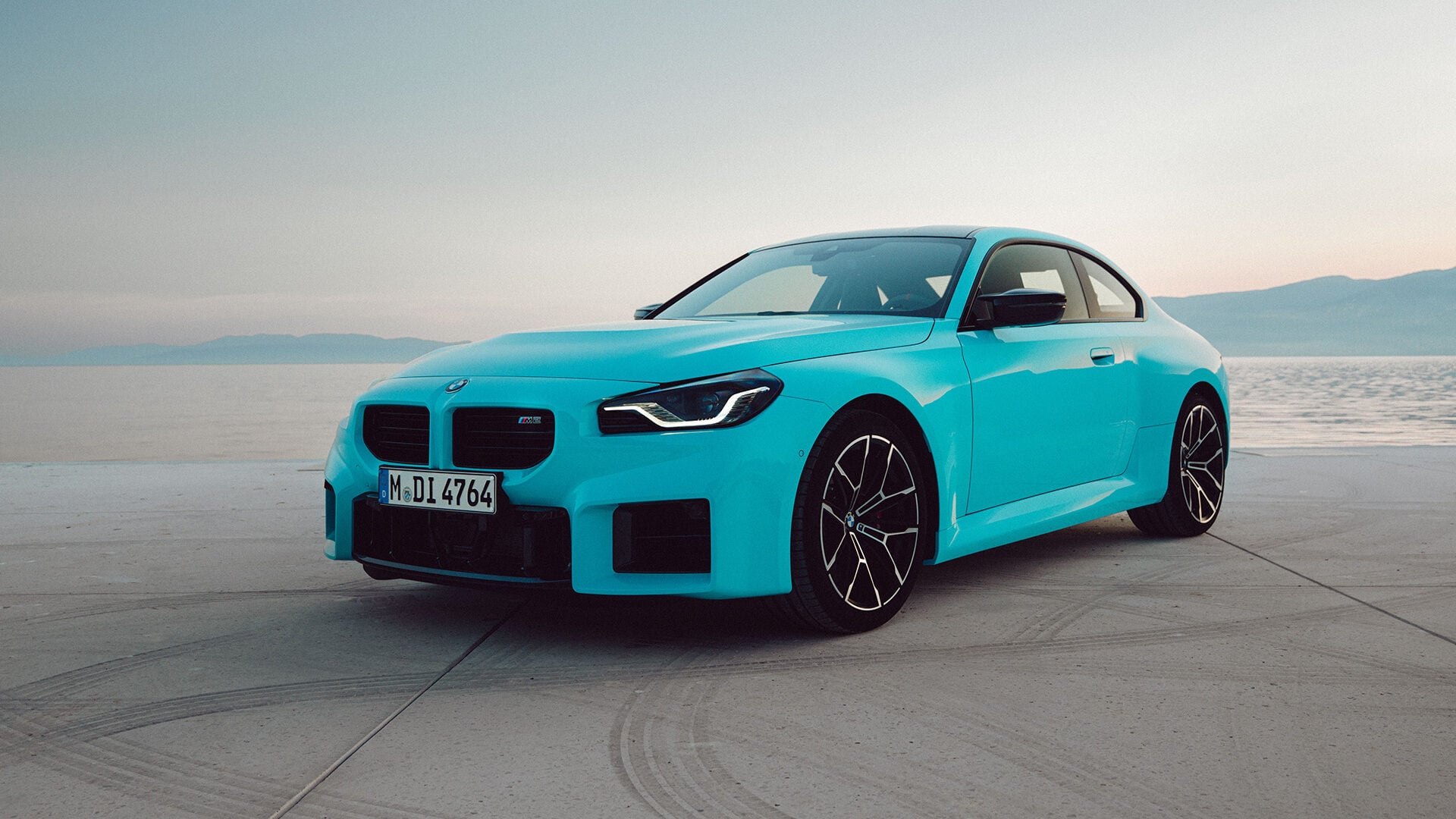
That leaves the M2 in an interesting position. If larger M cars continue moving toward automatics and electrified drivetrains, BMW’s smallest M coupe could become the natural home for buyers who still want rear-wheel drive, a clutch pedal, and a traditional gear lever.
A 50% take rate doesn’t guarantee that outcome, particularly when future emissions rules, platform decisions, and drivetrain requirements all play a role, but it does prove that the audience is still there.
Enthusiasts often worry that nobody is buying manuals anymore, giving automakers an easy reason to eliminate them. In the M2’s case, the numbers tell a very different story, and BMW appears to be paying attention.