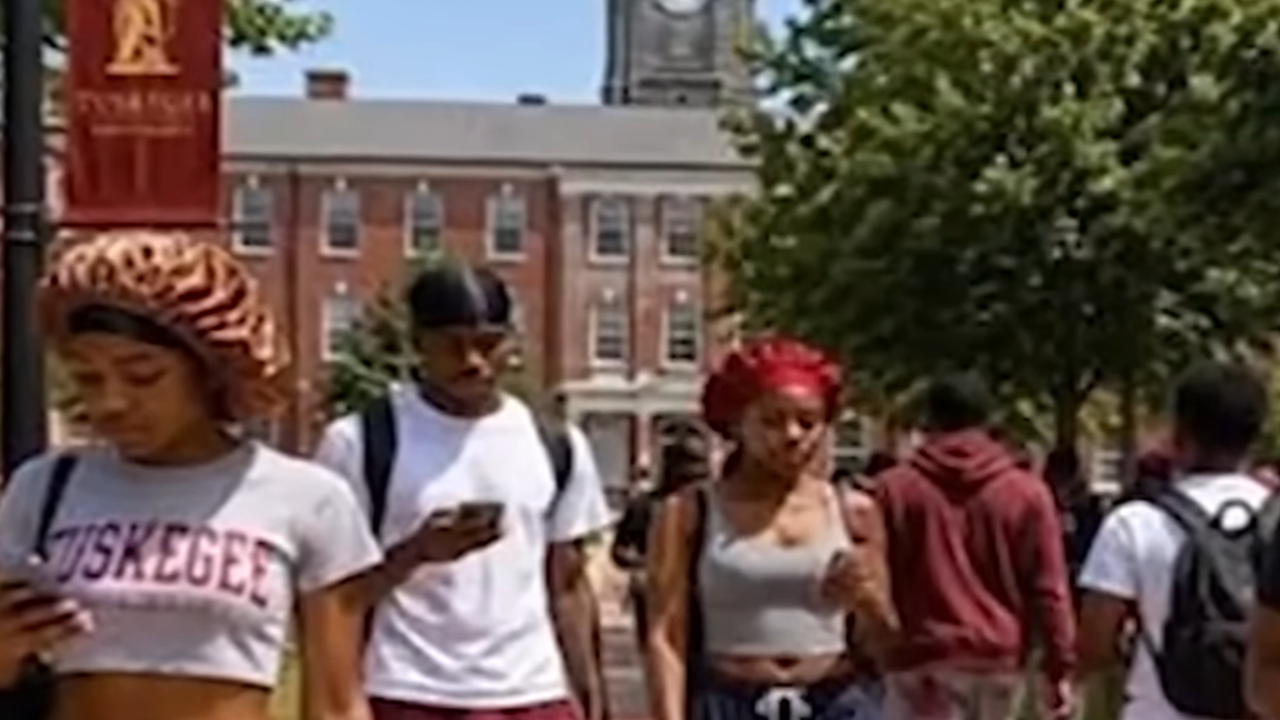
Tuskegee University students returned to campus this fall with an unusually specific reminder: college may feel like home, but the classroom is not the living room.
The Alabama HBCU’s dress code prohibits bonnets, durags, bedroom shoes, and revealing clothing in classrooms, dining areas, and official university settings. Students are also expected to bring a business suit and appropriate shoes for professional occasions.
The rules have generated a national argument over what a university should expect from adults who are paying to attend it. Supporters see ordinary standards of presentation. Critics see a historically Black institution policing clothing and hair coverings closely associated with Black culture.
Tuskegee President Mark Brown has been clear about which side of that argument is driving university policy. He has described the changes as workforce preparation and argued that employers can be less forgiving about presentation than a college campus.
That message appears to have plenty of supporters outside Tuskegee. A recent YouTube report on the controversy drew hundreds of approving reactions, including viewers marveling that college students apparently needed to be told to get dressed before class. Others boiled the policy down to something even simpler: “You are not at home.”
Not Exactly New
Embedded media follows; please allow a moment to load.
The uproar makes Tuskegee’s dress crackdown sound like an abrupt change in campus culture. The university’s own records complicate that picture.
Tuskegee’s 2025–26 student handbook, published before the latest rules became national news, already prohibited students from wearing sleepwear outside residence halls. It also barred male students from wearing do-rags, stocking caps, bandanas, baseball caps, and other headwear inside university buildings. Men were prohibited from sagging their pants in academic facilities.
Students were expected to dress neatly and choose clothing appropriate for the “time, occasion and place.”
The latest standards make the university’s expectations harder to miss. Bonnets and bedroom shoes are explicitly included, and the restrictions apply in places including classrooms and the cafeteria. Faculty have also been given authority to respond when students do not comply.
Dressed For What?
Brown’s explanation reaches beyond classroom decorum.
Tuskegee says it wants graduates ready to compete for jobs, and clothing is one part of a larger career-readiness push. The university also operates a Golden Tigers Community Closet intended to help students who may not have the money for professional attire.
“Business attire required for many work environments can be an additional financial hurdle for many students,” Tuskegee University said in July while describing the program. Students can obtain donated professional clothing through the closet rather than simply being told to dress differently without assistance.
The dress code also arrived alongside tighter expectations involving classroom attendance and cellphone use. Students are not supposed to use phones during instruction unless directed by a professor.
Taken together, the changes look less like a university suddenly developing an objection to bonnets and more like an administration deliberately tightening expectations around how students show up to class.
The Other Side
Not everyone accepts the premise that professional preparation requires regulating what students wear to breakfast or a lecture.
Tuskegee sophomore class president Rayne Caldwell argued that students already understand the difference between casual campus life and professional settings. Other students have questioned why the university is concentrating attention on dress while they face concerns involving housing and finances.
University of Virginia professor A.D. Carson took the criticism further in an opinion piece for The Guardian, arguing that the rules reinforce what he considers harmful respectability politics surrounding Black appearance.
The argument has produced an unusual divide because both sides claim to be defending students.
Critics say college students can learn when professional clothing is appropriate without having their everyday appearance policed. Tuskegee’s administration says preparing students for the world awaiting them after graduation includes standards that may not always be comfortable.
Brown has continued defending that approach since students returned to campus.
“Raise the bar,” he said during a recent interview, “students will reach it.”