
Diesel prices across the United States are approaching record territory, creating another headache for truckers, farmers and businesses that depend heavily on the fuel. As of August 26, AAA puts the national average at $5.623 per gallon, compared with $3.700 a year ago.
That leaves diesel less than 20 cents below AAA’s all-time national record of $5.8159 per gallon, set on June 19, 2022. Prices have also climbed quickly, rising from $5.2951 a month ago and $5.5042 just one week ago.
Several global supply problems are contributing to the surge, and there is little indication that all of them will disappear soon. Russia is preparing to extend restrictions on diesel exports, while disruption to global energy shipments continues to put pressure on available supplies.
For American drivers, expensive diesel extends far beyond the cost of filling a pickup truck. The fuel powers much of the country’s freight and agricultural machinery, meaning sustained price increases can eventually filter into the cost of transporting and producing everyday goods.
Russia Could Keep Diesel Exports Restricted
Reuters reports that Russia is expected to extend its diesel export ban through September as its domestic fuel market struggles with shortages. Three industry sources told the publication that extending restrictions through the end of 2026 is also being discussed.
Russia originally introduced its latest diesel export restrictions in July before extending the ban for producers through August 31. Ukrainian drone attacks against Russian refineries have disrupted production, with some facilities undergoing unscheduled maintenance.
Russia is a major supplier of refined petroleum products to the global market. Reduced exports can therefore tighten international diesel supplies even when the fuel isn’t being shipped directly to the United States.
Restrictions on traffic through the Strait of Hormuz are adding another complication. With significantly less fuel moving through one of the world’s most important energy shipping routes, supply constraints are putting upward pressure on global prices.
Truckers Are Feeling The Increase
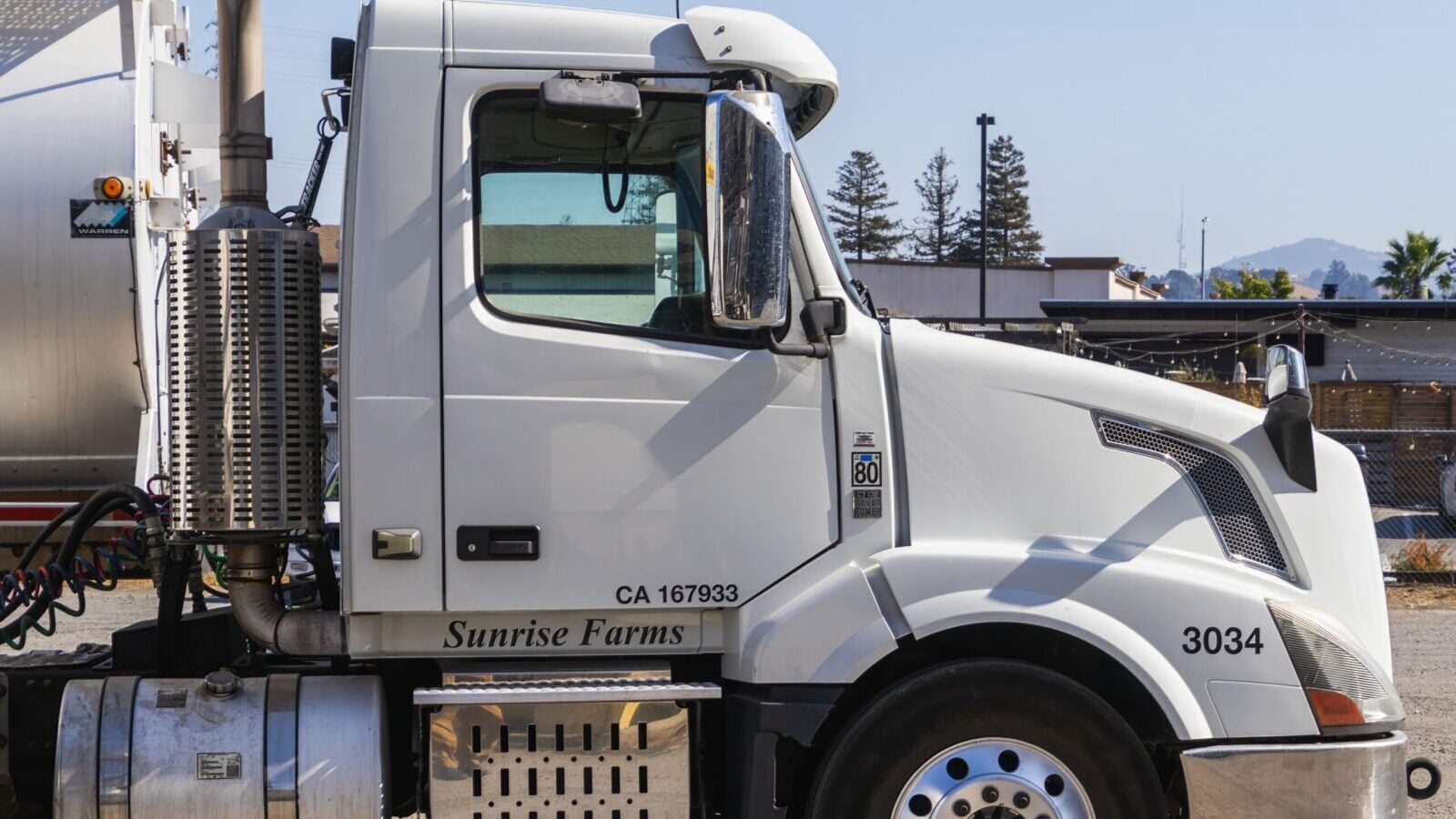
The consequences become particularly significant for commercial trucking. Diesel currently costs roughly $1.92 per gallon more than it did at the same point last year, according to AAA’s national averages.
For a semi truck carrying 200 gallons, that difference translates to roughly $385 in additional fuel cost for a complete fill-up. Multiply that across thousands of trucks traveling long distances every week, and the impact on freight operators quickly becomes substantial.
Those expenses can eventually work their way through supply chains, particularly for products that travel long distances by road.
Harvest Season Could Make Things Worse
Farmers are facing similarly difficult timing. Diesel powers combines, tractors, irrigation equipment, and trucks used to move harvested crops, making fuel an important agricultural expense.
Axios reports that fuel represents roughly three to five percent of production costs for major crops, including corn, soybeans, and wheat. Peak harvesting for corn and soybeans begins in September across many parts of the country, meaning diesel demand is rising precisely when prices are already unusually high.
Some farmers can protect themselves by purchasing fuel ahead of time, although those strategies cannot completely eliminate exposure to higher prices.
The Record Is Now Within Reach

Diesel would need to rise by roughly another 19 cents per gallon to surpass the record established in 2022. Considering the national average has increased by approximately 33 cents in the past month, that gap no longer looks particularly large.
Whether a new record is actually reached will depend heavily on refinery output, Russian exports, and broader global oil supplies. For now, however, diesel remains on an upward trajectory at an especially inconvenient moment for trucking and agriculture.
With harvest season approaching and major supply disruptions unresolved, relief at the pump may not arrive anytime soon.