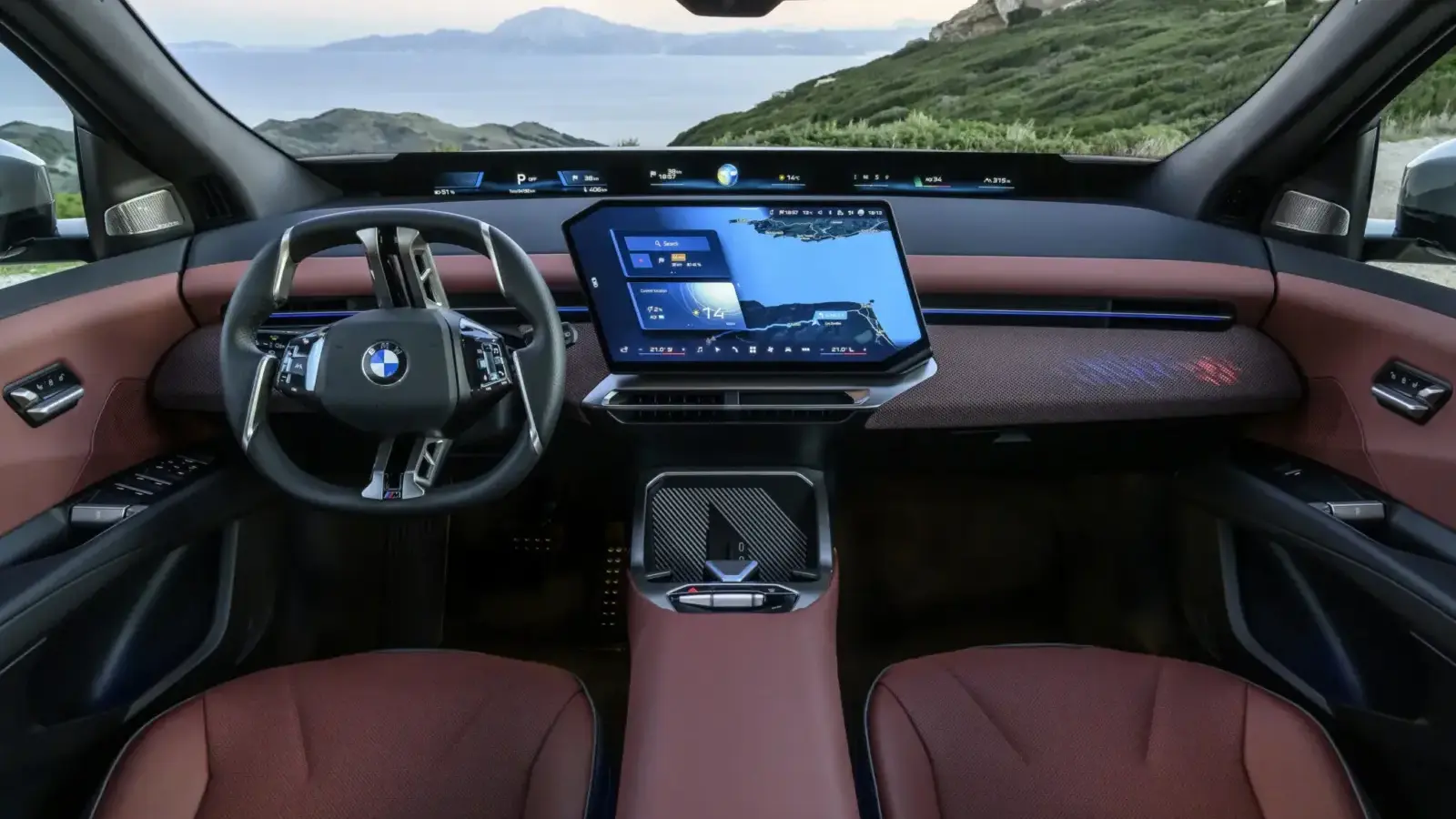
If you have ever wondered why adjusting the temperature in a new car can require tapping through a touchscreen menu instead of simply turning a knob, BMW has an explanation. According to one of the company’s executives, changing expectations among younger drivers are helping push traditional buttons toward extinction.
BMW Group Australia CEO Vikram Pawah told CarExpert that drivers around 45 and younger are adopting touchscreens and voice controls faster than older customers. He believes those habits increasingly influence what buyers expect when they climb behind the wheel.
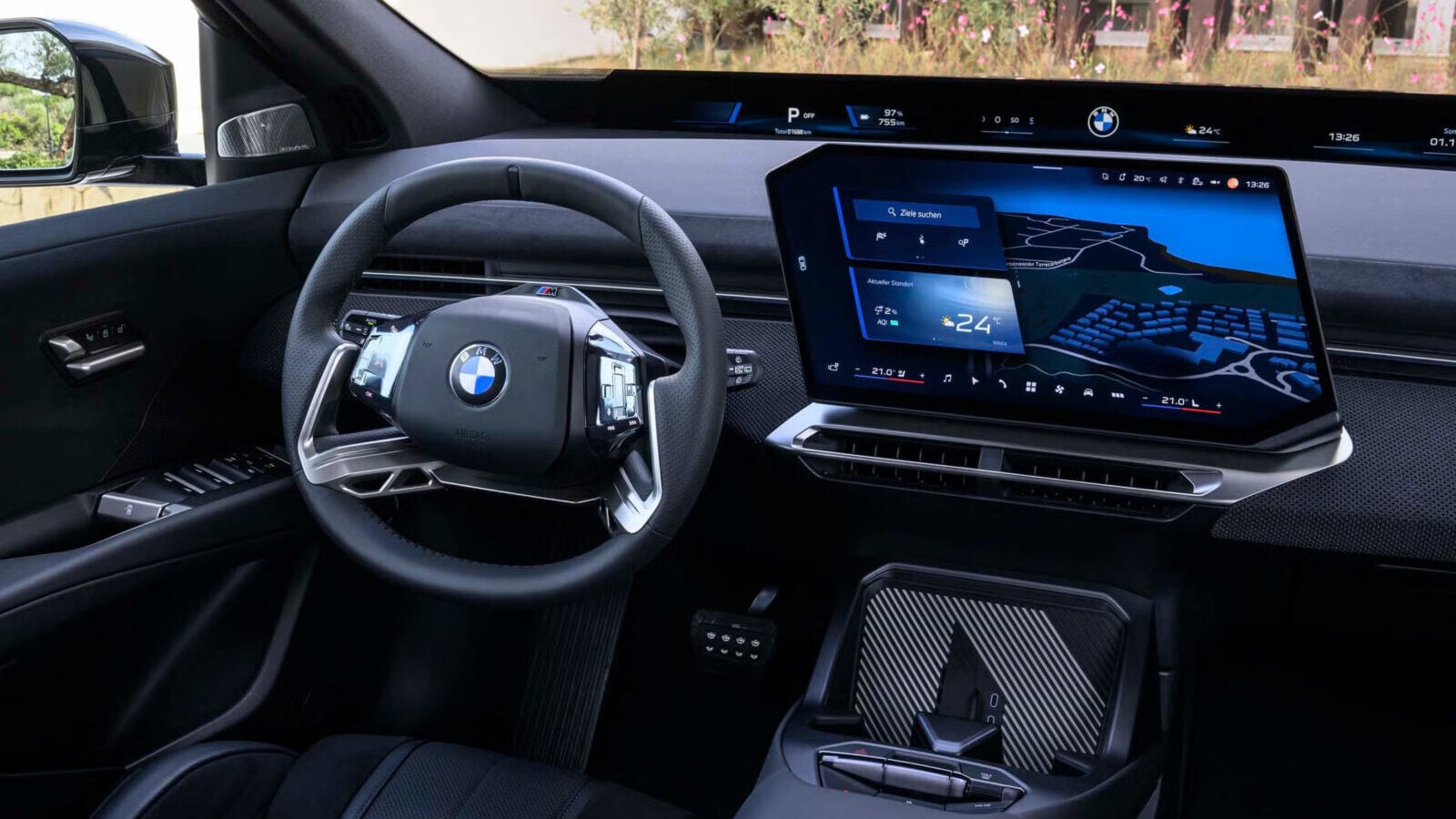
That philosophy is already easy to see inside BMW’s newest vehicles. The Neue Klasse-based iX3 removes traditional physical climate controls from the dashboard, leaving many functions to its central touchscreen and increasingly sophisticated voice assistant.
BMW isn’t alone in pursuing minimalist interiors, although the industry is far from unanimous about whether eliminating buttons is actually progress. Several major automakers are now restoring physical controls after discovering that drivers don’t always appreciate hunting through menus for basic functions.
BMW Says The Car Has To Follow Society
Pawah argues that vehicle interiors cannot be designed independently from the technology people use everywhere else. Smartphones, tablets, and voice assistants have changed how consumers interact with devices, and BMW believes cars have to evolve accordingly.
“We can see that voice and touch are becoming more and more common,” Pawah told CarExpert. He suggested younger users are particularly comfortable with the technology, adding that they increasingly expect tasks to happen quickly while they are multitasking.
BMW’s latest voice assistant is designed to make that approach less frustrating than earlier generations of automotive voice recognition. Pawah said drivers can make conversational requests such as asking the vehicle to redirect airflow away from their face rather than manually adjusting vents or digging through climate menus.
The New iX3 Shows Where BMW Is Going
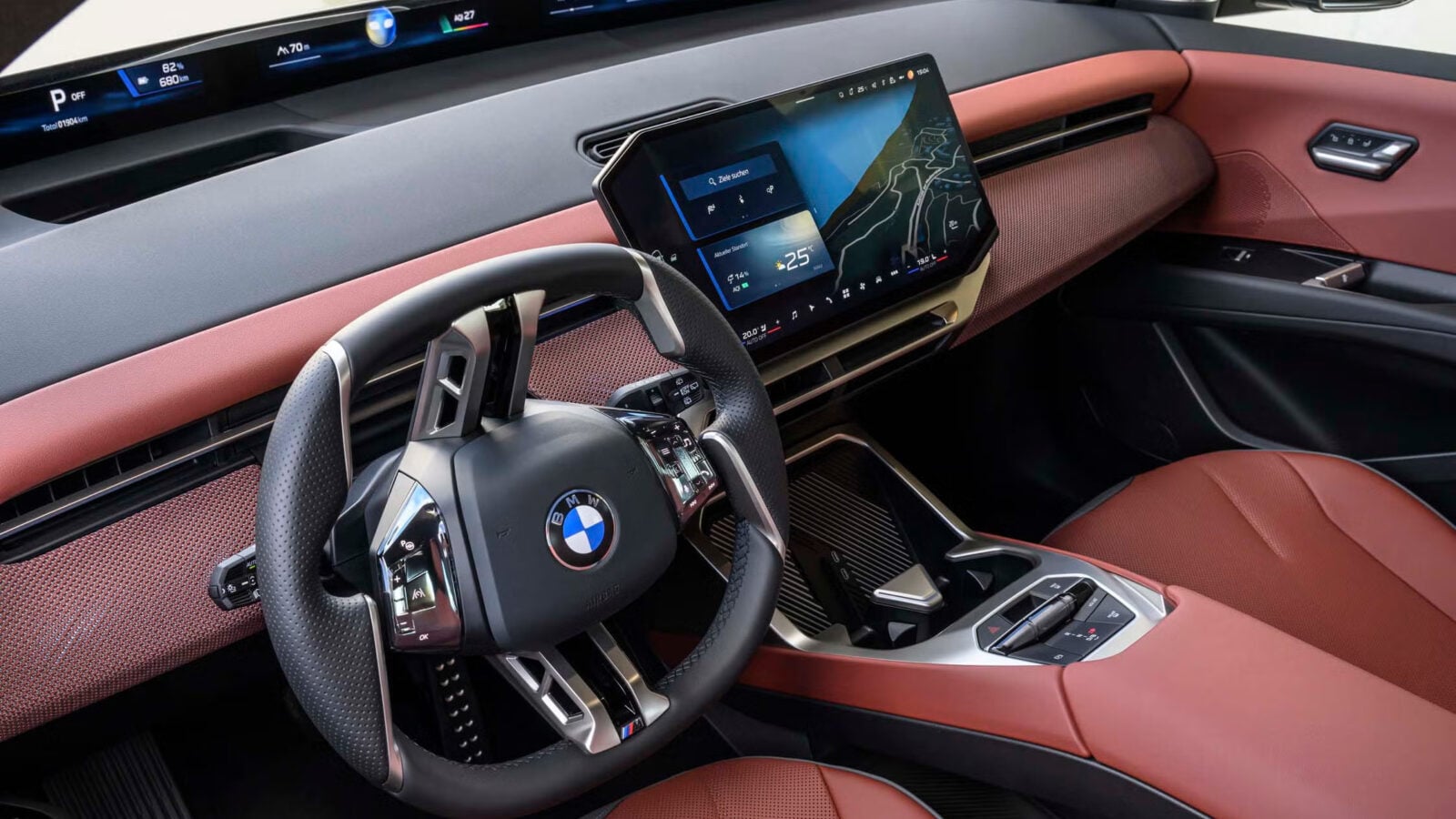
The new iX3 introduces BMW’s Panoramic iDrive layout, which combines a large center touchscreen with information projected across the lower portion of the windshield. Traditional gauges are largely replaced by digital displays positioned closer to the driver’s line of sight.
Physical controls haven’t disappeared completely. BMW retains conventional indicator and wiper stalks, window switches, and a small collection of controls on the center console and steering wheel, but climate functions that previously received dedicated switches now live primarily in software.
BMW Group Australia communications boss Leanne Blanckenberg compared the current criticism to the response surrounding BMW’s original iDrive system in 2001. That interface attracted plenty of controversy when it arrived, yet centralized infotainment controllers and screens eventually became commonplace across the industry.
Other Automakers Are Bringing Buttons Back
BMW’s confidence in touchscreen-heavy cabins arrives as several rivals move in the opposite direction. Volkswagen has responded to criticism of touch-sensitive controls by returning physical buttons to newer models, including replacing disliked capacitive steering-wheel controls with conventional switches.
Hyundai has made similar changes after customer research indicated some drivers became frustrated when common functions were buried inside touchscreens. Mercedes-Benz has also acknowledged that it pushed digital controls too far in certain interiors.
The disagreement isn’t really about whether screens and voice assistants belong in cars, as nearly every manufacturer is investing in both, but whether those technologies should replace tactile controls entirely or work alongside them.
For frequently used functions such as temperature, fan speed, and audio volume, physical controls have the obvious advantage of drivers being able to operate them by feel without taking their eyes away from the road.
Regulators May Have The Final Say
China could ultimately force manufacturers to preserve at least some traditional switchgear regardless of what younger buyers supposedly prefer. Proposed standards expected to take effect in July 2027 would require 19 important functions to remain operable using fixed physical controls outside a display.
Functions including indicators, windshield wipers, headlights, hazard lights, and transmission controls would need buttons, switches, knobs, or stalks with tactile or audible feedback. BMW’s latest interiors already retain many of those controls, so the company appears better positioned than brands that have embraced even more extreme minimalism (ahem, Tesla, cough).
BMW may be right that younger consumers are increasingly comfortable talking to devices and tapping screens. Whether those same customers actually want every everyday vehicle function moved behind glass is another question entirely, particularly as rival automakers start putting the buttons back.
Would you rather have a cleaner dashboard with touchscreen and voice controls, or should essential functions always have physical buttons? Let us know in the comments.