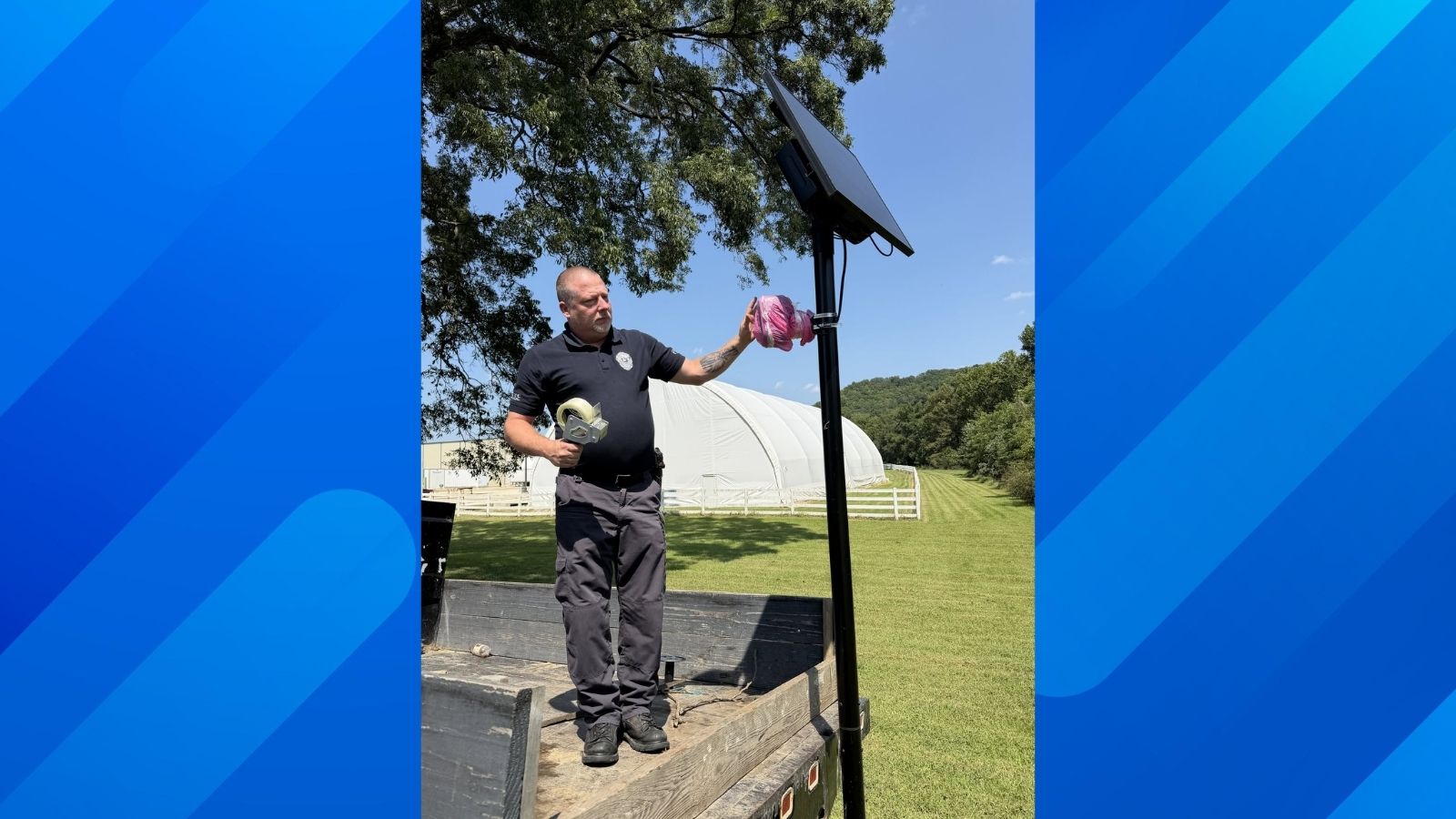

Louisiana, Missouri, residents who have been uncomfortable with Flock Safety cameras just received a fairly significant concession from their police department. As of August 21, every city-operated camera has been covered and temporarily taken out of service while officials decide whether they should come back at all.
Louisiana Police Chief Josh Baker said the department made the decision itself after concerns were raised locally and reports surfaced of misuse by law enforcement elsewhere, including nearby St. Charles County. Importantly, the department said there have been no accusations or findings that any Louisiana Police officer misused the system.
That doesn’t mean the department suddenly considers automatic license plate readers useless. Police acknowledged that the technology can help investigate crimes, locate stolen vehicles, identify wanted people, and provide officers with information they otherwise might not have.
The issue, according to Baker, is making sure those benefits don’t come at the expense of residents’ rights and privacy. For now, Louisiana’s cameras are staying dark while the public gets a chance to decide just how much surveillance it’s comfortable with.
The Cameras Are Covered Until the Public Has Its Say
Rather than simply removing the system permanently, Baker has drafted a proposed ordinance that would allow Louisiana to continue using the cameras under stricter rules. The proposal would establish restrictions, accountability measures, and penalties intended to prevent misuse.
The department framed the pause as an opportunity to balance two competing priorities instead of choosing one outright. It wants officers to retain a potentially useful investigative tool while giving residents some assurance that access to the data won’t become a free-for-all.
Those questions will move from Facebook to a public meeting on Monday, August 24. Residents can address the City Council at Louisiana High School following its regular meeting, which is scheduled to begin at 5 p.m.
Police Say Public Trust Matters Just as Much as the Technology
Baker’s statement repeatedly emphasizes that community trust is part of the equation, particularly because residents themselves have expressed concerns. The department said protecting people from crime also means protecting their individual rights.
Until the City Council and residents have discussed what safeguards should govern the cameras, the department says they will remain out of service. That leaves Louisiana with a pause rather than a final answer, and the ordinance could ultimately determine whether the cameras return.
For now, the unusual sight of covered license plate readers sends a fairly straightforward message. Louisiana Police may still see value in the system, but the department isn’t willing to keep using it under the existing arrangement while questions about privacy and accountability remain unsettled.
Commenters Were Deeply Split Over Whether the Cameras Should Ever Return
Plenty of residents welcomed the decision, with one joking that locals may now have their “PRIVACY back” and another simply calling it a “wonderful decision.” Someone else thanked the department for taking the step and said the community needs to “bridge the gap and work together.”
Others thought temporarily covering the cameras didn’t go nearly far enough. “Take them down permanently,” one commenter wrote, while another was even more concise: “Now cut them down.”
Not everyone wanted them gone, though, with one person arguing that residents might see their value differently if a serious crime affected their family and another pointing to a hypothetical kidnapped child whose vehicle could be tracked. That split is essentially the exact argument Louisiana officials will now have to work through: whether the investigative benefits are worth the privacy concerns, and whether stricter rules can satisfy both sides.