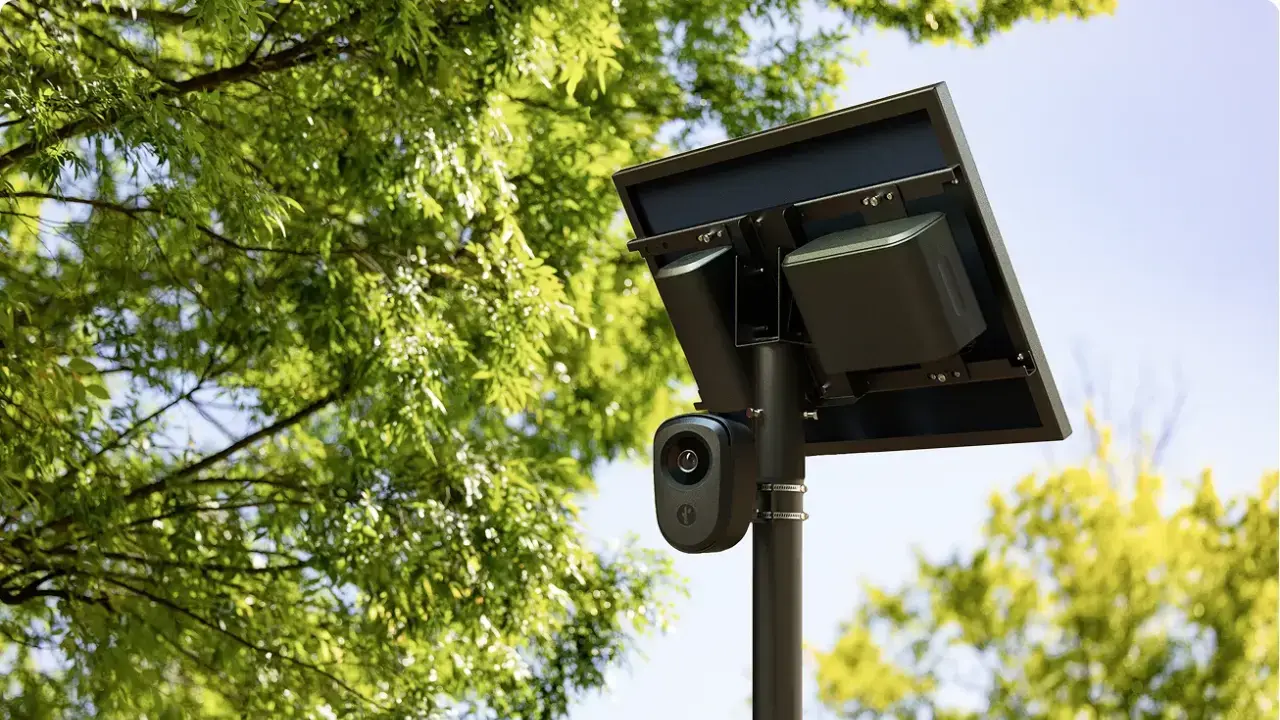
North Carolina has opened the door to a dramatic expansion of automated license plate surveillance. A provision in the state’s new budget permanently authorizes Automated License Plate Reader cameras along state-maintained highways and roads, taking what had been a limited pilot program statewide.
That doesn’t mean officials are immediately putting cameras on every road, but rather that law enforcement agencies can potentially deploy them throughout North Carolina Department of Transportation rights-of-way, which account for roughly 78% of the state’s roads.
Unlike speed or red-light cameras, ALPR systems aren’t waiting for someone to commit a traffic violation. They continuously scan passing vehicles, recording license plates along with information such as location, time, vehicle type, color, and other visible characteristics that can later be searched by law enforcement.
Supporters argue the technology is a valuable tool for finding stolen vehicles, missing people, and criminal suspects. Privacy advocates see the same infrastructure differently, warning that a sufficiently large network can effectively create a searchable history of where ordinary motorists have traveled.
A Pilot Program Is Now Permanent
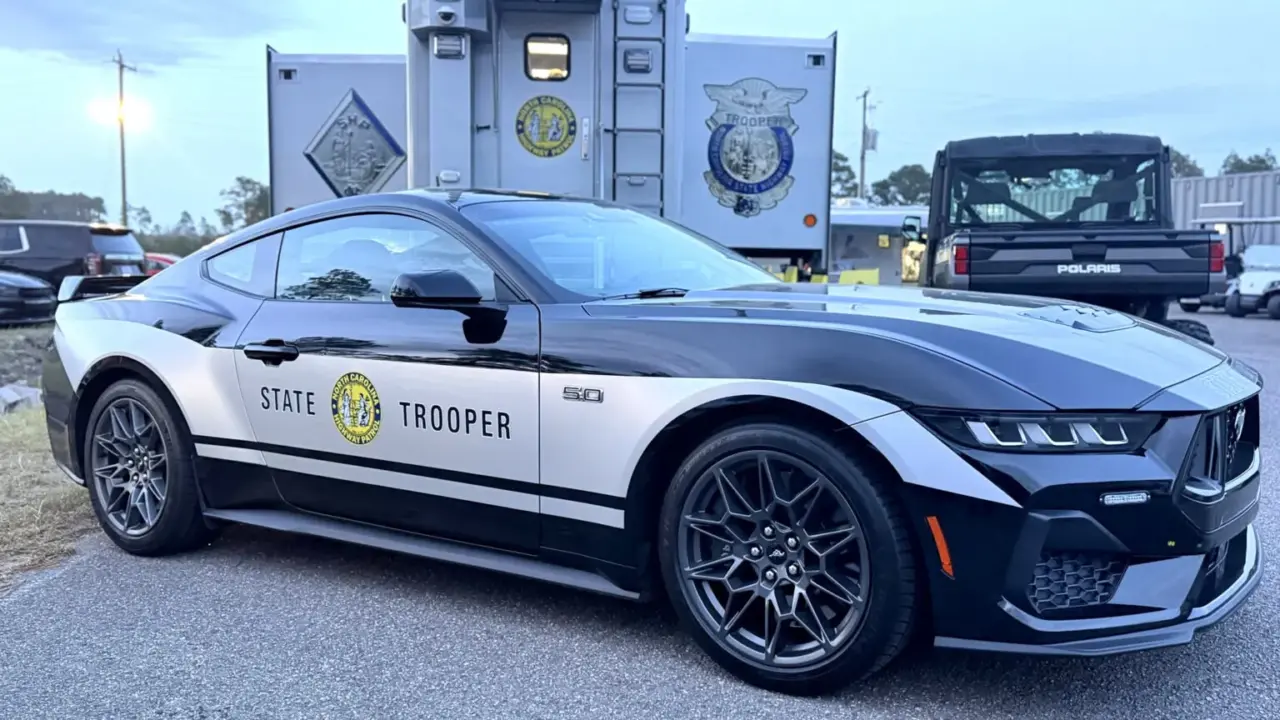
North Carolina has already spent several years experimenting with the technology through a State Bureau of Investigation pilot program. According to The Daily Tar Heel, the program included 12 police departments, 19 sheriff’s offices, and the State Highway Patrol.
By March 2026, 17 participating agencies had established roughly 140 camera locations. Those cameras were already producing an enormous amount of information, with the state’s pilot report indicating that they generated over 152 million plate reads in roughly eight months.
Raleigh offers some perspective on that scale. Three cameras reportedly recorded nearly 14.8 million vehicle passes and generated 956 National Crime Information Center alerts, including 227 stolen-vehicle alerts.
The new legislation takes the experiment much further by making the program permanent and opening participation to law enforcement agencies across the state. The SBI can also act on behalf of federal, state, and local agencies when arranging access to NCDOT property for the cameras.
State law does place some restrictions on the technology. ALPR data cannot be used for routine traffic enforcement, and captured information can generally be stored for up to 90 days.
Supporters Say The Cameras Help Solve Crimes
Law enforcement agencies have plenty of reasons to like ALPR cameras. A stolen car passing a reader, for example, can generate an alert that gives officers a location without requiring them to happen across the vehicle during a patrol.
North Carolina Senate President Pro Tempore Phil Berger defended the expansion, telling The Daily Tar Heel that vehicles are being driven in public where they can already be seen. While acknowledging concerns about excessive use of technology, Berger called the program an “appropriate step.”
The technology has also been credited with helping locate suspects and missing people. For investigators trying to establish where a particular vehicle traveled, a network containing millions of searchable plate records can be an extraordinarily powerful resource.
Privacy Advocates See Mass Surveillance
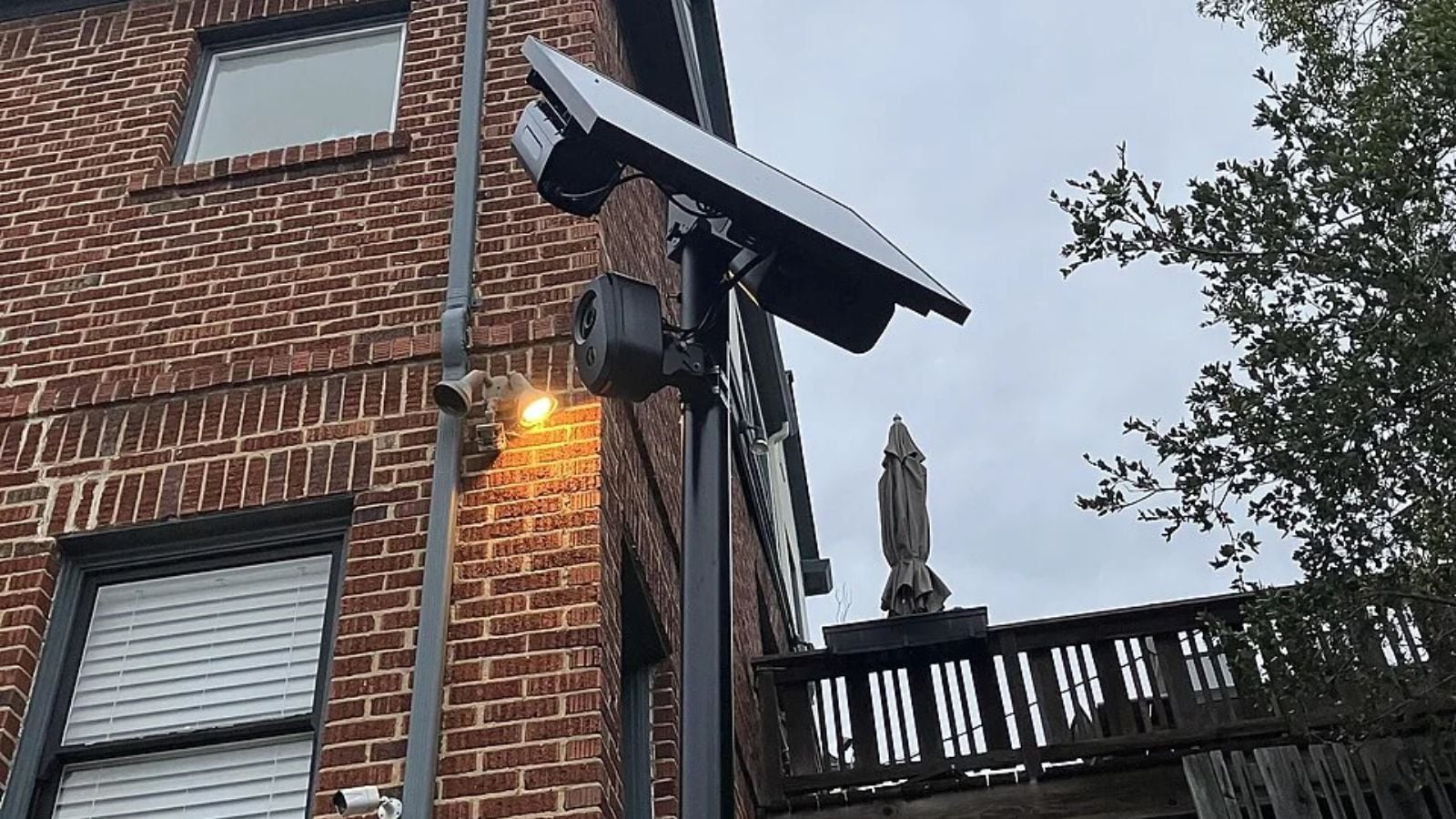
That capability is precisely what concerns organizations including the ACLU of North Carolina. A camera observing a car on one public road may not reveal much, but hundreds or thousands of cameras collecting and retaining those observations can potentially reconstruct a person’s movements.
“Mass surveillance systems rarely stay limited to their original purpose,” ACLU of North Carolina campaigner Zac Contreras told The Daily Tar Heel. He warned that such databases could eventually be used for immigration enforcement, investigations involving reproductive healthcare, political monitoring, or expanded intelligence gathering.
There are also questions surrounding accuracy and misuse. The Daily Tar Heel cited examples elsewhere involving officers accused of improperly using ALPR databases, along with a Fayetteville case in which a mistaken plate identification reportedly contributed to an innocent woman being arrested. The city ultimately paid her $60,000 and issued an apology.
Unauthorized access, retention, or disclosure of ALPR information is a Class 1 misdemeanor under North Carolina law, and participating agencies are required to establish policies governing use of the technology.
Nearly Every State Road Is Now Potentially In Play
North Carolina isn’t requiring cameras to be installed everywhere, an important distinction given the scale suggested by the legislation. What lawmakers have done is remove a major obstacle to putting them across the state’s vast network of state-maintained roads.
The debate ultimately comes down to what happens when individual observations become a network. Police see a system capable of finding vehicles connected to crimes and emergencies, while critics see infrastructure capable of recording the movements of millions of people who aren’t suspected of doing anything wrong.
With the pilot now permanent and participation expanded statewide, North Carolina is about to find out just how far that network grows.