
The cost of keeping a car on the road is changing how Americans drive. A new LendingTree survey found that 81% of respondents have adjusted their driving or transportation habits over the past year because of rising costs.
Gas prices are particularly influential among people who have reduced their mileage. Of respondents who said they are driving less than a year ago, 64% pointed to fuel prices as one of the reasons.
Drivers aren’t simply staying home, either. Many are combining errands, hunting for cheaper gas, cutting recreational trips, and even reconsidering whether another vehicle belongs in the household budget.
The findings come from an online survey of 2,001 U.S. consumers between the ages of 18 and 80, conducted July 2-8, 2026. While the results don’t suggest Americans are abandoning their cars, they show how transportation expenses can influence everyday decisions.
One In Five Car Owners Is Driving Less
LendingTree found that 54% of drivers have changed how much they drive compared with a year earlier. Interestingly, the movement isn’t entirely downward: 34% said they’re driving more, while 20% reported driving less.
Among those cutting back, gas prices were easily the most commonly cited reason at 64%. Health or disability followed at 24%, while 20% pointed to changes in household finances and 14% each cited maintenance or repair expenses and car insurance costs.
The group driving more offers an interesting counterpoint. LendingTree found that 56% of Gen Z drivers and 52% of parents with children under 18 said their mileage had increased, illustrating that expensive transportation doesn’t necessarily mean people have the option of using their cars less.
LendingTree chief consumer finance analyst Matt Schulz noted that many drivers can eliminate unnecessary journeys when costs rise, while others have little flexibility. Work, school, childcare, and other responsibilities don’t disappear simply because filling the tank becomes more expensive.
Americans Are Combining Trips And Hunting For Cheaper Gas
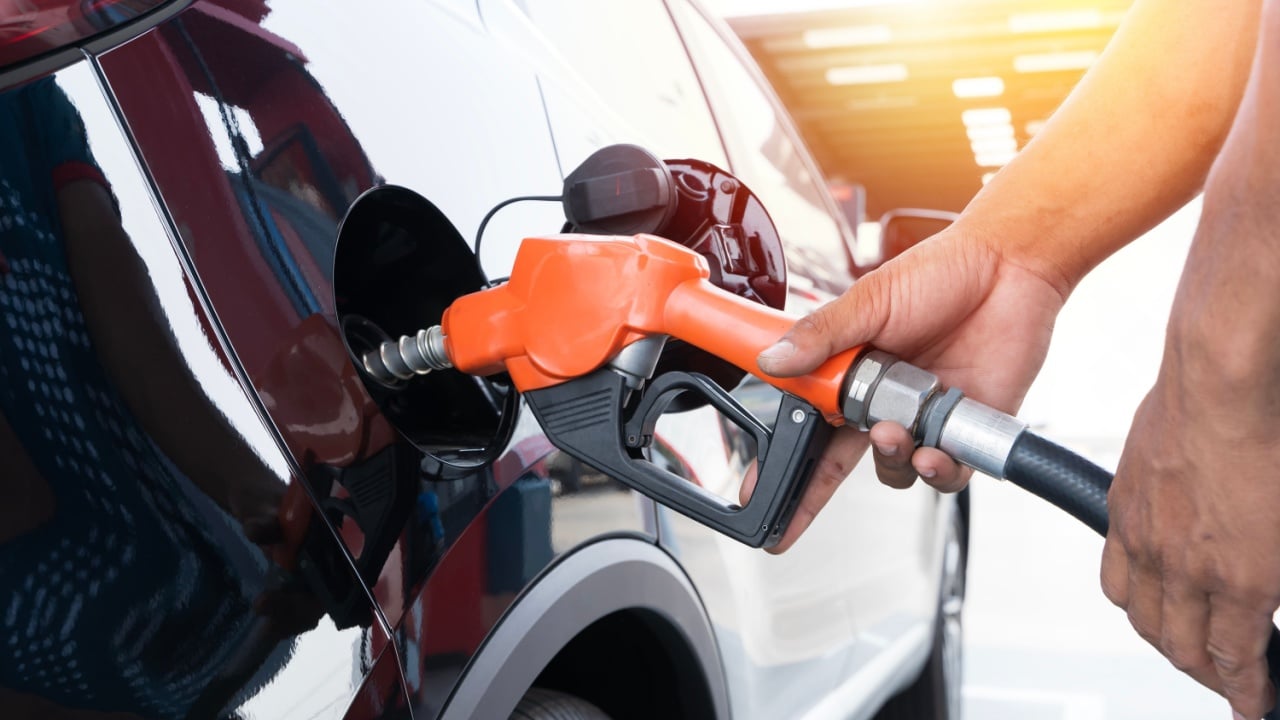
Looking beyond mileage alone, 81% of respondents said transportation costs had caused them to change their behavior in some way during the previous 12 months. The most common response was combining errands into fewer journeys, cited by 38%.
Another 31% said they were driving less overall, while 28% had started searching for cheaper gas before filling up. Meanwhile, 19% avoided certain stores, restaurants, or events because of the drive, and 17% reduced or skipped recreational trips.
Vehicle purchases are also being affected. Some 15% of respondents said they had delayed buying another vehicle, showing how higher transportation expenses can potentially influence the wider automotive market as well as individual trips.
Monthly expenses vary dramatically between households. LendingTree found that 30% spend less than $100 per month on transportation, while 26% spend between $100 and $249 and 20% spend between $250 and $499. At the other extreme, 10% reported spending at least $1,000 every month.
Carpooling Is Surprisingly Common Among Younger Americans
Higher costs could also be encouraging some Americans to share their journeys. According to the survey, 29% of respondents carpool roughly once a week or more, with the figure jumping to 52% among Gen Z.
Just over half of Americans said they would likely carpool if someone outside their household regularly traveled to the same destination. Still, 39% said they have never carpooled at all.
Convenience is a major obstacle. Among people who don’t regularly carpool, 30% said they prefer driving alone, 23% don’t know anyone heading to the same destination, and 22% said their schedules don’t match with potential passengers.
Cars Are Still Central To How Americans Get Around
Despite the financial pressure, personal vehicles remain the dominant form of transportation for the survey’s respondents. Sixty-eight percent said they drive and have regular access to a vehicle, and 73% of drivers get behind the wheel at least four to six times per week.
The survey ultimately highlights a familiar problem for motorists: driving may be getting harder to afford, yet for millions of Americans it remains difficult to avoid. The response isn’t necessarily giving up the car, but becoming increasingly selective about when, where, and how it gets used.