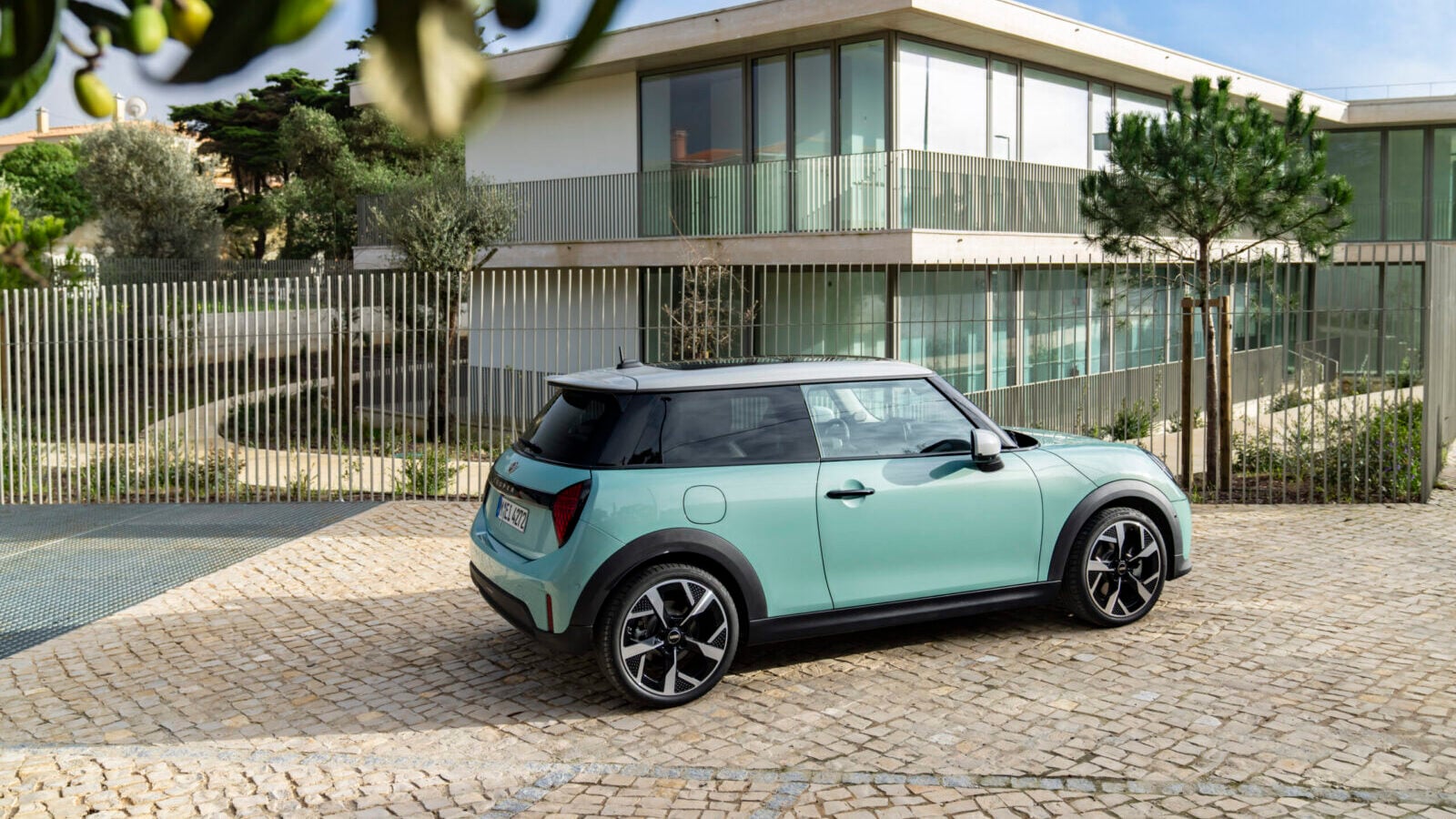
Front-wheel drive has been fundamental to the Mini formula since the original car arrived in 1959. Mounting the engine transversely and sending power through the front wheels helped make the tiny Mini remarkably spacious, while its handling turned that practical engineering decision into part of the car’s personality.
Nearly seven decades later, one of the industry’s best-known front-drive nameplates could make an extraordinary switch. According to Autocar, Mini is working on its next-generation Cooper, and the electric version could become rear-wheel drive for the first time.
The potential change isn’t simply an attempt to make the Cooper more appealing to enthusiasts. Instead, it appears to be a consequence of Mini potentially adopting parent company BMW’s latest Gen6 electric technology, which has been developed primarily around rear-wheel-drive architecture.
Nothing has been finalized yet, and BMW executives have stopped short of confirming that the next Cooper will send its power rearward. Still, the possibility represents one of the biggest technical departures in Mini’s history.
BMW’s New EV Hardware Could Force The Change
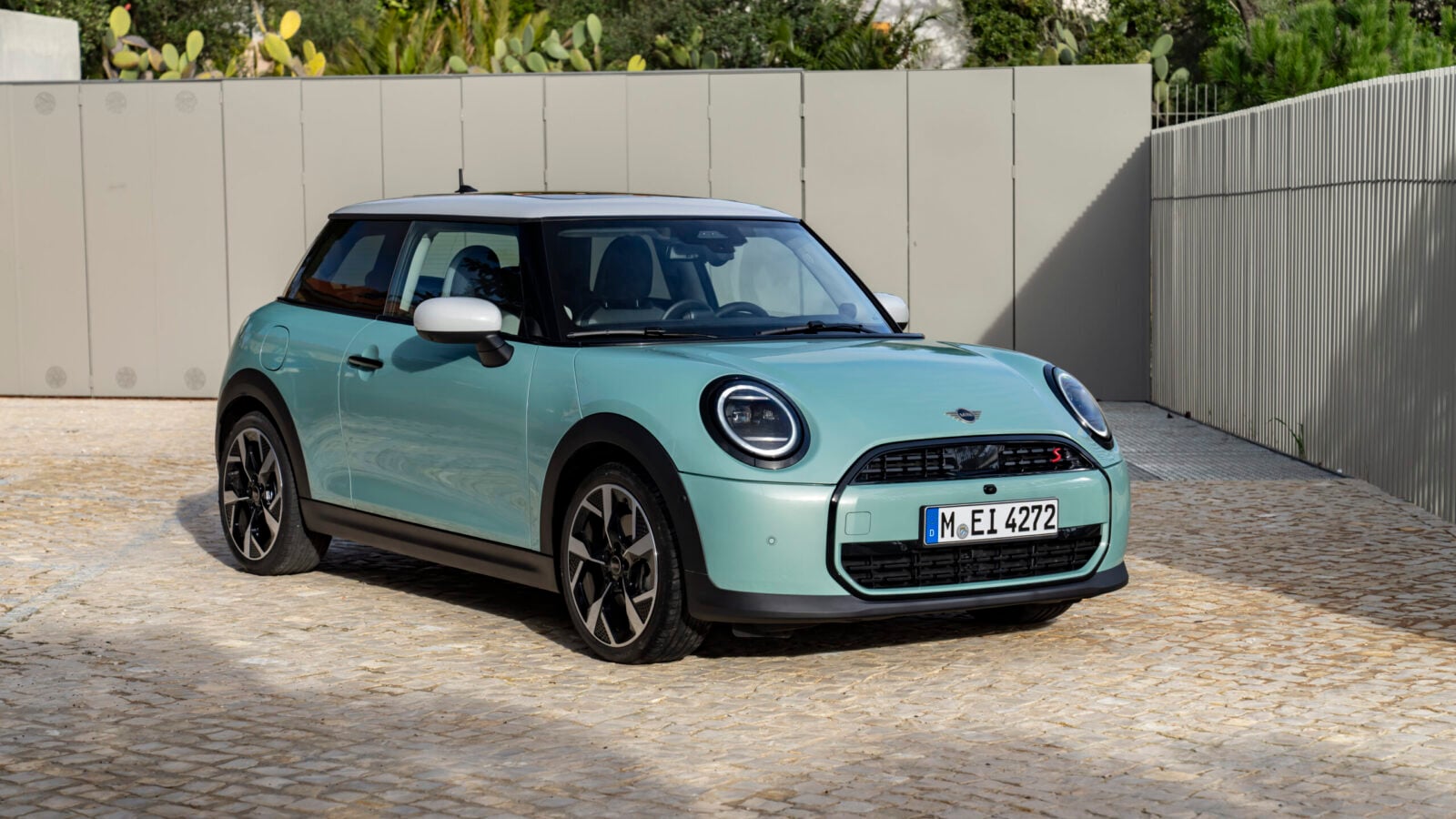
The current electric Cooper is produced in China through Mini’s joint venture with Great Wall Motor and uses a dedicated front-wheel-drive architecture. Its gasoline-powered sibling is technically a separate car, riding on an extensively updated version of the platform used by the previous-generation Mini.
That arrangement could change when the next Cooper arrives. Autocar reports that Mini is considering BMW’s Gen6 architecture, the technology underpinning the company’s latest Neue Klasse EVs.
The complication is that Gen6 is designed around a primary electric drive unit on the rear axle. BMW engineers reportedly told Autocar that there are currently no plans to develop an equivalent primary front drive unit, although all-wheel-drive Gen6 models use additional motors at the front.
That could leave Mini with a straightforward choice: develop additional hardware specifically to preserve front-wheel drive or embrace rear-wheel drive instead. BMW development boss Joachim Post previously told Autocar that the company would pursue the “optimum” solution for the vehicle’s packaging, while emphasizing driving enjoyment as a priority.
Gas And Electric Coopers Could Take Different Paths
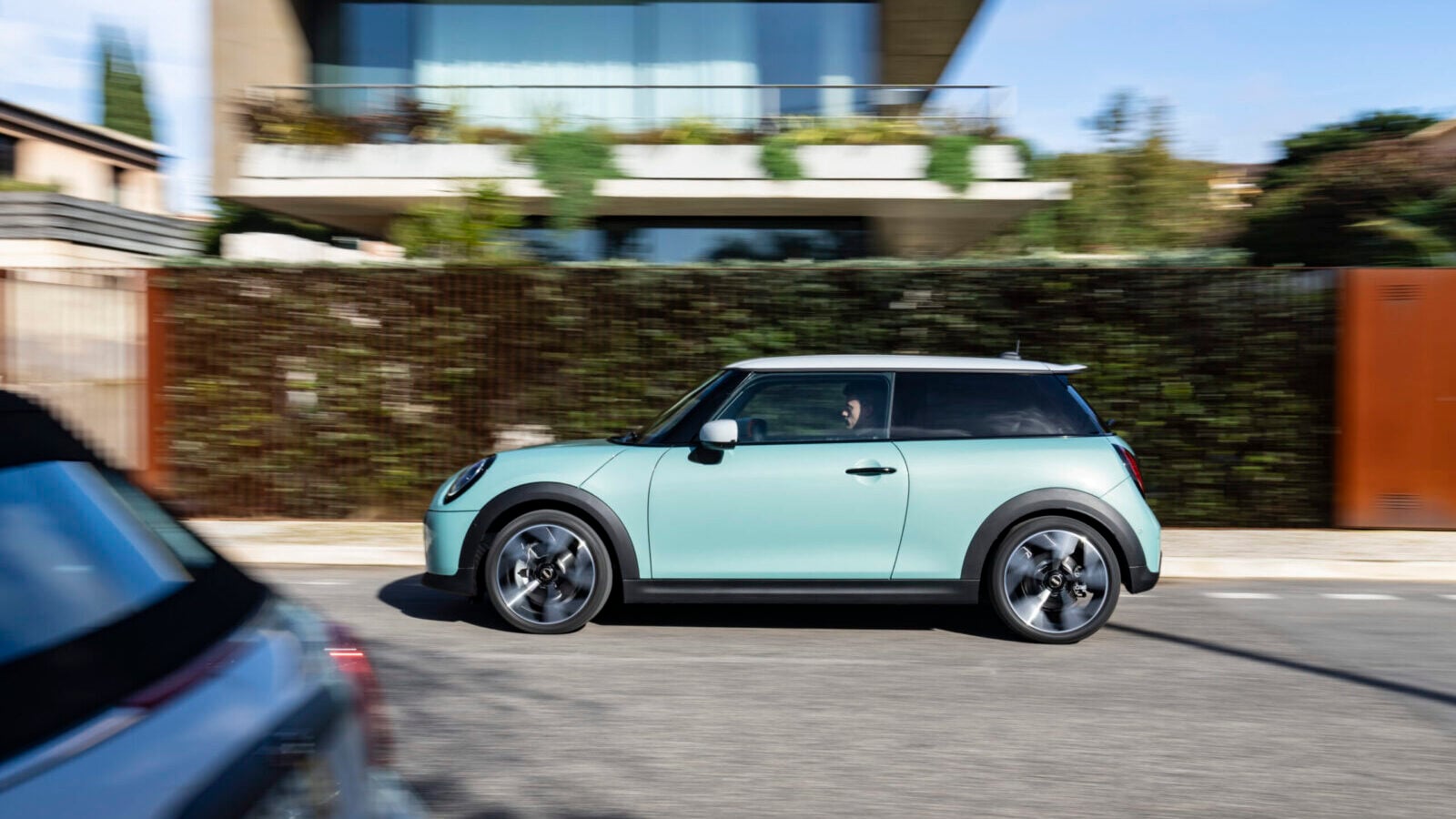
A rear-driven Cooper wouldn’t necessarily mean the end of front-wheel-drive Minis altogether. The gasoline Cooper is expected to remain available into the 2030s and could eventually gain hybrid power, Autocar reports.
That creates the possibility of two mechanically distinct Coopers continuing to share similar styling. The electric model could use BMW’s rear-drive Gen6 technology while combustion-powered versions retain a front-drive layout.
Such a split wouldn’t be unprecedented, since that’s effectively what Mini already does. However, adopting dramatically different architectures could make maintaining identical proportions and packaging increasingly difficult.
Rear-wheel drive could bring some enthusiast-friendly benefits. Removing the primary drive duties from the front wheels could improve steering feel and traction under hard acceleration, while potentially giving hotter Cooper variants a noticeably different character.
The Next Cooper Could Look Back To The R50
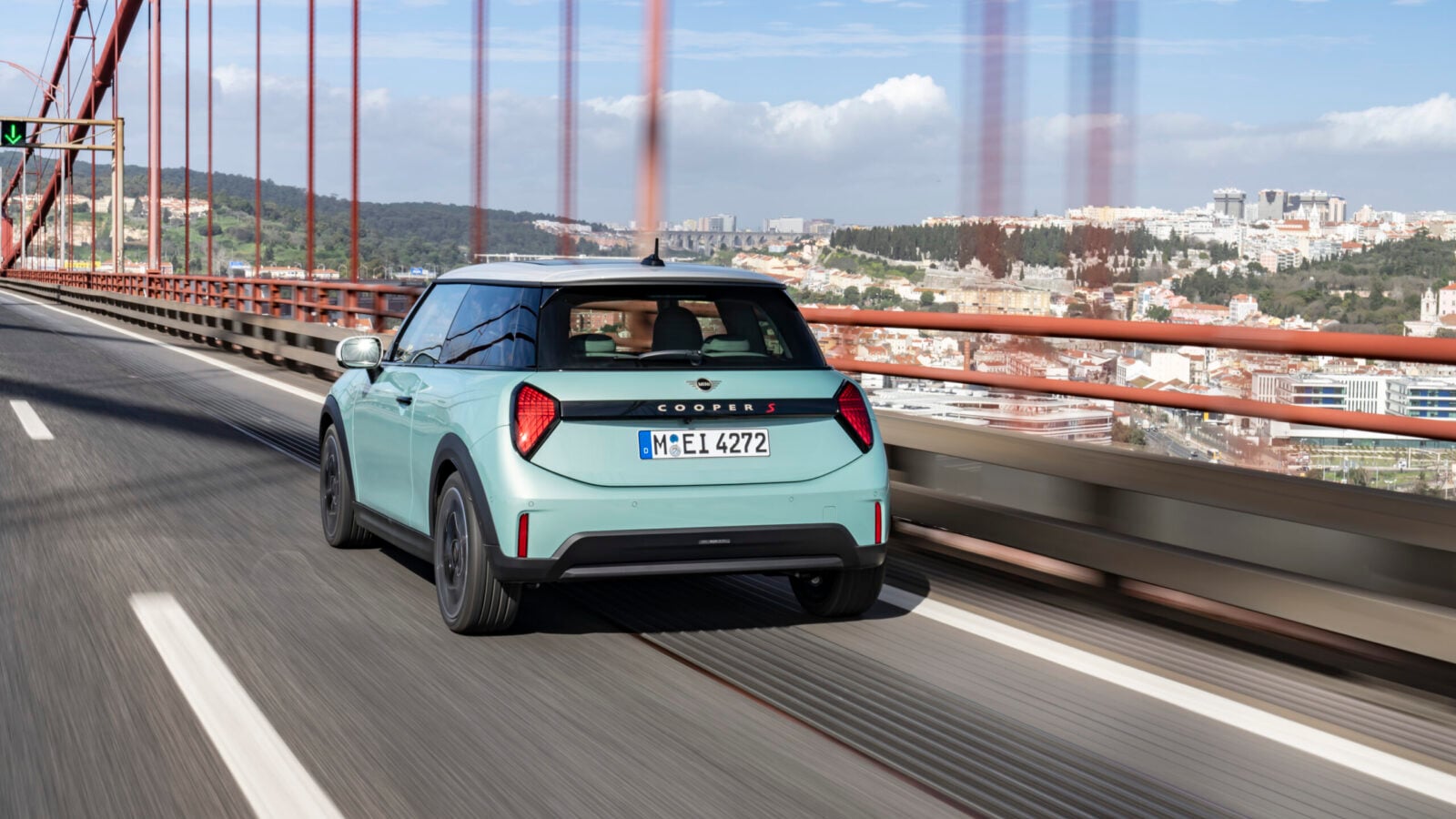
While its drivetrain could undergo a major transformation, Mini isn’t planning to reinvent the Cooper’s appearance. New design boss Holger Hampf told Autocar that the three-door hatch’s familiar proportions are effectively non-negotiable.
That means short overhangs, wheels pushed toward the corners, and recognizable elements such as round headlights should remain. Hampf also suggested the next generation could draw inspiration from the R50, the first Mini developed under BMW ownership and launched in 2001.
That car now occupies an interesting place in Mini’s history. For younger buyers, the R50 may represent the nostalgic Mini they remember rather than Alec Issigonis’ 1959 original.
Mini could also attempt to shrink the Cooper slightly, although Hampf stressed that any future model still needs enough practicality for everyday life. Modern crash structures, driver-assistance hardware, and battery packaging make returning to truly tiny classic Mini dimensions unlikely, but something closer to the first-gen New Mini is much more doable.
Rear-Wheel Drive Isn’t Confirmed Yet
For now, a rear-drive Cooper is a rumored possibility rather than a confirmed production decision. Mini has started developing its next generation, but its final architecture and drivetrain configuration are still being evaluated.
If BMW does choose the rear-drive route, however, it would turn one of automotive history’s great front-wheel-drive advocates into something completely different. Ironically, after years of enthusiasts complaining about rear-drive cars becoming front-drive, Mini could end up being the rare example that makes the journey in the opposite direction.