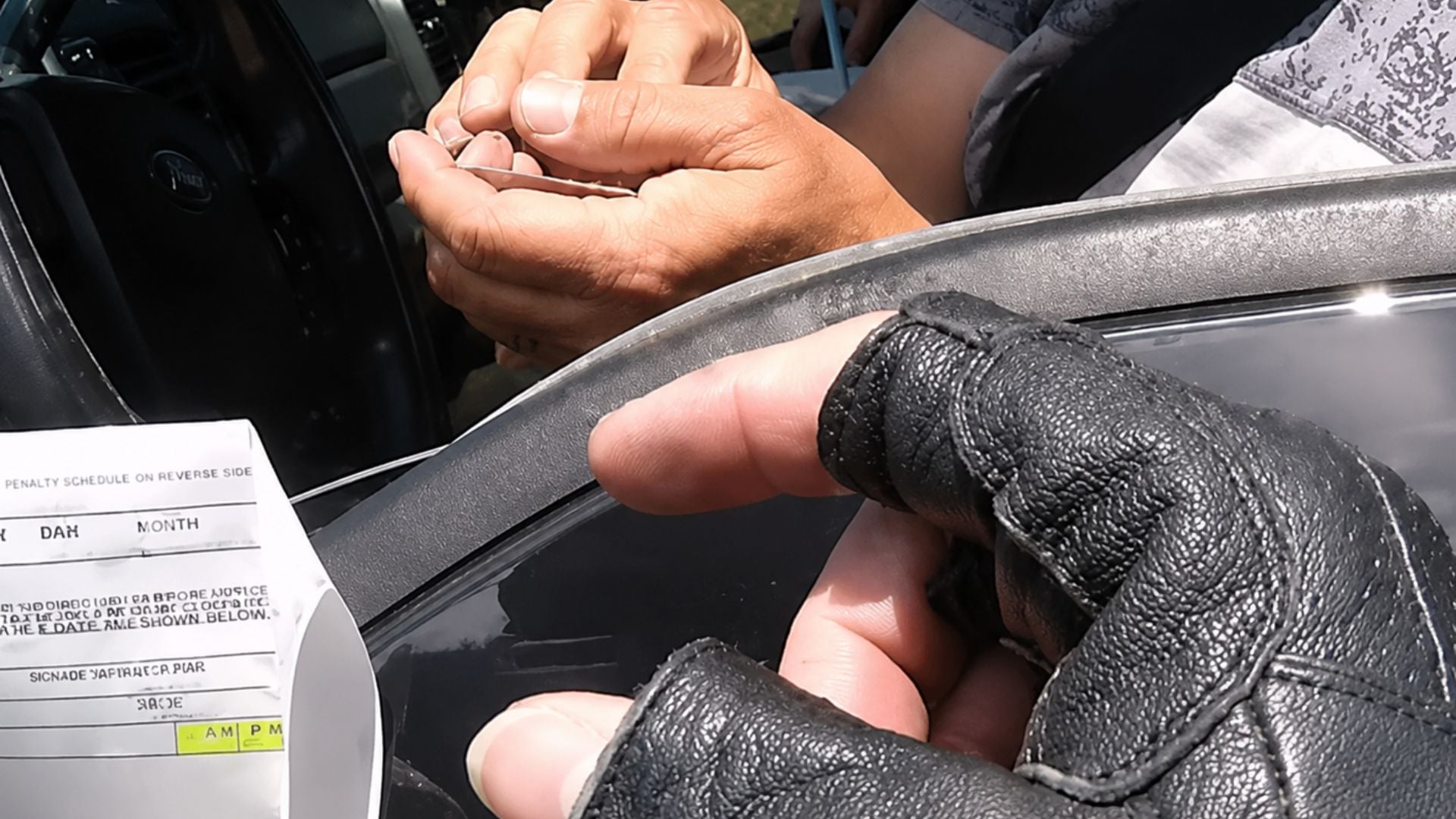
Most traffic-stop videos begin with the same familiar problem: a driver going over the speed limit. This time, however, the situation was completely the opposite.
A video released by the Orange County Sheriff’s Office shows deputies pulling over motorists for driving too slowly while in the left lane, a violation officers say can impede traffic and create dangerous situations.
In one of the stops, a deputy explains that the issue isn’t simply how fast the vehicle is traveling, but where the driver is choosing to travel. The deputy explains that according to Florida’s left-lane rule, drivers who remain in the far-left lane while being overtaken by faster traffic are required to move over.
The unusual enforcement has since sparked a heated reaction online. While many viewers praised Orange County deputies for finally targeting what they called “left-lane hoggers,” others argued that the law is more nuanced than simply banning drivers from cruising in the left lane.
Ocso Responds to Complaints About Left-Lane “Hoggers” With Multiple Traffic Stops
The video released by the Orange County Sheriff’s Office appears to be a direct response to a complaint deputies say they hear regularly. Before showing the enforcement stops, the department highlights messages from motorists asking why drivers who camp in the left lane aren’t being cited.
OCSO’s response was to show that deputies do enforce the rule. The video features multiple traffic stops involving drivers accused of remaining in the left lane and impeding traffic, with officers explaining to each motorist why they were being pulled over.
At one of the stops, a driver tells the deputy they were unaware of Florida’s left-lane requirement. The deputy explains that the lane is intended for passing and that motorists should move back over rather than remain there, forcing faster traffic to go around them.
The driver ultimately received a $164 citation for failing to move over from the left lane. The deputy tells the motorist that the rule is enforced across Florida highways and that staying in the passing lane can create dangerous situations when other vehicles are forced to maneuver around a slower driver.
Florida’s Left-Lane Law Is About Impeding Traffic
Florida’s left-lane rule is more specific than simply saying drivers cannot use the lane unless they are passing. Under Florida Statute §316.081, a driver on a road with two or more lanes traveling in the same direction may not continue in the far-left lane when they know or reasonably should know that a faster vehicle is approaching from behind. The law also includes exceptions, including when a driver is overtaking another vehicle or preparing to make a left turn.
The Florida Driver Handbook similarly tells motorists to keep right except when passing or when other circumstances require the use of the left lane. The state’s Right Lane / Pass Left guide explains the same basic principle: slower traffic should keep right so faster traffic can pass on the left.
The rule is intended to keep traffic moving predictably. When a slower vehicle remains in the far-left lane while faster traffic approaches, other motorists may be forced to brake, change lanes, or attempt to pass around the vehicle, creating additional conflicts on busy highways.
That is the reasoning behind the enforcement shown by the Orange County Sheriff’s Office. In the video, the deputy tells the stopped driver, “You’re required to move over, not make them move over.” Under the enforcement shown in the footage, failing to move over can result in a citation, with the driver in the video receiving a $164 ticket.
Left-Lane Drivers Became the Target of a Heated Online Debate
The reaction to the Orange County Sheriff’s Office’s enforcement was largely positive, with many motorists saying they had been waiting for law enforcement to take left-lane cruising more seriously.
“Do this more. Everywhere. All the time,” one viewer wrote. Another thanked the sheriff’s office for the crackdown, while others described drivers who refuse to move over as a major source of frustration and a potential safety problem.
But some commenters pushed back against the simplified version of the rule. One asked whether a driver traveling at the posted speed limit should have to move over for someone who wants to drive faster. Another pointed out that the statute refers specifically to situations where a driver knows or reasonably should know that a faster vehicle is approaching from behind.
That distinction has become part of the broader discussion surrounding OCSO’s campaign. The department has continued addressing questions about the law on its social media channels, emphasizing that the issue is not simply whether a driver is in the left lane, but whether they are remaining there while being overtaken.
Ultimately, Florida’s rule isn’t about punishing someone for driving the speed limit; it’s about preventing a driver from using the far-left lane while faster traffic is approaching from behind.