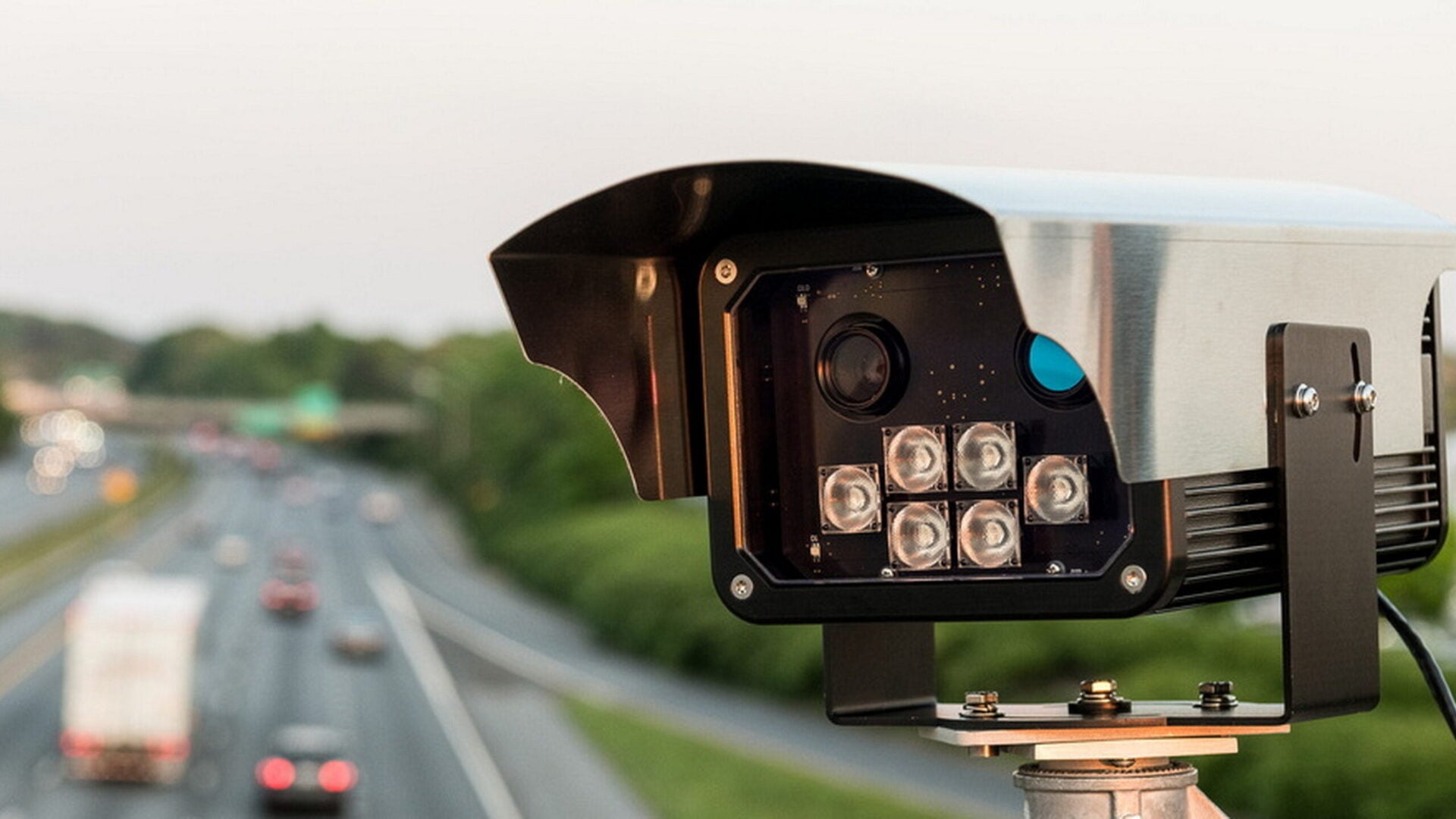
A roadside surveillance system deployed in Maryland can potentially associate the wireless signals coming from devices inside a vehicle with its license plate, adding another layer to what police can learn from automated plate-reader networks.
The technology, called SignalTrace, is made by Leonardo US Cyber and Security Solutions and has reportedly been installed in Oxon Hill by the Prince George’s County Police Department. Unlike a conventional automatic license plate reader, SignalTrace is designed to detect wireless transmissions and correlate them with other information collected at the same location.
That means signals associated with smartphones, headphones, smartwatches, dog collars, and other connected devices could potentially become part of an electronic signature linked to a particular vehicle. When paired with an ALPR camera, investigators could associate that signature with a license plate, location, and time.
The system sounds remarkably powerful on paper, although a technical analysis published by The Drive suggests there are important limits to what it can actually detect. Some of Leonardo’s broader claims appear considerably harder to accomplish in the real world than its marketing might suggest.
SignalTrace Builds An Electronic Fingerprint
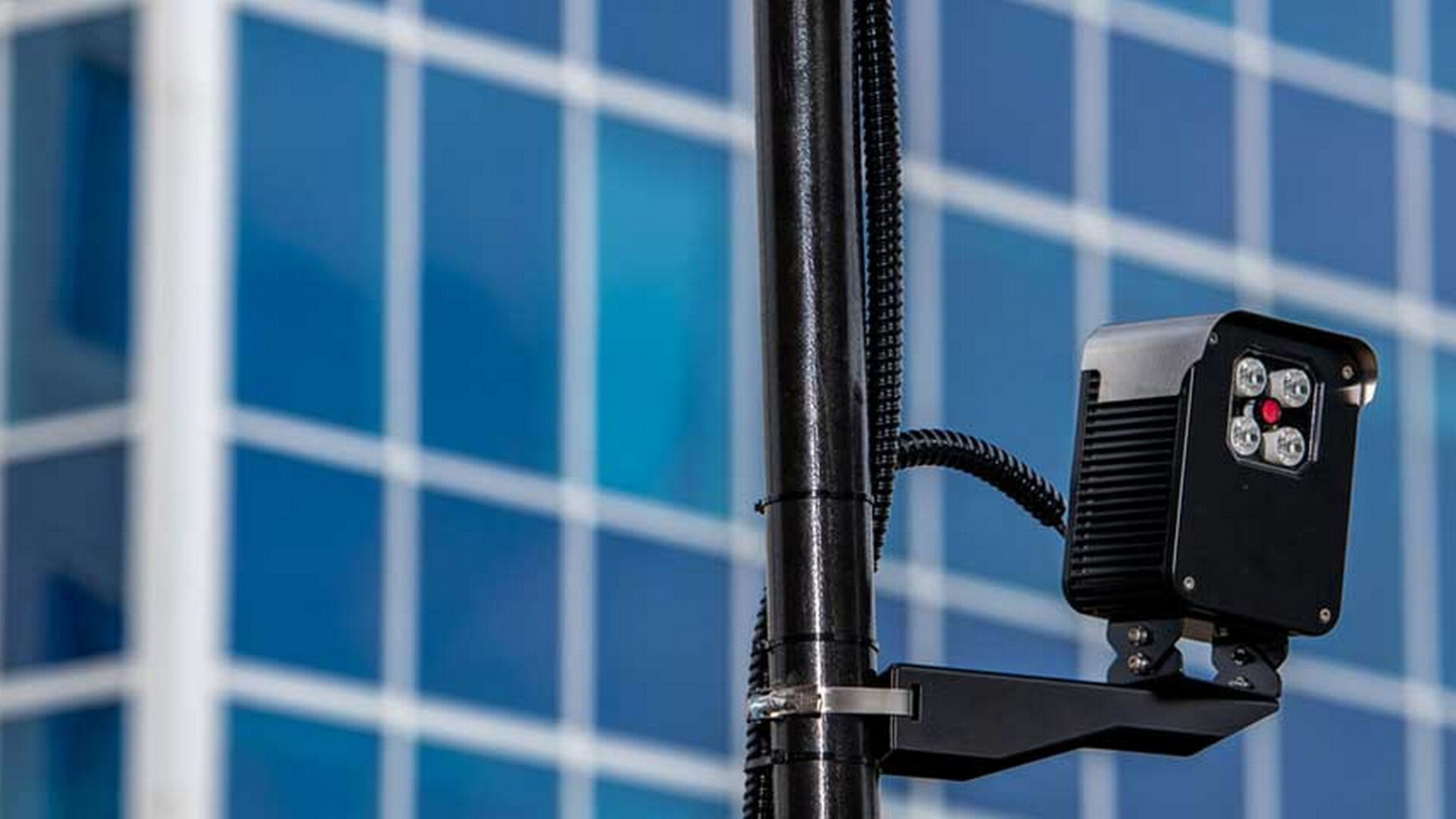
According to Leonardo, SignalTrace passively collects publicly transmitted radio-frequency signals and can identify groups of devices that repeatedly appear together. Those recurring signals can effectively create an electronic fingerprint associated with a vehicle.
Combine that information with an ALPR and the system gains additional context. A plate reader identifies the vehicle while SignalTrace attempts to recognize the collection of wireless devices traveling with it, potentially allowing investigators to associate future sightings with the same electronic signature.
Security consultant and offensive-security engineer Ryan O’Horo identified several apparent SignalTrace installations in Oxon Hill. He told The Drive that, as far as he knows, those Maryland units represent the only real-world deployments of the system currently identified.
Some Of The Claims Face Technical Problems
O’Horo’s analysis raises questions about just how much information a single SignalTrace installation can reliably capture. Wireless devices do not constantly transmit persistent identifying information, while technologies such as Wi-Fi and Bluetooth operate across different channels that a receiver must monitor at the right moment.
Some of the more unusual devices mentioned in Leonardo’s marketing present even bigger obstacles. The flat-panel antennas used by SignalTrace appear poorly suited to receiving the frequencies commonly used by tire-pressure monitoring systems, according to O’Horo.
Traditional pet microchips are another questionable target because passive RFID implants generally need to be scanned at extremely close range. Bluetooth or Wi-Fi-enabled pet collars are a far more plausible source of detectable roadside signals.
Phones And Bluetooth Devices Are The Bigger Privacy Question

Those limitations do not necessarily make SignalTrace insignificant. Smartphones, wireless headphones, watches, and other Bluetooth or Wi-Fi devices are ubiquitous, giving a roadside receiver plenty of potential signals to observe.
A captured identifier also does not necessarily need to contain someone’s name to become useful. If the same combination of devices repeatedly appears alongside the same vehicle, at the same home, or along a recurring route, those observations could potentially establish patterns that help investigators associate devices with a person or vehicle.
There are obvious complications. Passengers change, people lend cars to relatives, devices are replaced, and wireless technologies increasingly employ privacy features designed to make persistent tracking more difficult. SignalTrace, therefore, shouldn’t be interpreted as automatically identifying every electronic device passing one of its sensors.
Plate Readers Are Becoming Much More Than Cameras
The development illustrates how automated license plate reader networks could evolve beyond simply photographing plates. Connecting visual vehicle records with wireless observations potentially gives law enforcement another way to establish associations between vehicles, devices, locations, and travel patterns.
For now, the available technical analysis suggests SignalTrace falls well short of being an all-seeing electronic dragnet. Its ability to collect Wi-Fi and Bluetooth signals alongside plate-reader data, however, still raises significant privacy questions about how roadside surveillance systems are expanding and what information they may be capable of connecting in the future.