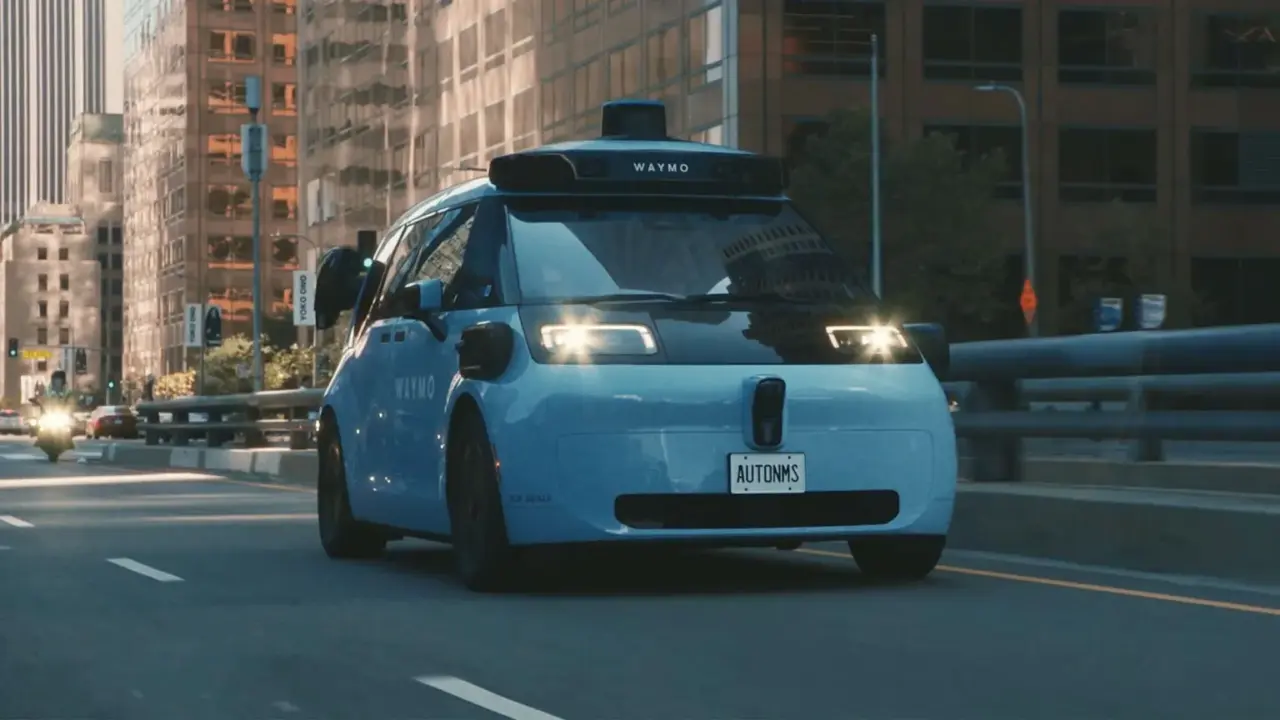
Chinese electric vehicles remain effectively locked out of the U.S. consumer market, with steep tariffs making mainstream sales from brands such as Zeekr commercially difficult. That hasn’t stopped thousands of Chinese-built EVs from arriving in America for one particularly high-profile customer: Waymo.
The Alphabet-owned autonomous driving company is importing Zeekr-built electric vans for its expanding robotaxi operation, despite tariffs that reportedly reach 127.5 percent. More than 3,200 examples have reportedly entered the U.S. since 2024, including over 2,600 this year alone, according to Forbes.
Waymo calls the vehicle the Ojai, while the closely related model is known as the CM1e in China. Developed specifically with autonomous ride-hailing in mind, the electric van will gradually join Waymo’s familiar Jaguar I-Pace robotaxis as the company expands its fleet and rolls out its sixth-generation Waymo Driver.
Those tariffs make every Ojai dramatically more expensive by the time it reaches American soil. Even so, Waymo appears to have concluded that importing the Chinese-built vans remains financially attractive compared with continuing to rely heavily on its Jaguar-based robotaxis.
A $38,000 EV Becomes An $86,000 Import
U.S. import declarations reportedly value each Ojai at approximately $38,000, putting it close to the roughly $39,000 price associated with the CM1e in China. Applying a 127.5 percent tariff would push the effective cost to around $86,500 before Waymo installs its autonomous driving equipment.
The numbers climb further once the vehicle receives Waymo’s sixth-generation hardware and software package, which Forbes estimates costs roughly $25,000 per unit. That would put a completed Ojai robotaxi comfortably above the $100,000 mark, illustrating just how substantial the tariff burden is on Chinese-built EVs entering the country.
Yet the economics become considerably easier to understand when the Ojai is compared with Waymo’s existing Jaguars. The company’s specially equipped Jaguar I-Pace robotaxis have reportedly cost upwards of $200,000 each once their autonomous hardware is included, leaving plenty of room for the heavily tariffed Zeekr to come in cheaper.
Waymo Chose Zeekr Years Before The Tariff Fight
Waymo’s relationship with Zeekr predates the latest escalation in U.S. trade barriers against Chinese electric vehicles. The companies originally partnered to develop a purpose-built autonomous ride-hailing vehicle rather than adapting another conventional passenger car to the job.
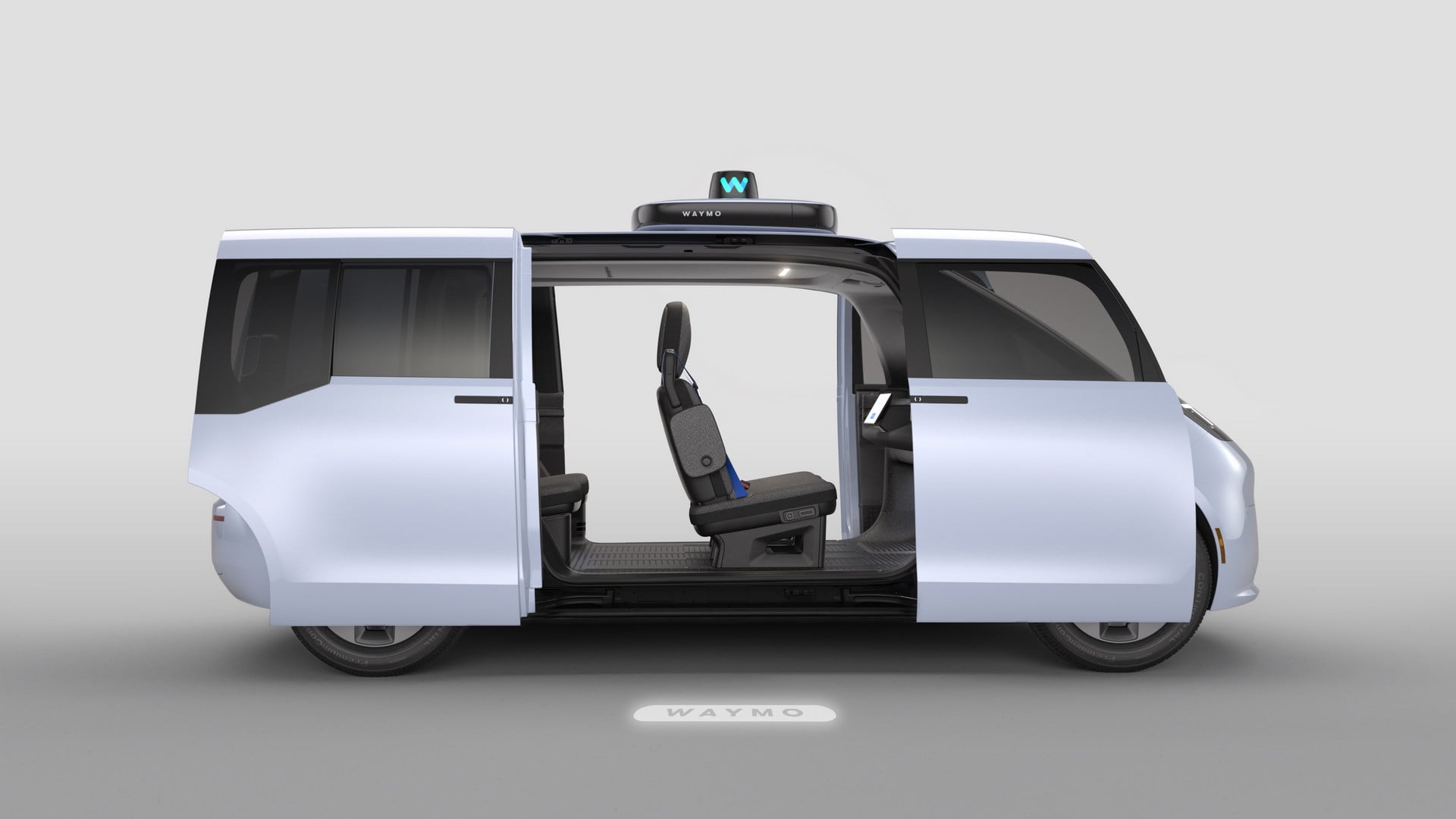
The Ojai was actually designed around passengers rather than a traditional human driver. Waymo highlights its flat floor, low entry height, expansive cabin and accessibility features, while the vehicle also incorporates large passenger displays and other features intended specifically for autonomous ride-hailing.
The van also introduces Waymo’s sixth-generation Driver, which the company says is designed to support operation in a wider range of environments, including cities with snowier conditions. Waymo has also said it is scaling production capacity for Waymo-equipped vehicles toward tens of thousands of units annually at its Mesa, Arizona facility.
The Ojai Is Already Carrying Passengers
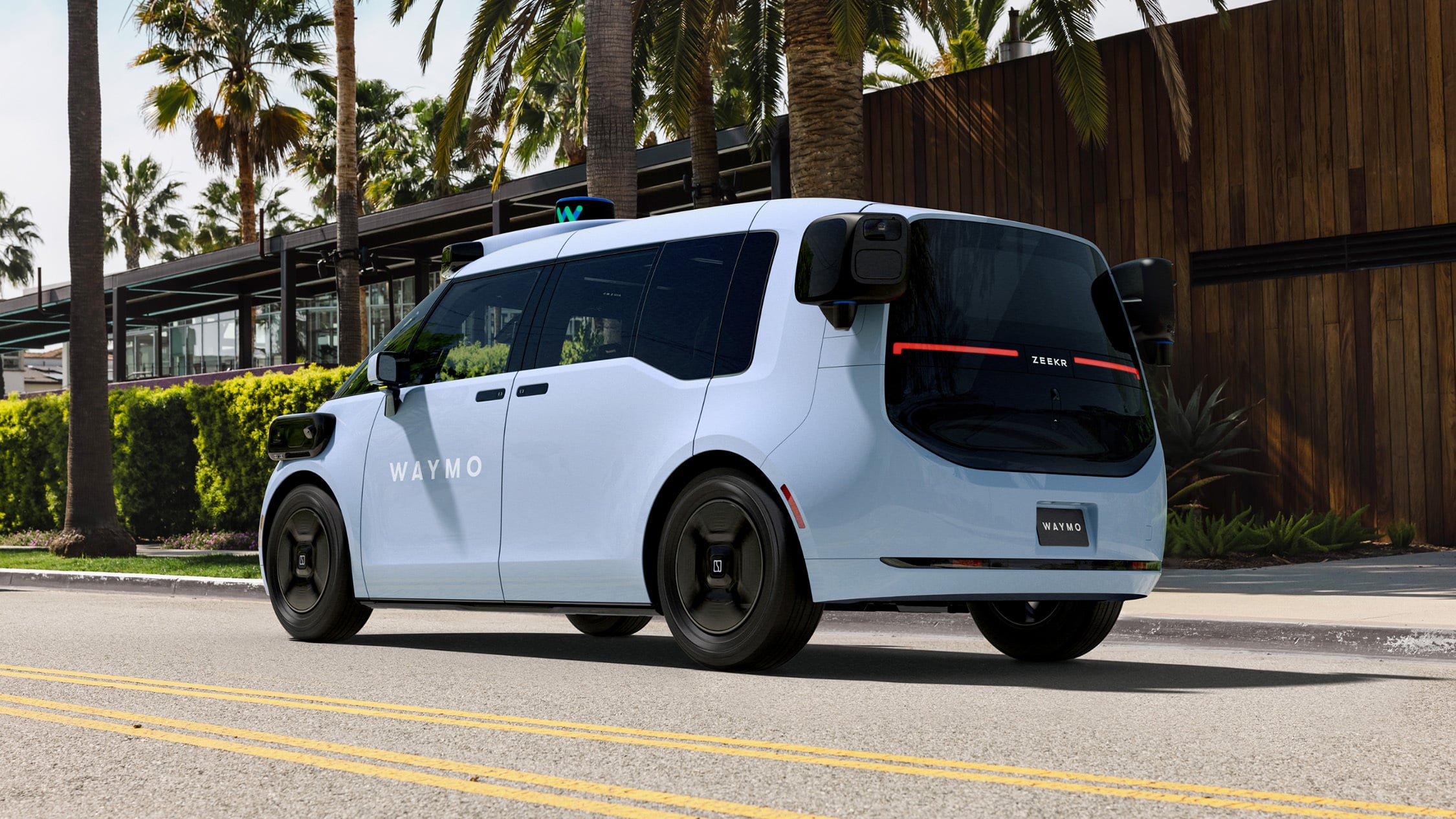
Waymo began preparing the Ojai for public passenger service earlier this year after employees had already accumulated fully autonomous trips in the vehicle. The company initially announced plans for selected riders in San Francisco, Phoenix and Los Angeles to experience the new robotaxi before a broader rollout.
Waymo’s current information confirms that the Ojai is being introduced alongside its established Jaguar I-Pace fleet, with availability beginning in Phoenix, Los Angeles and San Francisco before reaching additional markets. The company continues to expand rapidly across the U.S., meaning the thousands of imported vans could become increasingly important as its geographic footprint grows.
Tariffs Haven’t Killed The Business Case
There is a striking contradiction in Waymo’s strategy. American consumers have virtually no access to the latest Chinese EVs, yet a major U.S. technology company can absorb enormous import duties and still find a Chinese-built vehicle competitive enough to deploy by the thousands.
For Waymo, the calculation appears relatively straightforward: even after tariffs effectively add tens of thousands of dollars to every van, the Ojai can still cost substantially less than the Jaguar robotaxis it is helping replace. A roomier, purpose-built cabin only strengthens the case, especially for a vehicle whose entire job is carrying paying passengers without anyone behind the wheel.
The situation also offers an unusual glimpse at the underlying cost competitiveness of China’s EV industry. When a $38,000 electric van can be hit with a 127.5 percent tariff, loaded with sophisticated autonomous-driving technology, and still be far cheaper than the outgoing alternative, it becomes easier to understand why Chinese EV pricing has become such a contentious issue in Washington.