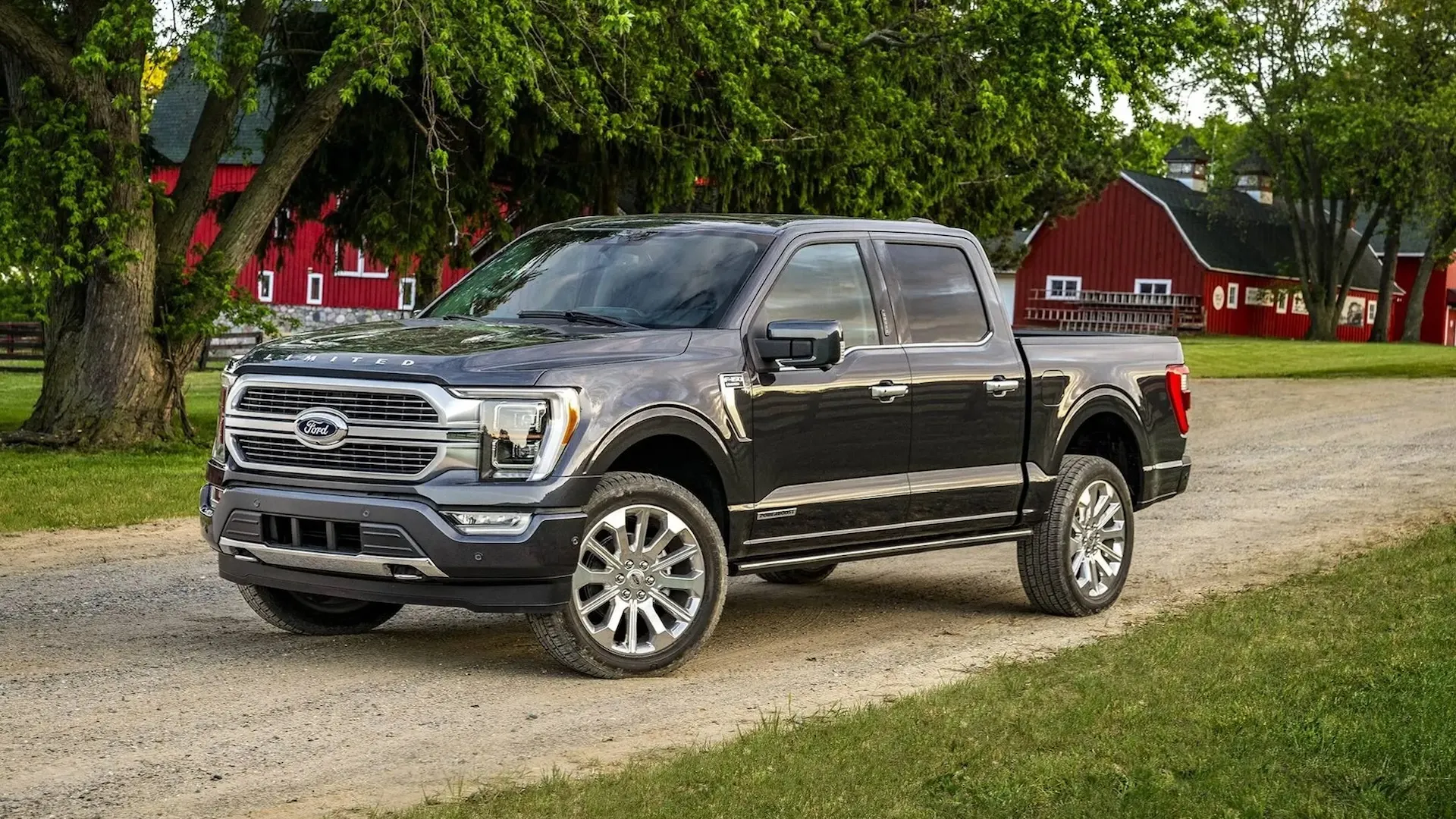
Ford wants its engines and transmissions to reliably survive at least 15 years or 225,000 miles, and artificial intelligence is becoming one of the tools it uses to reach that target. Rather than relying exclusively on conventional durability testing, Ford says AI can identify subtle warning signs that engineers might struggle to detect across enormous amounts of test data.
In an interview published by Ford From the Road, Charles Poon, Ford’s vice president of vehicle hardware engineering, detailed the company’s changing approach to powertrain reliability. Ford has raised its internal target considerably, moving from 10 years and 150,000 miles to 15 years and 225,000 miles.
That doesn’t mean Ford is guaranteeing every engine will make it to 225,000 miles without trouble. Instead, the figure represents the minimum reliability target Ford says it is designing and testing its major powertrains to meet.
Getting there involves considerably more than asking an algorithm whether an engine looks healthy. Ford is combining aggressive physical durability testing, engine teardowns, oil analysis, connected-vehicle data and AI-assisted anomaly detection to find potential problems before customers encounter them.
Ford Is Deliberately Abusing Its Engines
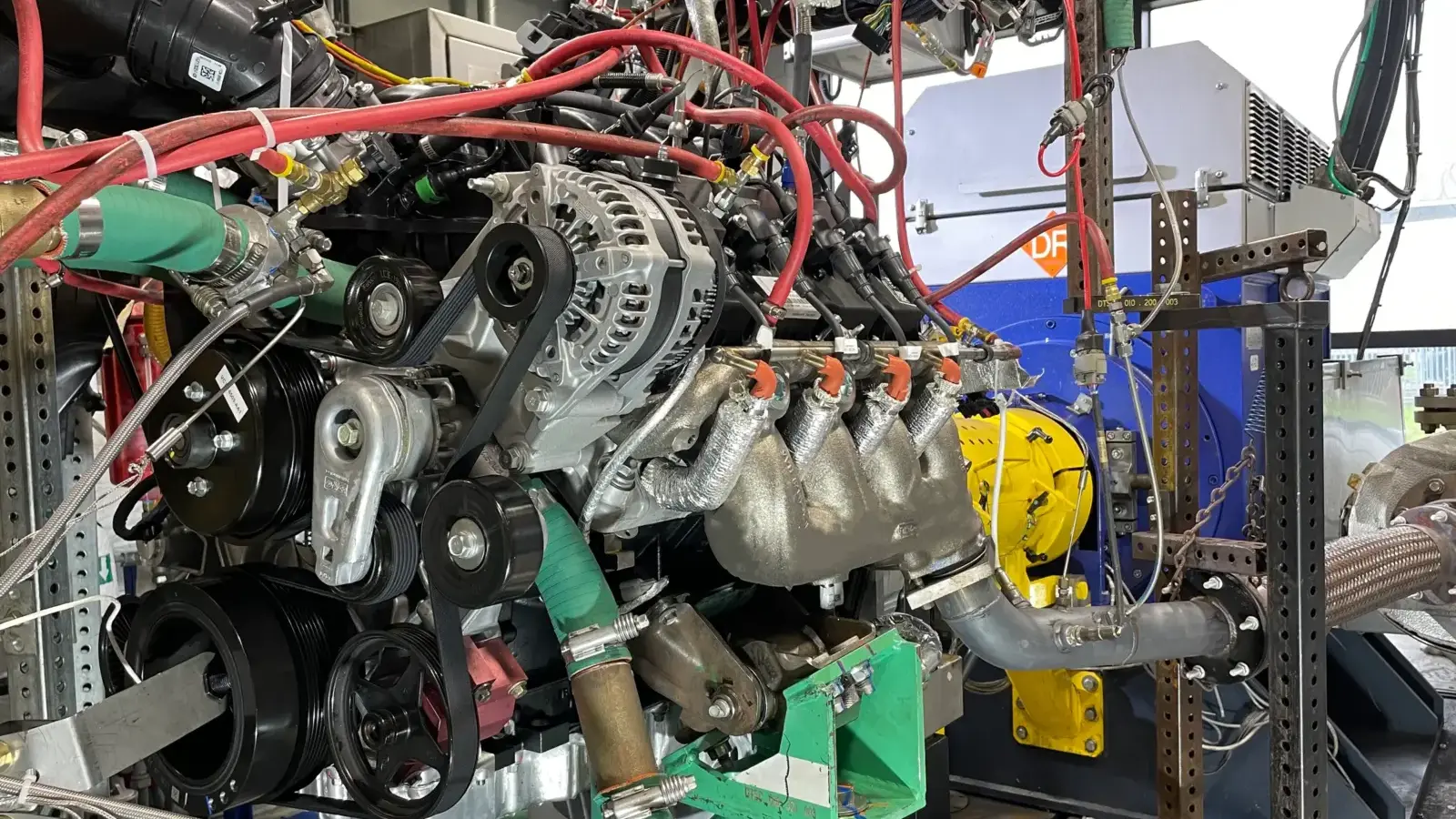
Ford says it developed the new benchmark partly by studying how customers actually use their vehicles. Connected-vehicle information helps engineers account for unusual operating conditions, including extended periods of idling, rather than basing durability tests around an idealized driving cycle.
Engines and transmissions pulled directly from production are subjected to extreme conditions including heat, repeated start-stop cycles and wide-open-throttle operation. The idea is to compress years of demanding use into controlled tests where engineers can deliberately expose weak points.
Ford’s Essex Engine Plant also performs daily engine teardowns. Frequent sampling means engineers can potentially discover a manufacturing or component problem quickly enough to hold shipments and investigate rather than waiting for warranty claims to reveal it months or years later. It’s an old-fashioned approach to quality control paired with considerably newer technology.
AI Looks For Problems Humans Might Miss
This is where artificial intelligence enters the equation. According to Poon, Ford collects hundreds of complicated data traces during physical testing. Asking engineers to manually compare every trace against thousands—or potentially hundreds of thousands—of previous examples makes identifying tiny abnormalities extremely difficult.
Ford’s proprietary AI tools establish what normal operation looks like and flag small deviations for engineers to investigate. Those anomalies could indicate a manufacturing defect or component weakness long before it becomes noticeable during normal operation.
AI isn’t replacing physical inspection, either. Ford dismantles tested engines and analyzes their oil for microscopic metal particles and chemical markers in a process Poon compares to examining fingerprints at a crime scene.
Different contaminants can point engineers toward specific components experiencing abnormal wear, such as bearings, gears or valves. An engine might sound perfectly healthy and perform normally on a test stand while its oil reveals evidence of a problem that could become significant years later.
Ford can then investigate the component or manufacturing process before that potential weakness reaches customers.
The Goal Is Catching Failures Years Before They Happen

The interesting part of Ford’s strategy isn’t simply that AI can identify a defective engine coming down an assembly line. The company hopes these tools can identify patterns associated with failures that wouldn’t otherwise become apparent for three, five, or even 10 years. That’s a much tougher challenge than detecting an incorrectly installed component or obvious manufacturing flaw.
Poon says Ford ultimately wants nearly every major powertrain in its lineup to meet the 15-year, 225,000-mile reliability target. Models including the F-150, Bronco and Mustang stand to benefit as the testing methodology expands across the company’s powertrain portfolio.
Ford also isn’t pretending software alone can solve its quality problems. Physical testing, experienced engineers, teardown inspections and manufacturing changes remain essential parts of the process, with AI essentially giving those engineers another way to find needles buried inside mountains of data.
Ford Has Plenty Of Motivation To Improve Quality
The push comes as Ford continues working to improve its reputation for reliability and manufacturing quality. Poon acknowledged that the company’s quality history requires humility and continued improvements to engineering, testing and production processes.
That context makes the 225,000-mile target particularly significant. Setting an ambitious internal benchmark is one thing; consistently delivering vehicles that achieve it in customers’ hands is another.
Still, using AI in this way makes considerably more sense than treating it as a replacement for engineers. If Ford can combine brutal durability testing with software capable of spotting microscopic signs of future trouble, the real payoff won’t be flashy technology. It’ll be engines that simply keep running.