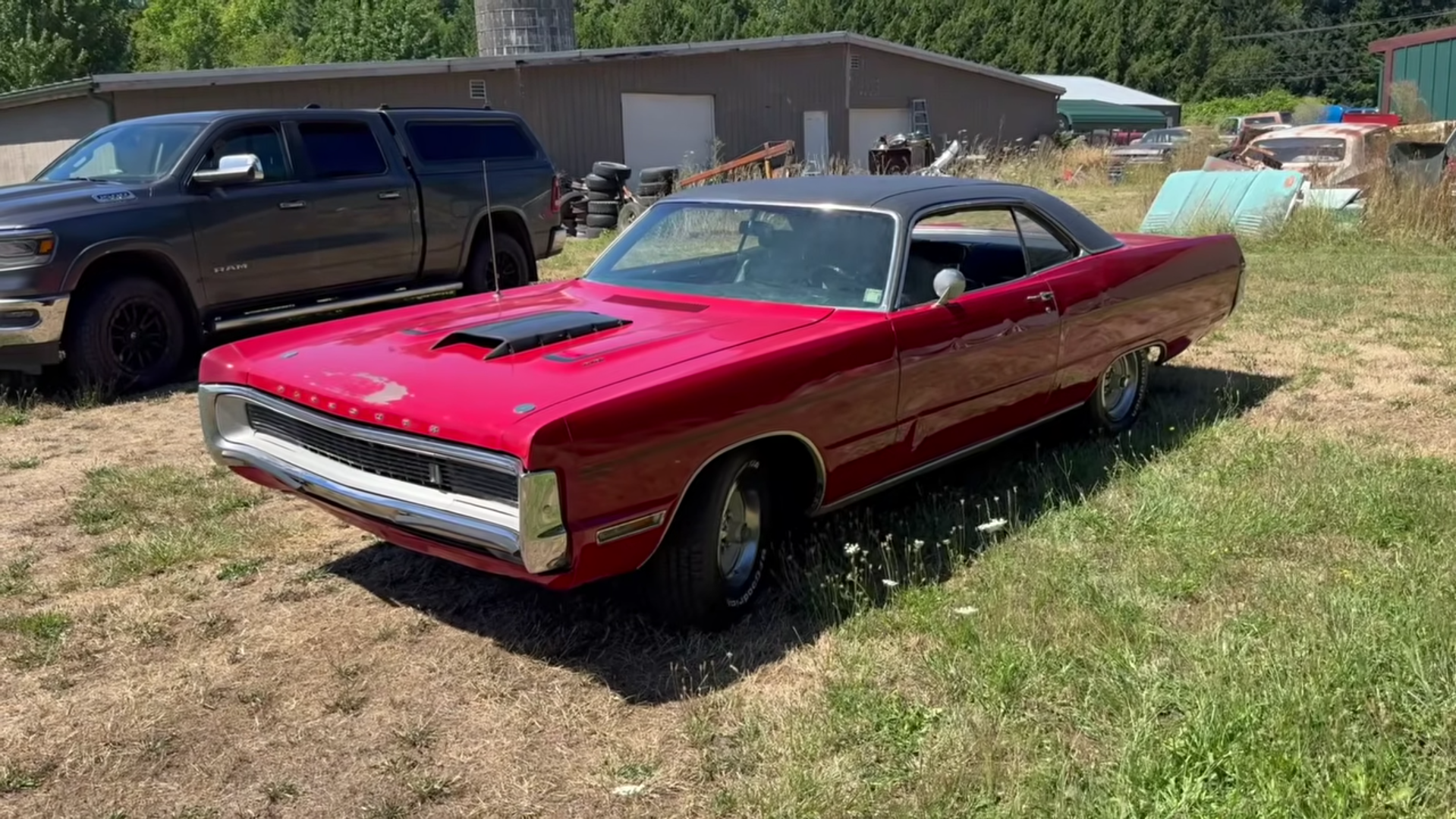
A remarkably rare 1970 Plymouth Sport Fury GT has returned to the road after spending roughly 45 years off it. The massive C-body Plymouth was parked in 1981 and recently completed its first proper drive since then following extensive mechanical work and careful preservation.
This particular Sport Fury GT is especially significant because it carries the V-code 440 Six-Barrel V8, Plymouth’s name for the triple two-barrel carburetor setup Dodge marketed as the Six Pack. Only around 64 Sport Fury GTs are believed to have been ordered with this engine for 1970, although surviving production estimates vary slightly depending on the source.
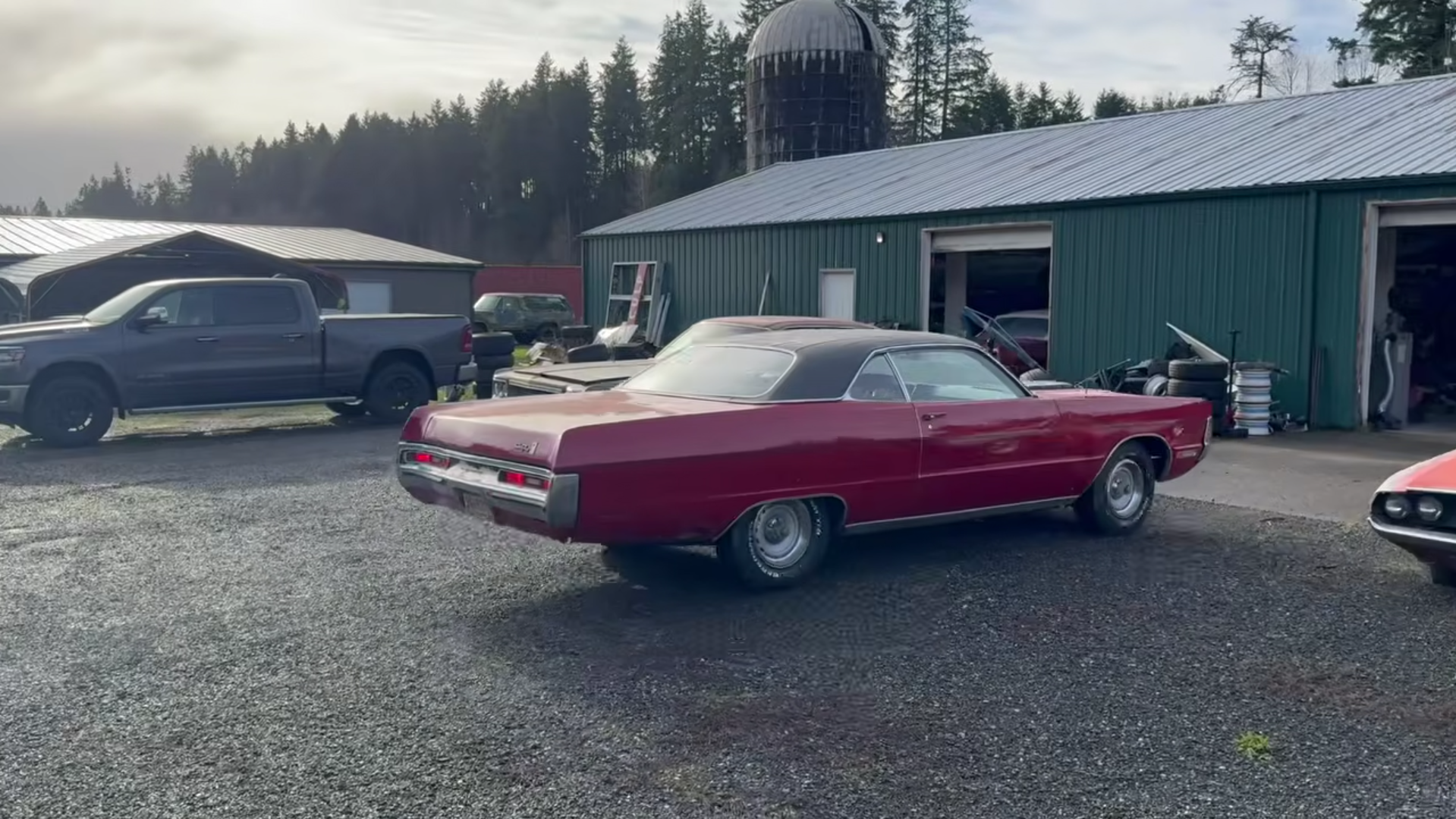
The car was brought back to life with help from Rocket Restorations and Dead Dodge Garage, with the latter rebuilding its original big-block. Much of the Plymouth remains remarkably intact, including its interior, drivetrain, vinyl roof, and significant portions of its paint.
After months of troubleshooting and preparation, the Fury finally ventured onto public roads again. Its last registration and inspection markings date to 1981, making this a genuine return from decades of automotive hibernation rather than a car that simply accumulated very few miles.
Plymouth Put Its Strongest Full-Size V8 Under The Hood
The Sport Fury GT occupied an unusual corner of Plymouth’s 1970 performance lineup. Instead of the smaller dimensions of a Road Runner, GTX, or ‘Cuda, it combined muscle-era hardware with the enormous proportions and “fuselage” styling of Chrysler’s full-size C-body platform.
The standard Sport Fury GT already received a 440-cubic-inch V8, but buyers could step up to the V-code Six-Barrel version. Its three Holley two-barrel carburetors helped produce a factory-rated 390 horsepower, making it the most powerful engine Chrysler offered in its full-size cars at the time.
The 426 Hemi produced a higher advertised 425 horsepower, though Plymouth did not offer it in the Sport Fury. That leaves the 440 Six-Barrel GT as one of the wildest factory combinations to emerge from Chrysler’s muscle-car era, despite the Fury’s considerable size.
Production was tiny. Estimates generally place 1970 Sport Fury GT production at around 666 cars, with only a small fraction receiving the V-code engine, making surviving original-drivetrain examples exceptionally scarce.
This One Still Has Its Original 440
According to Dead Dodge Garage, only a handful of known Six-Barrel Sport Fury GTs retain their numbers-matching engines, and some surviving original blocks are no longer installed in running cars. The channel believes this example is currently the only known running and driving numbers-matching 440 Six-Barrel Sport Fury GT.
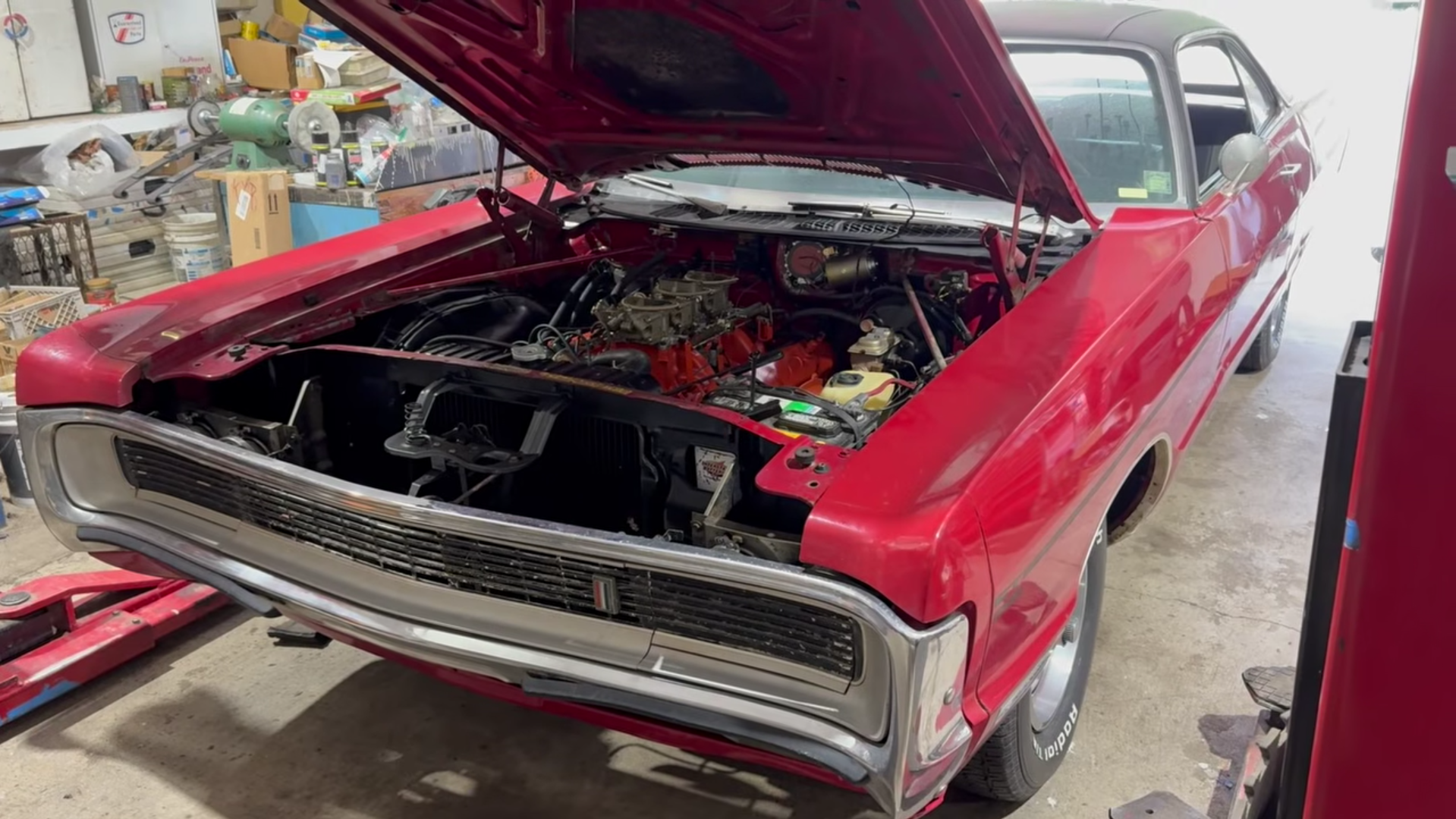
Its 440 was rebuilt while retaining details intended to preserve the original character of the engine. The restoration team reused components including the factory camshaft and lifters while carefully recreating numerous engine-bay details based on photographs and surviving reference cars.
That attention extends to the unusual C-body-specific hardware, carburetor linkages, hose routing, brackets, exhaust manifolds, wiring, and even the correct finishes on individual components. Rather than making the engine compartment artificially flawless, the team deliberately retained some of the imperfect finishes associated with Chrysler factory assembly.
Getting The Six-Barrel Running Wasn’t Easy
Rebuilding the engine turned out to be only part of the challenge. The Fury suffered from poor cold starts, rich running, stalling, fuel leaks, and other problems that initially pointed toward its complicated three-carburetor setup.
Investigation eventually uncovered a vacuum leak beneath the center carburetor. Debris inside one of the carburetor mounting bolt holes prevented the hardware from properly clamping the carburetor and gasket against the intake manifold.
Fresh fuel lines and additional carburetor work addressed other issues, yet an intermittent stalling problem remained. The culprit ultimately proved almost comically simple: the ignition coil wire was not securely seated and could partially disconnect, allowing the engine to run poorly before losing spark entirely.
Once properly connected, the rebuilt 440 finally settled into a healthy idle. Considering the complexity of the Six-Barrel induction system, the problem being traced to a loose ignition wire was an appropriately old-car conclusion to months of troubleshooting.
The Sport Fury Finally Returns To The Road
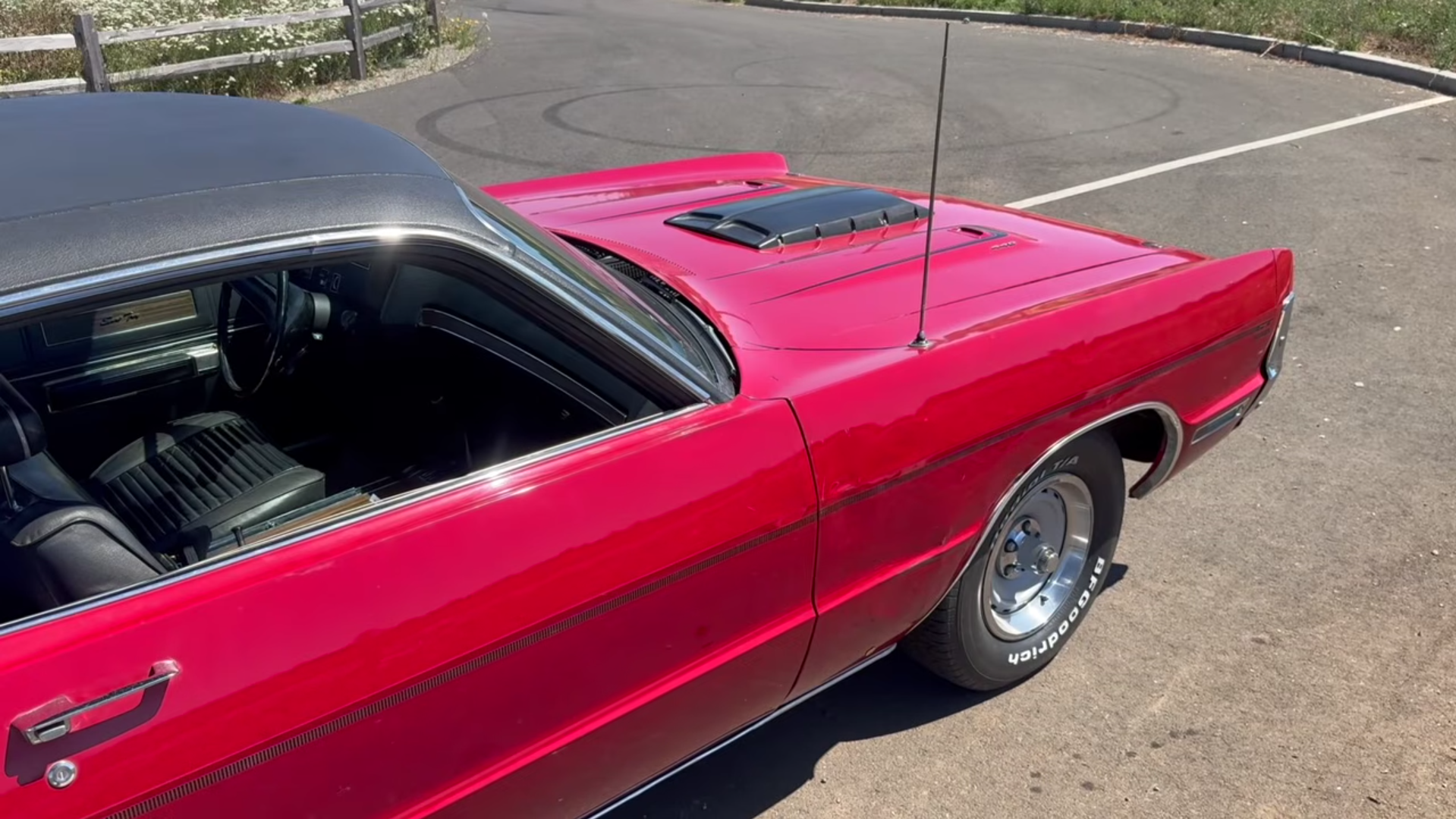
With some fuel in the tank and the major running issues resolved, Dead Dodge Garage’s Jamie took the enormous Plymouth out for its long-awaited drive. The odometer shows only about 36,480 miles, and even the driver’s seatbelt apparently had not been pulled out in decades.
The first trip was deliberately cautious. The speedometer wasn’t working, the car still needed an alignment and additional sorting, and there were enough minor rattles and unfinished details to discourage anyone from testing all 390 advertised horsepower.
Still, the Fury drove, stopped, stayed cool, and sounded remarkably healthy. The outing eventually stretched beyond the short initial test route, officially taking the Plymouth farther under its own power than it had traveled since being parked in 1981.
Plenty of work remains, and the intention is to preserve the car rather than erase its history with a complete restoration, meaning its surviving interior, aged paint, and imperfections will remain part of the story.
For a car produced in such tiny numbers, that approach seems fitting. After 45 years sitting still, this exceedingly rare 440 Six-Barrel Sport Fury GT is finally doing what Plymouth built it to do again: swallowing pavement with a big-block rumbling beneath that enormous hood.