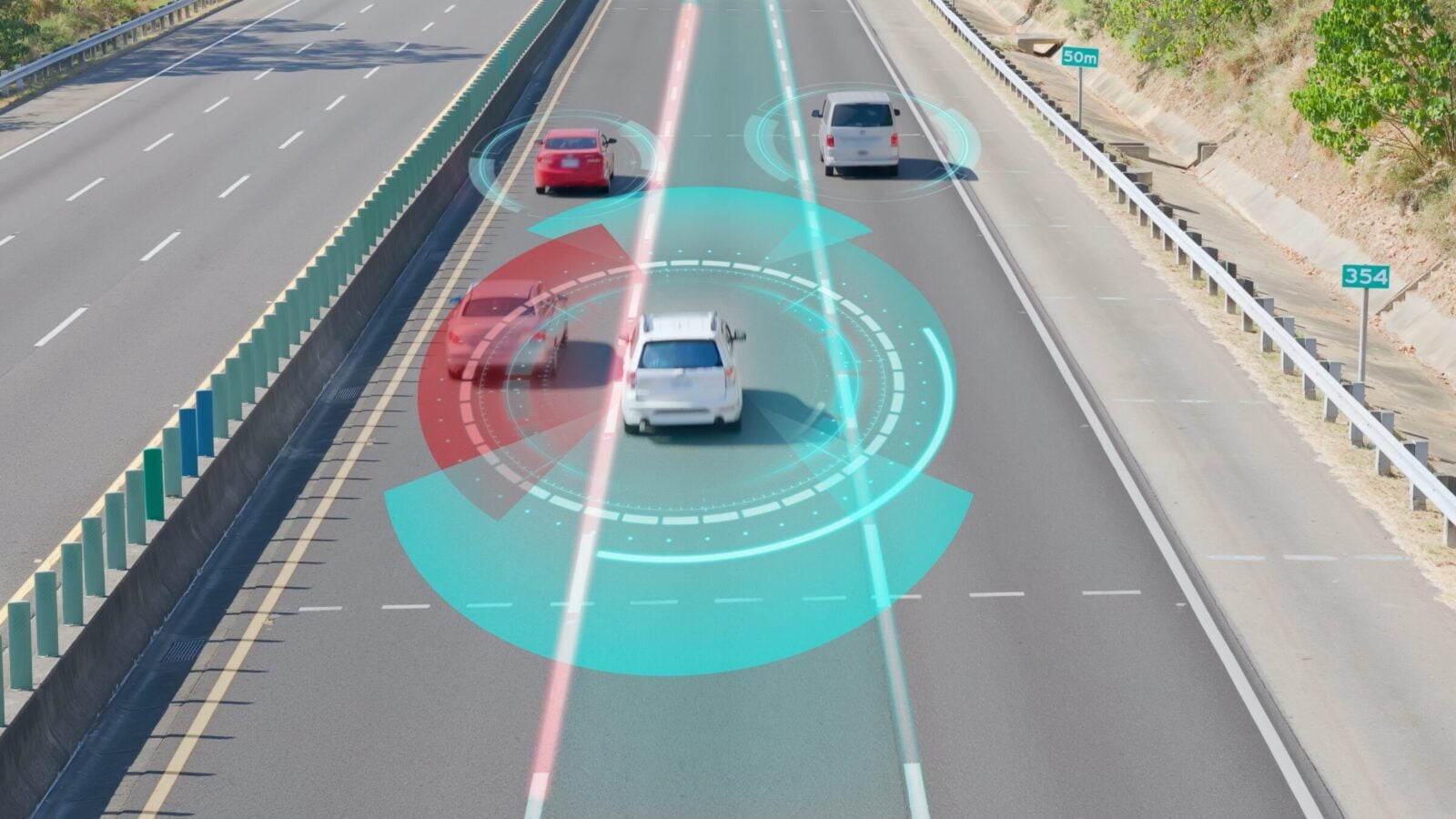
Speeding tickets could eventually become a thing of the past, although perhaps not for the reason drivers would hope. Instead of relying on police, roadside cameras, or a driver’s self-control, future cars could simply refuse to exceed the posted limit.
The technology required to make that happen isn’t particularly futuristic. Many modern vehicles already have GPS, cameras, digital maps, electronic throttle control, and increasingly sophisticated software capable of changing how a car behaves depending on its location.
Geofencing could tie those systems together, creating virtual zones where a vehicle’s maximum speed is automatically restricted. Drive past a school, enter a residential neighborhood, or move through a pedestrian-heavy city center, and the car could electronically prevent you from accelerating beyond the local limit.
For now, compulsory geofenced speed limiting remains largely theoretical for privately owned passenger vehicles. The bigger obstacle may ultimately be political and public acceptance rather than whether automakers can actually build it.
Your Car May Already Have Most Of The Technology
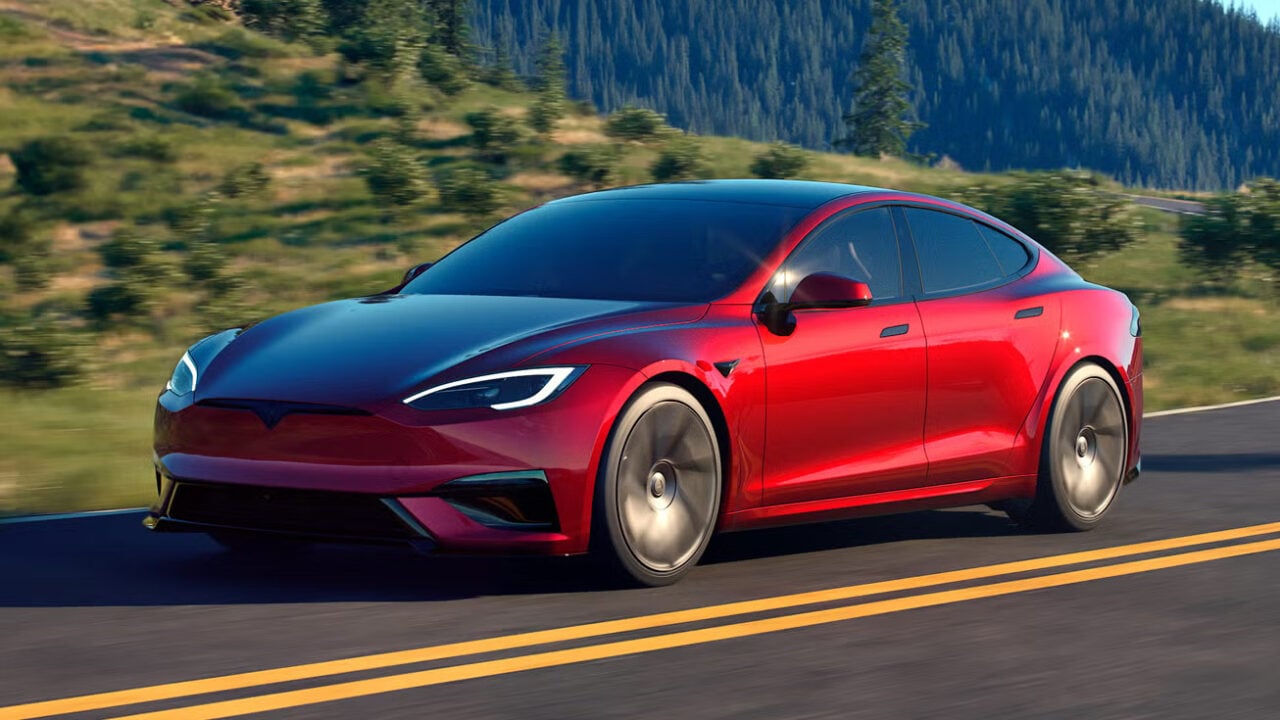
Geofencing uses location data to determine when a vehicle has entered or left a predefined geographical area. Once inside that boundary, onboard software can automatically change certain vehicle settings.
Applied to speeding, the concept is relatively straightforward. GPS and map data could identify the applicable speed limit, while cameras could provide additional information from roadside signs and electronic throttle control could prevent the engine or motors from delivering enough power to exceed it.
Such a system wouldn’t necessarily slam on the brakes whenever the speed limit changed. Instead, it could progressively restrict acceleration until the vehicle settled at the permitted speed, similar in principle to a conventional speed limiter.
That could allow authorities to create highly specific restrictions. A school zone, for example, might automatically enforce a 30 km/h limit during certain hours before allowing higher speeds once the vehicle leaves the area.
Automakers Are Already Using Geofencing
As reported by CarScoops, location-dependent vehicle controls aren’t merely an academic experiment. Several manufacturers have already demonstrated or implemented geofencing, albeit generally for purposes other than forcibly controlling private motorists’ speeds.
Mercedes-Benz and BMW have used geofencing technology on certain plug-in hybrids to automatically prioritize electric operation when the vehicles enter designated low-emission areas. Ford has also experimented with geofencing through its commercial-vehicle operations.
Volvo Group has explored the technology further in commercial applications, including automatically restricting vehicle speeds within designated areas. Similar concepts are already familiar in industrial environments, where equipment can be programmed to behave differently around workers or hazardous locations.
Modern connected cars therefore provide many of the ingredients necessary for far broader applications. The controversial question is how far manufacturers and regulators should be permitted to take them.
Europe Is Already Taking Smaller Steps

Cars sold in the European Union already provide an example of how electronic speed assistance can become mandatory. New vehicles are required to incorporate Intelligent Speed Assistance, commonly known as ISA.
ISA can use cameras, navigation information, or a combination of both to determine the current speed limit and alert the driver when it is exceeded. Depending on the implementation, warnings can include visual or audible alerts and resistance through the accelerator pedal.
Crucially, today’s ISA systems don’t amount to an absolute electronic speed restriction. Drivers can generally override the intervention, making them assistance technology rather than an unbreakable digital speed limit.
Geofencing could take the concept significantly further by removing that choice within specific areas.
Would Drivers Ever Accept A Car That Refuses To Speed?
Talking to CarExpert, University of Amsterdam professor Marco te Brömmelstroet believes technology could fundamentally change attitudes toward speeding over the next two decades. He argues future generations could eventually consider unrestricted urban driving surprisingly dangerous by today’s standards.
Supporters have an obvious argument. Automatically limiting speeds around schools, pedestrian areas, and busy urban streets could reduce the consequences of driver mistakes while providing far more consistent compliance than occasional police patrols or speed cameras.
There are significant complications, though. Digital maps aren’t always correct, GPS can struggle in tunnels and dense urban environments, emergency situations may require overrides, and any connected system capable of controlling a vehicle introduces cybersecurity considerations.
Then comes the philosophical argument. A privately owned car electronically refusing its driver’s command because of restrictions established by governments or manufacturers represents a significant change in the relationship between motorists and their vehicles.
The hardware required to make that future possible is already arriving. Whether drivers will ever accept the software being given that much authority is another matter entirely.