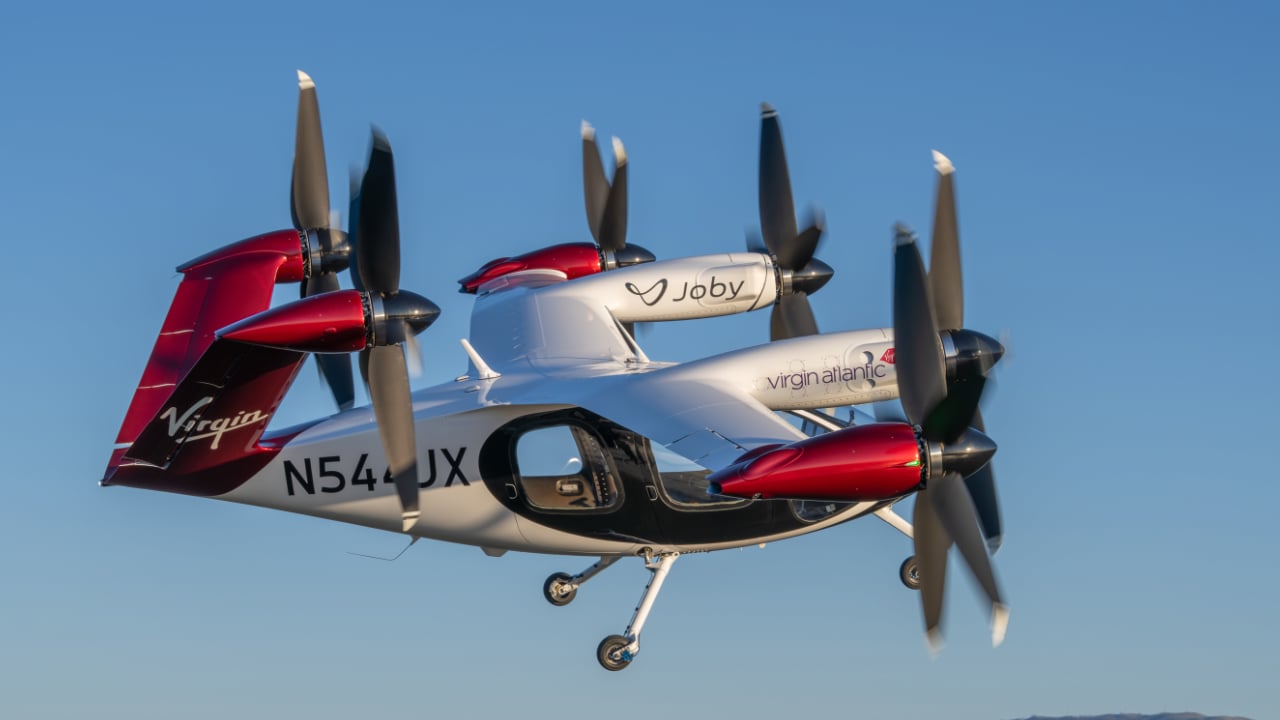
Florida may soon become the first state to use federal electric vehicle infrastructure funding for something very different than public charging stations. The Miami Herald reports that instead of expanding its EV charging network, state officials want to redirect nearly $200 million toward infrastructure for electric flying taxis.
The proposal centers on creating what the Florida Department of Transportation (FDOT) calls an “Aerial Highway Network.” Rather than building more charging stations for passenger cars, the plan would finance charging, takeoff, and landing facilities for electric vertical takeoff and landing aircraft, better known as eVTOLs.
Florida argues that its highway charging network has already reached a point where private companies can handle future expansion without relying on taxpayer funding. Critics, however, say the state is abandoning a program designed to benefit millions of EV drivers in favor of technology that remains years away from widespread commercial use.
If approved, the plan would redirect approximately $197 million from the federal National Electric Vehicle Infrastructure (NEVI) program, originally created to expand public EV charging across the United States. The proposal still requires federal approval before any money can be spent on the new aviation-focused projects.
From Charging Stations To Vertiports
FDOT’s proposal claims the money would help fund 32 facilities capable of charging, launching, and landing electric air taxis. Each location is expected to cost roughly $5.6 million.
The state has suggested placing these so-called vertiports at airports, military bases, luxury apartment developments, and even golf courses. Florida believes an aerial transportation network could eventually reduce congestion while improving connections between major metropolitan areas.
Unlike conventional airplanes, eVTOL aircraft use battery power and can take off and land vertically without requiring a runway. Several companies, including Joby Aviation, Archer Aviation, BETA Technologies, and Electra, are currently developing aircraft for future commercial operations.
Florida Says The Private Sector Already Solved The Problem

FDOT argues that public EV charging infrastructure has expanded rapidly without heavy government involvement. The agency says the number of public charging ports in Florida has more than doubled over the past four years, identifying 452 DC fast chargers and more than 1,700 Level 2 charging stations as of early 2025.
The Federal Highway Administration has also determined that Florida’s interstate charging corridors are sufficiently built out. Under updated NEVI rules, states that complete their highway charging obligations can request permission to redirect remaining funding toward other transportation-related projects.
State officials say investing in advanced air mobility represents the next logical step. The proposal states that FDOT will not spend taxpayer dollars on “everyday passenger vehicles” and instead wants to support an emerging transportation technology that could benefit Floridians in the future.
Critics Say Everyday Drivers Are Losing Out
Not everyone agrees with that assessment. Stephen Smith of the Southern Alliance for Clean Energy criticized the proposal, arguing that public money intended to benefit a broad population is instead being redirected toward technology likely to serve only a small group of wealthy users during its early years.
Ryan McKinnon of the Charge Ahead Partnership echoed those concerns, saying the funding was originally meant to help gas stations, convenience stores, and small businesses install EV chargers that would serve everyday drivers across the state.
While Florida’s highway charging network has improved substantially, critics point out that gaps remain, particularly for residents living in apartment buildings and condominiums without home charging access. Other states have chosen to use remaining NEVI funds to address those issues rather than pivoting toward emerging aviation projects.
Flying Cars Still Have A Long Road Ahead
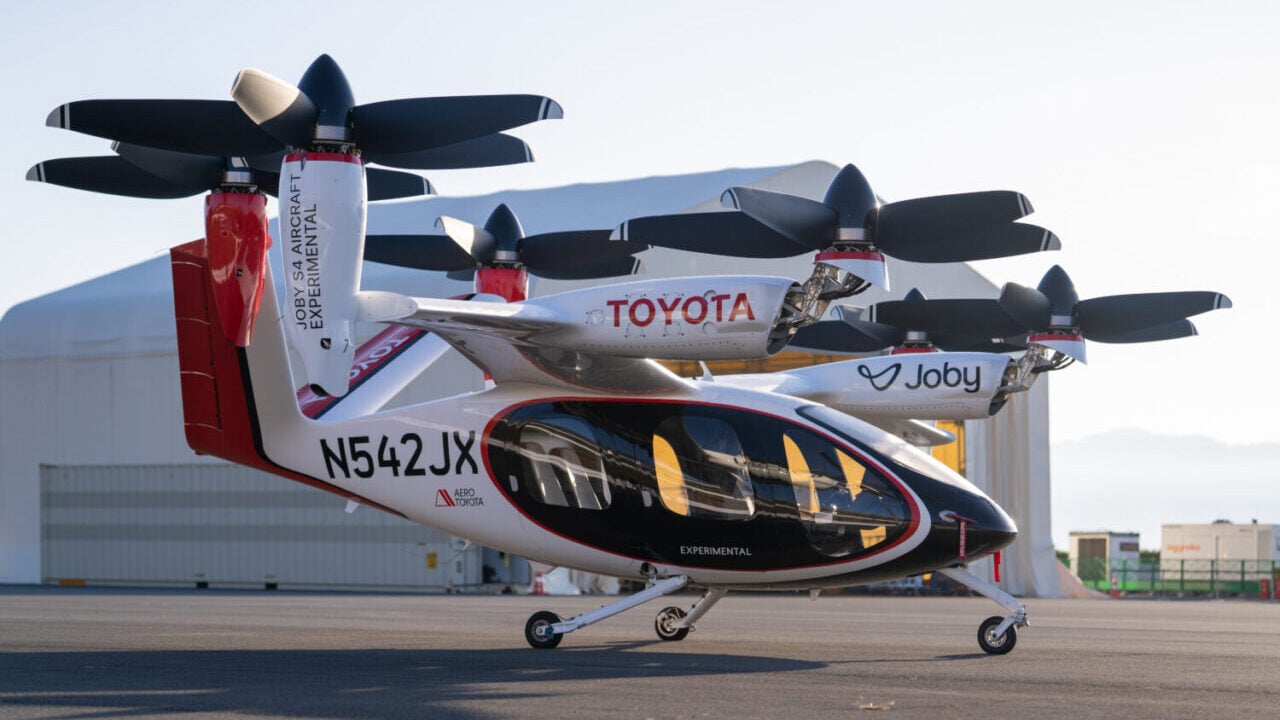
Florida has been preparing for advanced air mobility since 2021 and recently became one of eight state transportation agencies selected to participate in a federal flying car pilot program. The state has also built an aerial testing facility at its SunTrax proving grounds in Central Florida.
Despite that progress, commercial air taxi services have yet to receive full FAA certification for widespread passenger operations in the United States. Companies continue testing their aircraft, but large-scale deployment remains several regulatory and operational steps away.
Supporters see Florida’s proposal as a forward-looking investment in future transportation. Opponents argue the state is redirecting funding away from infrastructure that could immediately benefit hundreds of thousands of current EV owners in favor of technology that has not yet reached the market.
Whether federal officials approve the unusual funding shift could determine if Florida becomes the first state to trade EV charging stations for vertiports.